Landmark: Kafountine
City: Ziguinchor
Country: Senegal
Continent: Africa
Kafountine, Ziguinchor, Senegal, Africa
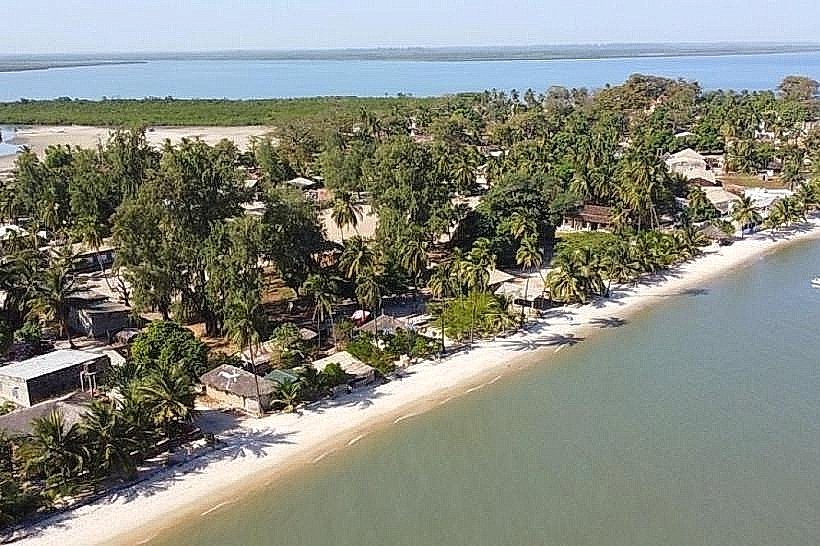
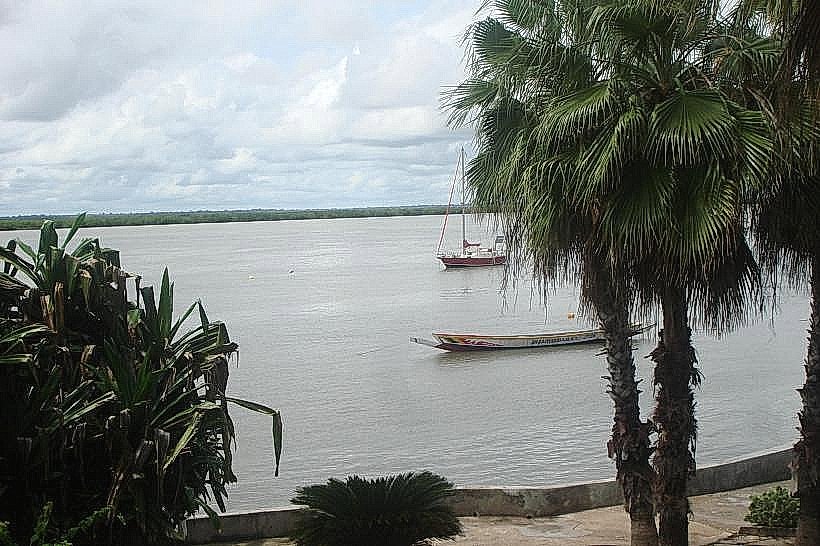
Kafountine is a major coastal fishing village and commune located in the Casamance region of southern Senegal, situated along the Atlantic Ocean. It serves as one of the largest artisanal fishing ports in the country, positioned approximately 100km northwest of Ziguinchor near the border with The Gambia.
Visual Characteristics
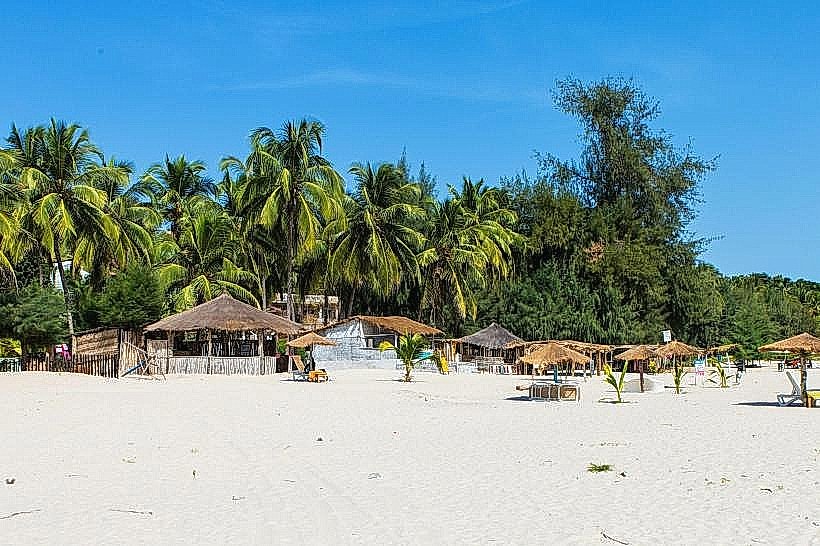
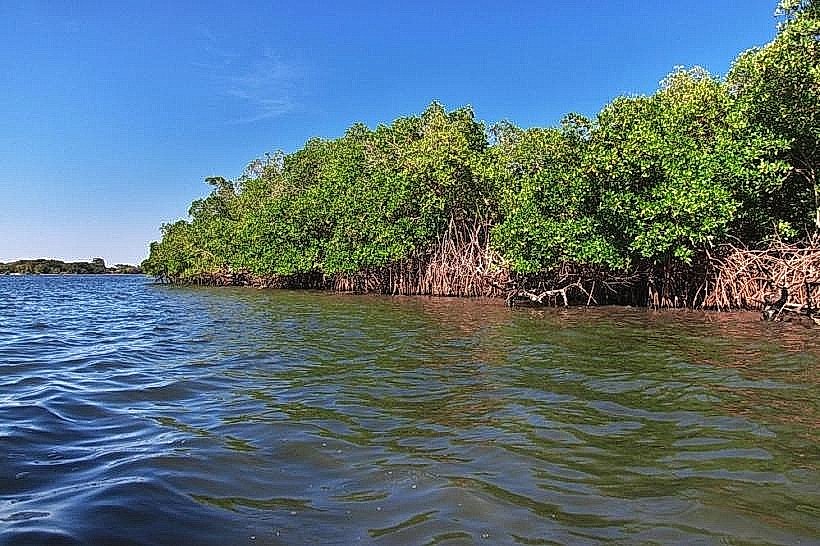
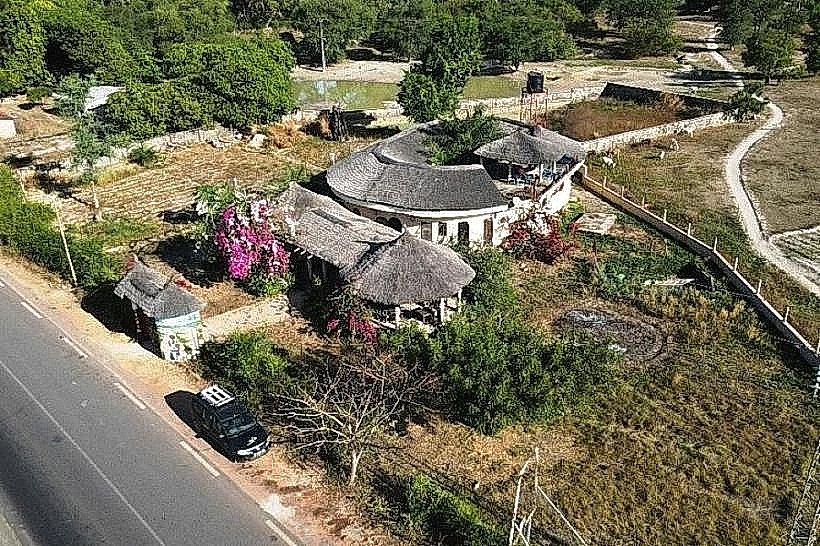
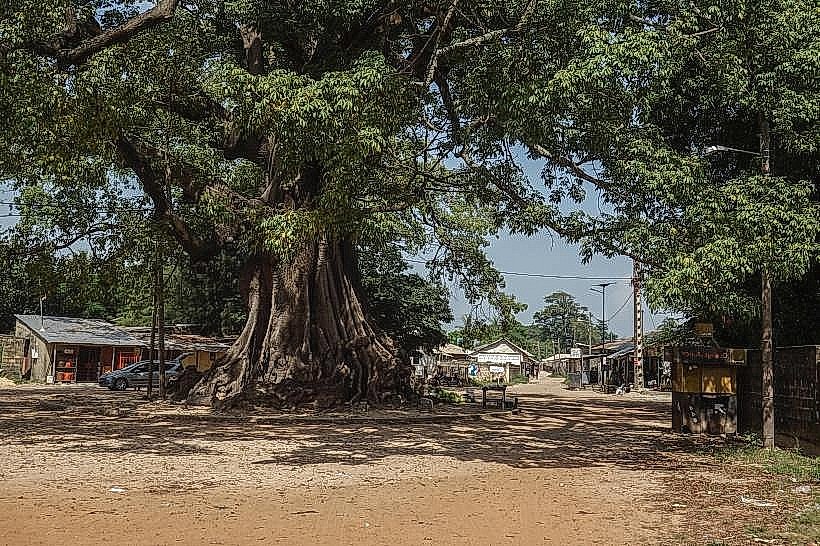
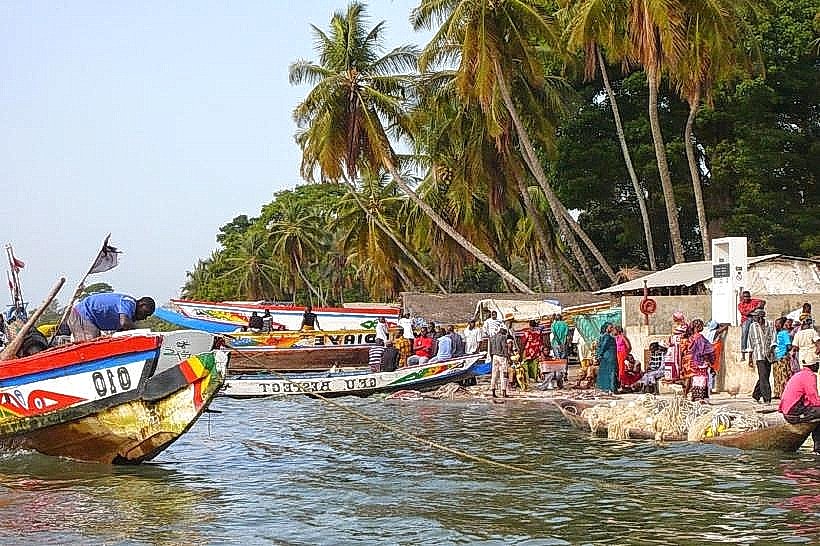
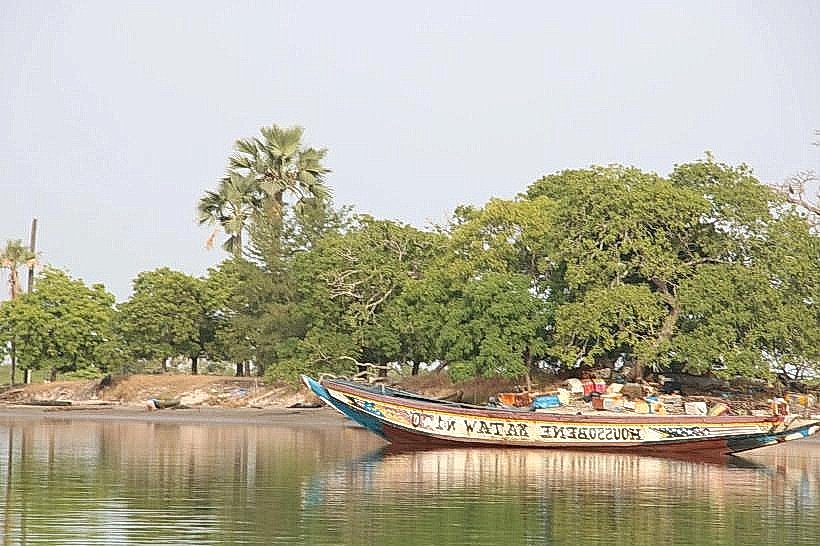
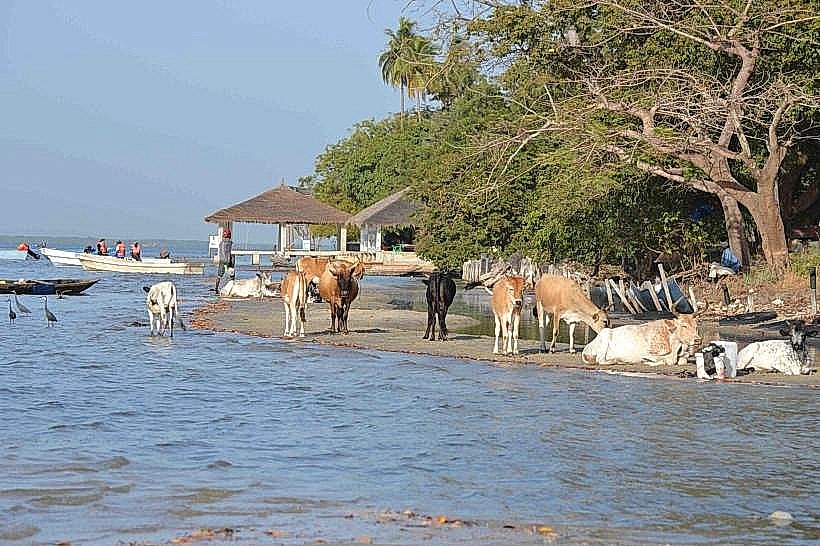
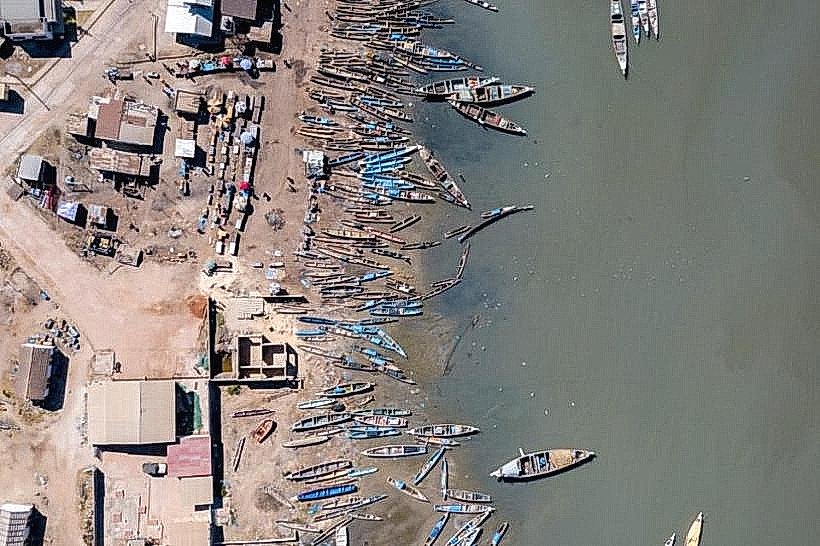
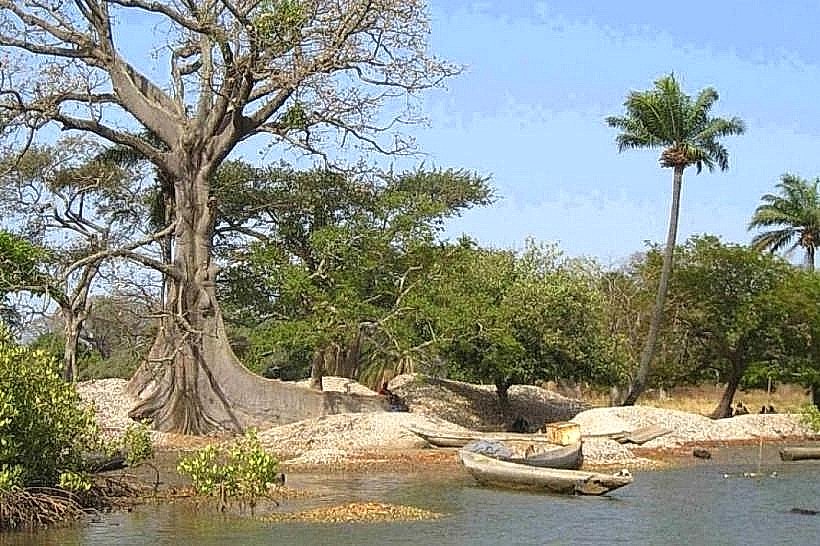
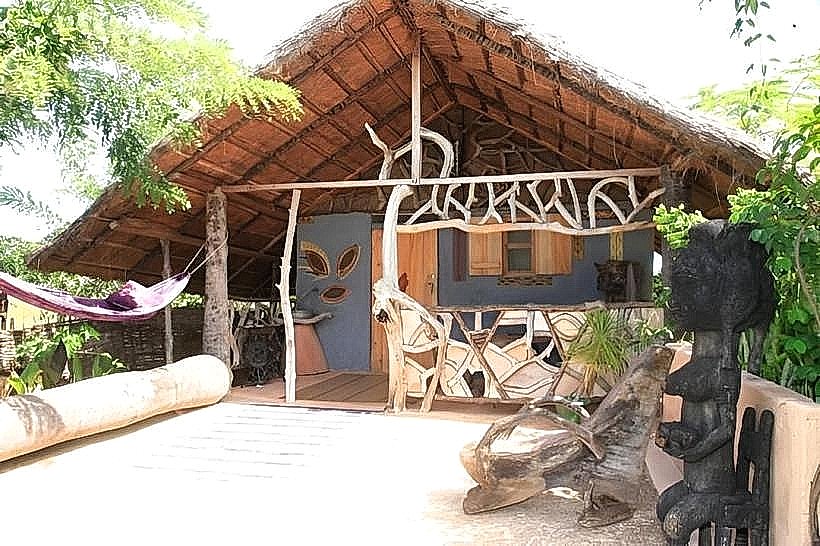
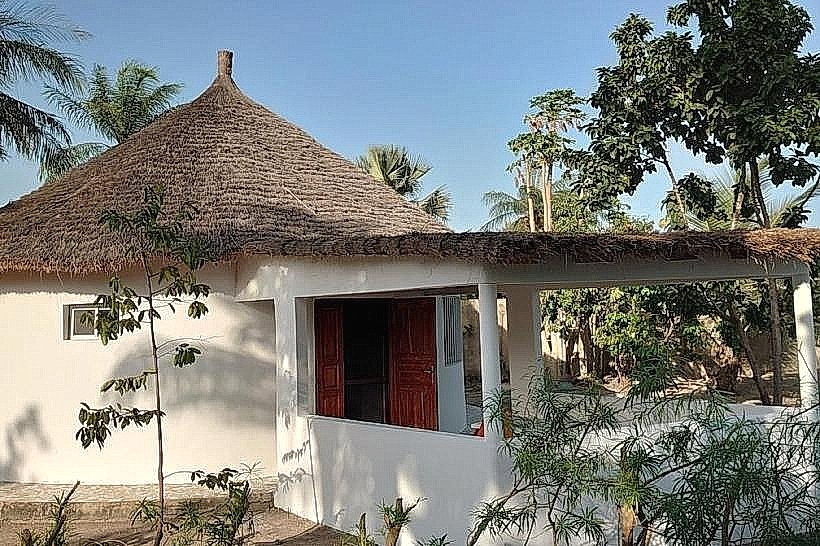
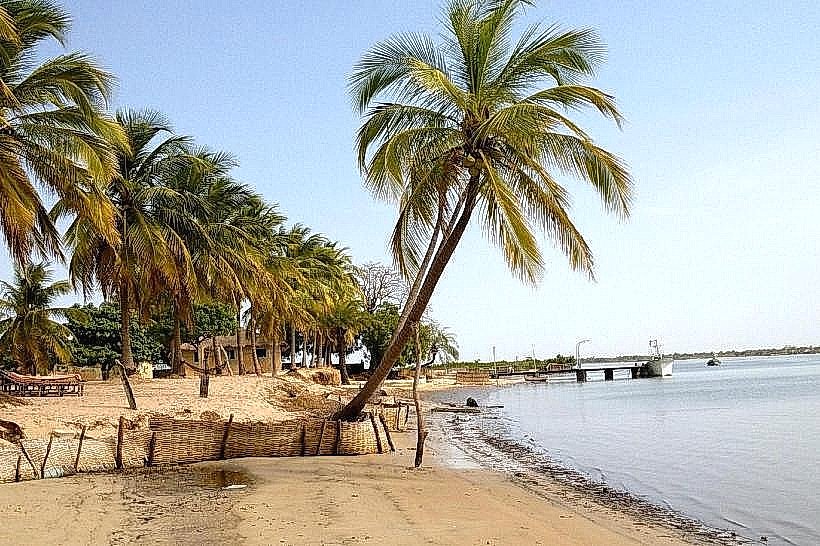
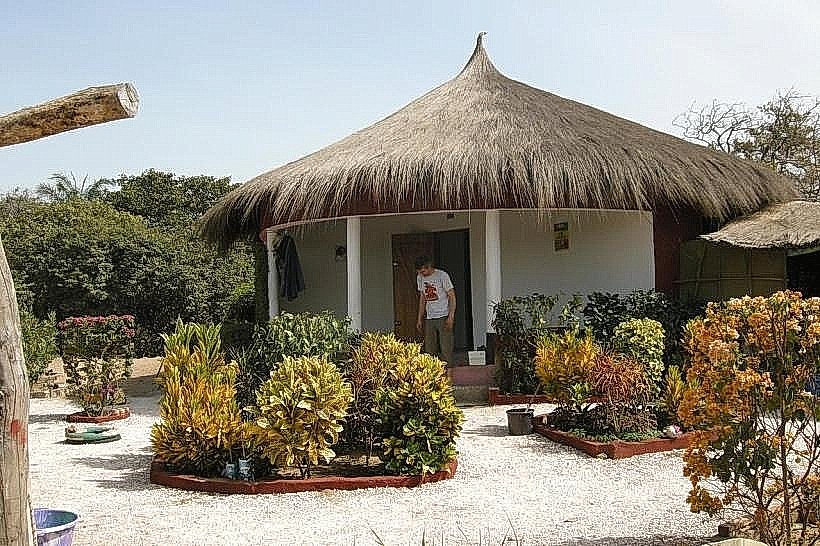
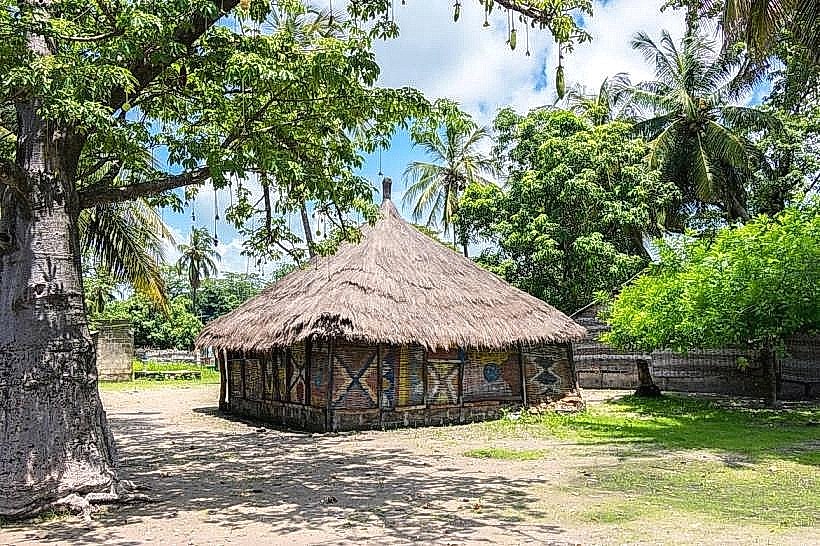
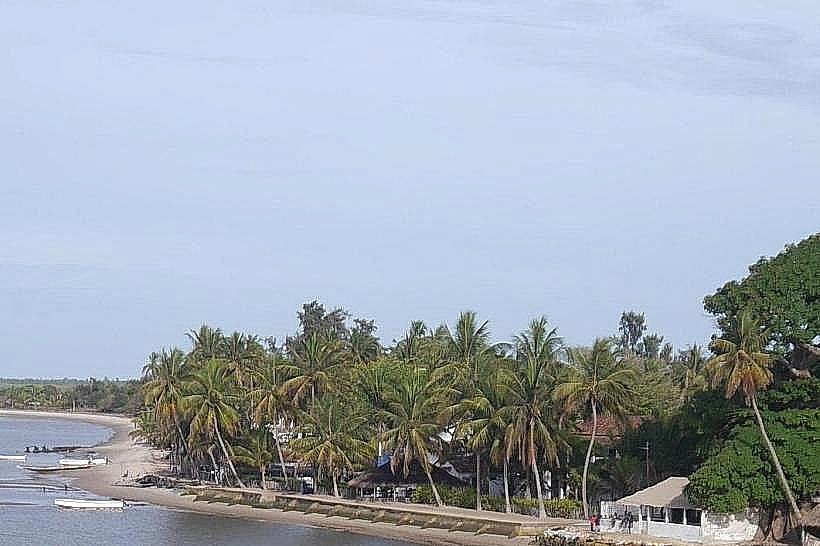
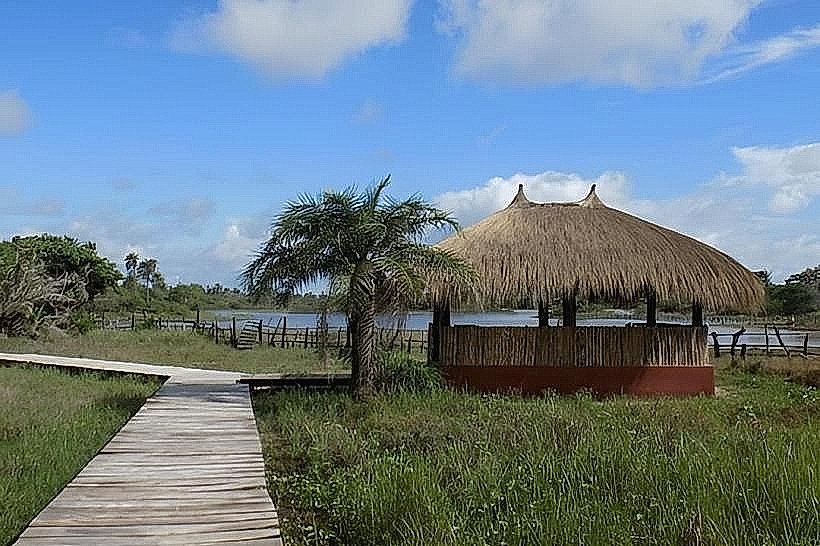
The landscape is defined by a vast sandy coastline and a high density of wooden fishing pirogues painted in multi-colored geometric patterns. Inland, the vegetation consists of sprawling mangroves and dense clusters of oil palms and towering baobabs. The village architecture is a mix of functional concrete fish-processing facilities, traditional mud-brick dwellings, and informal thatched-roof structures along the beach.
Location & Access Logistics
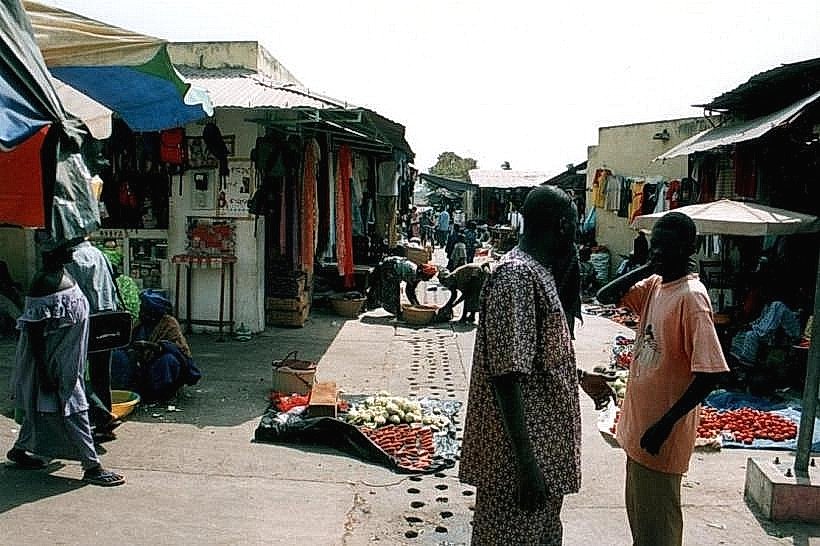
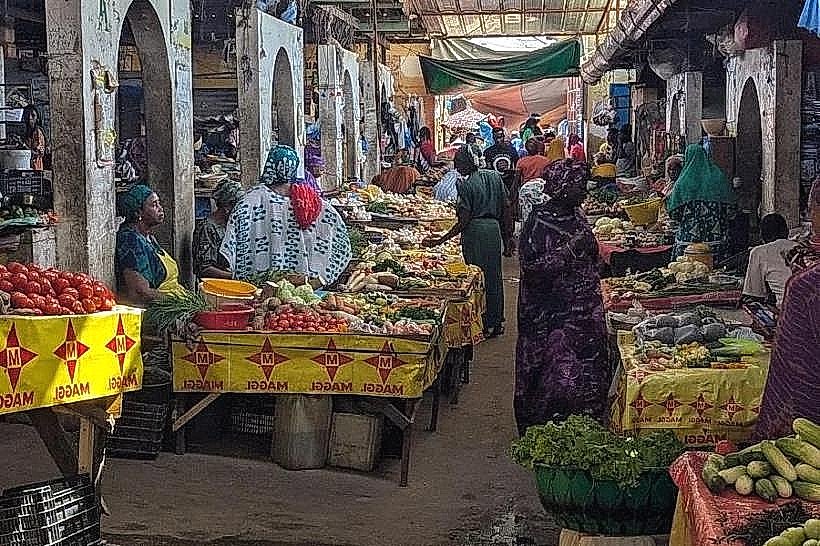
Kafountine is reached via the N4 highway from Ziguinchor, followed by the R550 road heading west. Public transport is available via "sept-place" bush taxis and "Ndiaga Ndiaye" buses departing from the Ziguinchor Gare Routière. The village center is navigable on foot, though sandy tracks require 4x4 vehicles for peripheral forest access; there is no formal parking authority, and vehicles utilize open dirt lots near the central market.
Historical & Ecological Origin
The settlement transitioned from a small Jola farming community into a major regional economic center during the late 20th century due to the expansion of the maritime fishing industry. Ecologically, it is part of an estuarine system where the Atlantic meets the salt-water bolongs, creating a habitat of high biodiversity dominated by extensive mangrove forests and tropical wetlands.
Key Highlights & Activities
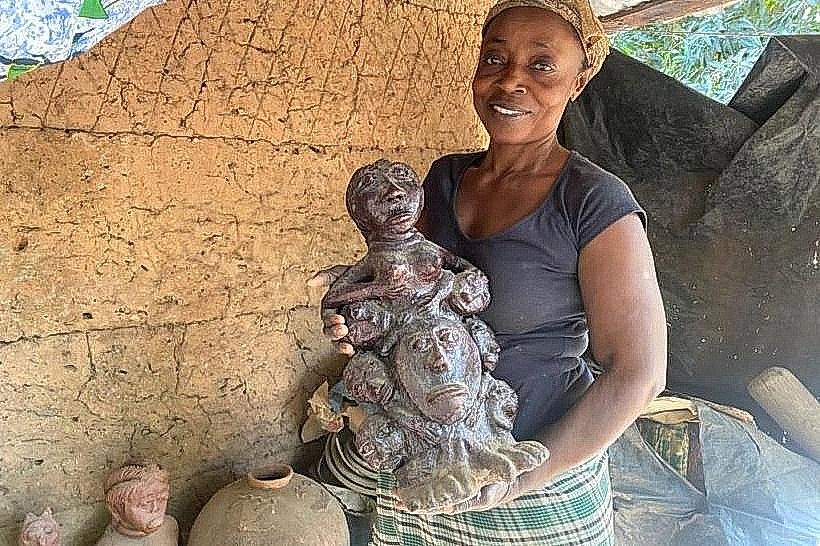
The primary activity is observing the arrival of the fishing fleet at the beach, where hundreds of laborers unload, sort, and process the daily catch. Visitors can rent motorized pirogues for excursions into the Karones Islands and the surrounding mangrove channels for birdwatching. The local artisanal center offers insight into traditional West African drumming and woodcarving, which are central to the village's cultural identity.
Infrastructure & Amenities
Infrastructure is basic but functional for trade, including several "campements" and small hotels that offer food and lodging. 4G cell phone signal is robust in the village center but weakens in the outlying mangrove areas. There are no ATMs, so cash transactions are required; restrooms are limited to private accommodations and a few pay-per-use facilities near the fish-smoking sheds.
Best Time to Visit
The fishing beach is most active between 16:00 and 18:00 when the boats return. The dry season, spanning from November to May, is the most favorable time for travel to avoid road washouts and high humidity. For photography, the late afternoon provides optimal light to capture the activity on the shoreline without the harsh overhead sun.
Facts & Legends
Kafountine is a primary site for the traditional "Kumpo" dance, where a spirit dressed in palm fronds emerges from the forest to dance for the community. A logistical oddity is the "Smoke Houses"-large-scale traditional kilns where thousands of fish are smoked daily for export across West Africa, creating a persistent, distinctive aroma that permeates the southern end of the village.
Nearby Landmarks
Abéné Village (6.5km North)
Karones Islands (4.0km West via water)
Kabadio Village (12.0km North)
Niamone Forest (15.0km East)