Landmark: Diola Traditional Houses
City: Ziguinchor
Country: Senegal
Continent: Africa
Diola Traditional Houses, Ziguinchor, Senegal, Africa
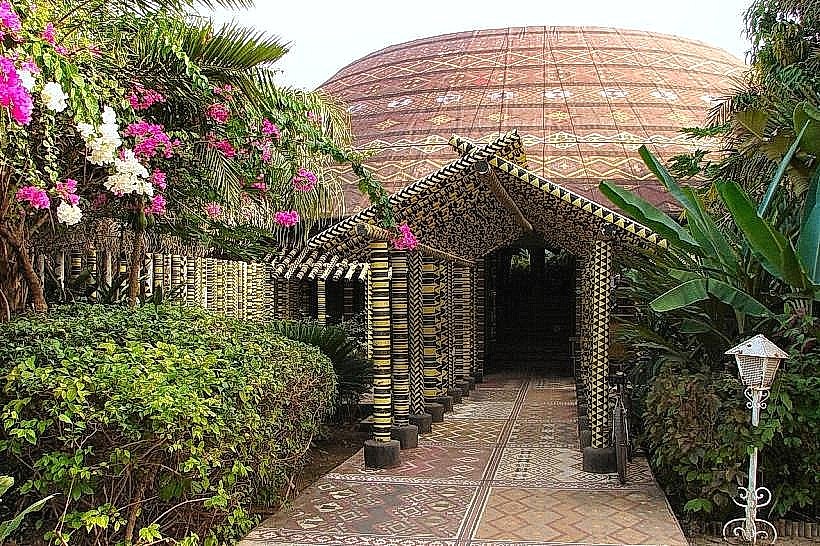
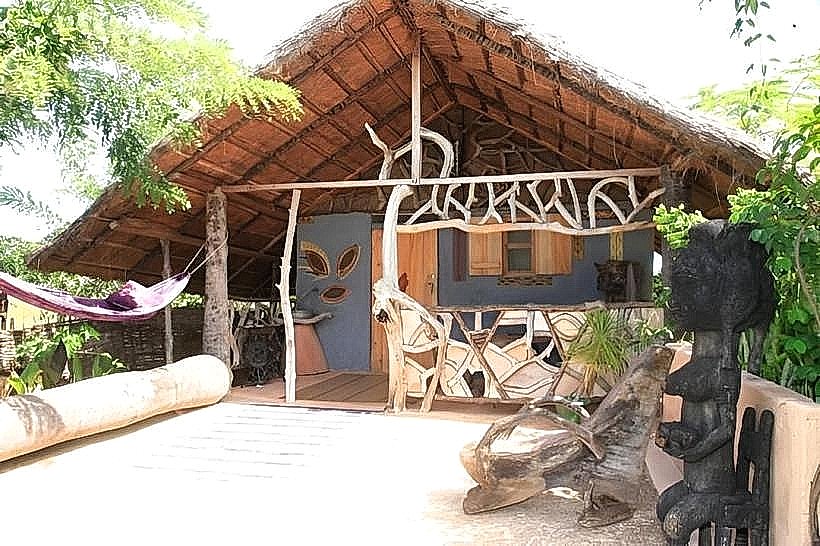
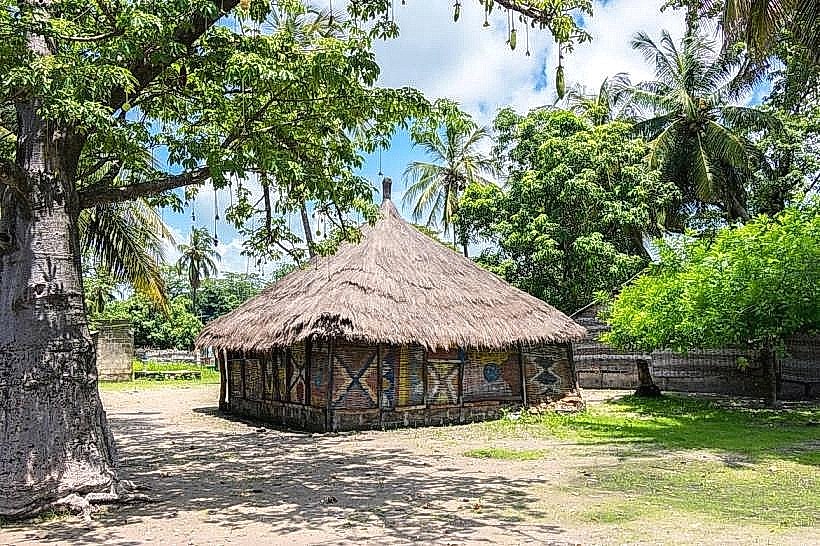
The Diola Traditional Houses, specifically the Case à Impluvium and Case à Étages, are indigenous architectural structures located throughout the Casamance region of southern Senegal. These earthen dwellings serve as communal residences for extended families within the Jola (Diola) ethnic group, primarily in the villages of Enampore, Affiniam, and M'Lomp.
Visual Characteristics
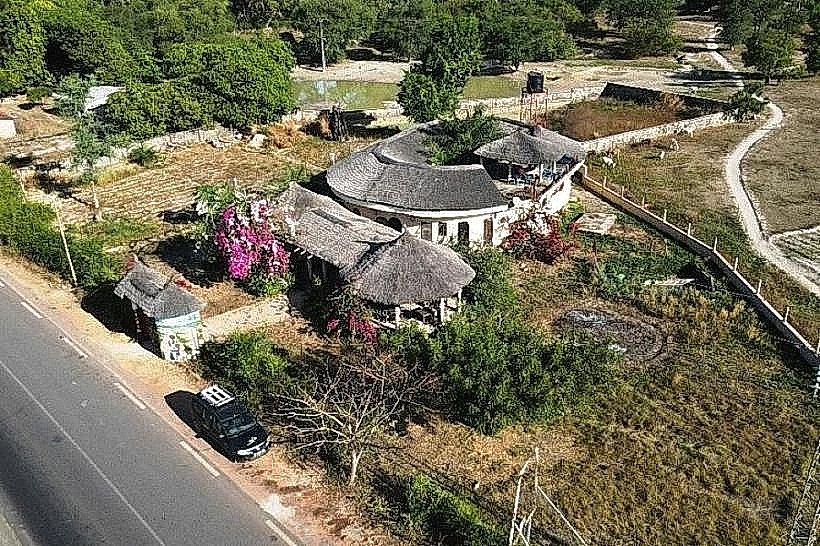
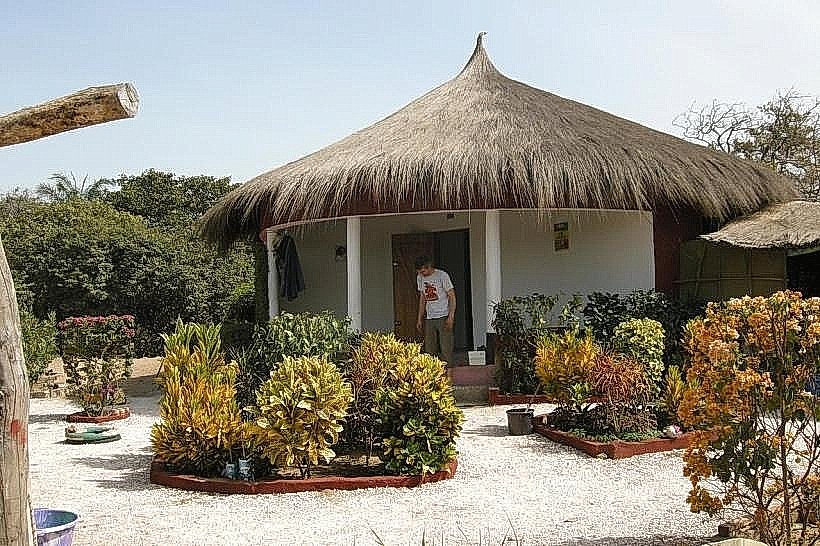
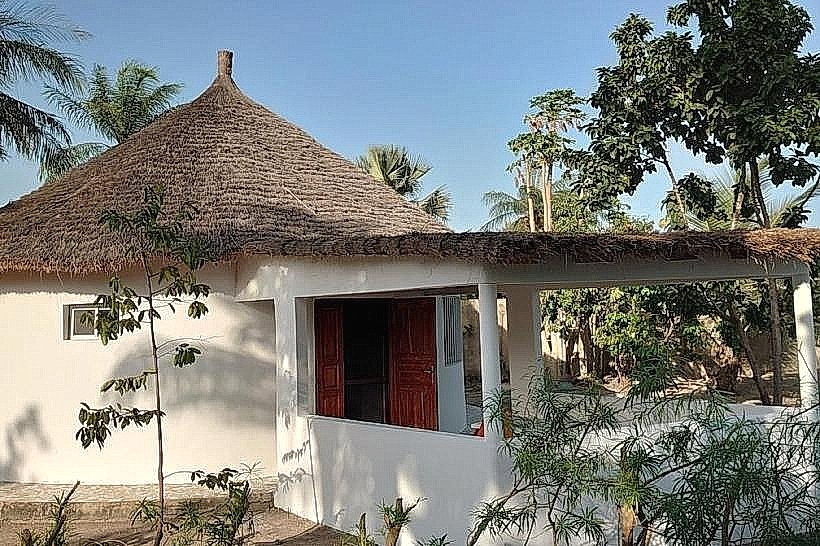
The Case à Impluvium is a large circular structure featuring a double-sloped thatched roof that angles inward toward a central open-air courtyard. This design creates a ring-shaped interior corridor used for livestock and storage, with private rooms located along the outer perimeter. The Case à Étages, found primarily in M'Lomp, are rare two-story mud-brick buildings with thick adobe walls, wooden floor joists made from split palm trunks, and steep thatched roofs supported by heavy timber columns.
Location & Access Logistics
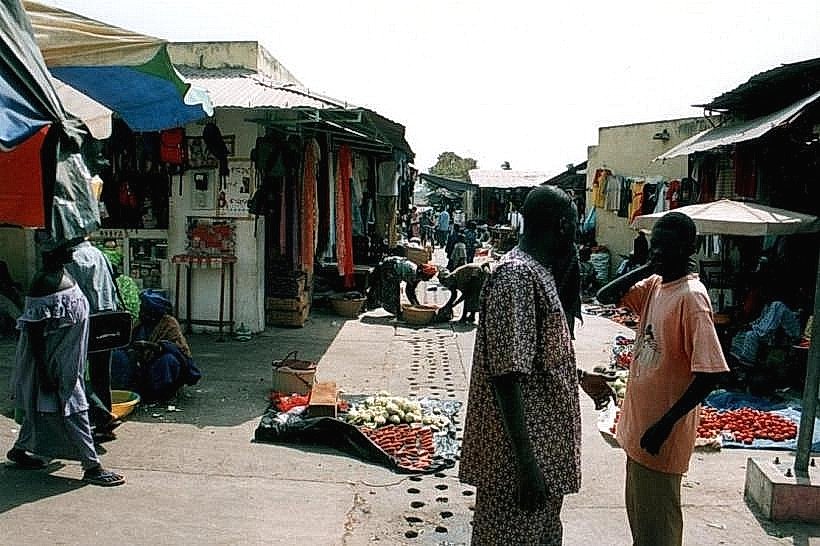
The most preserved examples are located in Enampore (accessible via a 20km unpaved track west of Ziguinchor) and M'Lomp (situated on the R580 road between Oussouye and Elinkine). Access is via "sept-place" bush taxis or private 4x4 vehicles; in M'Lomp, the houses are positioned directly along the main road. Parking consists of cleared dirt areas adjacent to the structures, and public transit from Ziguinchor terminates at the central village markets.
Historical & Ecological Origin
These structures were developed by the Jola people to adapt to the high-rainfall tropical climate of the Casamance. The Case à Impluvium was designed to collect rainwater in the central courtyard during the monsoon and provide a defensive, fortified space for the family and their cattle. The buildings are constructed entirely from local ecological materials: clay-rich earth for the walls, Borassus palm wood for structural support, and long-strand grasses for the thatch.
Key Highlights & Activities
Guided architectural tours are available at the Enampore and M'Lomp sites, focusing on the hydraulic engineering of the roof systems and traditional mud-plastering techniques. In Enampore, the central impluvium house functions as a community-run "campement" where visitors can stay overnight to experience the thermal regulation of the adobe walls. Photography is generally permitted for a small fee paid to the village elders or the house owner.
Infrastructure & Amenities
Infrastructure is minimal; the houses do not have centralized plumbing or electricity, relying on shared village wells and solar lamps. 4G cell phone signal is functional in the villages but can be obstructed by the thick mud walls of the interior rooms. Shade is constant within the deep interior corridors. There are no formal food vendors inside the houses, though communal meals are often prepared for guests in the village center.
Best Time to Visit
The dry season from December to May is optimal for travel, as the unpaved tracks to Enampore can become impassable during the heavy rains of August and September. Mid-morning (09:00–11:00) provides the best lighting for viewing the central courtyards when the sun is high enough to reach the interior floor. The structures remain naturally cool even during the peak afternoon heat.
Facts & Legends
Local Jola belief systems hold that the central pillar of the house represents the family's connection to the ancestors, and specific rituals are performed during the construction of the roof to ensure protection. A unique logistical fact is that the mud walls of the Case à Étages in M'Lomp are so durable that several structures have remained standing for over 100 years without modern cement reinforcement.
Nearby Landmarks
Oussouye Royal Palace (8.0km Southeast of M'Lomp)
Elinkine Fishing Port (12.0km West of M'Lomp)
Kamobeul Bolong (5.0km South of Enampore)
Ziguinchor Market (20.0km East of Enampore)