Landmark: Saint Anthony of Padua Cathedral
City: Ziguinchor
Country: Senegal
Continent: Africa
Saint Anthony of Padua Cathedral, Ziguinchor, Senegal, Africa
The Saint Anthony of Padua Cathedral (Cathédrale Saint-Antoine-de-Padoue) is the principal Roman Catholic place of worship in Ziguinchor and the seat of the Diocese of Ziguinchor. It is located in the heart of the regional capital of Casamance, approximately 450km south of Dakar.
Visual Characteristics
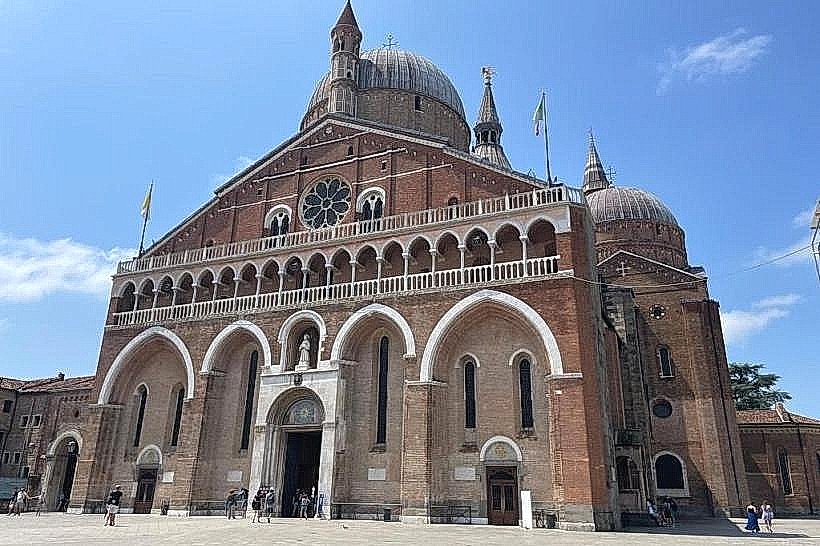
The cathedral is a prominent example of colonial-era ecclesiastical architecture, featuring a white masonry facade with distinct ochre or yellow trim. It is characterized by a square central bell tower and a symmetrical front profile. The interior is designed for tropical air circulation, utilizing high vaulted ceilings and large arched windows. Decorative elements include local wood carvings and stained glass that integrate traditional Catholic iconography with regional Casamançais motifs.
Location & Access Logistics
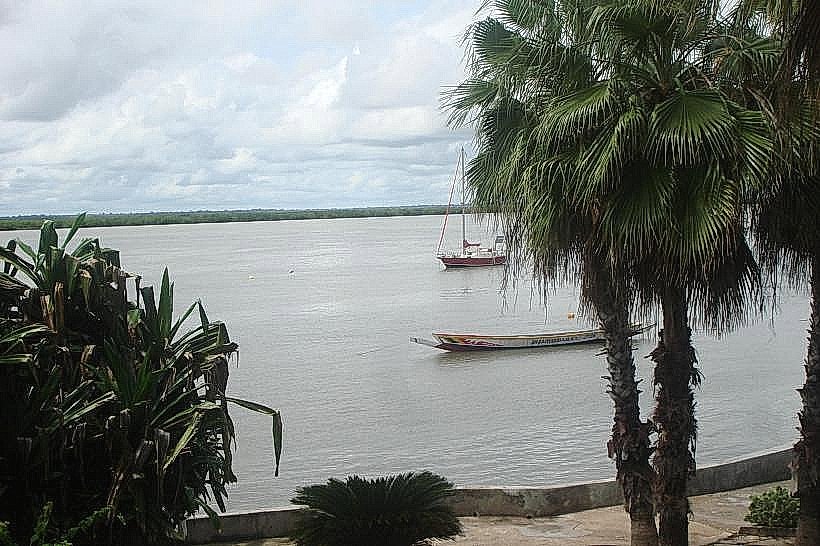
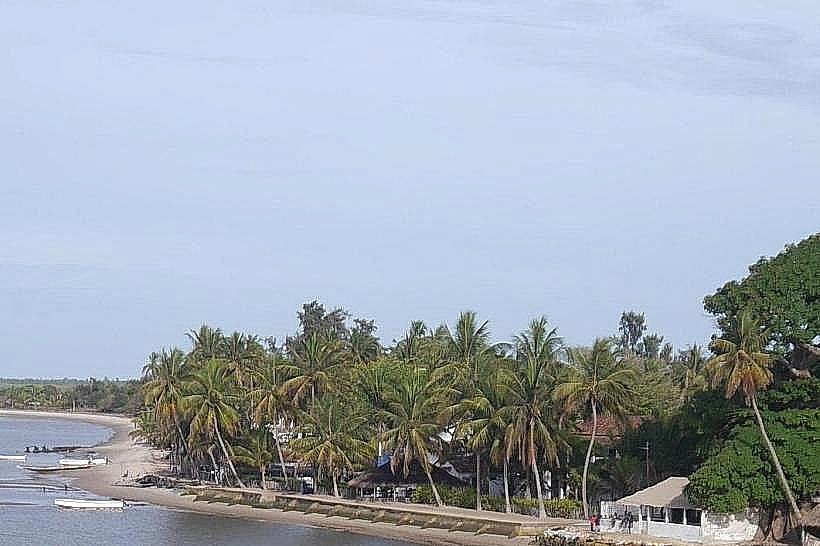
The building is situated in the "Escale" district, the historic center of Ziguinchor, near the southern bank of the Casamance River. It is positioned at the intersection of major urban roads, making it a primary navigational landmark.
Access: Easily reached via the Rue du Commerce or the main boulevard from the port.
Transport: Yellow-and-black urban taxis and shared "clandos" serve the cathedral area continuously.
Parking: Limited street parking is available in the surrounding blocks; a small paved area at the front is used for official church vehicles.
Historical & Ecological Origin
The cathedral was inaugurated in 1947, replacing earlier missionary chapels as the Catholic community in southern Senegal expanded. Geologically, it sits on the stable ironstone-rich soils (laterite) of the Ziguinchor plateau, elevated slightly above the surrounding river marshes. Historically, the cathedral has functioned as a center for social services, education, and peace mediation in the region.
Key Highlights & Activities
Sunday Mass is the most significant event, known for its vibrant liturgical music featuring the kora and traditional drumming alongside choral singing in French, Diola, and Portuguese Creole. The cathedral is a focal point during the feast day of Saint Anthony of Padua (June 13), involving processions through the city streets. It is also a key stop for visitors exploring the colonial history and urban heritage of Ziguinchor.
Infrastructure & Amenities
The facility includes a spacious nave capable of seating over 1,000 parishioners, a sacristy, and a parish house located within the gated compound. 4G and 5G cellular coverage is excellent. The thick masonry walls provide significant natural cooling, and the exterior porticos offer shade from the midday sun. Basic sanitation and water facilities are available for parishioners in the auxiliary buildings.
Best Time to Visit
The dry season (November to May) is optimal for photography and comfortable exploration. To witness the full cultural expression of the parish, Sunday morning services (usually 08:30 or 10:30) are recommended. For architectural photography, the late afternoon light (16:00–18:00) emphasizes the textures of the facade and the yellow architectural accents.
Facts & Legends
The dedication to Saint Anthony of Padua reflects the historical influence of Portuguese missionaries who were the first Europeans to establish a presence in Ziguinchor in the 16th century. Local history often cites the cathedral as a site of interfaith solidarity, where Muslim and Christian leaders have frequently gathered for regional unity ceremonies.
Nearby Landmarks
Casamance River Waterfront – 0.4km North
Alliance Française de Ziguinchor – 0.6km West
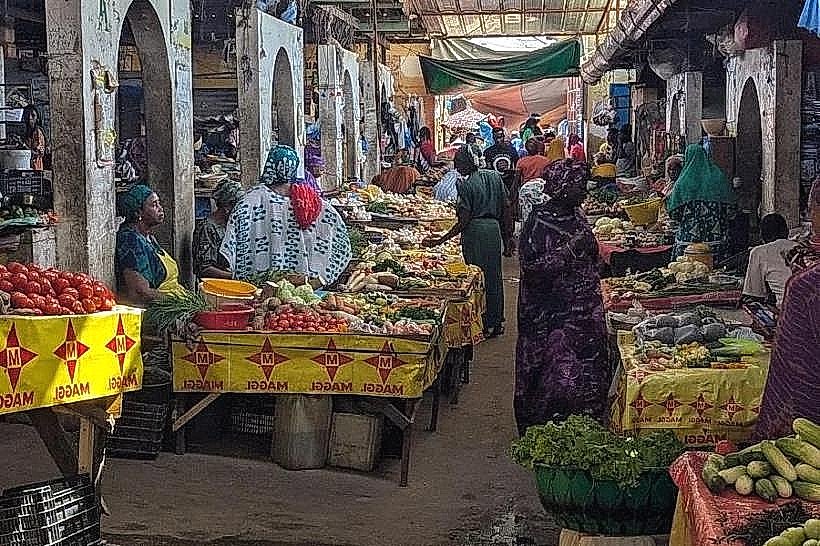
Marché Saint-Maur des Fossés – 1.2km East
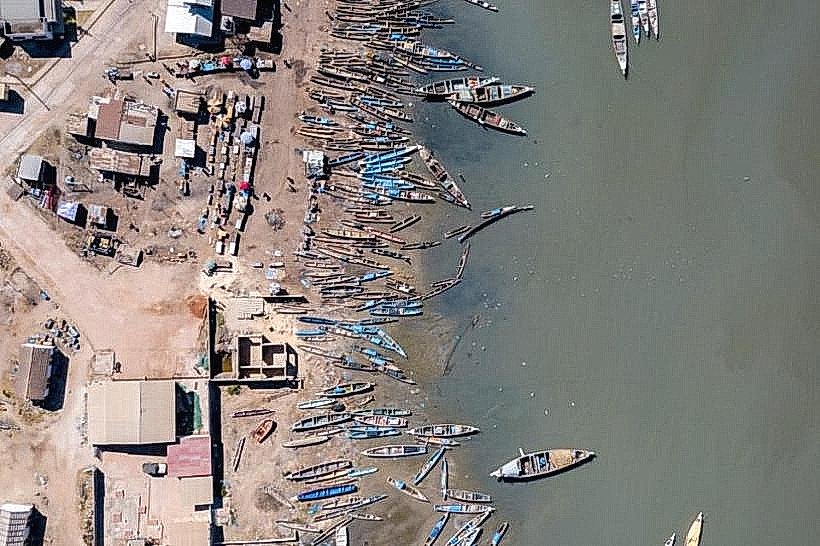
Ziguinchor Port – 0.8km Northwest