Landmark: Egueye Island
City: Ziguinchor
Country: Senegal
Continent: Africa
Egueye Island, Ziguinchor, Senegal, Africa
Nioumoune Island's neighbor, Egueye Island, is a small estuarine landmass located within the mangrove bolongs of the Casamance River delta. It is situated approximately 10km north of the town of Oussouye and is accessible only by water.
Visual Characteristics
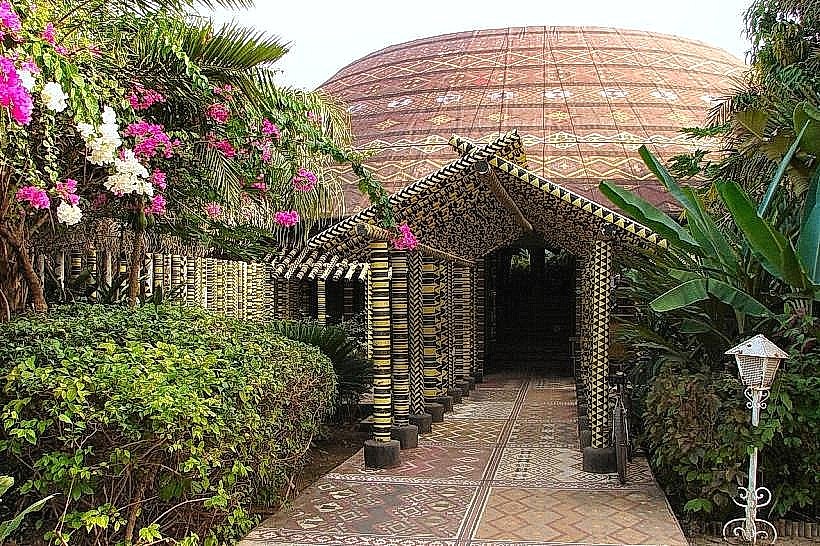
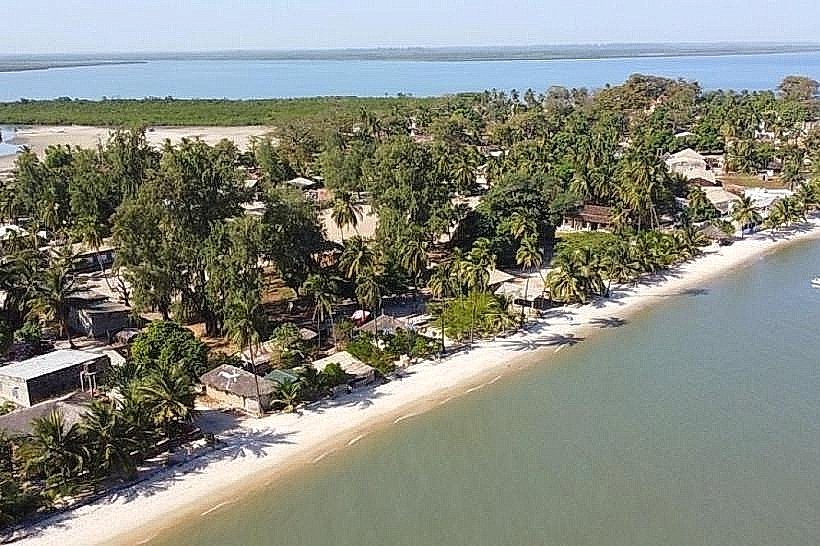
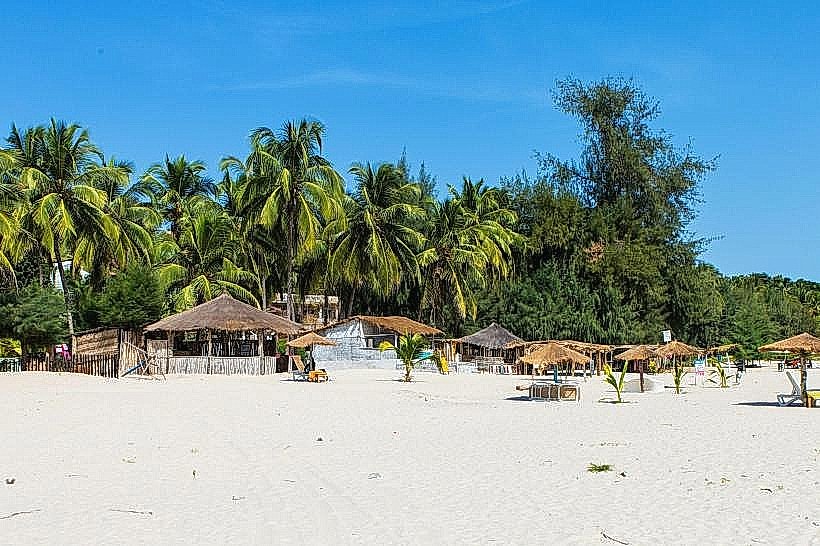
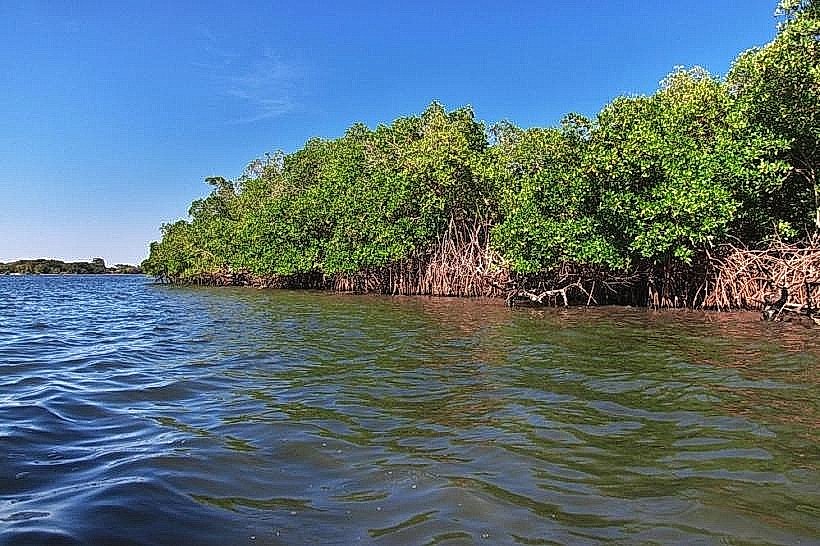
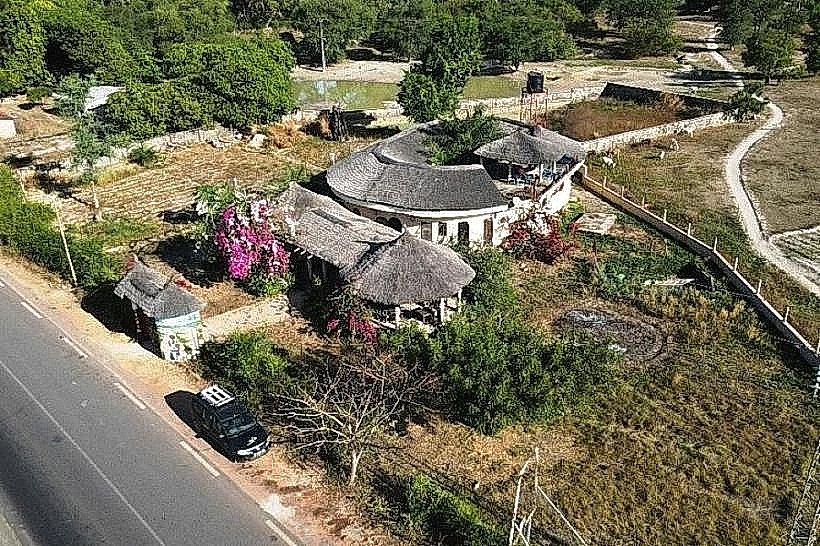
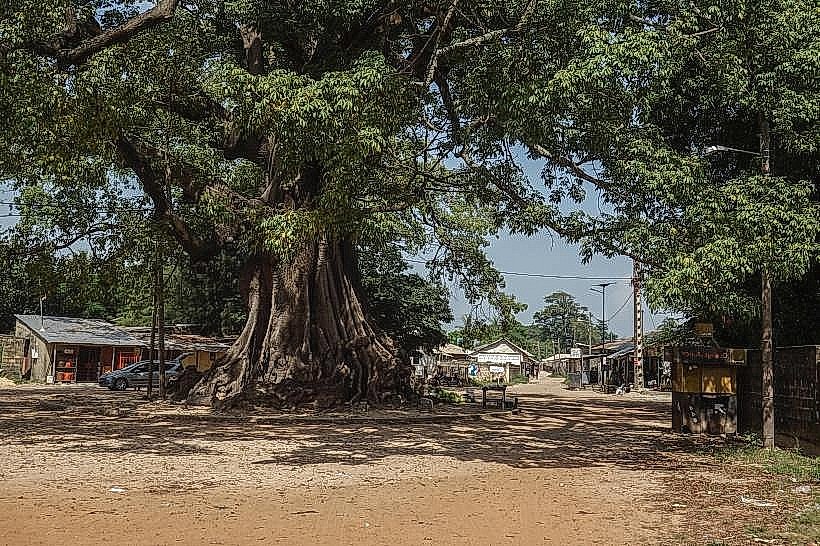
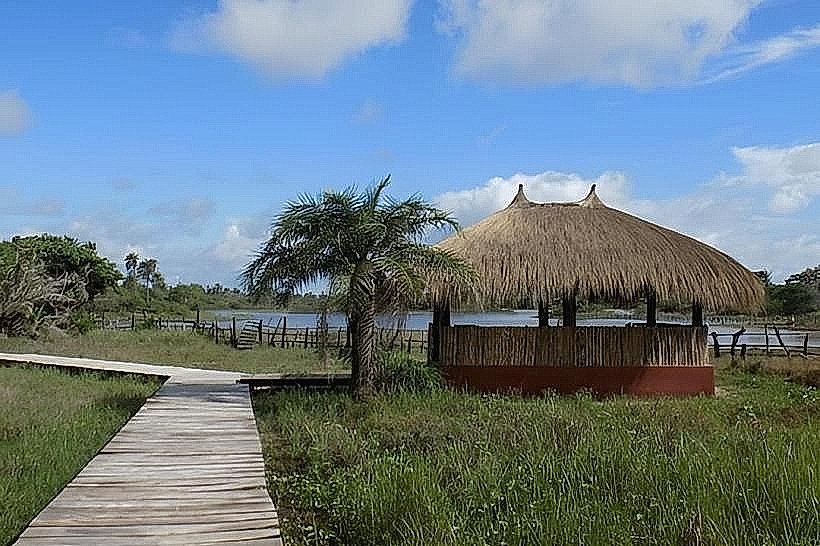
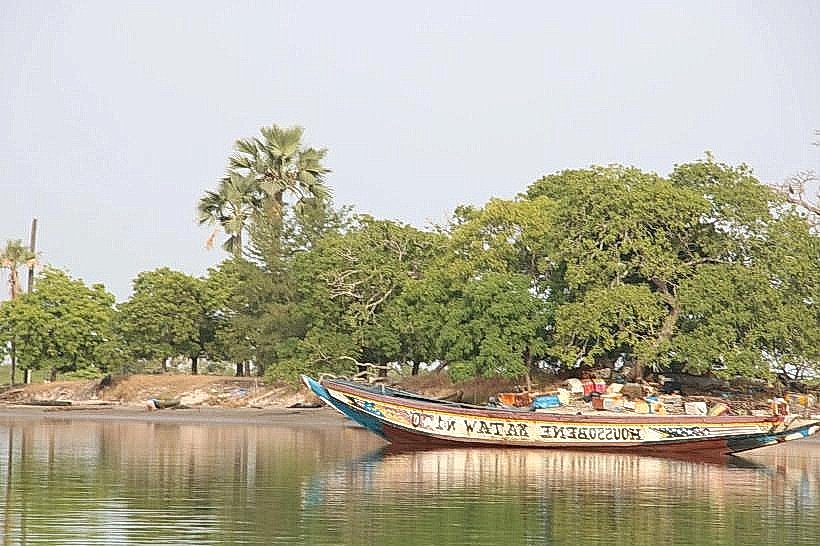
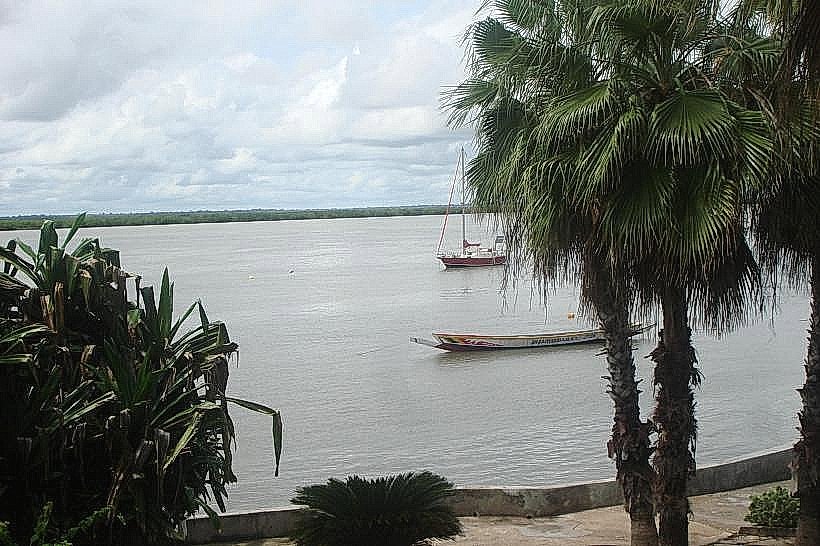
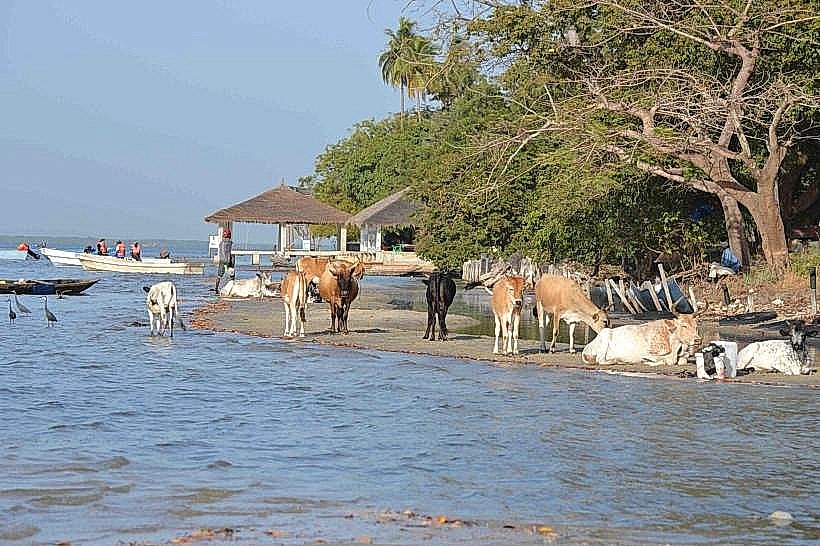
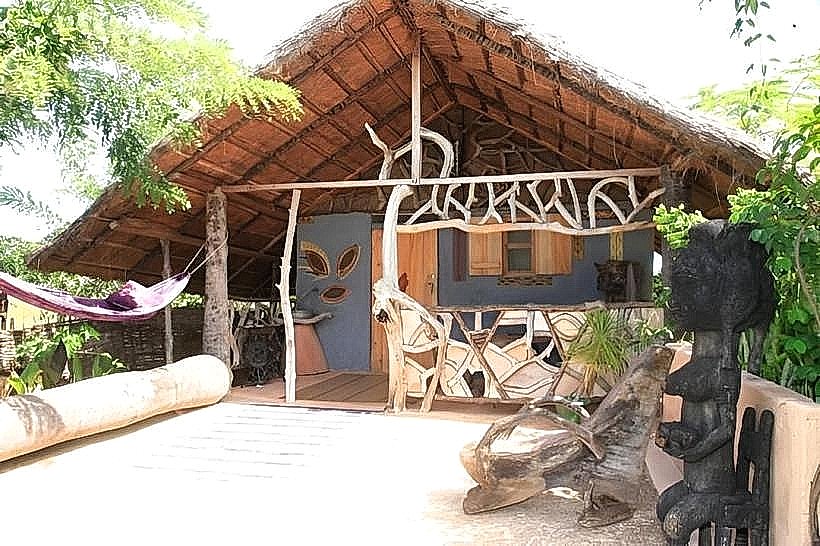
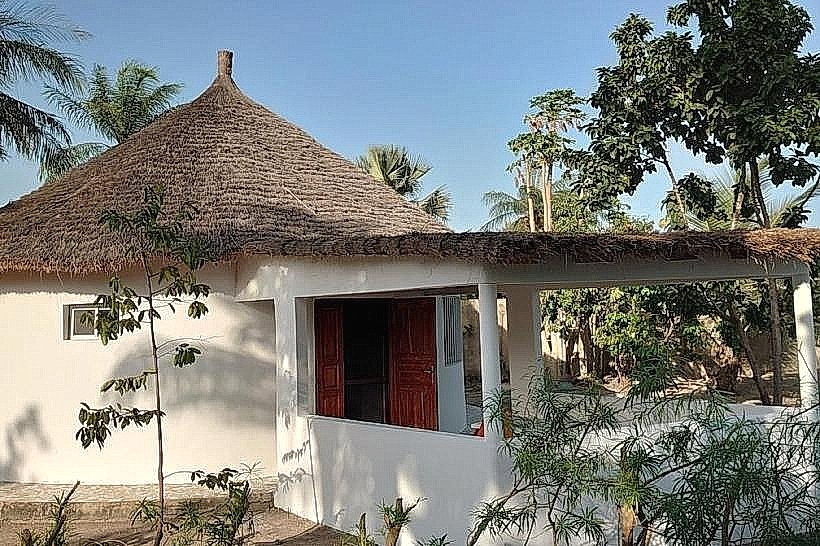
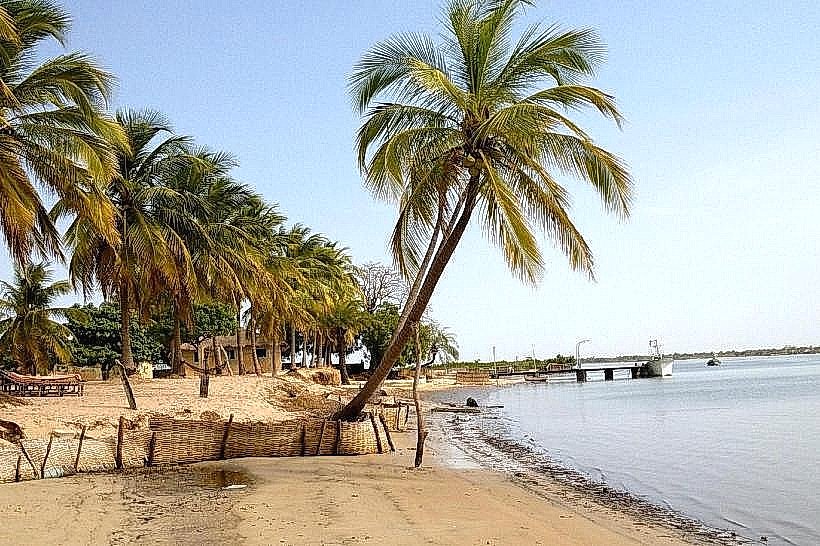
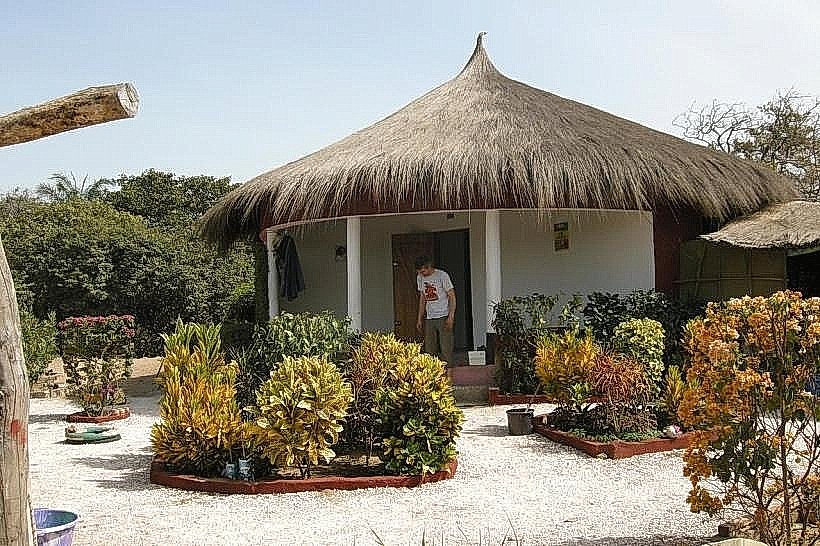
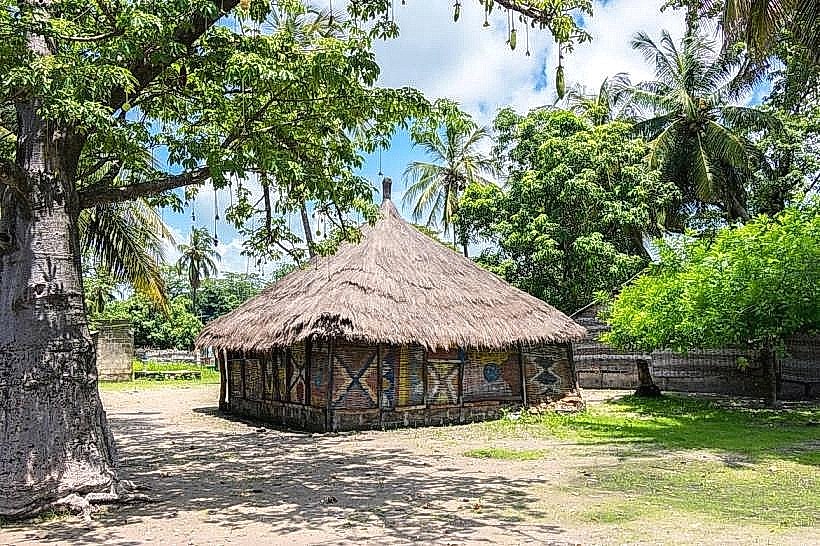
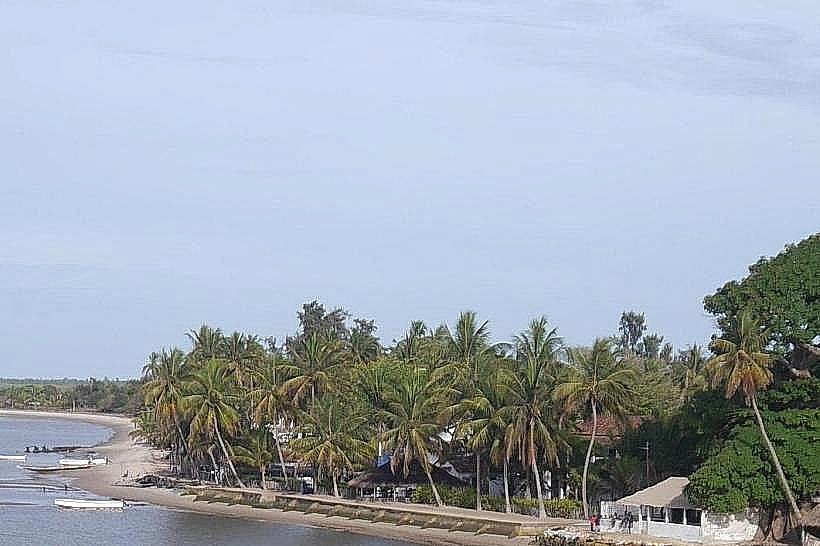
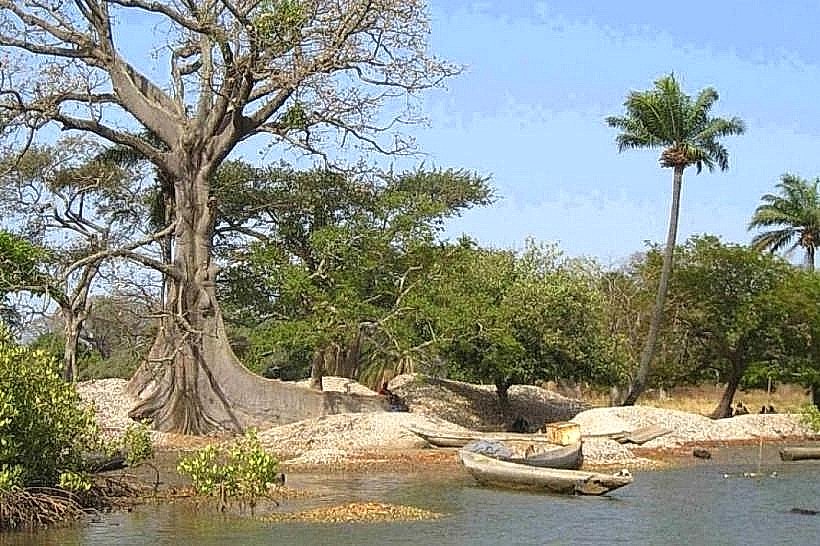
The island is characterized by a dense interior of oil palms, baobabs, and high-canopy tropical vegetation, surrounded by a perimeter of thick red and black mangroves. The shoreline consists of dark, silty mudflats that are exposed at low tide, while the interior features sandy clearings and traditional Jola-style structures with steeply pitched thatched roofs. The surrounding water is brackish and typically calm, protected from Atlantic swells by the outer delta islands.
Location & Access Logistics
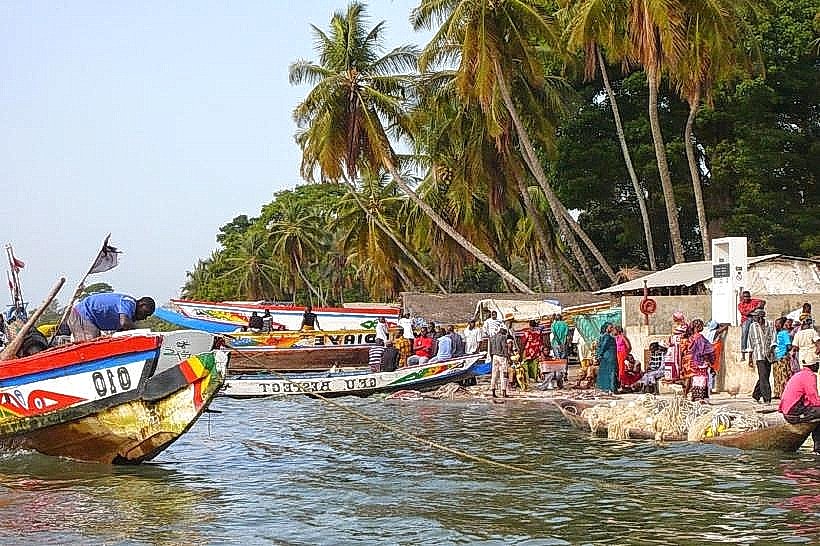
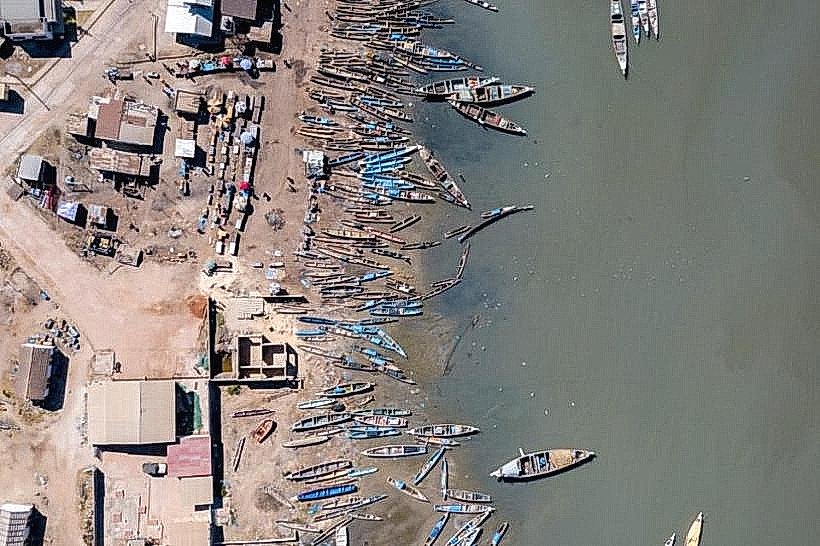
Access is primarily via motorized pirogue from the docks at Elinkine (approx. 30 minutes) or Point Saint-Georges (approx. 45 minutes). There are no roads or motorized vehicles on the island. Visitors typically arrive via pre-arranged transfers from local eco-lodges or by hiring private water taxis at the mainland hubs. The island is approximately 45km west of Ziguinchor.
Historical & Ecological Origin
Ecologically, Egueye is an alluvial island formed by the accumulation of river sediment and stabilized by the root systems of the Rhizophora mangle. Historically, it has served as a seasonal fishing camp and a sanctuary for local Jola communities during regional conflicts. The island operates as a model for community-based ecotourism, focusing on the preservation of the surrounding mangrove ecosystem.
Key Highlights & Activities
Kayaking through the narrow mangrove channels (bolongs) is the primary logistical activity, allowing for silent observation of the ecosystem. Birdwatching is highly productive, with sightings of kingfishers, herons, and ospreys common throughout the day. Guided walking tours of the island's interior focus on traditional medicinal plants and the local solar-powered infrastructure.
Infrastructure & Amenities
Infrastructure is limited to a single eco-lodge that provides solar-generated electricity and rainwater harvesting systems. There are no public restrooms, ATMs, or shops outside of the lodge facilities. 4G cell phone signal is intermittent and strongest on the northern side of the island facing the main river channel. Shade is abundant under the dense palm and baobab canopy.
Best Time to Visit
The dry season from December to May is optimal for transit and outdoor activities. High tide is necessary for kayaking into the smaller mangrove branches, while low tide is best for observing mudskippers and crabs on the banks. Photography is most effective during the "blue hour" just before sunrise when the water is perfectly still.
Facts & Legends
Local tradition holds that the island is a site of spiritual neutrality, where different Jola subgroups could meet safely. A specific "secret" tip is to visit the central baobab grove at dusk to observe the large colonies of fruit bats that depart the island nightly to forage on the mainland.
Nearby Landmarks
Point Saint-Georges (6.5km East)
Oussouye Royal Palace (9.0km South)
Carabane Island (12.0km West)
Elinkine Fishing Village (7.5km Southwest)