Landmark: Gisakura Tea Estate
City: Nyamasheke
Country: Rwanda
Continent: Africa
Gisakura Tea Estate, Nyamasheke, Rwanda, Africa
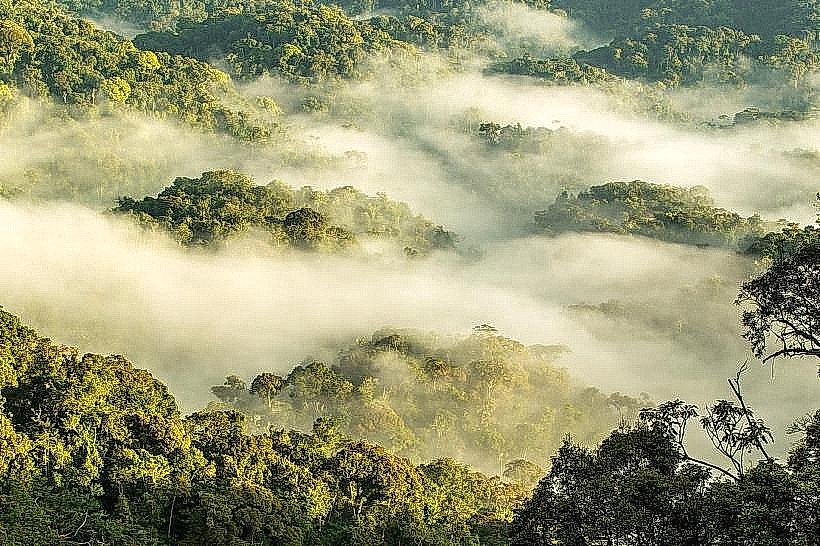
The Gisakura Tea Estate is one of Rwanda’s most visually prominent and oldest industrial agricultural sites, located on the western fringes of Nyungwe National Park in the Nyamasheke District. It serves as a critical economic engine for the region and a transition zone between the high-altitude rainforest and the Lake Kivu basin.
Visual Characteristics
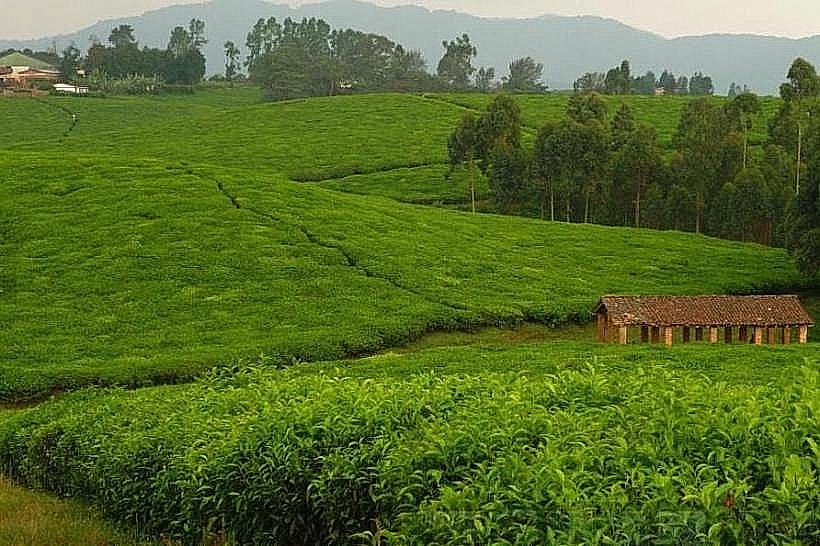
The estate is defined by vast, undulating carpets of bright green tea bushes that follow the steep contours of the Albertine Rift. The landscape is characterized by its meticulous geometric precision, with narrow footpaths cutting through the waist-high shrubs. The factory complex features large, functionalist industrial buildings with silver corrugated roofing, often surrounded by a light mist and the scent of drying tea leaves.
Location & Access Logistics
The estate is situated directly along the RN6 highway, approximately 22km west of the Uwinka Visitor Center and 35km east of Rusizi (Cyangugu). Access is via paved roads that wind through the forest and tea fields. The Gisakura Guest House and the One&Only Nyungwe House are located within the estate’s perimeter. Visitors can reach the factory and plantation by private vehicle or public bus traveling between Huye and Rusizi.
Historical & Ecological Origin
Tea production in Gisakura began in the mid-20th century, utilizing the region’s acidic, volcanic soils and high annual rainfall (over 2,000mm). Geologically, the estate sits on the western slopes of the Nile-Congo crest. The plantation serves as a vital ecological buffer zone, preventing human encroachment into the primary rainforest of Nyungwe while providing a habitat for forest-edge species.
Key Highlights & Activities
Crop-to-Cup Tours: Guided walks through the plantation where visitors can observe the "two leaves and a bud" harvesting technique used by local pickers.
Factory Processing: Technical tours of the Gisakura Tea Factory to see the withering, rolling, fermentation, and drying stages of black tea production.
Tea Tasting: Sessions held at the factory or nearby lodges to sample various grades of high-quality Rwandan orthodox and CTC (Crush, Tear, Curl) teas.
Primate Watching: The estate is famous for a resident troop of Colobus monkeys that frequently forage in the indigenous trees scattered among the tea bushes.
Infrastructure & Amenities
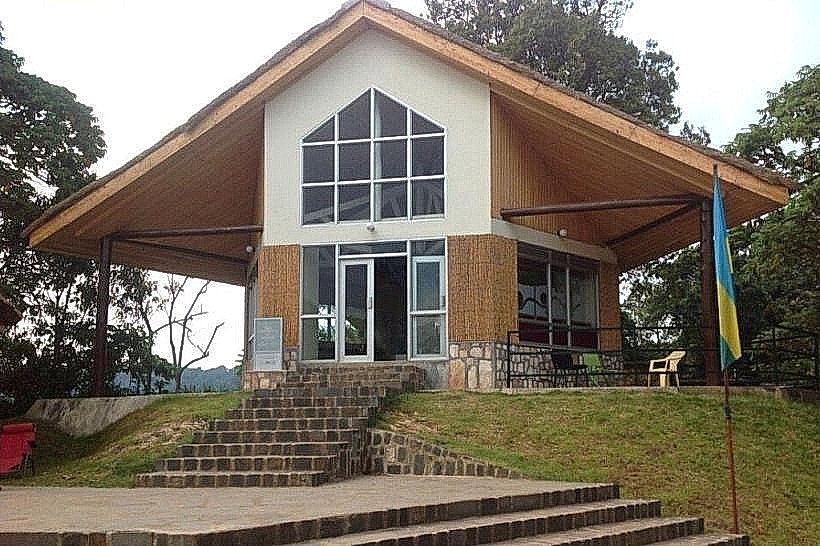
The area features a dedicated tea factory, several administrative offices, and a weigh-in station for local farmers. Hospitality infrastructure is highly developed, ranging from the budget-friendly Gisakura Guest House to the ultra-luxury One&Only Nyungwe House. 4G cellular signal is stable due to the presence of regional communication towers. Public restrooms and basic shops are located in the adjacent Gisakura trading center.
Best Time to Visit
The estate is active year-round, but the best time for photography is during the early morning (06:30–08:30) when the pickers are most active and the low sun highlights the texture of the tea ridges. Factory tours are typically most informative during the peak harvest months of the rainy seasons (March–May and October–November), when the volume of processed leaf is at its highest.
Facts & Legends
Gisaka tea is globally recognized for its high fluoride content and distinct flavor, often winning international awards at the Mombasa Tea Auction. A specific tip for visitors: while the tea bushes look like a uniform lawn, they are actually individual trees pruned to stay small; walking through them requires staying on the designated "pluckers' paths" to avoid damaging the root systems and the volcanic topsoil.
Nearby Landmarks
Nyungwe House (One&Only) – 0.5km (Within Estate)
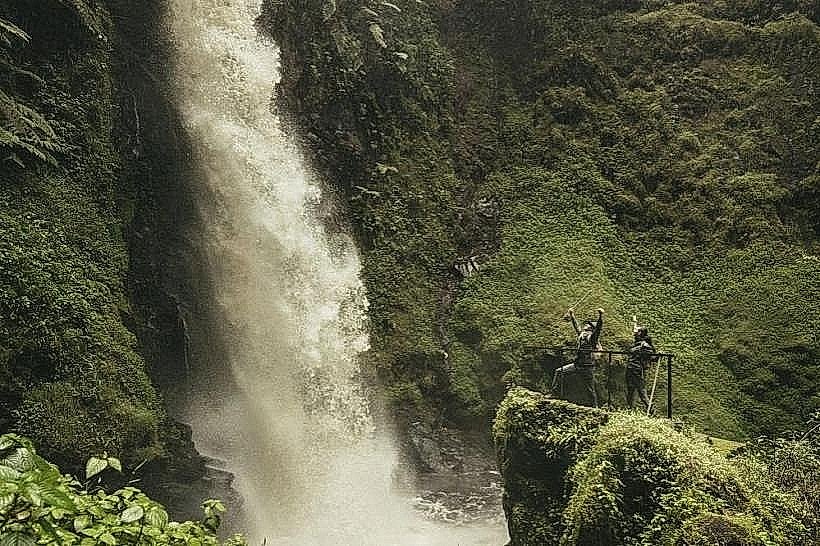
Isumo Waterfall Trailhead – 1.0km East
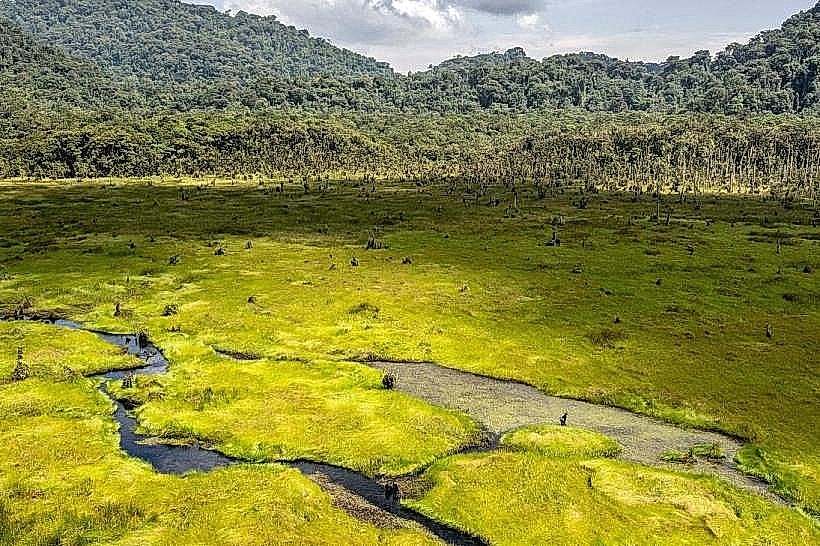
Kamiranzovu Swamp – 12km East
Uwinka Visitor Center – 22km East
Lake Kivu (Cyimbiri Bay) – 15km West