Landmark: Isumo Waterfall
City: Nyamasheke
Country: Rwanda
Continent: Africa
Isumo Waterfall, Nyamasheke, Rwanda, Africa
Isumo Waterfall, also known as the "Large Waterfall" of Nyungwe, is a premier hydrological landmark located in the Nyungwe National Park within the Nyamasheke District. It is the most significant vertical drop in the park’s western drainage system, feeding into the Lake Kivu basin.
Visual Characteristics
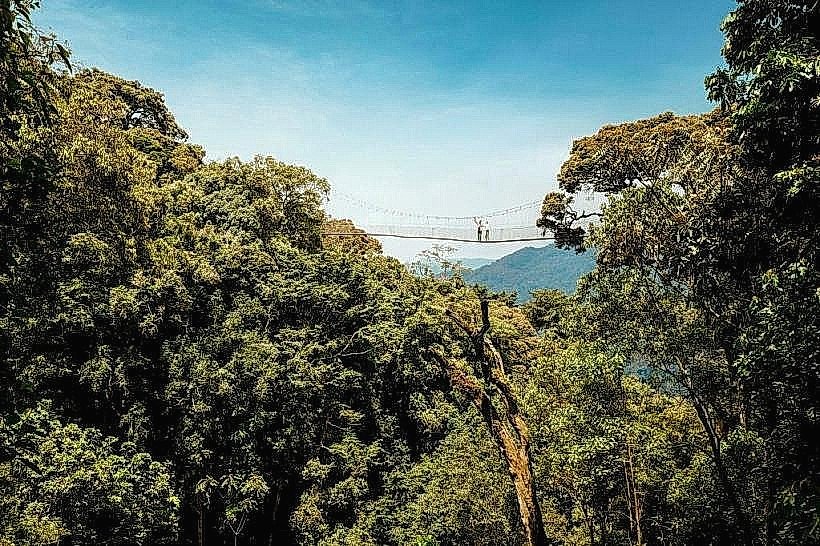
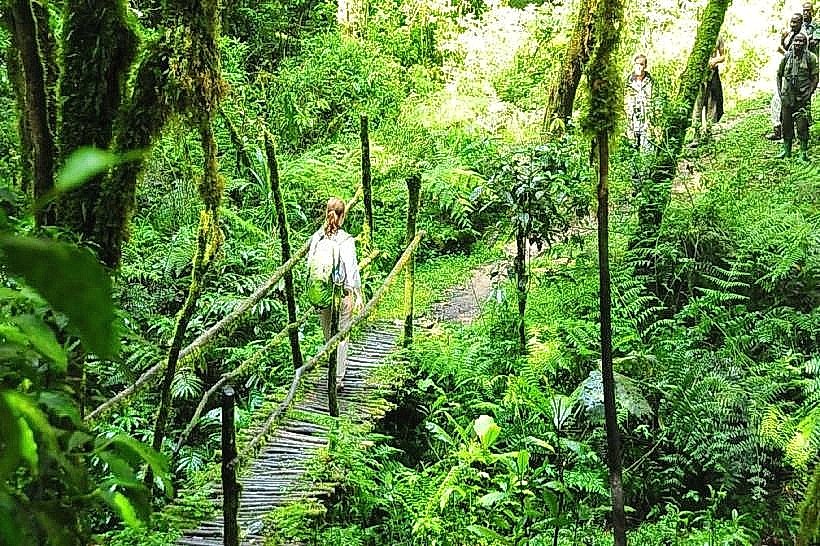
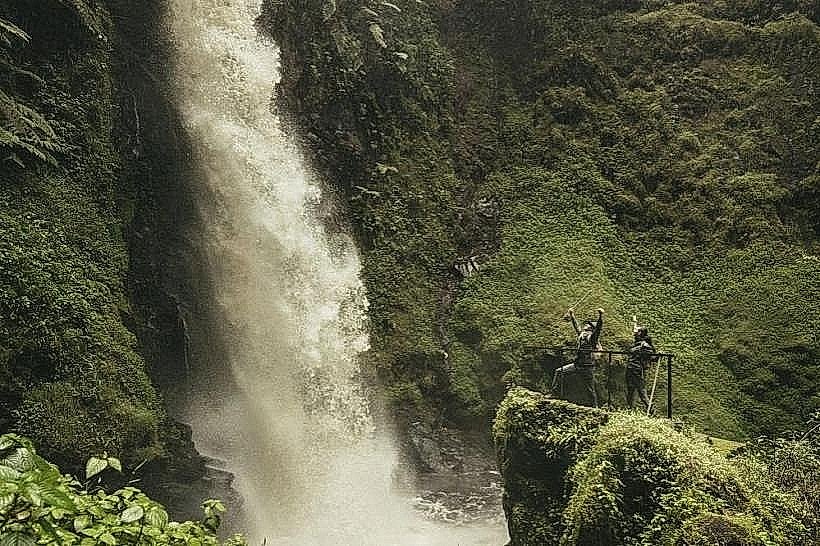
The waterfall is defined by a powerful 17-meter vertical drop that plunges into a deep, mist-filled rocky amphitheater. The surrounding environment is characterized by a "prehistoric" aesthetic, featuring massive tree ferns, moss-covered granite cliffs, and dense stands of wild begonias. The water typically maintains a high-velocity flow year-round, creating a persistent cooling mist and a distinct acoustic roar that can be heard from several hundred meters away on the access trail.
Location & Access Logistics
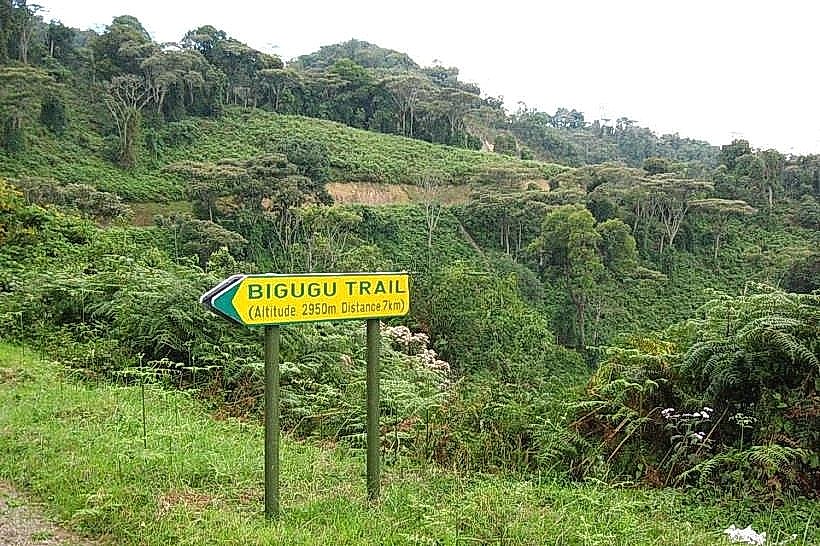
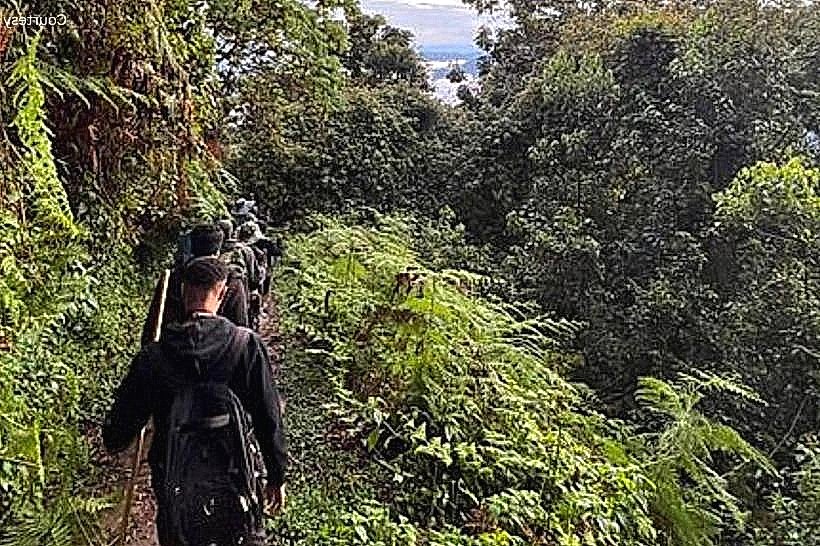
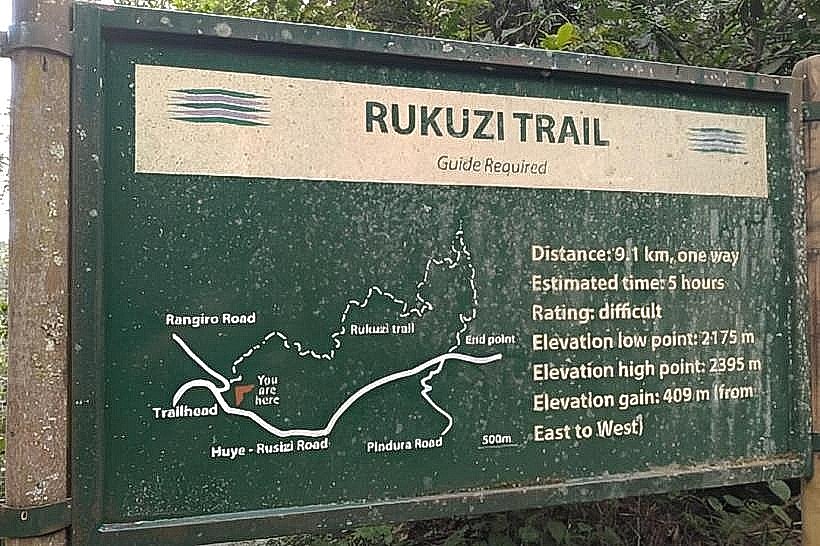
The trailhead is located near the Gisakura Guest House and the One&Only Nyungwe House, approximately 22km west of the Uwinka Visitor Center. Access is via the RN6 highway. Reaching the falls requires a 10.6km round-trip hike on the Isumo Trail, which is classified as moderately strenuous due to steep, narrow sections and the frequent presence of mud. The excursion typically takes 3 to 4 hours. A professional park guide is mandatory and must be booked at the Gisakura reception office.
Historical & Ecological Origin
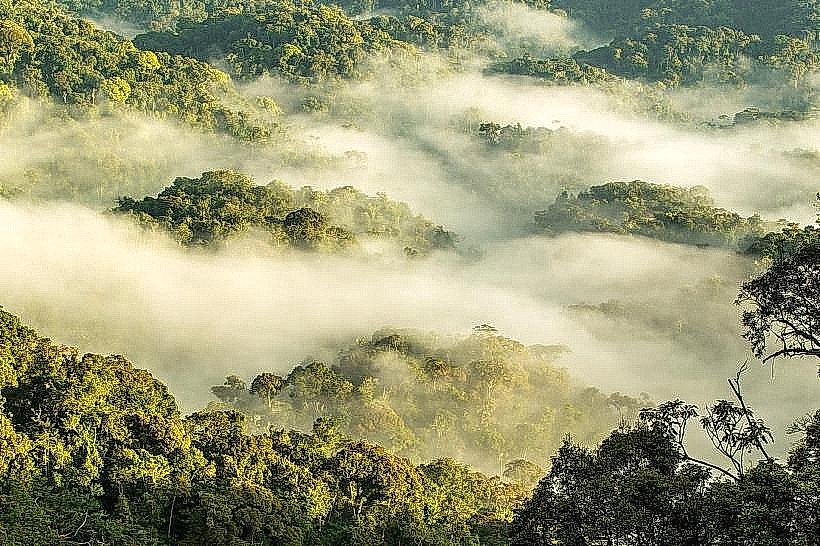
Geologically, the falls are formed by a resistant metamorphic rock ledge that has withstood the erosive force of the Isumo River. The site is situated within one of the oldest Afro-montane rainforests in Africa, which served as a biological refugium during the last Pleistocene ice age. The high humidity in the waterfall’s microclimate supports rare epiphytes and a high density of the Ruwenzoi Turaco and other Albertine Rift endemic bird species.
Key Highlights & Activities
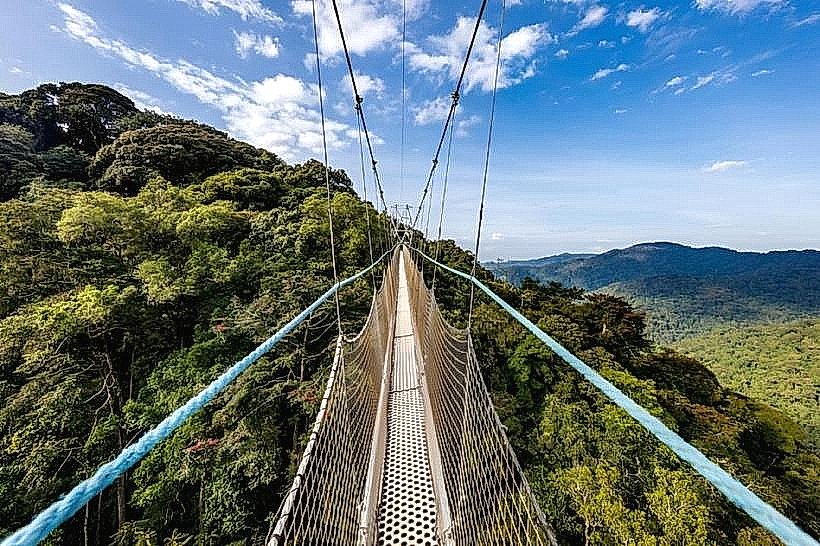
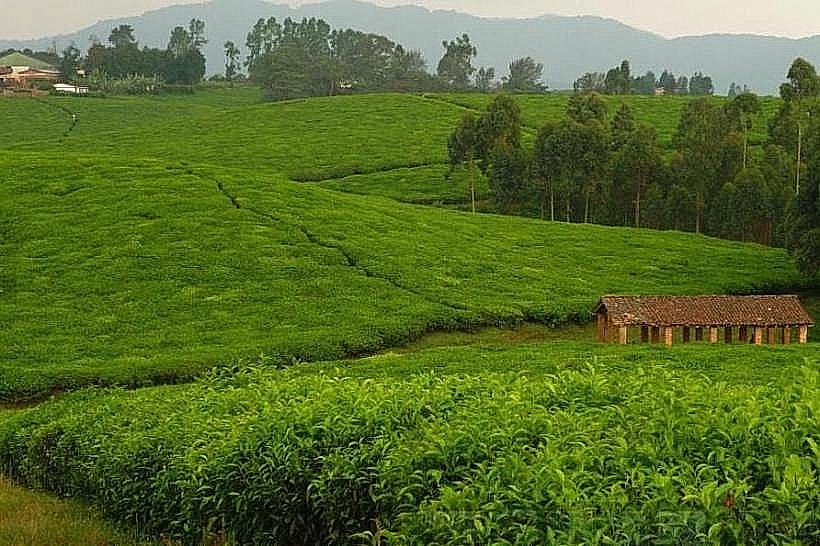
Deep Ravine Trekking: The trail descends through tea plantations before entering the primary rainforest, providing a transition from agricultural to wilderness landscapes.
Primate Sightings: The dense canopy along the Isumo River is a frequent habitat for Black-and-white colobus monkeys and L'Hoest's monkeys.
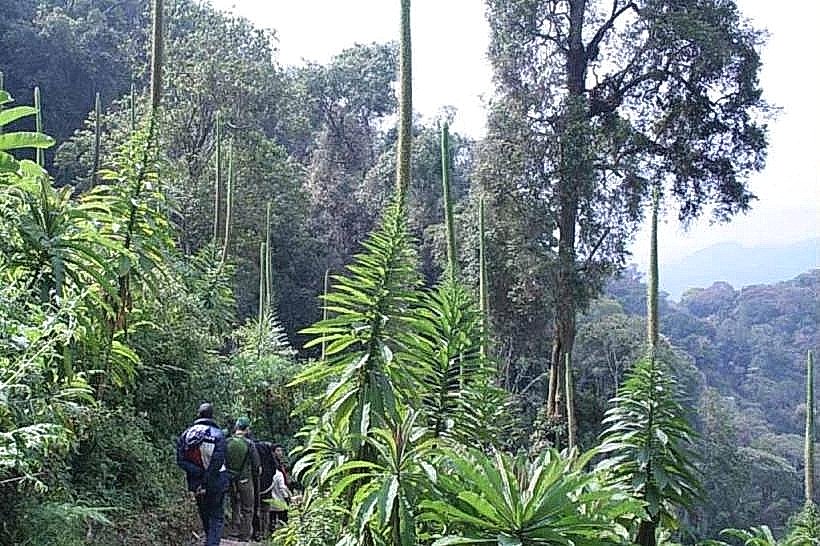
Botanical Observation: The humid base of the falls is one of the best locations in the park to observe giant lobelias and rare orchids.
Photography: A designated wooden viewing platform provides a stabilized vantage point for capturing the full vertical span of the falls and the rising mist.
Infrastructure & Amenities
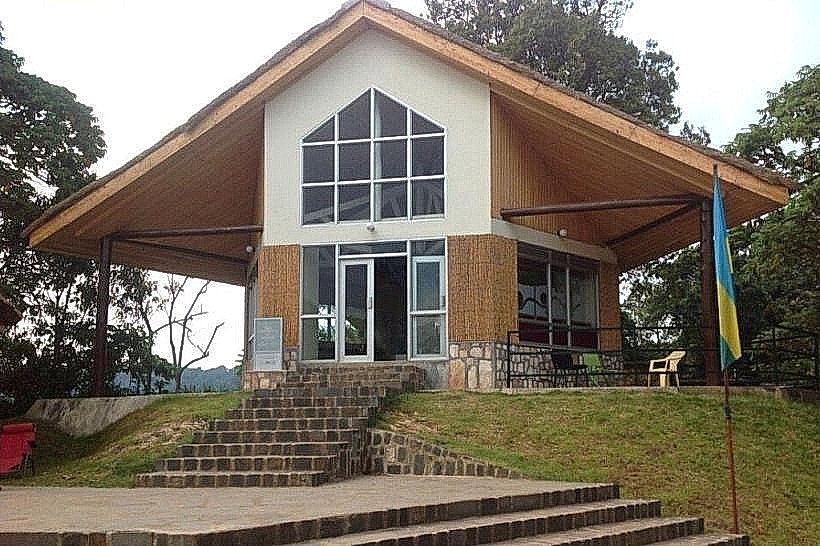
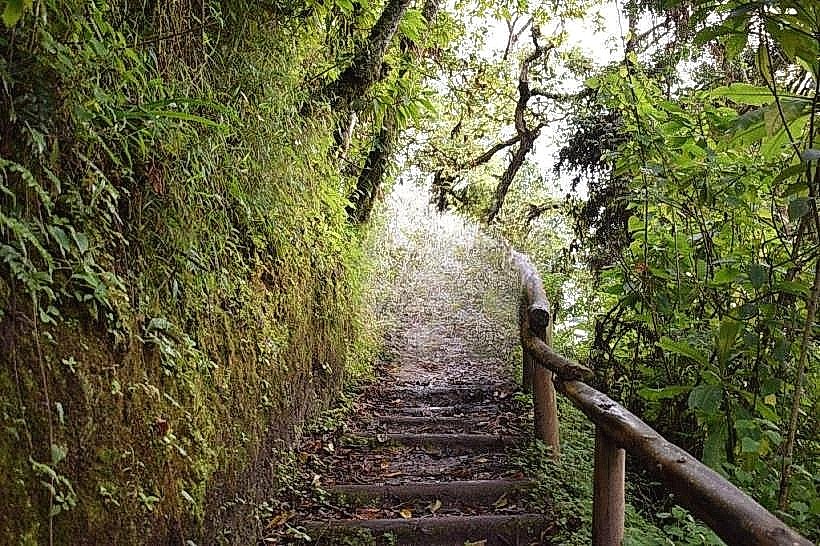
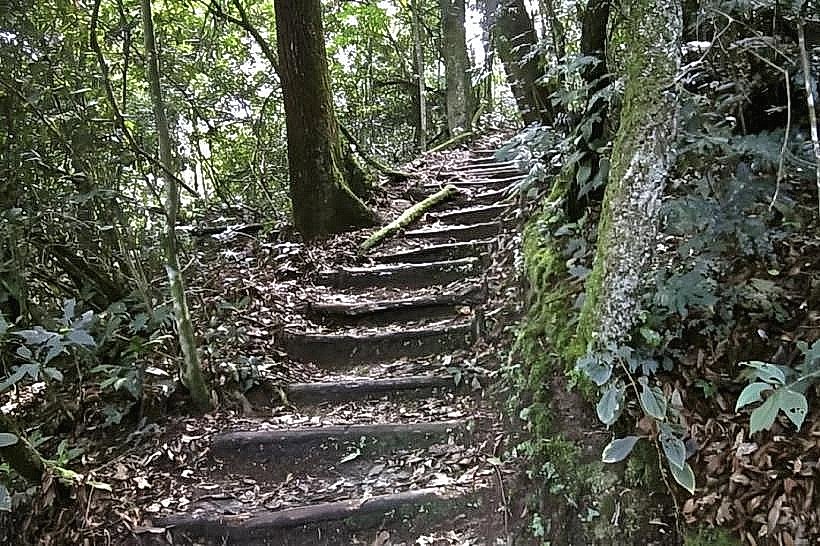
Infrastructure is minimal to preserve the wilderness character. The trail features carved earthen steps and occasional wooden handrails in the steepest sections. A small wooden observation deck is located at the primary viewpoint. There are no restrooms or shelters along the trail; facilities are restricted to the Gisakura office at the trailhead. 4G cellular signal is available at the start of the hike but drops significantly as the trail descends into the ravine.
Best Time to Visit
The falls are most spectacular during the rainy seasons (March–May and October–November) when the water volume is at its peak. However, the dry seasons (June–August) offer the safest and least muddy hiking conditions. The 08:00 and 09:00 departure slots are optimal to avoid afternoon rain and to see the sunlight piercing the forest canopy at the base of the falls.
Facts & Legends
Local tradition holds that the constant mist of Isumo was used by ancient forest dwellers to hide their movements from tracking parties. A specific tip for visitors: the trail involves crossing several small streams and navigating very slippery clay sections; waterproof hiking boots with deep lugs and a provided walking stick are essential for safety.
Nearby Landmarks
Gisakura Tea Estate – 1.5km (Trailhead)
Nyungwe House (One&Only) – 2.0km West
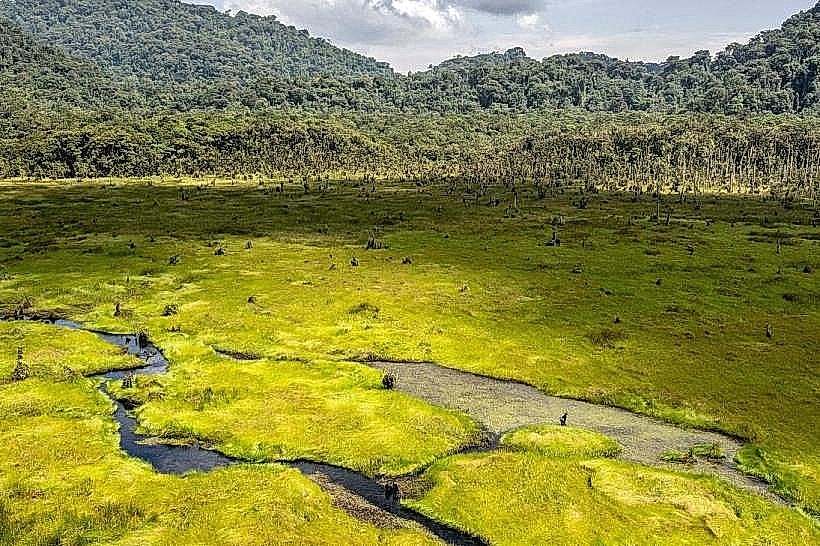
Kamiranzovu Swamp – 12km East
Lake Kivu (Cyimbiri Bay) – 18km West
Uwinka Visitor Center – 22km East