Landmark: Wadi Hanna Baobab Trees
City: Salalah
Country: Oman
Continent: Asia
Wadi Hanna Baobab Trees, Salalah, Oman, Asia
Wadi Hanna is a localized valley within the Jabal Samhan range known for hosting a significant concentration of ancient baobab trees. The site is situated approximately 35 kilometers northeast of Salalah, positioned on the plateau above the Wadi Darbat area.
Visual Characteristics
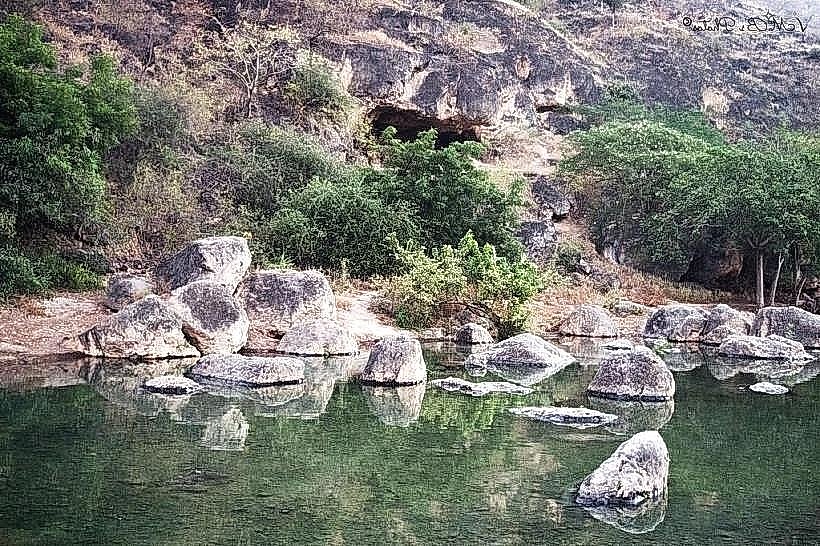
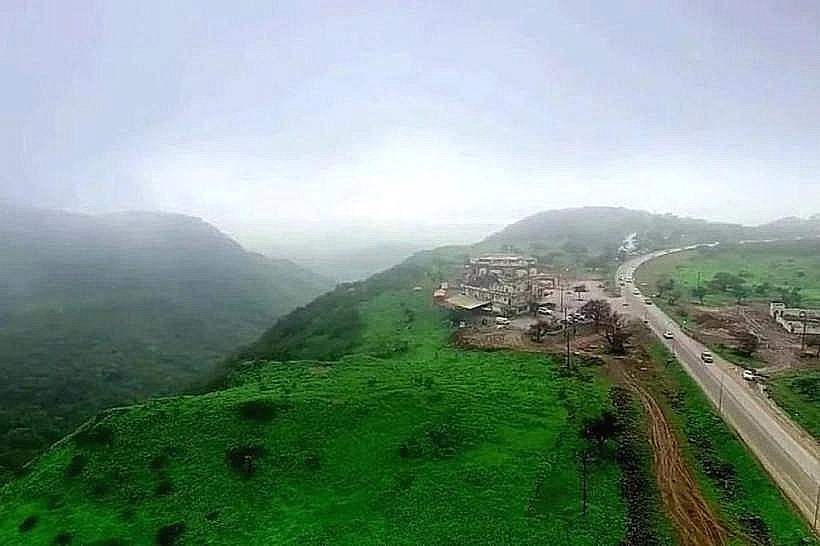
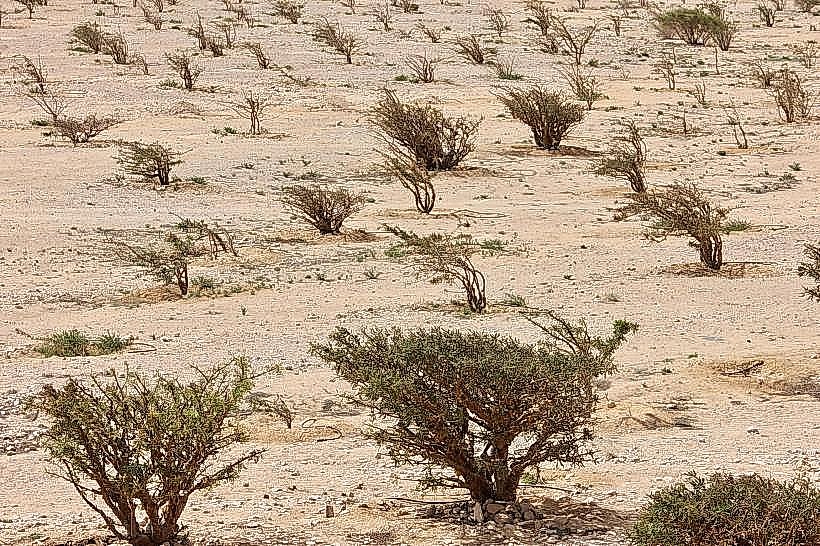
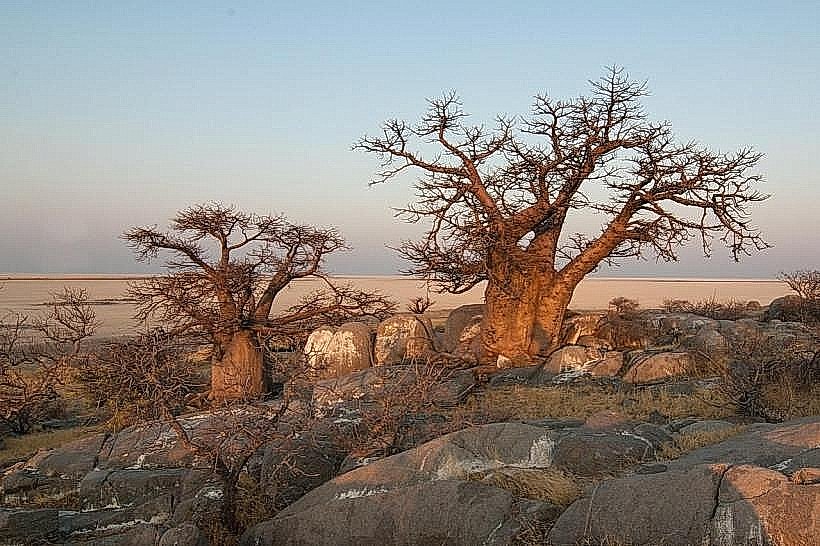
The landmark is defined by several dozen Adansonia digitata (baobab) trees, which feature massive, barrel-shaped trunks and thin, root-like branches. The bark is smooth and greyish-brown, with some specimens reaching diameters exceeding 5 meters. During the dry season, the trees are deciduous and bare, while the monsoon season brings dense green foliage and large, hanging white flowers. The surrounding terrain consists of jagged limestone rocks and dry scrubland, which turns into a lush, tropical environment during the summer months.
Location & Access Logistics
Access is via the Salalah-Mirbat Road (Route 49), turning inland toward the Tawi Attair plateau. A secondary paved road leads toward the Baobab forest area, followed by a short stretch of graded gravel track. The drive from Salalah takes approximately 45 to 55 minutes. There is no formal parking lot, but a wide gravel clearing at the end of the track serves as a staging area. No public transportation reaches this specific site; visitors require a private vehicle or a 4WD for the final approach.
Historical & Ecological Origin
These trees represent a botanical disjunction, as the species is primarily native to the African savannah. Geologically, the wadi sits on an Eocene limestone foundation. Ecologically, the trees thrive due to the specific microclimate of the Dhofar mountains, which receive moisture from the Khareef mist. Historically, the baobabs are believed to be remnants of a natural migration or ancient trade links between the Horn of Africa and the Arabian Peninsula, though some specimens are estimated to be over 200 years old.
Key Highlights & Activities
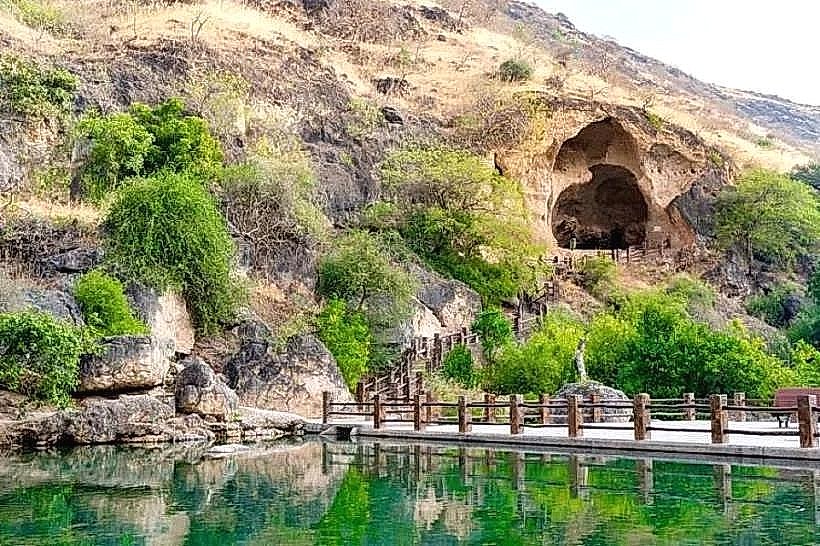
The primary activity is walking among the ancient trees to observe their unique structural morphology and bark textures. It is a specific destination for botanical photography and birdwatching, as the hollowed trunks and branches provide nesting sites for local species. Visitors can also explore the surrounding limestone caves and rock shelters located within the immediate vicinity of the wadi floor.
Infrastructure & Amenities
The site is entirely undeveloped and lacks formal infrastructure. There are no restrooms, shaded structures, or food vendors on-site. Visitors must bring their own water and supplies from Salalah or the nearby town of Tawi Attair. Cell phone signal (4G) is generally available but can be intermittent in the deeper sections of the wadi.
Best Time to Visit
The best time for lush scenery is during the Khareef (June to September) and the immediate post-monsoon weeks when the trees are in full leaf. For photography, the winter months (October to April) offer better visibility and clear blue skies, allowing for high-contrast shots of the massive grey trunks. Early morning provides the most favorable lighting to capture the scale of the trees against the mountain backdrop.
Facts & Legends
A specific local oddity is that the Wadi Hanna baobabs are among the few wild-growing populations of this species outside of the African continent. Local lore suggests the trees were originally brought by travelers who used the large, hollow trunks as natural storage vessels for water and supplies. A tip for visitors is to look for the "twin" baobab trees that have grown so closely together that their trunks appear to be fused into a single massive entity.
Nearby Landmarks
Anti-Gravity Point (5km Southwest)
Tawi Attair Sinkhole (8km Northeast)
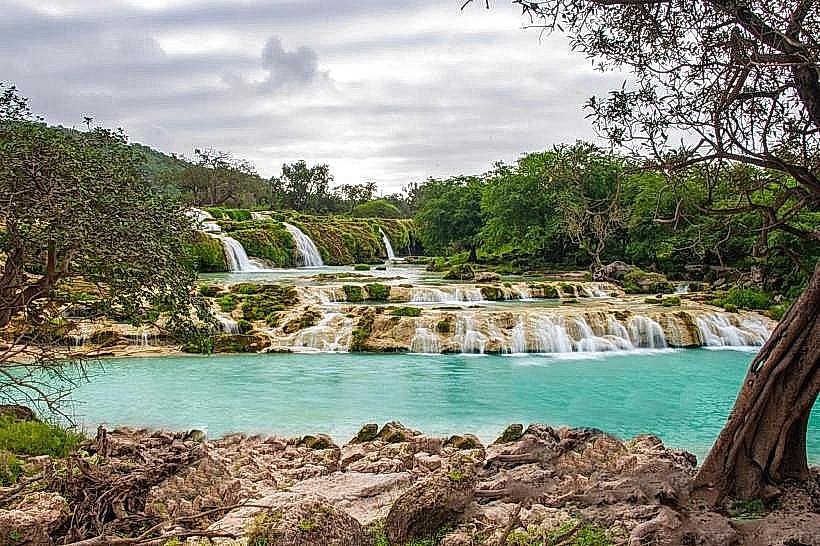
Wadi Darbat Waterfalls (12km Southwest)
Taiq Sinkhole (18km Northeast)