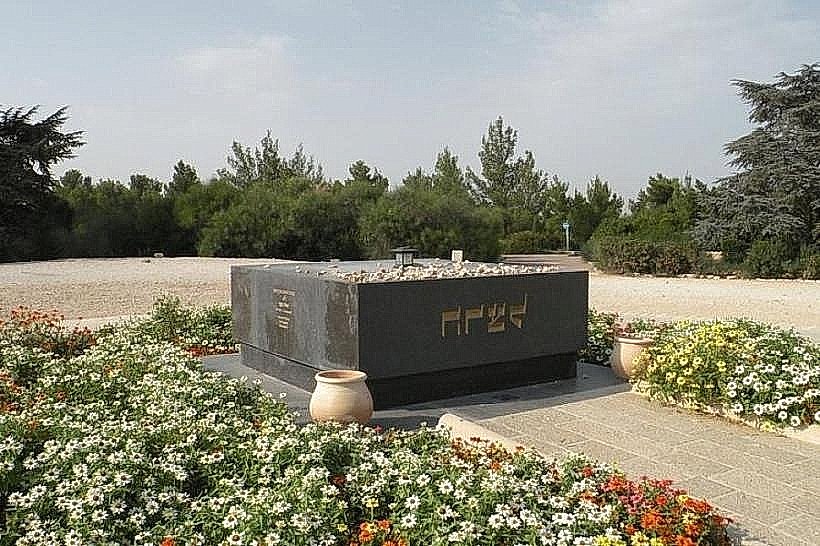
Landmark: Mount Herzl
City: Jerusalem
Country: Israel
Continent: Asia
Mount Herzl, Jerusalem, Israel, Asia
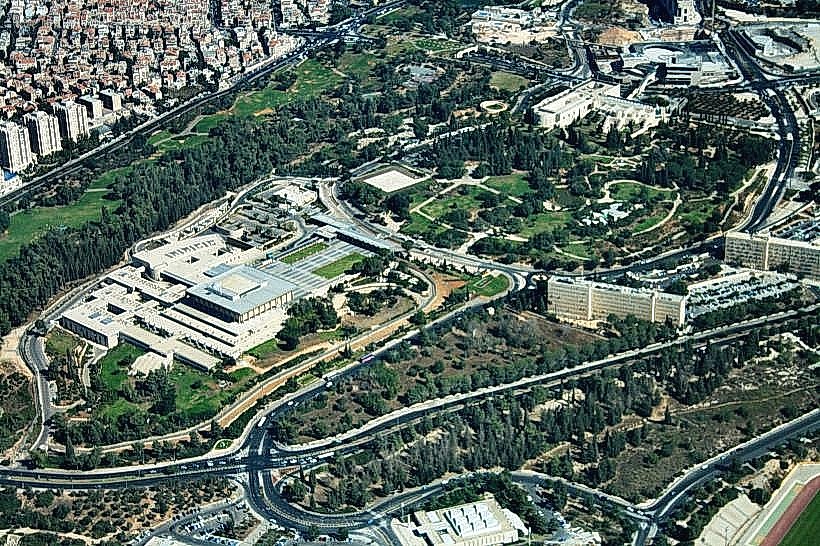
Mount Herzl is a 804-meter peak in West Jerusalem that serves as Israel's national cemetery and primary site of state commemoration. The ridge encompasses the burial plots of the nation's military fallen, political leaders, and the Yad Vashem Holocaust memorial complex.
Visual Characteristics
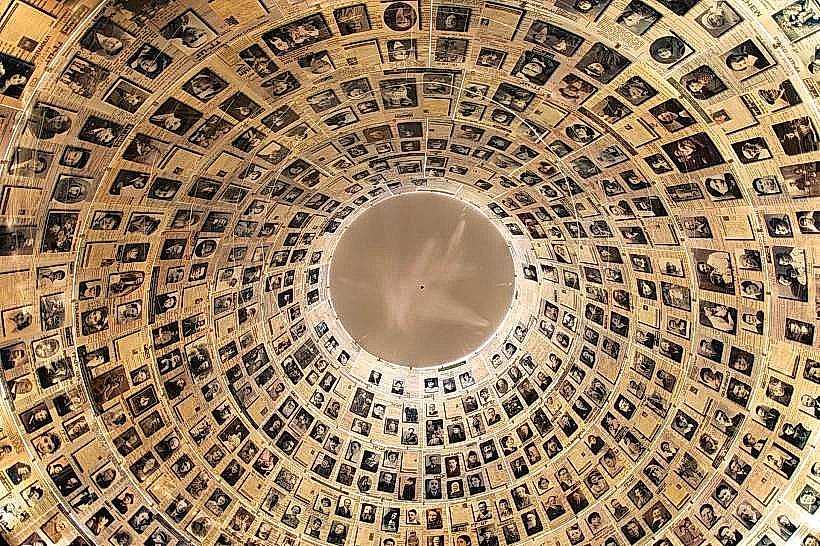
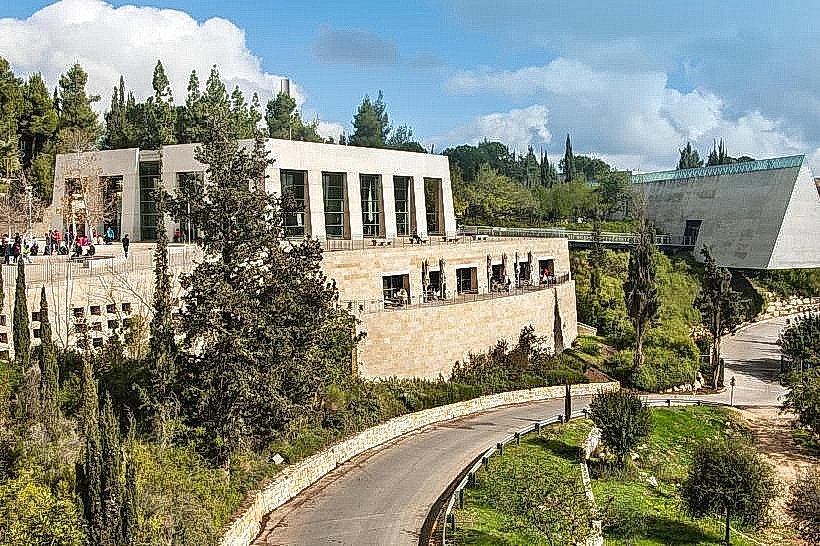
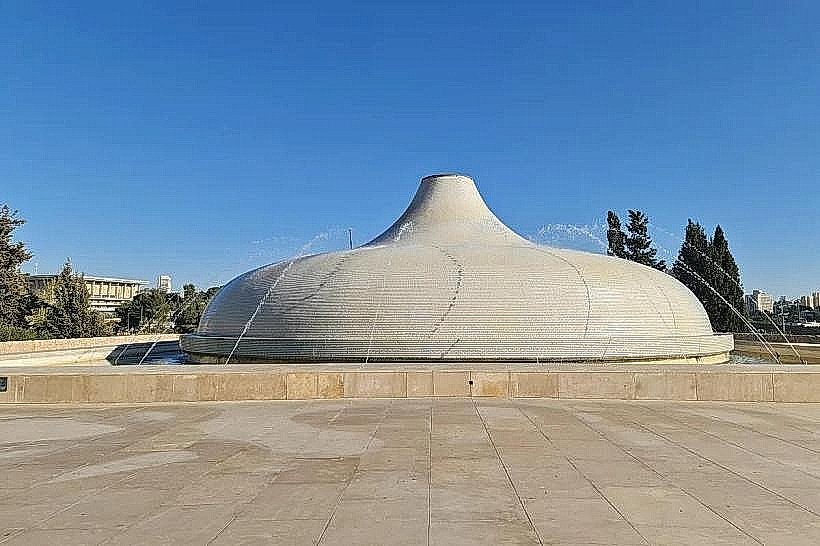
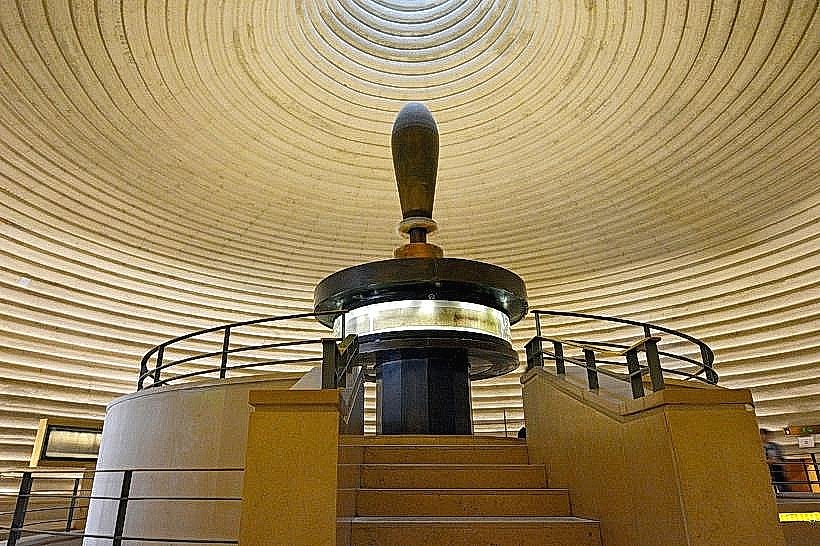
The landscape is defined by terraced limestone slopes and dense groves of hand-planted pine and cypress trees. Architecture on the mount is primarily Modernist, utilizing polished Jerusalem stone, raw concrete, and dark granite. Key structures include the National Memorial Hall, which features a spiraling interior made of thousands of memorial bricks, and the expansive paved ceremonial plaza at the summit.
Location & Access Logistics
The site is situated at the western end of Herzl Boulevard. Access is via the Jerusalem Light Rail (Red Line), which terminates at the Mount Herzl station directly adjacent to the entrance. Egged bus lines 10, 16, 20, 26, and 27 serve the transit hub at the foot of the mountain. Private vehicle parking is available in a multi-level lot at the Yad Vashem entrance, with limited short-term parking near the Herzl Museum.
Historical & Ecological Origin
Designated as the national cemetery in 1949, the mountain is named for Theodor Herzl, the visionary of the modern Jewish state, whose remains were reinterred at the summit that same year. Geologically, the mountain is part of the Judean range, composed of Cenonian limestone. The forestation is an artificial ecological zone established by the Jewish National Fund in the mid-20th century.
Key Highlights & Activities
Visitors can walk the path through the "Great Leaders of the Nation" plot, containing the graves of Prime Ministers and Presidents. The National Memorial Hall for Israel’s Fallen allows for the viewing of the "Wall of Names" honoring every fallen soldier. A dedicated pedestrian path connects the military cemetery directly to the Yad Vashem Holocaust History Museum.
Infrastructure & Amenities
A visitor center at the main gate houses restrooms, a cafeteria, and the Herzl Museum. The grounds feature paved, accessible walkways with stone benches and extensive shade provided by the pine canopy. High-speed 4G/5G cell signal is reliable across the ridge. Security personnel are stationed at the main entrance and throughout the ceremonial areas.
Best Time to Visit
Mornings between 08:30 and 11:00 offer the most direct lighting for photography and a quieter atmosphere. The site is open Sunday through Thursday from 08:00 to 17:00 and Fridays until 13:00; it is closed on Saturdays and major Jewish holidays. Spring (March to May) provides the most temperate conditions for traversing the steep terraced paths.
Facts & Legends
The central ceremonial plaza is the site of the annual national Independence Day ceremony, where twelve torches are lit to symbolize the twelve tribes of Israel, marking the exact moment the country transitions from Remembrance Day to Independence Day.
Nearby Landmarks
Yad Vashem (0.3km West)
Herzl Museum (0.1km East)
Jerusalem Forest (0.2km South)
Ein Karem Village (1.5km Southwest)
Givat Ram (3.2km East)