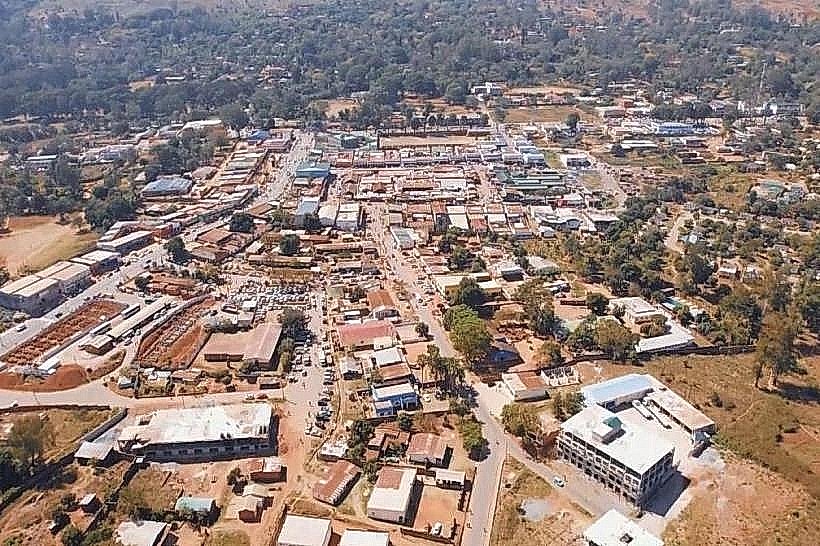
City: Zomba
Country: Malawi
Continent: Africa
Zomba, Malawi, Africa
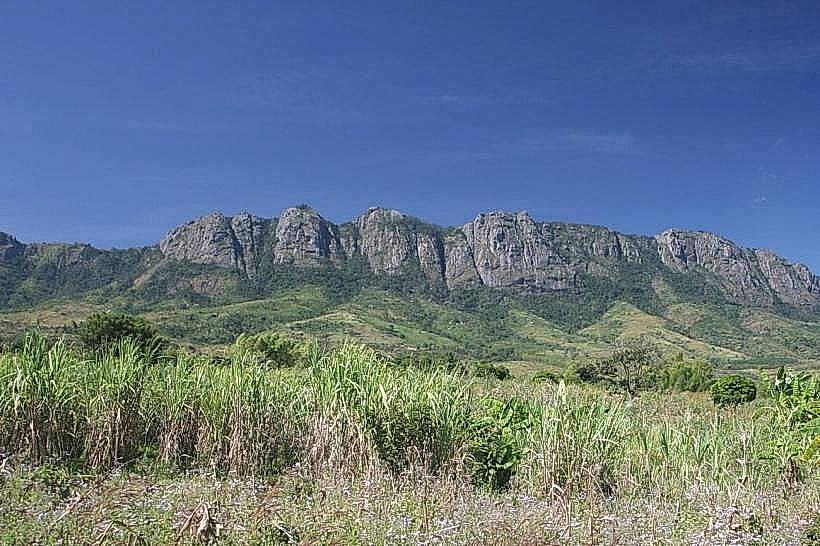
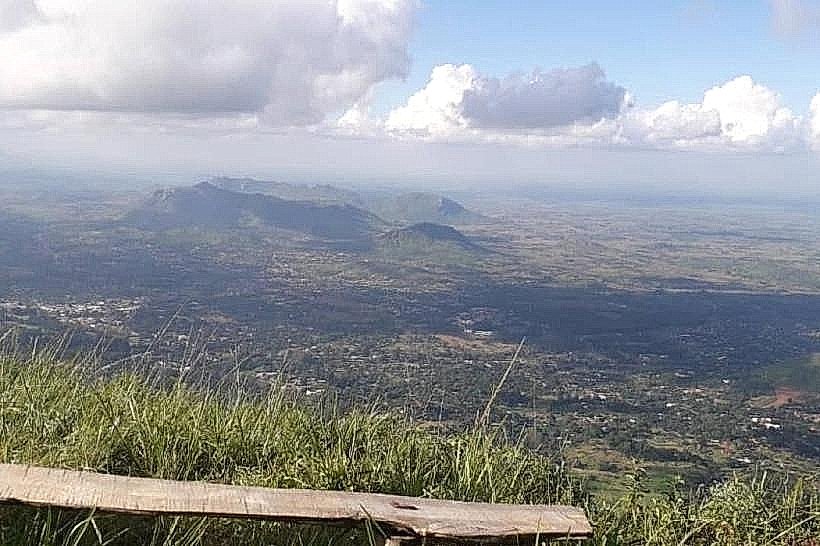
Zomba served as the first capital city of Malawi from the establishment of British colonial rule until the official relocation of the government seat to Lilongwe in 1975. The city is positioned at the base of the eastern slopes of the Zomba Plateau in the Shire Highlands, sitting at an average elevation of 950 meters.
Historical Timeline
Zomba was established as a primary administrative and military outpost by British colonial forces in 1885 and became the capital of the British Central Africa Protectorate, and later Nyasaland, in 1891. The town retained its capital status through national independence in 1964. The most significant structural and political transformation occurred between 1975 and 1994; while the executive and administrative branches relocated to Lilongwe in 1975, the national parliament remained in Zomba until 1994. The primary event that shaped the current urban form was its development as a low-density colonial administrative garden city, a layout preserved by its subsequent transition into Malawi’s primary university center.
Demographics & Population
The population within the official Zomba city limits is estimated at 105000, while the immediate urban agglomeration reaches approximately 130000 residents. The top three ethnic demographics are the Yao, Chewa, and Lomwe, with the Yao holding a significant presence in the broader district. The median age of the population is 19.2 years, heavily influenced by the large student population enrolled at the University of Malawi.
Urban Layout & Key Districts
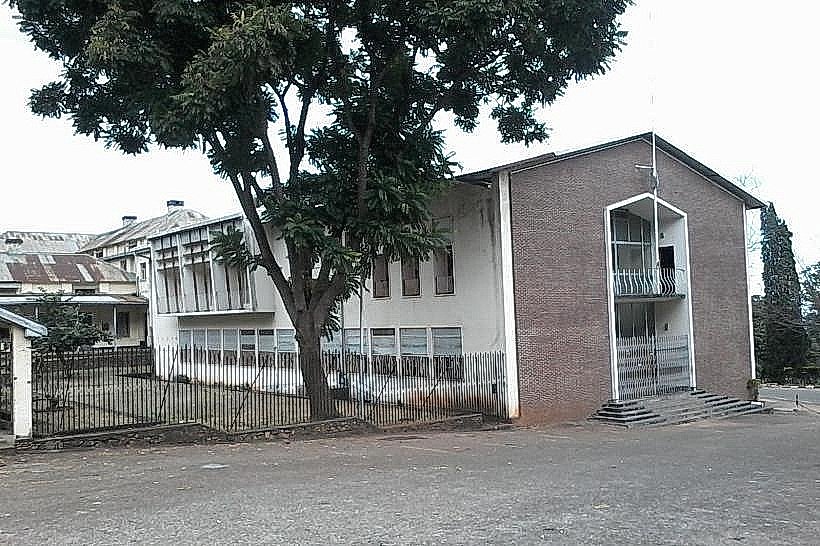
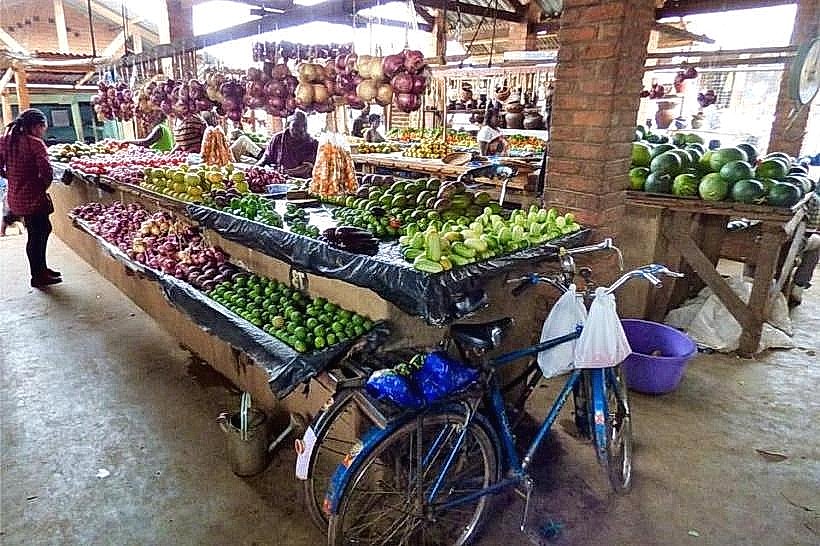
The urban layout is structured linearly along the M1 highway and clustered at the foot of the plateau. The Central Business District handles commercial retail, local markets, and transit infrastructure. The Government and University District, situated to the north and northeast of the commercial center, contains the historic parliament buildings, administrative offices, and the sprawling Chancellor College campus. The residential sectors of Naisi and Mulunguzi extend up the lower slopes of the plateau, acting as high-income and administrative residential zones.
Top City Landmarks
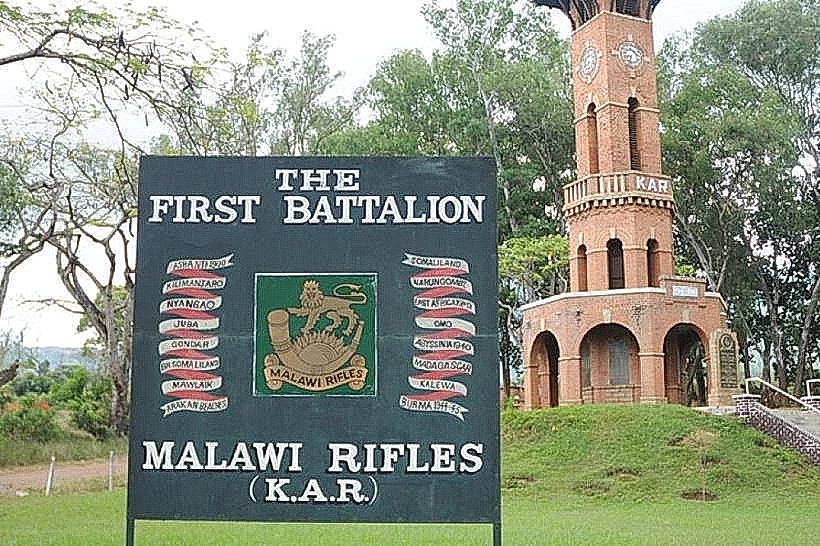
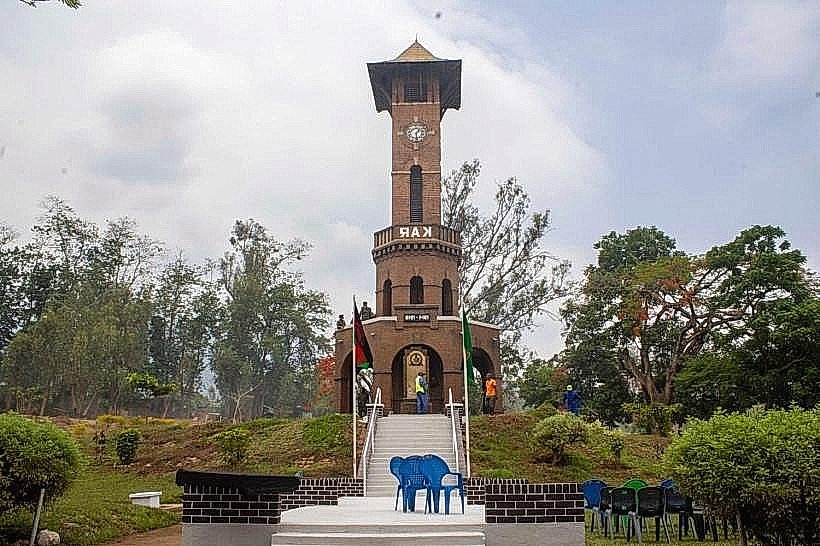
King's African Rifles (KAR) War Memorial Tower
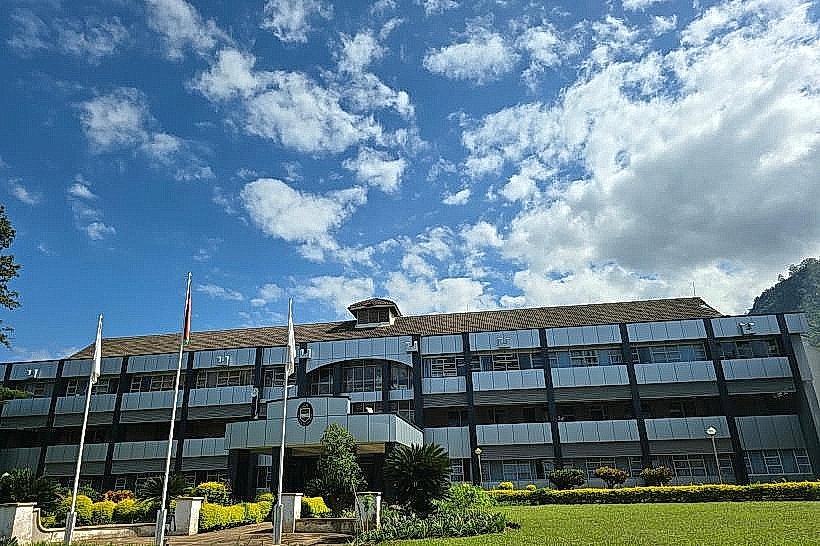
Chancellor College Campus
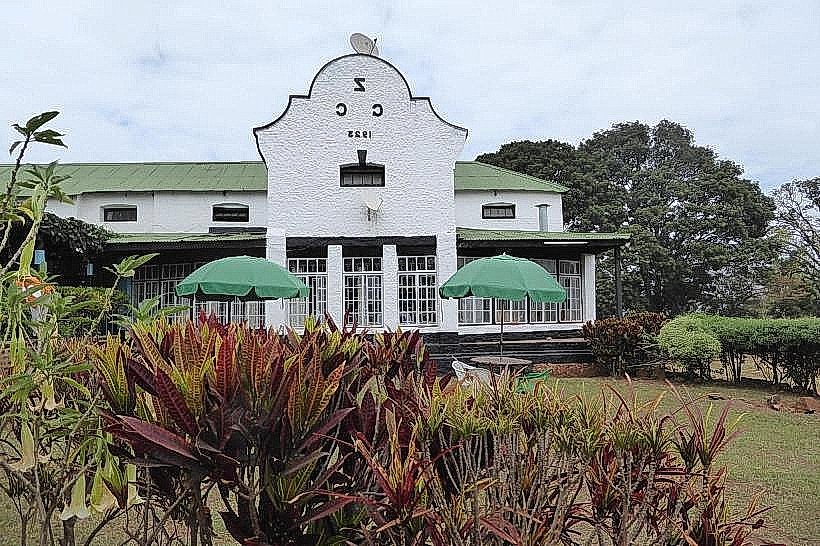
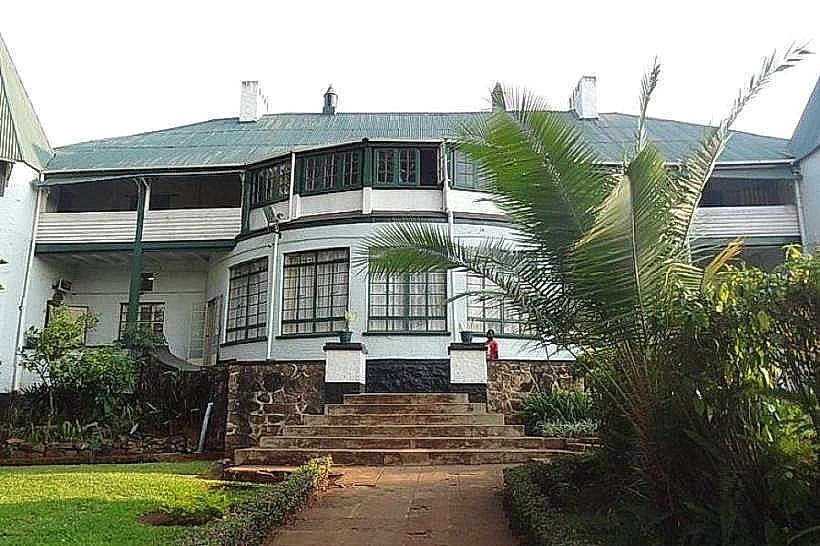
Sir Harry Johnston Primary School (Historic Government House Site)
Transportation Network
Internal public transit relies exclusively on road networks as there is no passenger rail infrastructure. Minibuses operate along the primary M1 artery and connect Zomba to rural outposts, running without fixed schedules and filling to maximum capacity before departure. Shared and private taxis are available at designated stands near the central market; these vehicles are identified by red registration plates and operate without meters, requiring negotiated fares. Motorbike taxis operate on secondary roads but are prohibited on major highways. Traffic density is generally low, peaking briefly around university hours and the central market intersection.
Safety & "Red Zones"
Zomba maintains a lower violent crime rate than Lilongwe or Blantyre, but property crime occurs frequently. The unlit gravel roads in the peripheral residential zones and the walking tracks leading immediately up the Zomba Plateau are red zones to avoid after dark. Petty theft and pickpocketing are concentrated around the Zomba Central Bus Terminal and the main market square. Common scams involve individuals posing as mountain guides at the base of the plateau who demand upfront fees without valid licensing.
Digital & Financial Infrastructure
The average fixed broadband speed is low, hovering around 2 to 4 Mbps, making 4G mobile networks the preferred method for stable data access. Airtel Malawi and TNM are the primary network operators providing coverage. Credit card acceptance is exceptionally low, confined to upscale hotels like the Sunbird Ku Chawe and specific corporate fueling stations; cash is required for nearly all local transactions. ATMs are positioned along the main commercial road and at university hubs, though they are prone to network dropouts and cash depletions during university registration periods.
Climate & Air Quality
Zomba exhibits a subtropical highland climate with noticeable micro-climate variances caused by the adjacent plateau. The cool, dry season from May to August sees temperatures between 12°C and 22°C, with frequent morning mist locally termed chiperoni. The hot, dry season from September to November experiences temperatures ranging from 25°C to 31°C. The wet season from December to April brings heavy orographic rainfall. Air quality is generally good due to low industrial density, though localized smoke from domestic charcoal production and wood fuel usage causes evening haze in high-density suburbs.
Culture & Social Norms
The cultural environment is highly conservative, blending traditional African customs with colonial institutional legacies. Standard professional and academic attire is formal, and modest dress is strictly expected in public spaces; clothing exposing the upper thighs is frowned upon. The standard greeting is a handshake performed with the left hand lightly touching the right forearm to denote respect. Tipping is not standard practice in local eateries but a 5-10% tip is customary in establishments serving the expatriate or tourist sectors. Public smoking and open alcohol consumption are legally restricted and socially discouraged.
Accommodation Zones
Mulunguzi: Recommended for high security, quiet surroundings, and proximity to historic colonial infrastructure and university zones.
Plateau Top (Ku Chawe): Recommended for direct access to natural hiking trails and cooler environmental temperatures, located 10 kilometers up the mountain from the city center.
Local Cost Index
1 Espresso: 3400 MWK ($1.95 USD)
1 Standard Lunch: 7800 MWK ($4.45 USD)
1 Minibus Ticket: 1200 MWK ($0.70 USD)
Nearby Day Trips
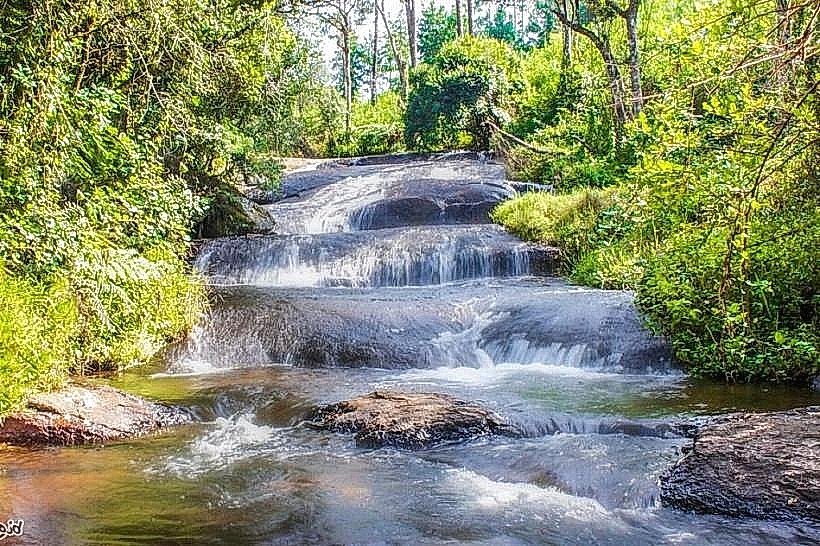
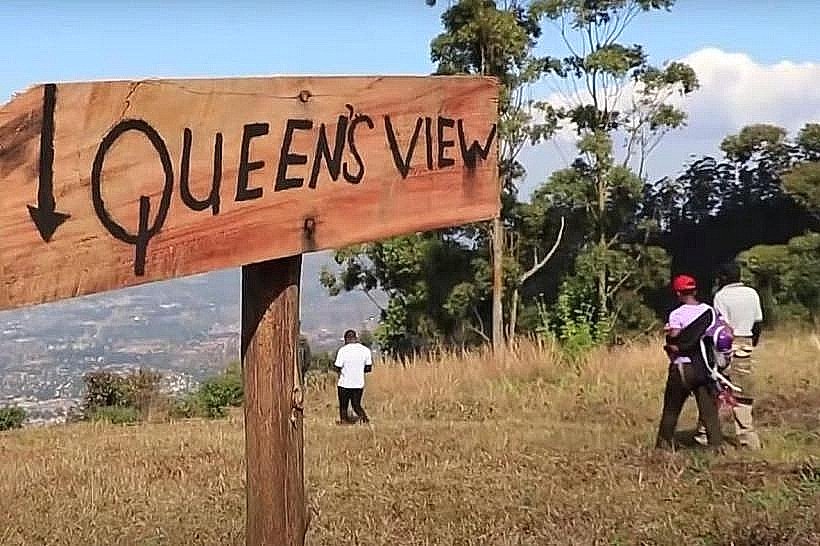
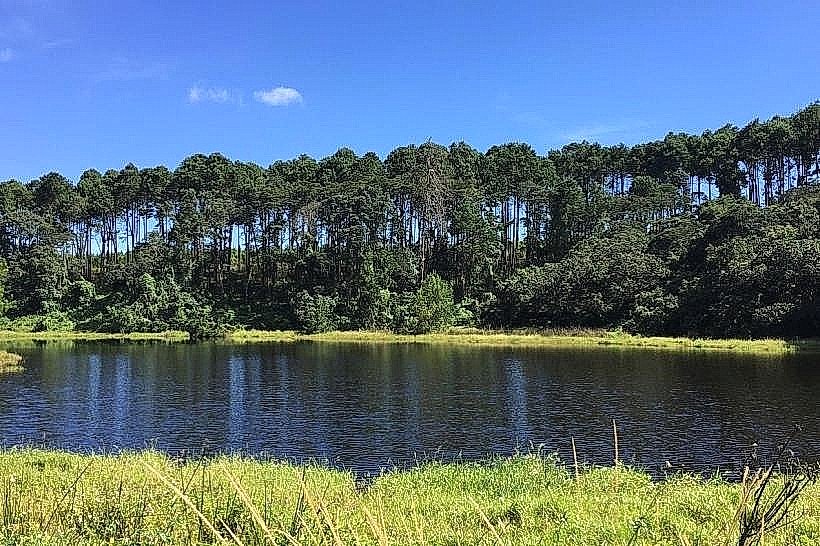
Zomba Plateau Rim: Located 10 kilometers north, featuring forest trails, waterfalls, and viewpoints reachable within 20 minutes via the mountain road.
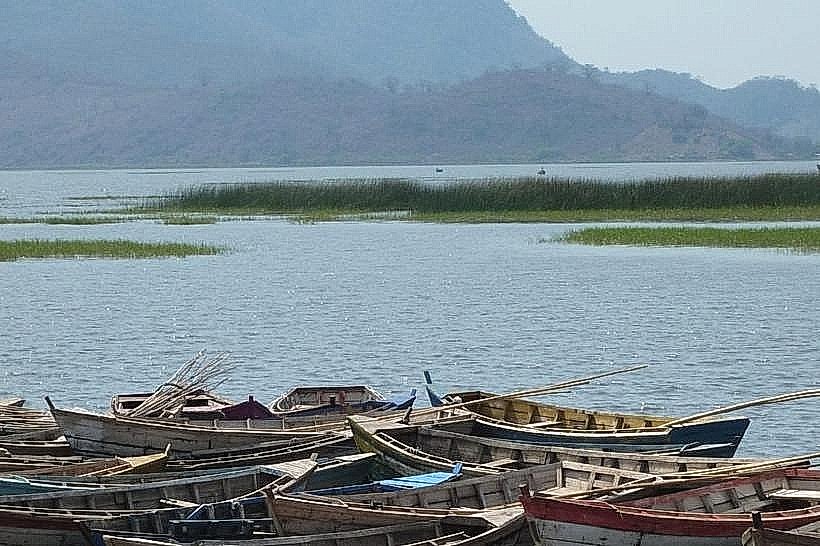
Lake Chilwa: Located 30 kilometers east, offering bird-watching and traditional fishing village tours within a 1-hour drive.
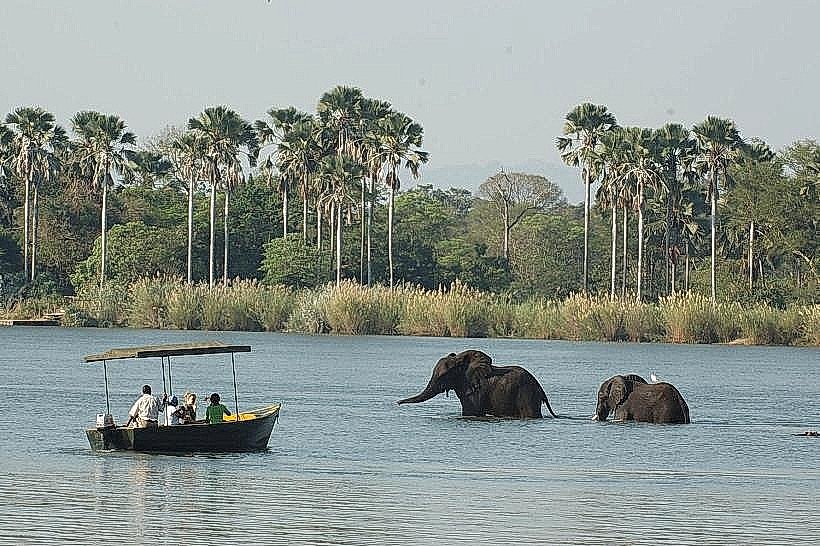
Liwonde National Park: Located 55 kilometers north, providing big-game viewing and boat safaris on the Shire River via a 1-hour drive.
Facts & Legends
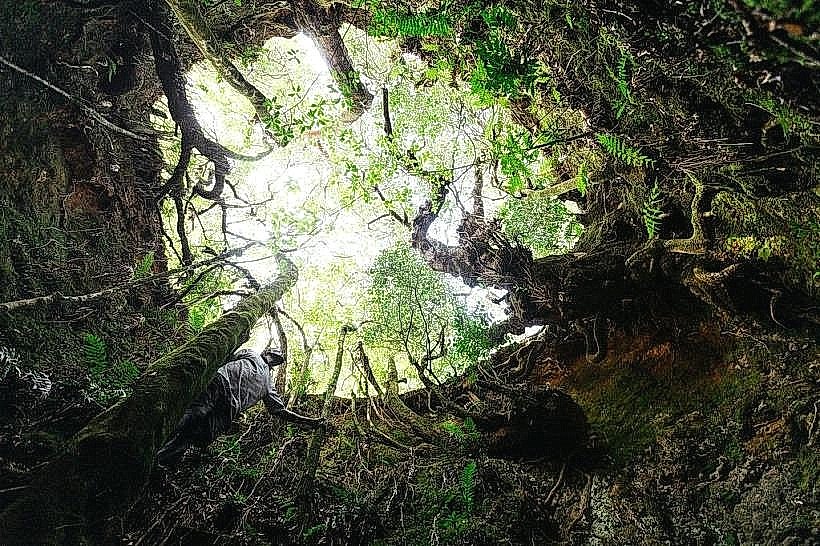
Local folklore focuses on the deep pools and caves of the Zomba Plateau, specifically Chingwe’s Hole, a natural vertical shaft. Legend states that the hole was used by ancient chiefs to dispose of tribal criminals and political enemies, and modern supernatural tales claim that the echoes of the deceased can still be heard from the depths of the pit during heavy mist.