Landmark: Liwonde National Park
City: Zomba
Country: Malawi
Continent: Africa
Liwonde National Park, Zomba, Malawi, Africa
Liwonde National Park is a protected wildlife reserve located in the Southern Region of Malawi along the upper Shire River valley. The conservation area sits primarily within the Machinga District, with its southern entrance positioned approximately 6km east of Liwonde township.
Visual Characteristics
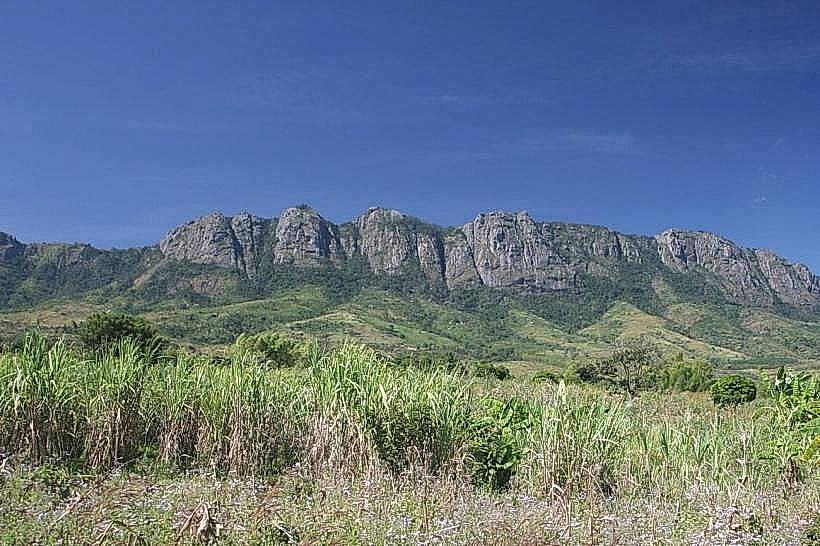
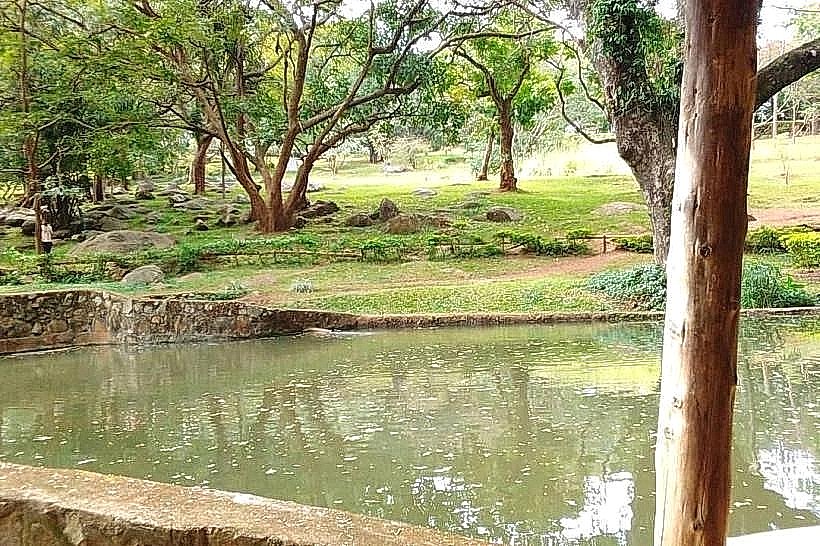
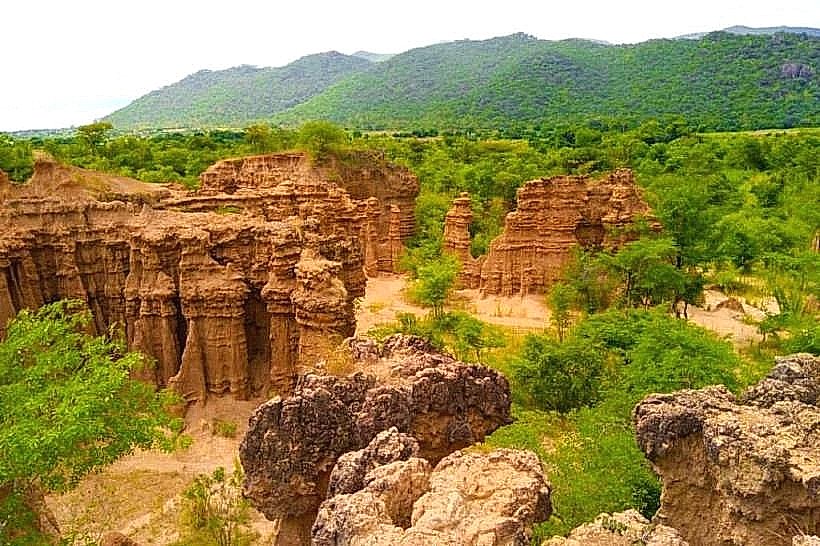
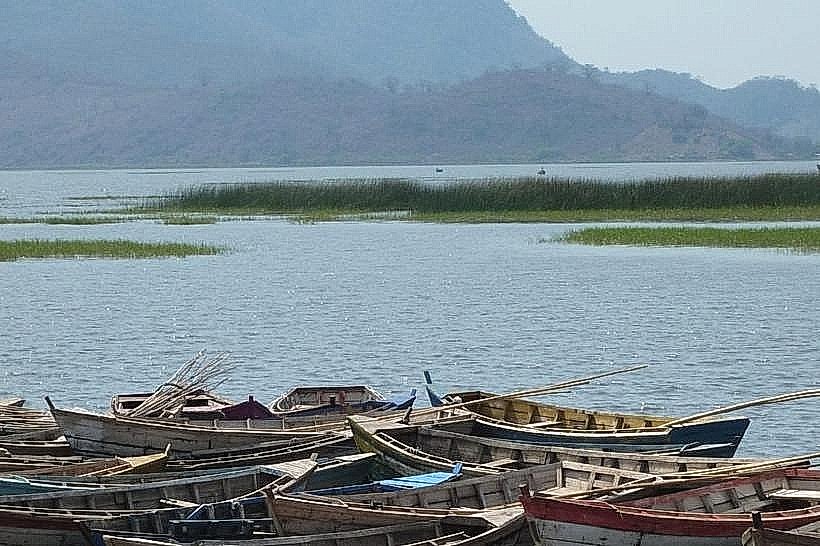
The landmark covers 548 square kilometers of flat to gently undulating terrain characterized by extensive mopane (Colophospermum mopane) woodlands, dry savanna, floodplains, and dense riverine forests. The western border is defined by the wide, slow-moving Shire River, which exhibits a murky green color and features numerous low-lying sandbars and reed beds. Soil types vary from dark, heavy alluvial clays along the riverbanks to sandy loam soils within the interior woodlands. The northern perimeter shifts into more rugged, hilly terrain where the park conjoins with the Mangochi Forest Reserve.
Location & Access Logistics
The primary vehicle entry point is the southern gate, accessed by turning east off the paved M3 highway onto a dirt access track just south of the Liwonde town bridge. The park is situated 160km north of Blantyre and roughly 55km north of Zomba. Internal navigation requires a high-clearance four-wheel-drive vehicle due to deep sand, ruts, and seasonal mud. For lodges situated on the eastern bank, such as Mvuu Lodge, visitors typically drive to a designated western bank staging point and utilize motorized boat transfers across the Shire River. A gravel airstrip is maintained inside the park for chartered light aircraft. Public minibuses serve Liwonde town but do not enter the park boundaries.
Historical & Ecological Origin
Established as a national park in 1973 by the Malawian government, the area was originally utilized for subsistence agriculture, cotton, and tobacco cultivation prior to gazetting. In August 2015, management of the park was transferred to the non-profit conservation organization African Parks under a long-term agreement with the Department of National Parks and Wildlife. This shift initiated massive ecological restoration, including the installation of a 129km electric perimeter fence to mitigate human-wildlife conflict and the reintroduction of extirpated apex predators and megafauna.
Key Highlights & Activities
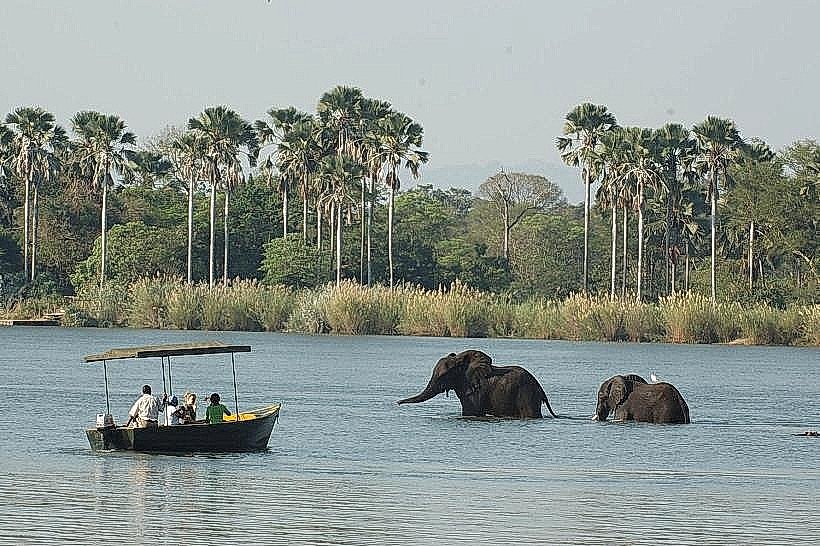
Motorized boat safaris along the Shire River provide close-range observation of aquatic wildlife. Day and night open-vehicle game drives track large mammals throughout the mopane woodlands. Guided walking safaris are conducted systematically by armed rangers within low-risk zones. Extensive bird watching is practiced along the riverine fringes, targeting over 400 recorded species.
Infrastructure & Amenities
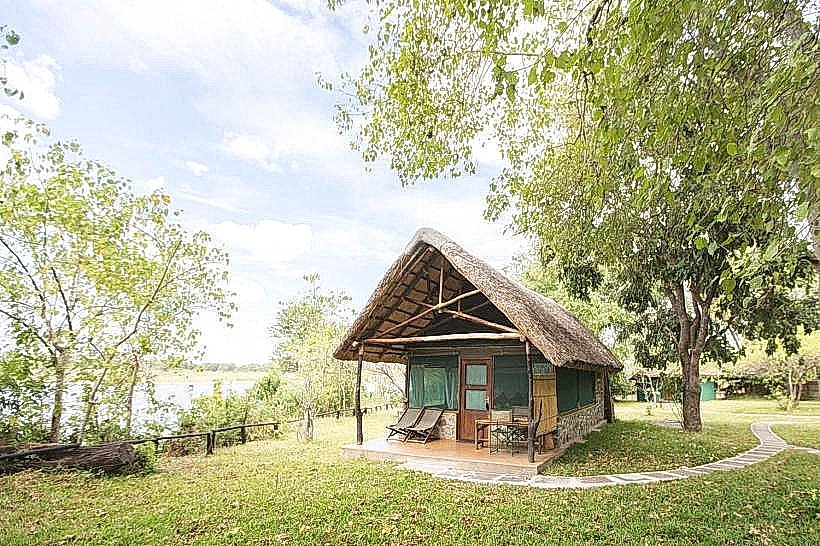
The park features developed tourist infrastructure concentrated around private concession lodges and campsites, which provide restrooms, treated water, and dining facilities. Standard entry gates possess basic administrative offices and flushing toilets. Shaded rest spots are available under mature baobab and fever tree groves along the river tracks. Cellular phone service (4G) is functional near the southern gate and along sections of the river facing Liwonde town, but it degrades significantly to completely non-existent within the northern and eastern interior woodlands.
Best Time to Visit
The dry season from May to October represents the optimal period for wildlife viewing, as vegetation thins and animals concentrate reliably along the permanent water sources of the Shire River. Mid-morning and late afternoon provide the best directional lighting for wildlife photography, particularly during boat safaris. The wet season from November to April transforms the landscape into lush greenery, which optimizes bird watching for migratory species but renders many secondary bush tracks completely impassable due to black cotton clay soils.
Facts & Legends
Liwonde National Park is the site of one of the largest international wildlife translocations in African history; between 2016 and 2017, African Parks successfully moved over 300 elephants and thousands of individual antelopes to the depleted Nkhotakota Wildlife Reserve to rebalance regional ecosystems. A common tip for self-drive visitors is to strictly monitor the 24/7 electrified perimeter fence line gates, as elephant herds frequently congregate near the boundaries despite the barrier wires.
Nearby Landmarks
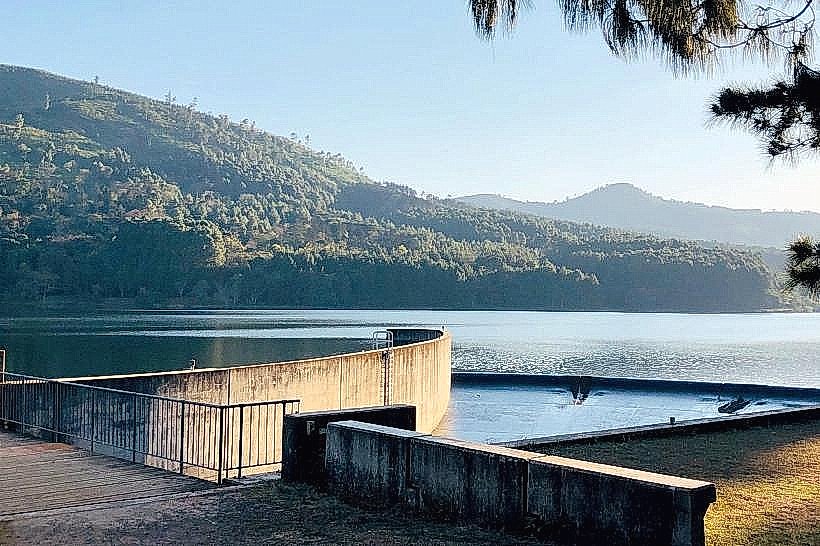
Shire River Liwonde Barrage – 5.8km Southwest
Liwonde Town Centre – 6.2km Southwest
Machinga District Hospital – 6.8km Southwest
Chikala Hills Outliers – 14.5km Southeast