Landmark: Zomba Botanical Gardens
City: Zomba
Country: Malawi
Continent: Africa
Zomba Botanical Gardens, Zomba, Malawi, Africa
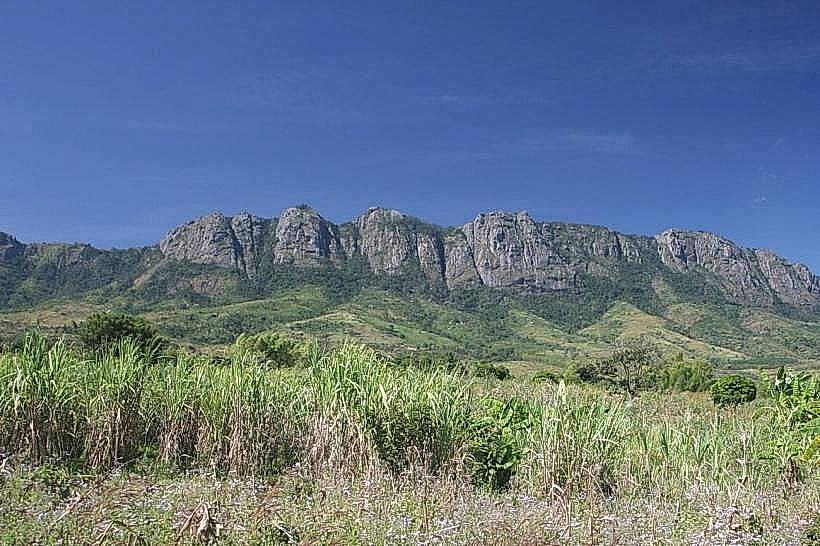
The Zomba Botanical Gardens are a historic municipal nature park, state-protected botanical repository, and public green space. Positioned at the base of the Zomba Plateau within the former colonial capital city of Zomba, the gardens represent the oldest formal botanical institution in Malawi, conserving an extensive collection of indigenous and exotic flora within a structured landscape.
Visual Characteristics
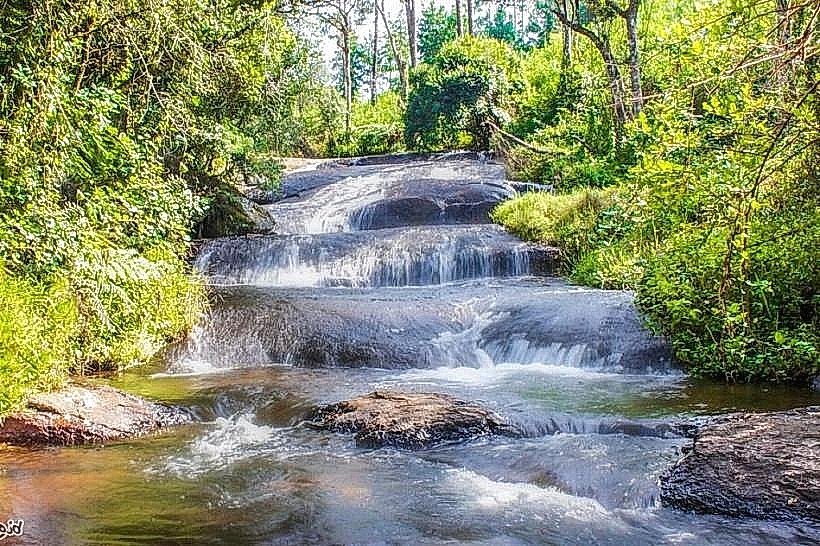
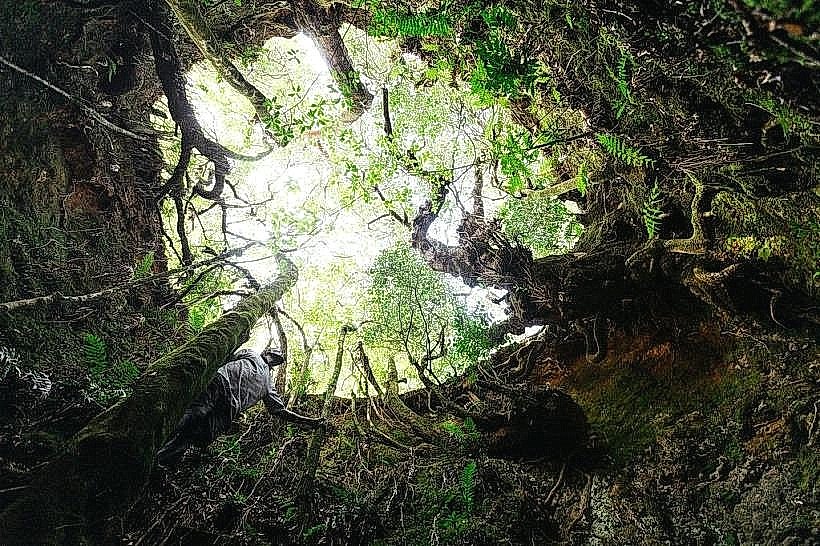
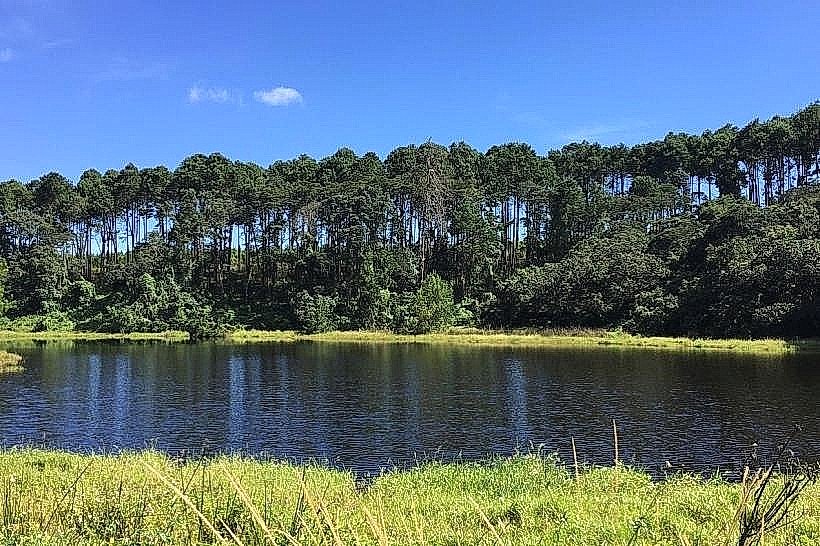
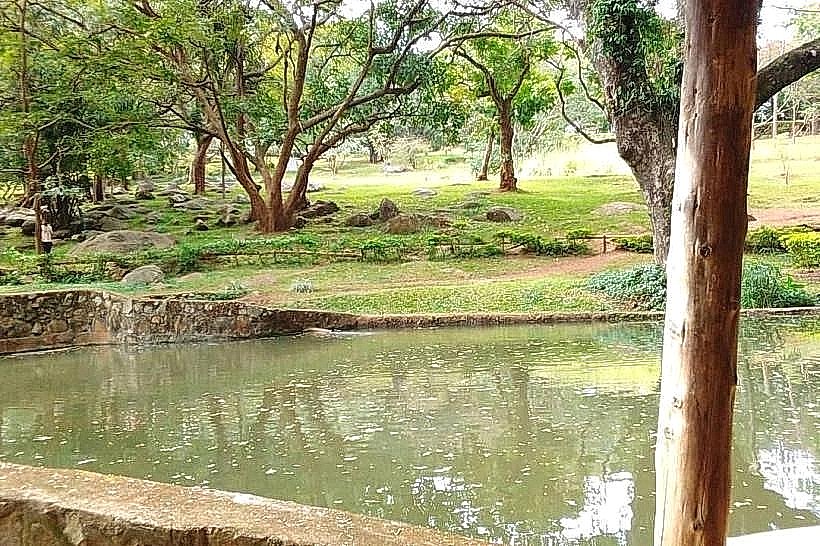
The park presents a highly structured botanical landscape defined by winding packed-earth pathways, stone-lined terraces, and open grassy lawns bordering the fast-flowing, rocky Mulunguzi River. The flora is stratified into distinct zones featuring thick riverine bamboo thickets, clusters of giant tropical tree ferns, collections of ornamental flowering shrubs, and orchards of mature exotic trees. The architectural accents are sparse and rustic, consisting of low-profile concrete footbridges spanning mountain streams, weathered stone retaining walls, and simple wooden gazebos. The structural color profile shifts dynamically from the deep greens of the dense forest canopy to the bright pinks, purples, and red hues of seasonal tropical blooms.
Location & Access Logistics
The facility is situated approximately 0.5 kilometers north of the Zomba municipal commercial core, positioned directly east of the historic Gymkhana Club and south of the Old Residency (Masongola). Private vehicles access the property via a dedicated entry drive off Sir Harry Johnston Road, which connects directly to the primary M3 highway. A small, unpaved dirt vehicle parking clearing is situated immediately outside the main pedestrian entrance gate. Public transit commuters can utilize any local high-frequency minibus running the internal Zomba municipal routes, disembarking at the central bus depot or the National Bank junction. From these coordinates, the pedestrian walking route heading north along the civic loop measures less than 400 meters to the main gates.
Historical & Ecological Origin
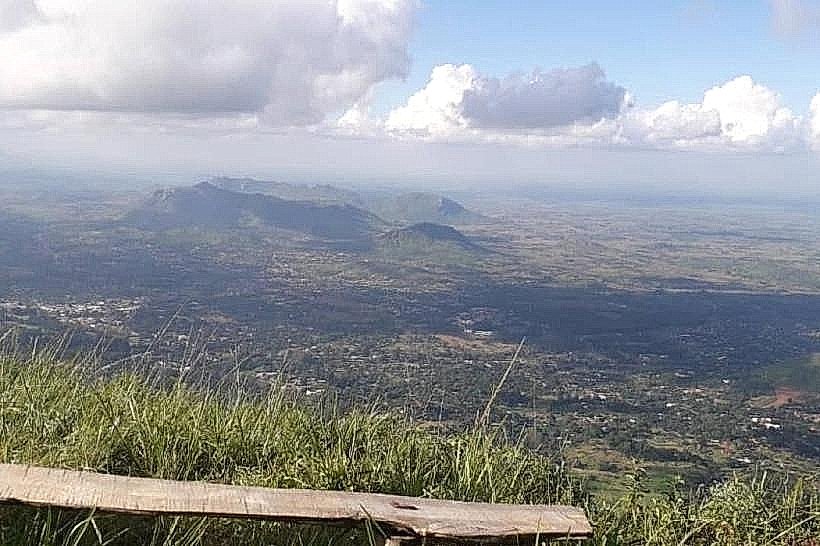
The gardens were established in 1891 under the direct administrative scientific guidance of Sir Harry Johnston, the first Commissioner of the British Central Africa Protectorate. The foundational botanical collection was compiled and systematically organized by Alexander Whyte, a pioneer Scottish botanist appointed as the head of the newly formed Scientific Department. Whyte designed the grounds to function as a vital agricultural experimentation station to test the regional viability of imported cash crops-including tea, coffee, rubber, and tobacco-before their widespread distribution to commercial planters in the Shire Highlands. Ecologically, the gardens occupy a well-watered alluvial shelf along the lower slopes of the Zomba Plateau, utilizing high annual rainfall and rich volcanic topsoils to sustain a dense urban micro-habitat that shelters native reptile, insect, and avian lineages.
Key Highlights & Activities
Self-guided botanical trail walking and nature photography represent the primary public activities along the interconnected riverside path network. Visitors can view historical specimen trees planted during the late nineteenth century, including massive mahogany, cedar, and eucalyptus stands that carry scientific identification plaques. The park is a popular local venue for community social gatherings, outdoor wedding photography, and academic field studies conducted by students from the nearby University of Malawi (Chancellor College). Birdwatching is active throughout the canopy, hosting resident regional specialists such as the Livingstone's turaco, purple-crested turaco, and various sunbird species tracking the flowering seasonal flora.
Infrastructure & Amenities
The gardens operate under a low-intervention public framework managed by the Department of Forestry. The grounds contain basic public restroom blocks equipped with standard plumbing fixtures near the primary entrance office, though their operational maintenance status varies. Continuous natural shade is highly abundant across the entire property beneath the heavy, overlapping tree canopies and wide bamboo groves, providing an effective thermal buffer against midday temperatures. Mobile telecommunications connectivity is exceptional and reliable, with full 4G and 5G cellular network signals blanketed across the entire park acreage due to its location within the Zomba civic center. There are no independent commercial dining vendors operating inside the secure gates, but extensive cafes, restaurants, and grocery supermarkets are located 500 meters south within the central business district.
Best Time to Visit
The optimal window for external landscape photography and peaceful trail movement occurs during the morning hours between 08:30 and 11:30, when natural sunlight penetrates the dense canopy layers without creating the harsh, high-contrast shadows typical of midday. The preferred months for visiting correspond with the transition period from May to August during the cool, dry winter season, when ambient afternoon temperatures hover comfortably between 16 and 22 degrees Celsius and rainfall risks are minimal. The site remains open daily to the public from 07:30 to 17:00 throughout the year, requiring a nominal municipal entry fee collected at the gate.
Facts & Legends
A distinct operational fact regarding the Zomba Botanical Gardens is their direct lineage as the absolute nursery of Malawi's multi-million-dollar tea industry; the very first successful commercial tea plants cultivated within the Satemwa and Conforzi estates in Thyolo were cloned from experimental botanical strains raised and stabilized by Alexander Whyte within these specific riverside test plots during the 1890s. Local oral history often highlights the park's central lawns as a historical neutral zone, noting that during the political transitions of the mid-twentieth century, the dense shaded groves served as a private meeting ground where early nationalist leaders could consult away from the direct surveillance of the nearby colonial administrative chambers.
Nearby Landmarks
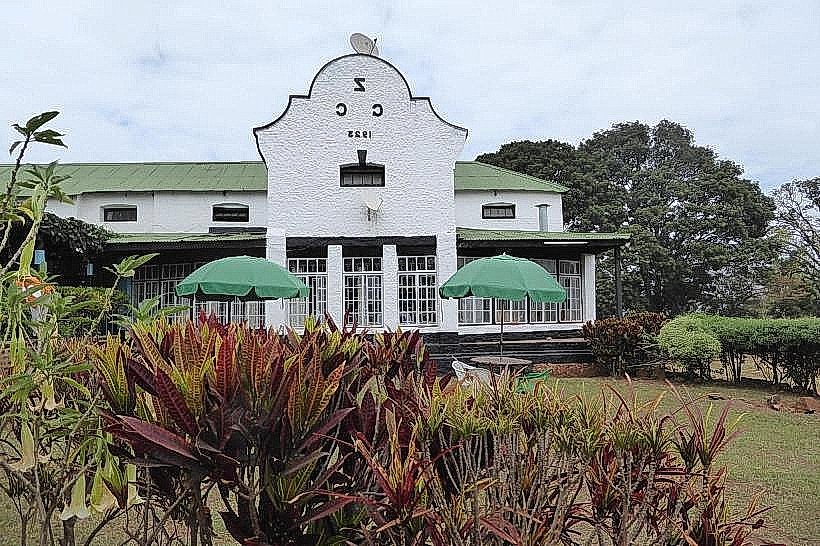
Zomba Gymkhana Club Grounds – 0.1km West
Old Parliament Building (High Court) – 0.3km South-Southwest
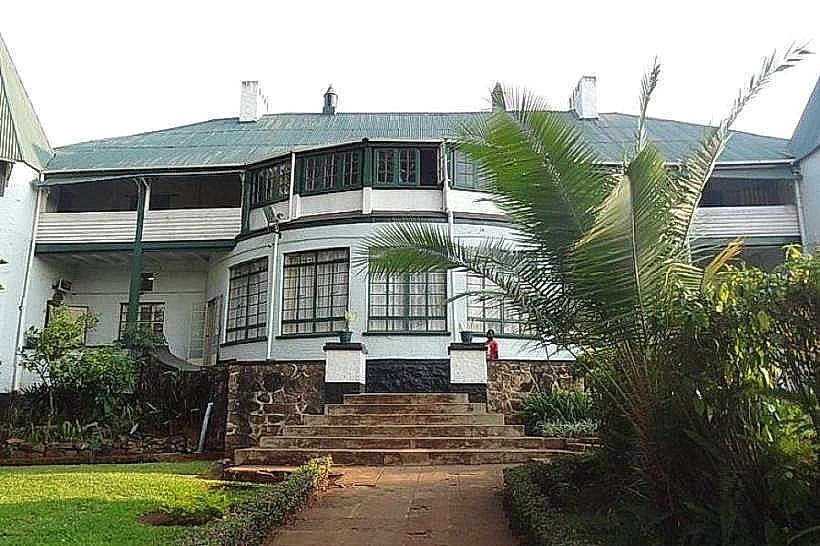
Old Residency of Nyasaland (Masongola) – 0.3km Northwest
Zomba Central Market Commercial Zone – 0.7km South-Southwest
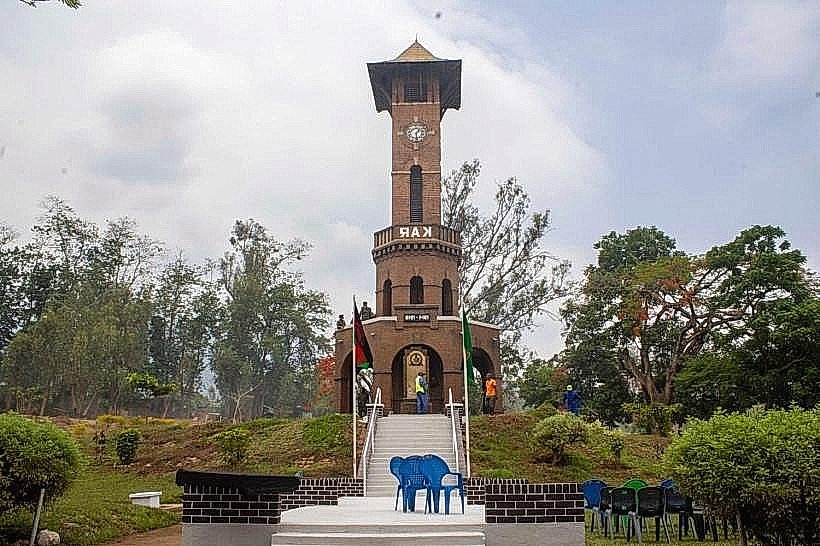
King's African Rifles Monument – 2.5km North