Landmark: Al Ayn Beehive Tombs
City: Nizwa
Country: Oman
Continent: Asia
Al Ayn Beehive Tombs, Nizwa, Oman, Asia
The Al Ayn Beehive Tombs are a group of remarkably preserved Bronze Age funerary structures located near the village of Al Ayn in the Al Dhahira Governorate. Along with the sites of Bat and Al-Khutm, they are part of a serial UNESCO World Heritage property recognized as the most complete 3rd millennium BCE necropolis in the world.
Visual Characteristics
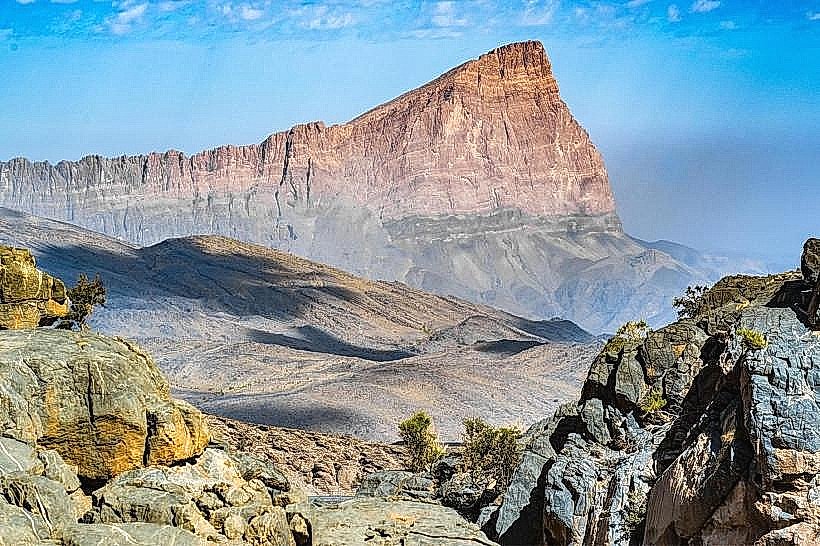
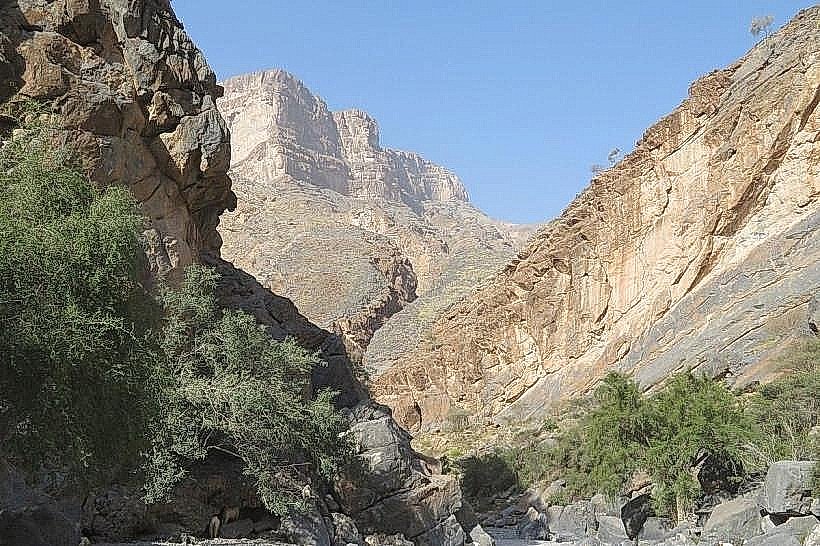
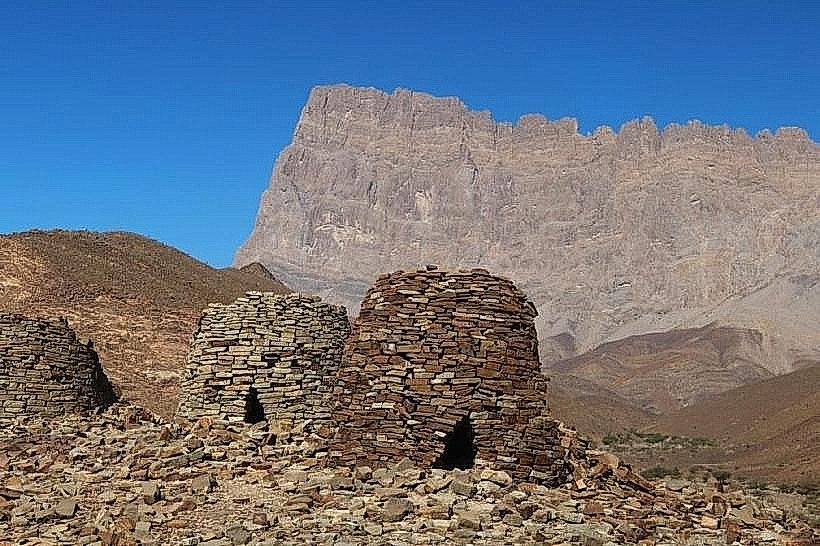
The site consists of a row of 21 beehive-shaped stone towers aligned along a narrow, russet-colored limestone ridge. The tombs are constructed from stacked, flat local stones using dry masonry techniques, reaching heights of approximately 2–3 meters. Their silhouette is set against the dramatic, sheer limestone cliff of Jebel Misht (Comb Mountain), which rises prominently in the background.
Location & Access Logistics
The tombs are situated approximately 30km east of Ibri and 80km west of Nizwa.
Navigation: Accessible via the Ibri-Bahla road (Route 21). GPS coordinates for the site are roughly 23.216, 56.962.
Vehicle Requirement: While the main road is paved and accessible by 2WD, a 4WD vehicle is recommended to cross the dry riverbed (wadi) and reach the base of the hill.
On Foot: If driving a sedan, park near the village mosque or on the roadside and walk approximately 500–700 meters through the date palm groves and across the wadi to reach the hillside.
Historical & Ecological Origin
Dated to between 3100 and 2700 BCE (Hafit period), these tombs are roughly 5,000 years old. They represent the transition to a more hierarchical society during the early Bronze Age, likely supported by the region's copper mining trade with Mesopotamia. Unlike later multi-chambered tombs, the Al Ayn structures are mostly single-chambered and were designed to hold multiple remains, though no human bones have been found in the Al Ayn cluster, possibly due to erosion or historical looting.
Key Highlights & Activities
Ancient Masonry: Observation of the precise dry-stone engineering that has allowed the structures to remain standing for millennia without modern restoration.
Photography: The alignment of the tombs with the vertical wall of Jebel Misht is considered one of the most iconic archaeological vistas in the Arabian Peninsula.
UNESCO Serial Site: Visitors often combine Al Ayn with the nearby Bat Tombs (22km west), which feature larger, more complex structures, although Al Ayn is generally considered the more visually impressive and better-preserved cluster.
Infrastructure & Amenities
The site is entirely undeveloped to maintain its historical integrity.
Facilities: No restrooms, shaded areas, or visitor centers exist at the tombs.
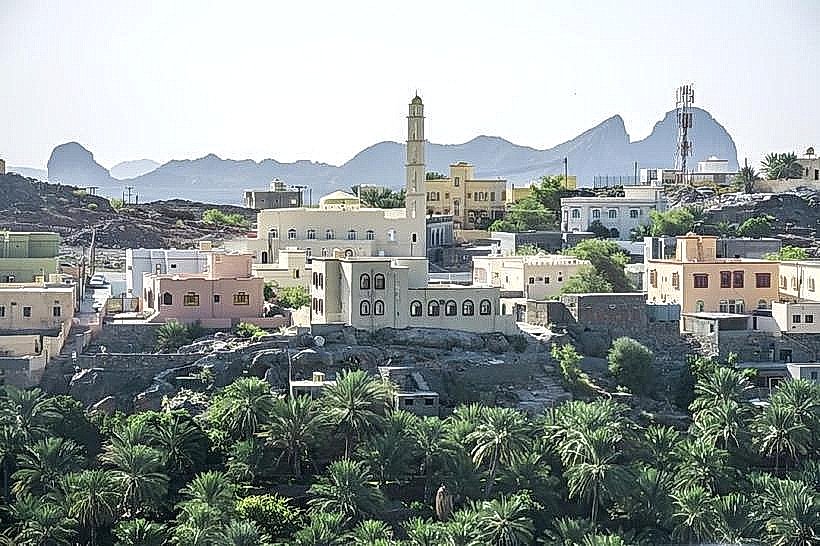
Proximity: Basic services, including small shops and mosques, are located in the adjacent Al Ayn village.
Connectivity: 4G cellular signal is stable at the site.
Best Time to Visit
The "golden hour" approximately one hour before sunset is the optimal time for visiting. The setting sun illuminates the reddish stone of the tombs and the vertical face of Jebel Misht, creating significant visual contrast. The winter months (November to February) are best for hiking up the ridge, as there is no shade available on the hillside.
Facts & Legends
Local tradition once attributed these structures to the "Kabikab" or demonic beings, a legend likely born from the mystery of their construction and ancient origin. A technical "secret" of the site is the nearby prehistoric quarry, where archaeologists have identified the exact spots where the stones for the tombs were cut and shaped 5,000 years ago.
Nearby Landmarks
Jebel Misht – 2km West (Background feature)
Wadi Damm – 15km North
Bat Archaeological Site – 22km West
Jabreen Castle – 45km East
Al Hamra – 60km East