Landmark: Jebel Akhdar
City: Nizwa
Country: Oman
Continent: Asia
Jebel Akhdar, Nizwa, Oman, Asia
Jabal Akhdar, or the "Green Mountain," is a massive limestone massif forming part of the Al Hajar Mountains in northern Oman. It encompasses a central plateau situated at an average elevation of 2,000 meters above sea level, located approximately 150km southwest of Muscat.
Visual Characteristics
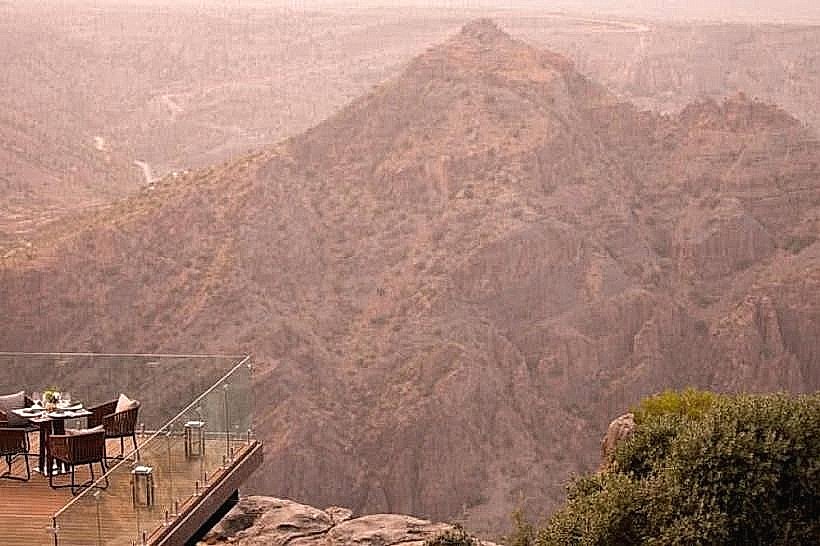
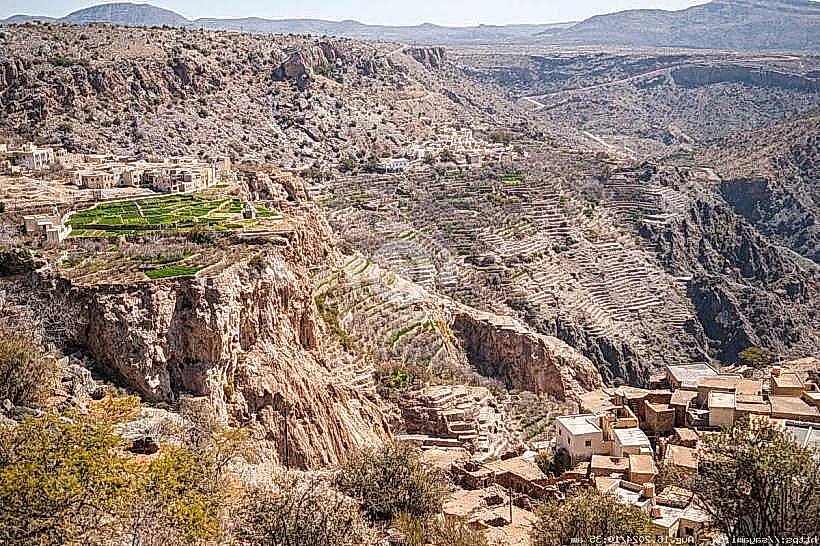
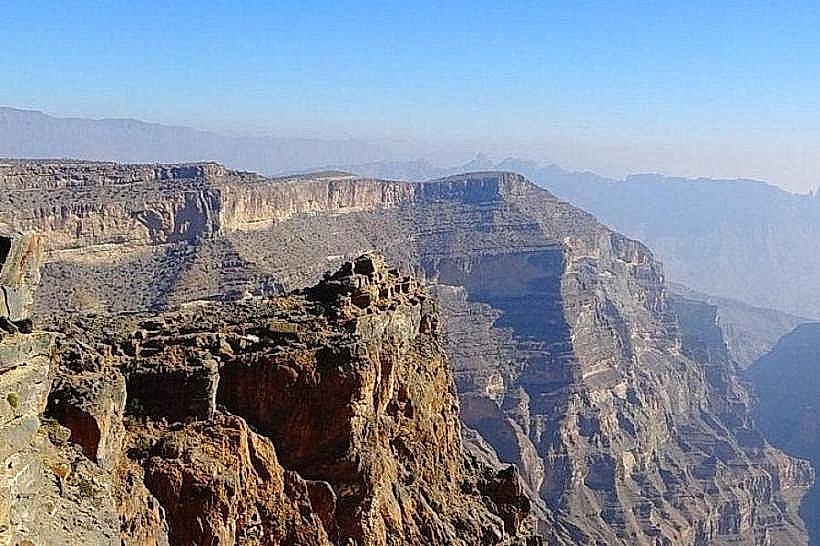
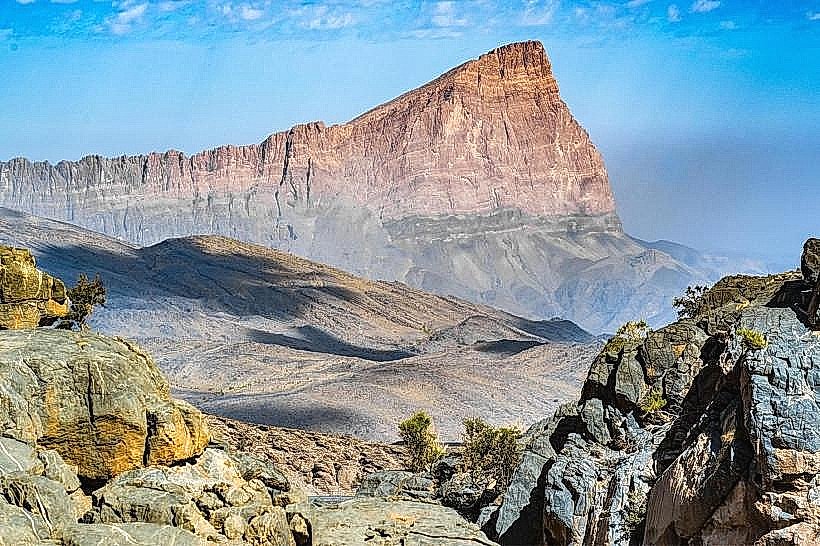
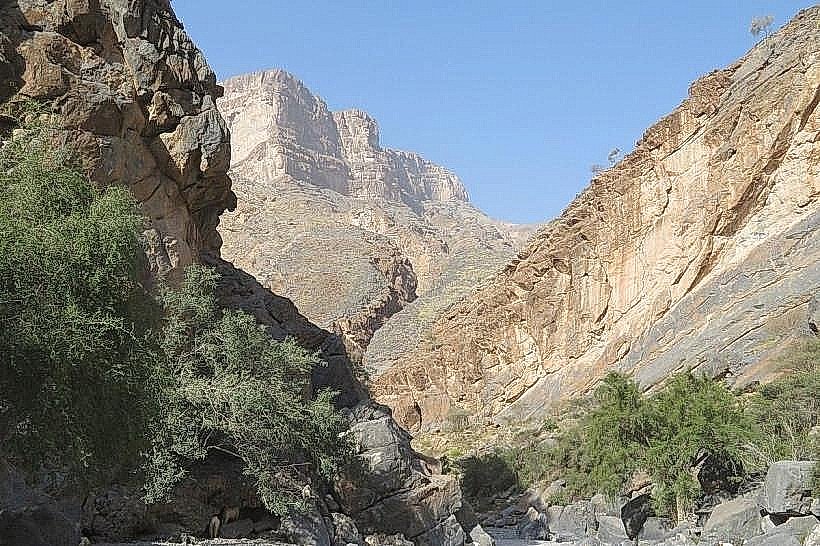
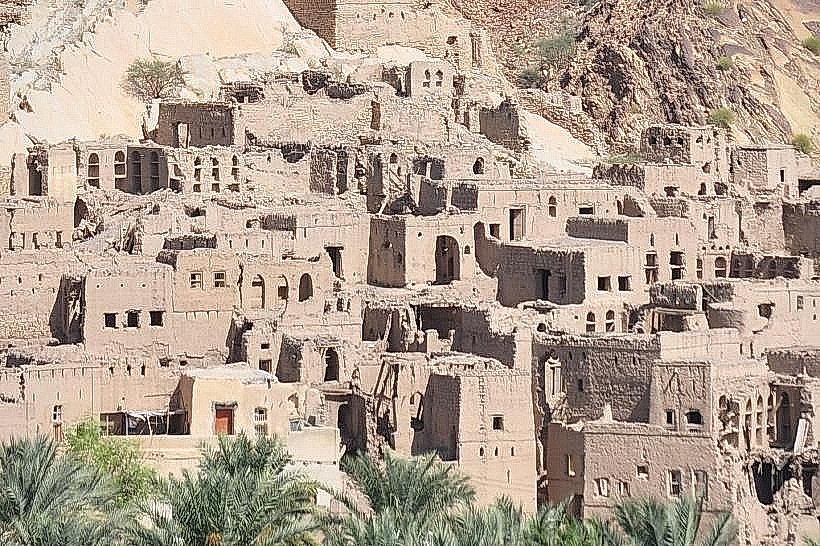
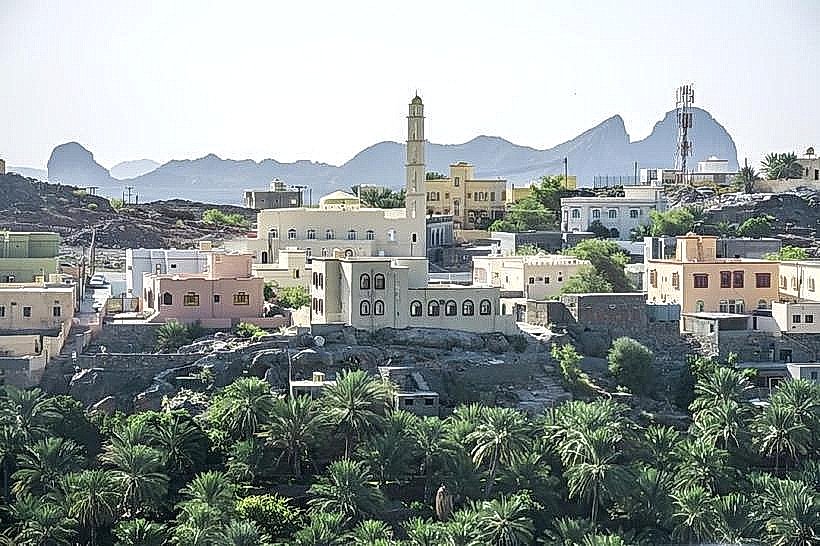
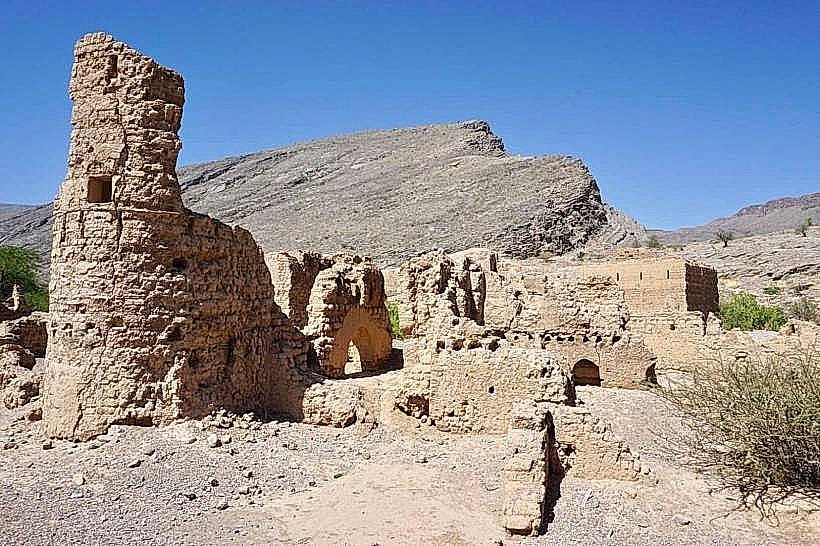
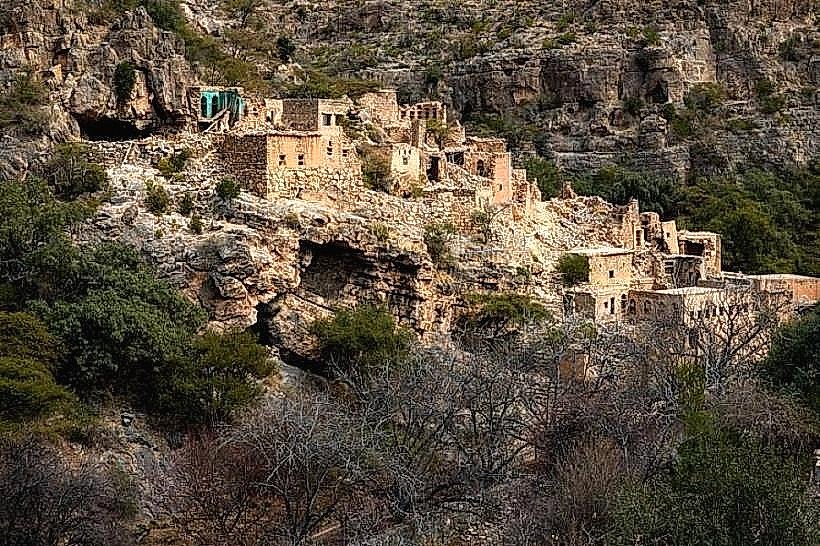
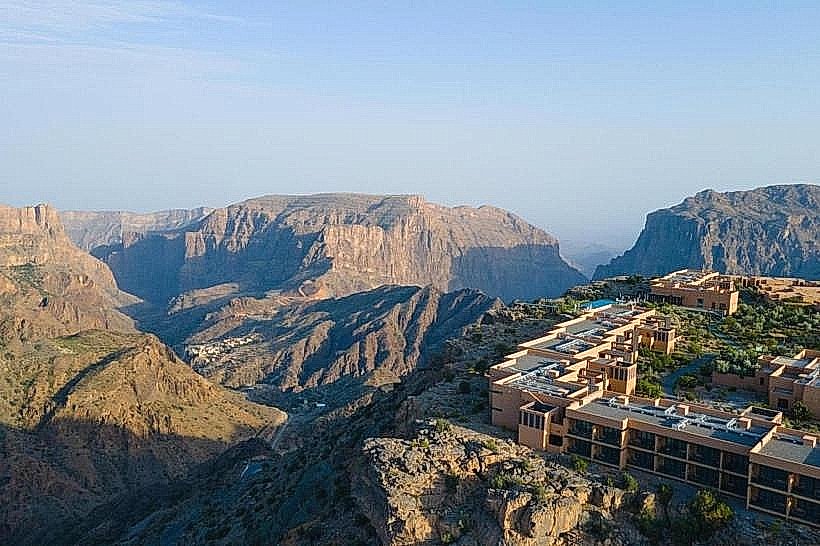
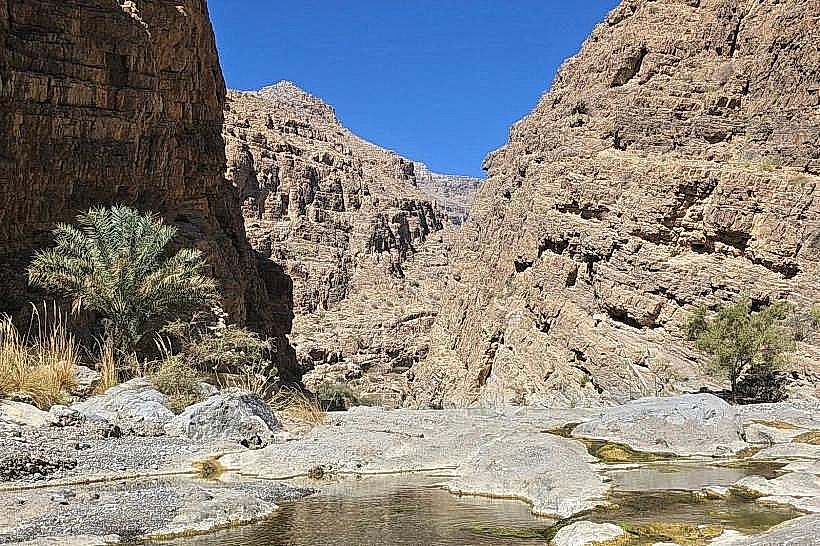
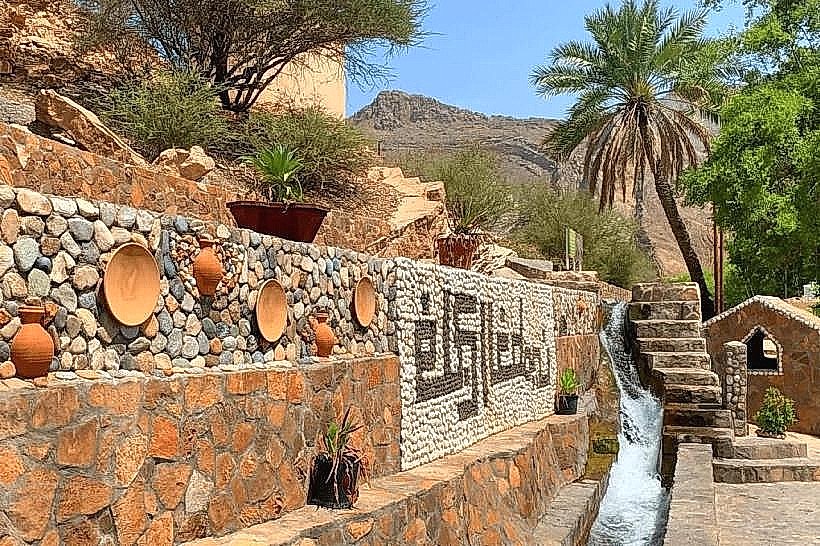
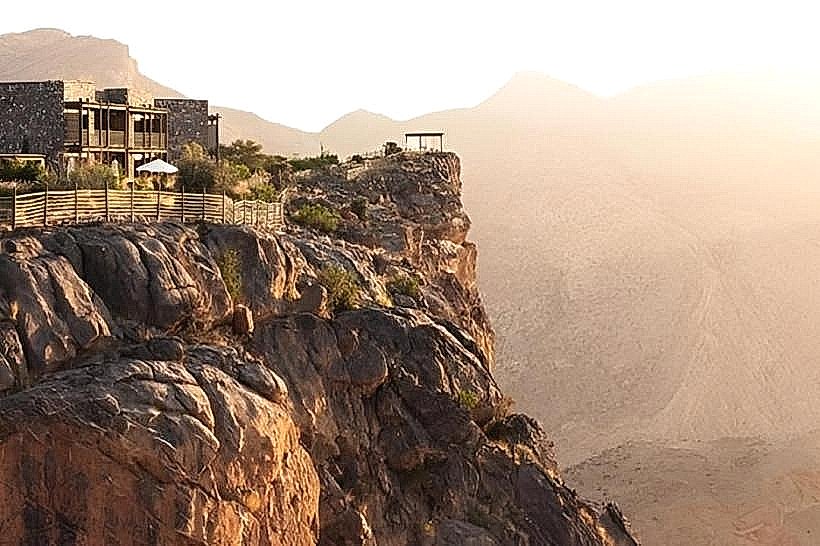
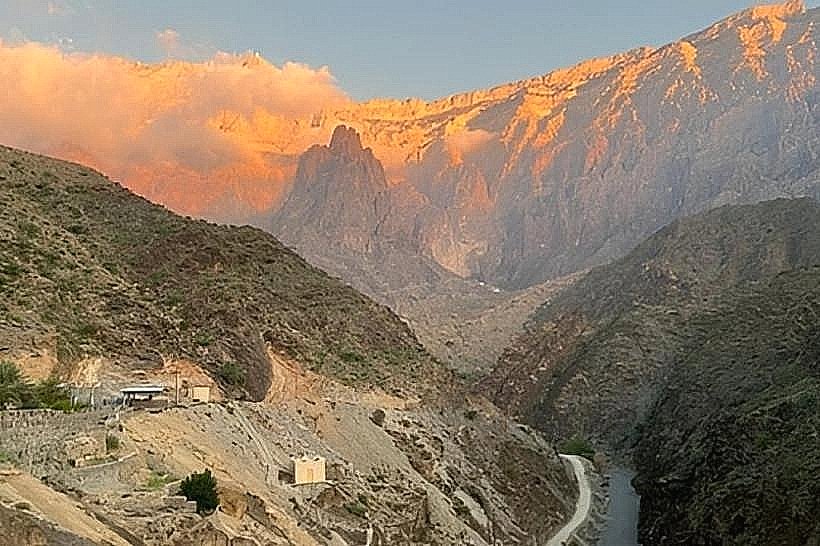
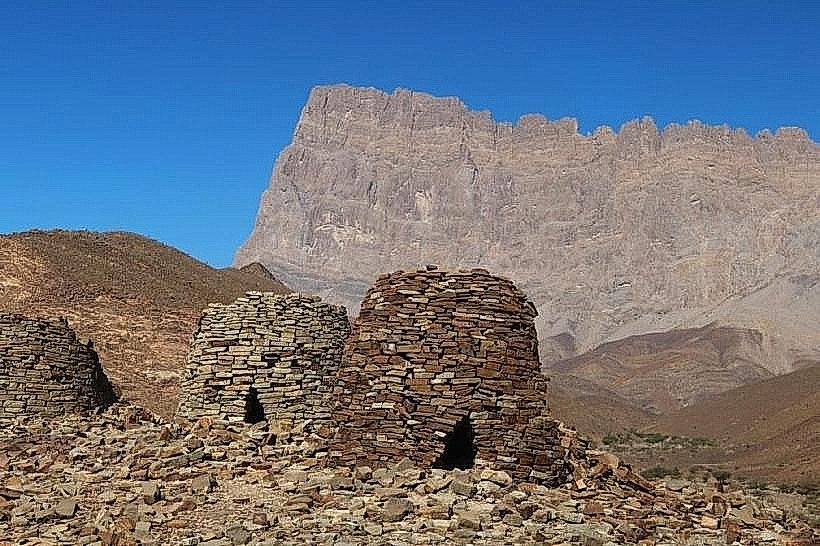
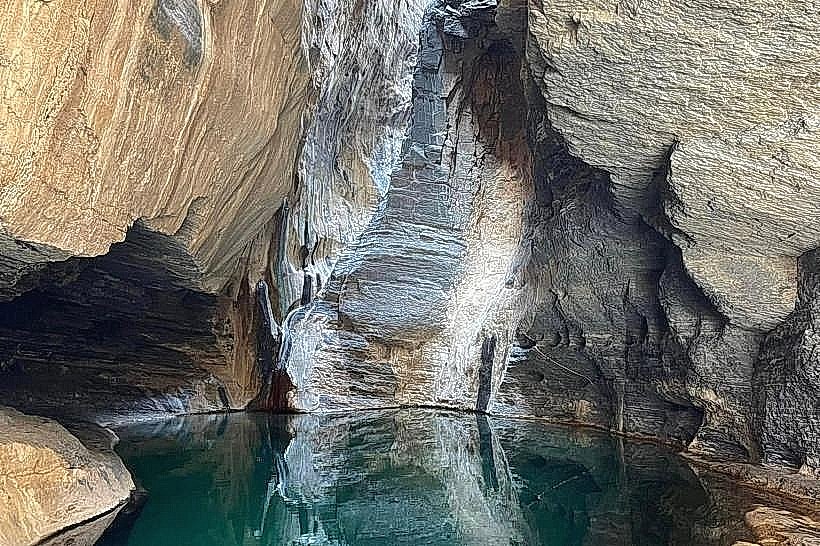
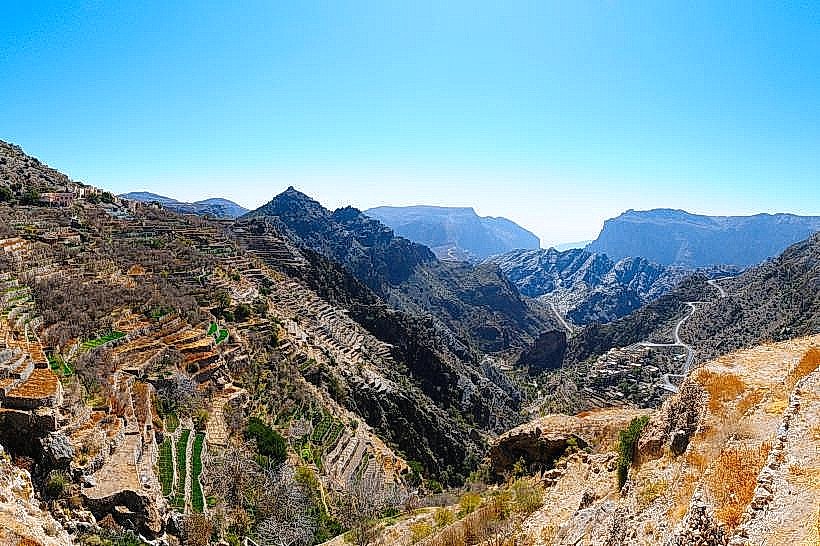
The landscape is defined by deep canyons, steep limestone escarpments, and man-made agricultural terraces carved into the mountain slopes. Vegetation includes juniper and olive trees, along with seasonal rose bushes and pomegranate orchards. The rock formations primarily consist of grey-toned limestone and dolomite, with vertical drops exceeding 1,000 meters in several locations.
Location & Access Logistics
Access is via the Muscat-Nizwa Highway (Route 15), turning north toward Birkat Al Mouz onto the Jabal Akhdar road. A Royal Oman Police checkpoint at the base enforces a 4WD-only mandate; two-wheel-drive vehicles are strictly prohibited from ascending the steep gradients. Paved roads connect the main plateau villages of Saiq and Al Ayn. Parking is available at various canyon viewpoints and within the village centers.
Historical & Ecological Origin
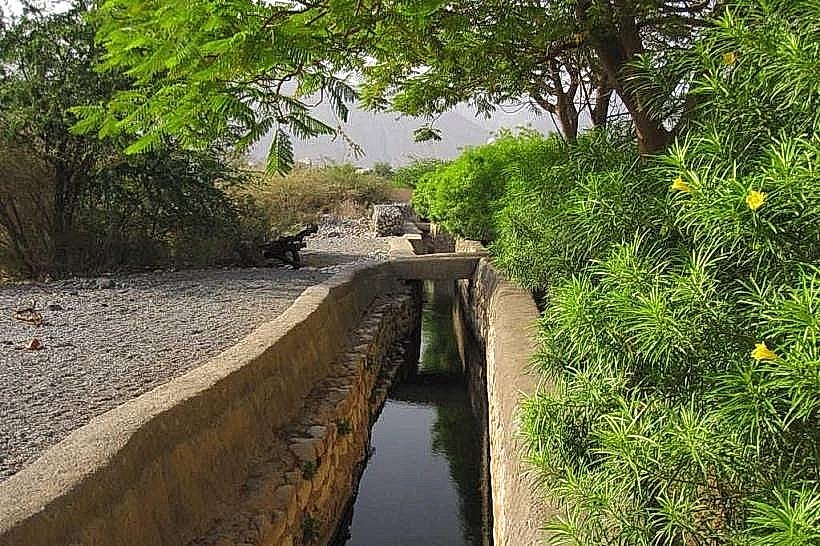
The mountain was formed by tectonic uplift and consists of sedimentary layers from the Permian and Triassic periods. Historically, it served as a secluded stronghold for the Omani Imamate and is famous for its unique Mediterranean-style climate in an otherwise arid region. The traditional falaj irrigation systems sustain high-altitude agriculture that has been practiced for over a millennium.
Key Highlights & Activities
Hiking is a primary activity, specifically the "Three Village Trail" (W18b) which connects Al Aqr, Al Ayn, and Ash Shirayjah. Visitors can observe the traditional extraction of rose water during the flowering season in April. Photography is concentrated at Diana’s Point, a viewing platform overlooking the terraced villages and deep canyons.
Infrastructure & Amenities
The plateau features high-end resorts, including the Anantara Jabal Akhdar and Alila Jabal Akhdar, which offer public dining and restrooms. 4G and 5G cellular coverage is maintained throughout the main villages. Basic grocery stores, fuel stations, and public prayer rooms are located in the central town of Saiq.
Best Time to Visit
The best months for mild weather and rose blooming are March and April. Winter months (December to February) experience temperatures near 0°C. For photography, the early morning provides clarity and minimizes the haze common in the afternoons. Fruit harvest, specifically for pomegranates, occurs in September.
Facts & Legends
The mountain’s name is derived from its relatively high annual rainfall and fertile soil, which allow for the cultivation of crops that cannot grow elsewhere in Oman. A local historical oddity is the presence of ancient fossils of marine life at the summit, confirming the plateau was once submerged beneath a prehistoric sea.
Nearby Landmarks
Birkat Al Mouz - 32km South (at the base)
Diana’s Point - 1.5km North
Wadi Bani Habib - 8km East
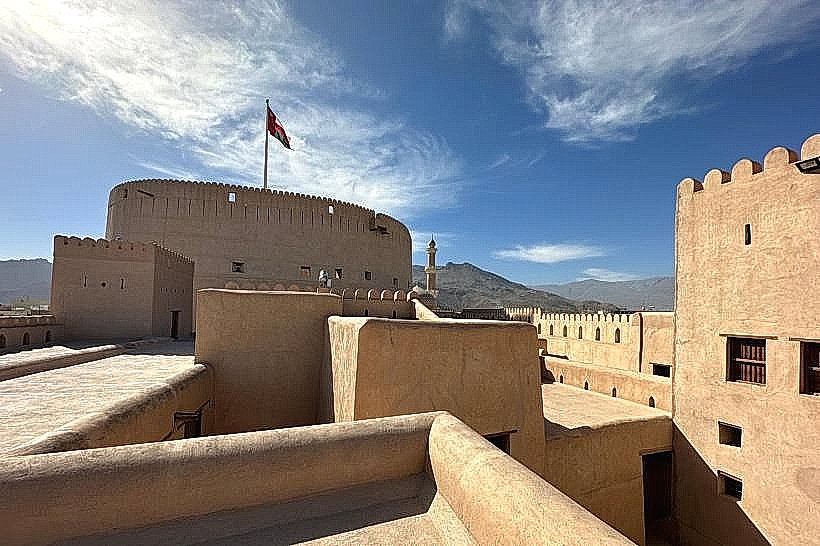
Nizwa Fort - 55km South-West
Bahla Fort - 78km West