Landmark: Bait Al Safah
City: Nizwa
Country: Oman
Continent: Asia
Bait Al Safah, Nizwa, Oman, Asia
Bait Al Safah is a living history museum situated in the heart of the Al Hamra old town in the Ad Dakhiliyah Governorate. It is a restored traditional Omani mansion that serves as a cultural center, demonstrating the domestic life and artisanal practices of the region as they existed several centuries ago.
Visual Characteristics
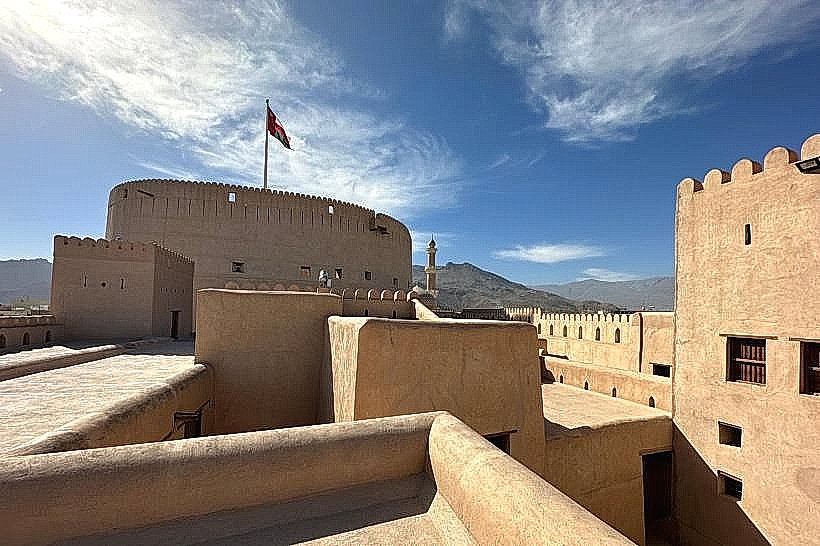
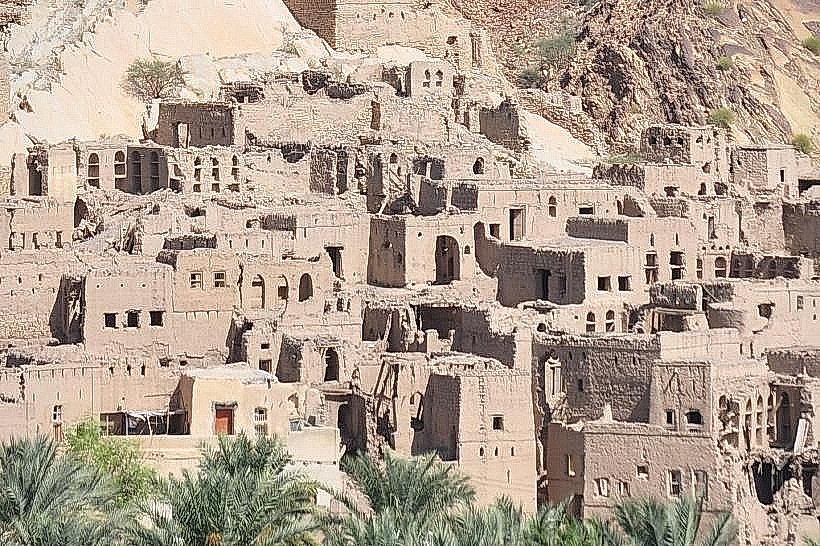
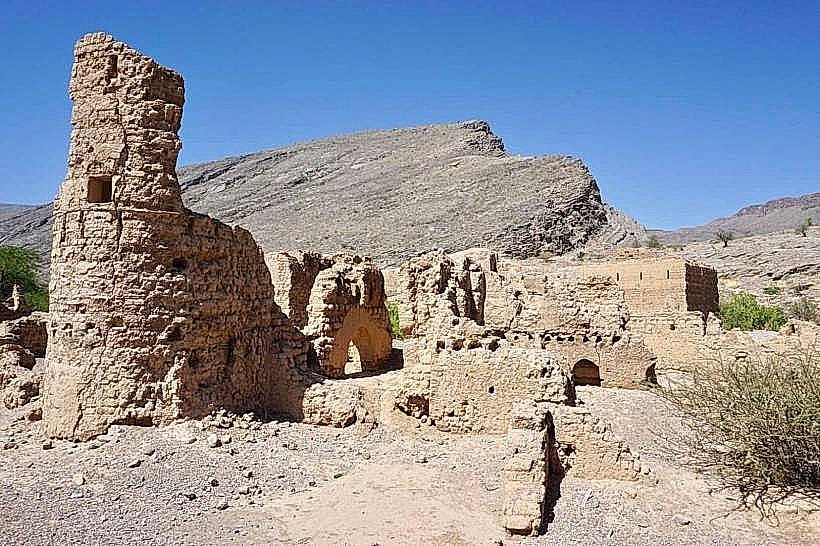
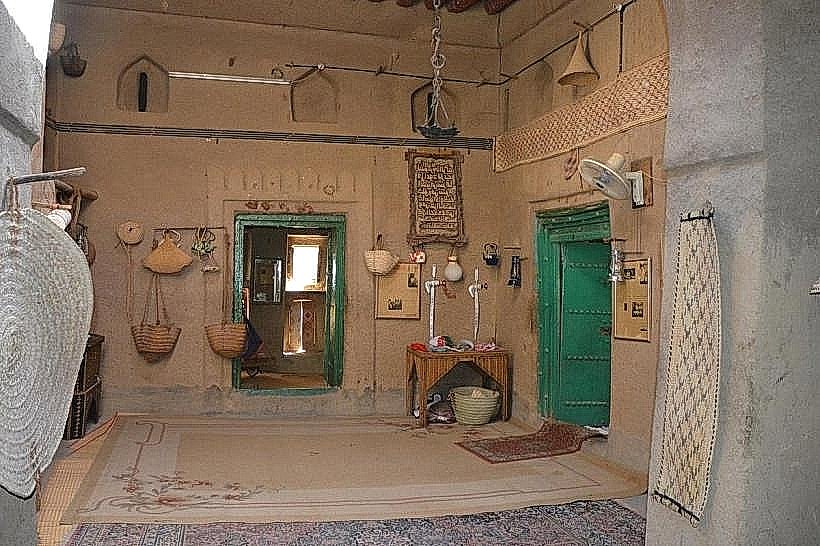
The structure is a multi-story mud-brick edifice featuring thick, tapering walls and ceilings constructed from palm fronds and wooden beams. The interior is divided into specialized rooms for dates storage, coffee preparation, and weaving. The aesthetic is defined by earthen tones, traditional rugs, and authentic household implements, with sunlight filtered through small, high-set windows.
Location & Access Logistics
The museum is located in the old quarter of Al Hamra, approximately 200km from Muscat and 45km from Nizwa. Access is via the paved road leading into Al Hamra; visitors must park in the designated areas on the periphery of the old town and proceed on foot through the mud-brick ruins to reach the museum entrance. No public transit serves the site directly; private vehicles are the standard mode of arrival.
Historical & Ecological Origin
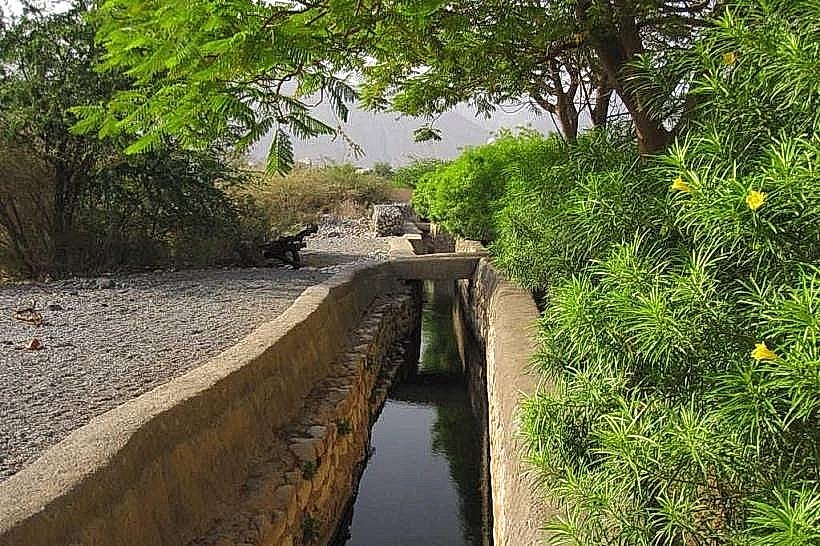
The building itself is estimated to be over 400 years old, originally serving as a private residence for a prominent local family. It was converted into a museum to preserve the heritage of the Al Hamra oasis. The site is ecologically tied to the surrounding palm groves, which are irrigated by the ancient Falaj Al Hamra, providing the materials (mud, palm wood, and fibers) used in the building’s construction.
Key Highlights & Activities
The museum operates as a "living" exhibit where local men and women demonstrate traditional Omani skills:
Culinary Arts: Observation of Omani bread (Rakhhal) being baked over open flames and the roasting of Omani coffee.
Oil Extraction: Traditional pressing of oil from local seeds using stone implements.
Handicrafts: Live demonstrations of weaving, pottery, and the preparation of traditional perfumes and medicines.
Architecture: Exploration of the multi-level layout, including the cool lower floors and the ventilated upper living quarters.
Infrastructure & Amenities
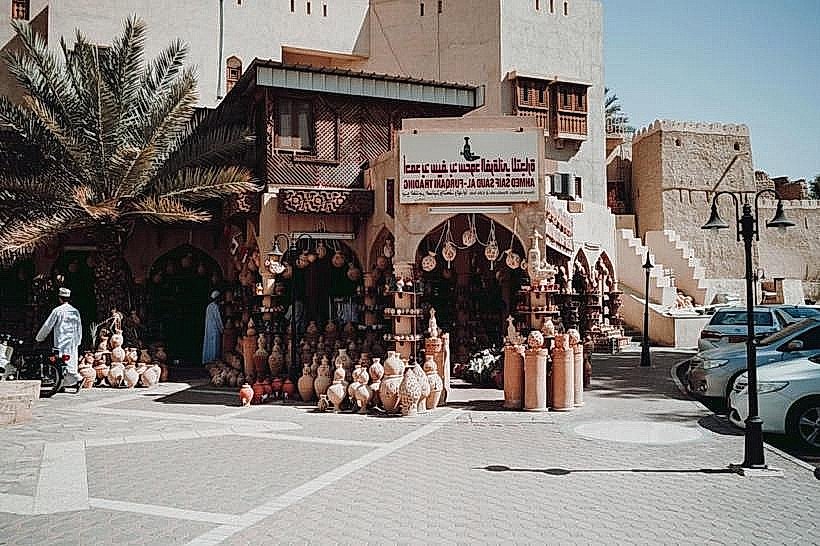
The museum contains a small traditional gift shop and a seating area where visitors are served Omani coffee and dates. Basic public restrooms are available on-site. 5G cellular signal is reliable in the surrounding town. While the ground floor is accessible, the upper levels are reached via steep, narrow mud-brick stairs, which may be difficult for those with limited mobility.
Best Time to Visit
The museum is best visited during the morning hours (09:00–12:00) when the demonstrations are most active. The indoor environment remains relatively cool even in summer, but the winter months (October to March) are more pleasant for the walk through the old town ruins to reach the entrance.
Facts & Legends
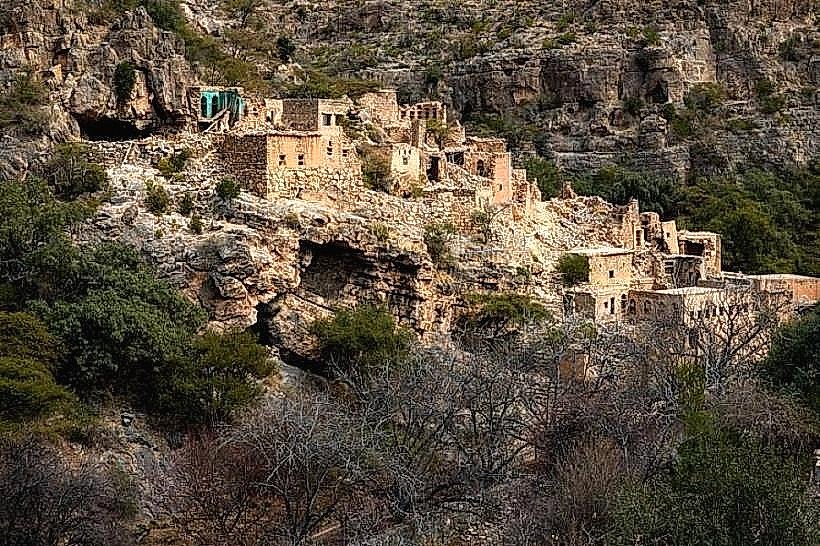
The mansion is built directly onto the rocky outcrop that forms the foundation of the old town, utilizing the natural stone as part of the ground-floor structure. A local detail for visitors is that the mud-brick walls are up to one meter thick in some sections, providing natural thermal insulation that keeps the interior temperature constant throughout the year.
Nearby Landmarks
Al Hamra Old Town - 0km (Location site)
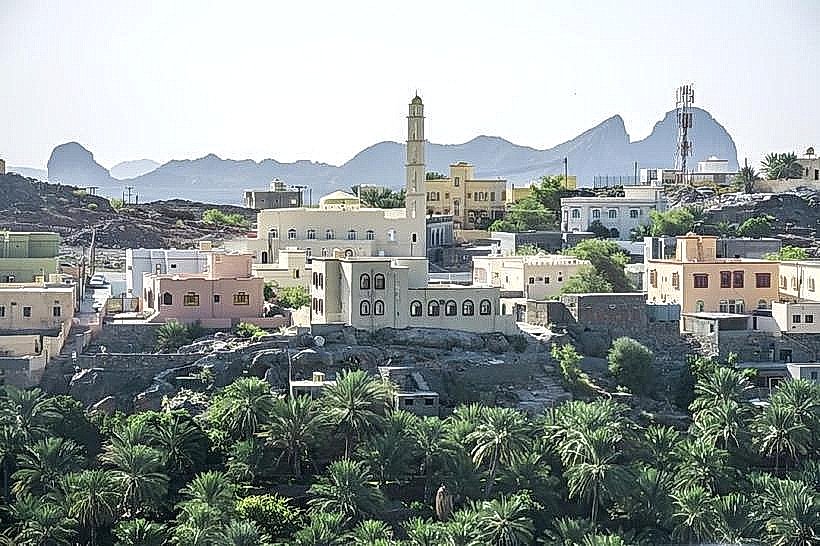
Misfat Al Abriyeen - 6km North
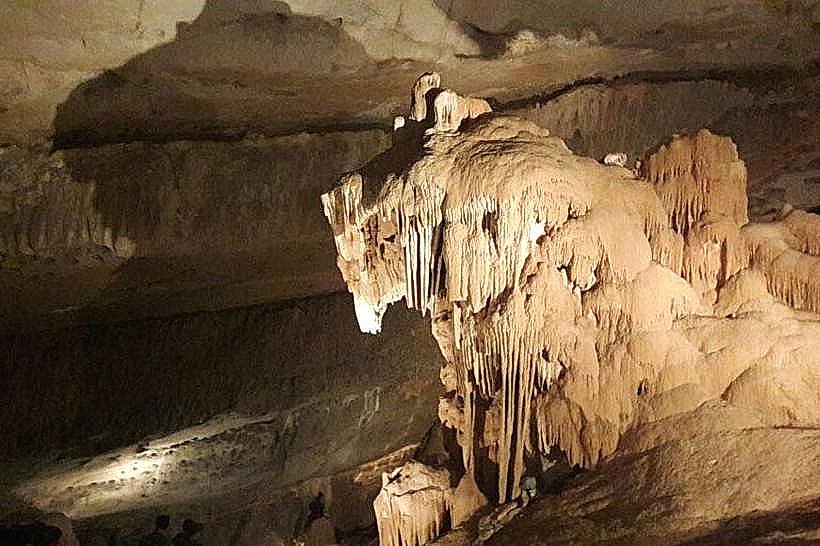
Al Hoota Cave - 8km West
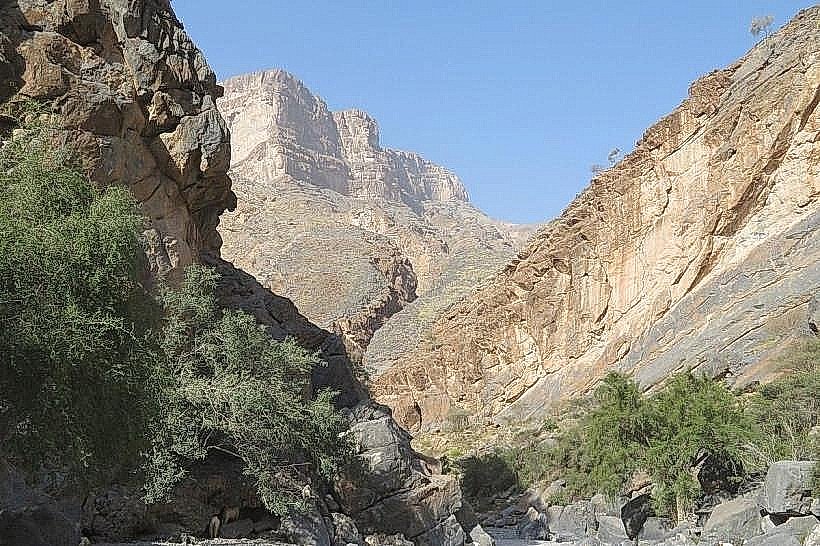
Wadi Ghul - 10km North-West
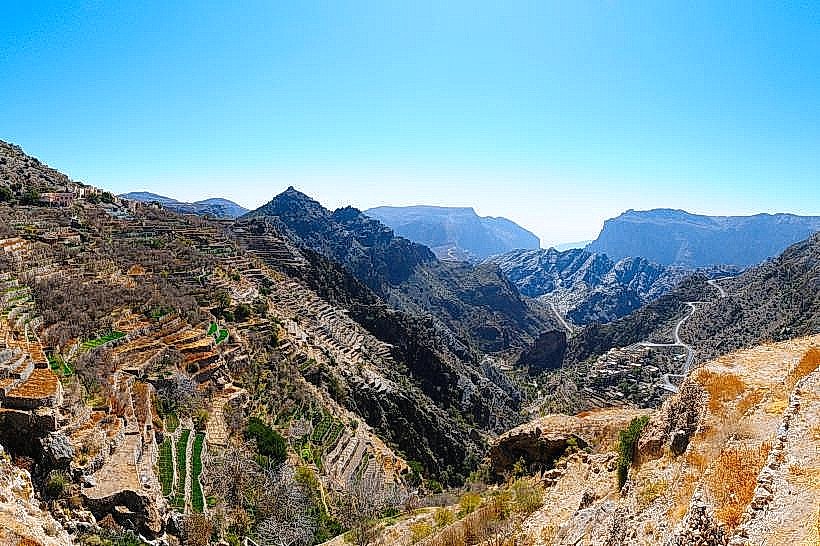
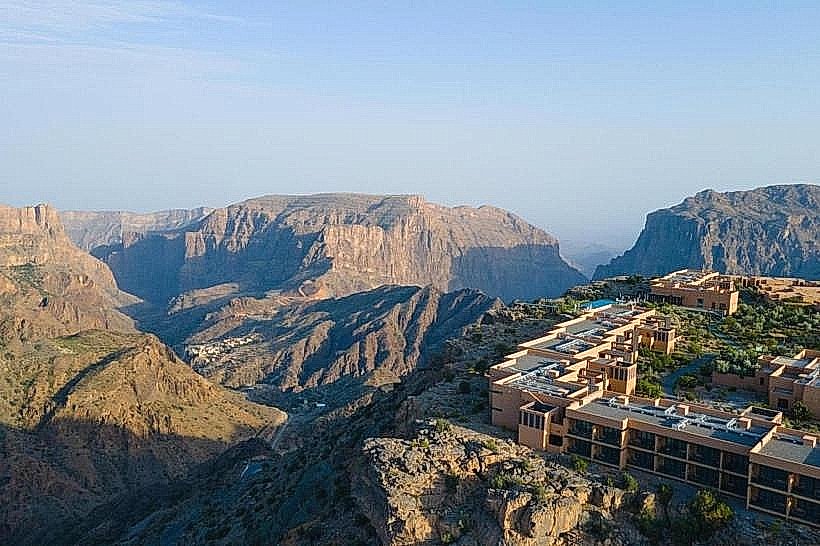
Jebel Shams Plateau - 22km North-West