Landmark: Tanuf Ruins
City: Nizwa
Country: Oman
Continent: Asia
Tanuf Ruins, Nizwa, Oman, Asia
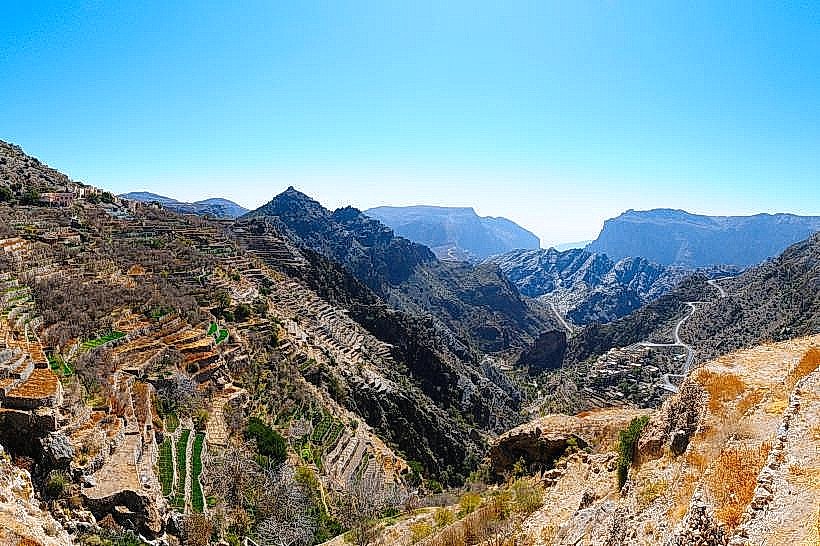
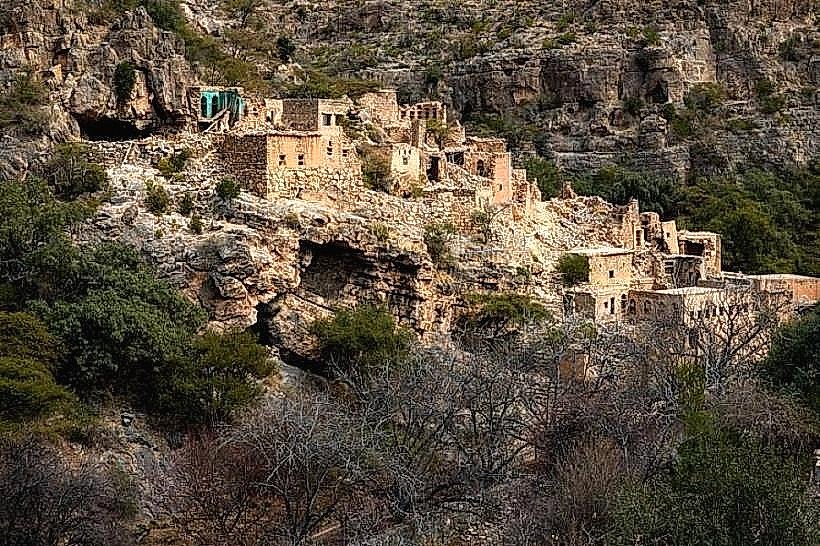
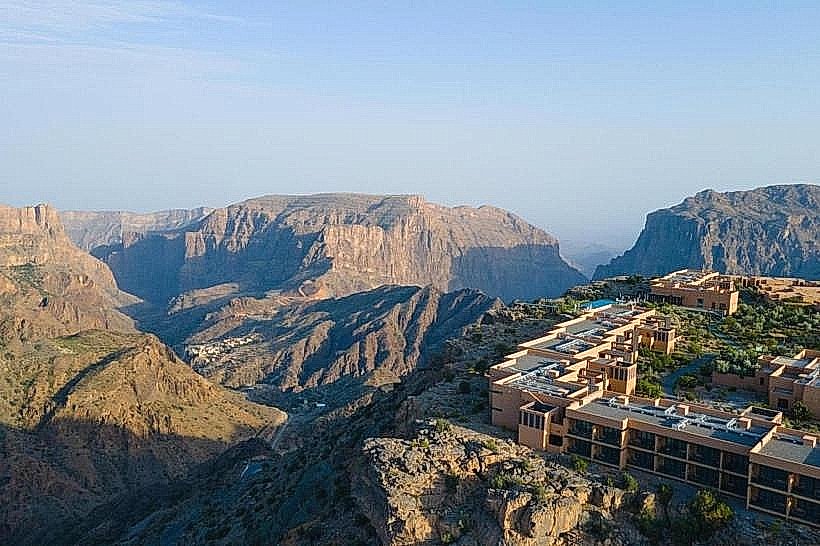
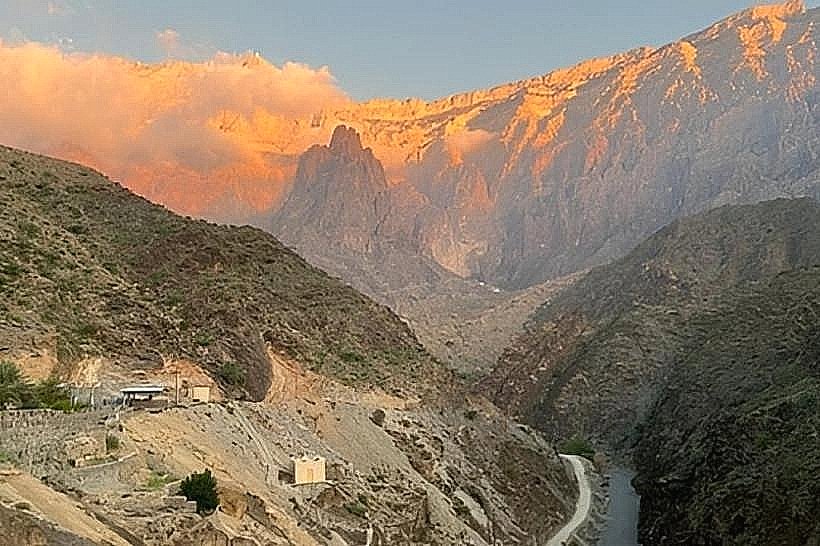
The Tanuf Ruins are the remains of a historic mountain village located at the mouth of Wadi Tanuf in the Ad Dakhiliyah Governorate. The site is situated at the base of the Jabal Akhdar massif, approximately 20km northwest of Nizwa.
Visual Characteristics
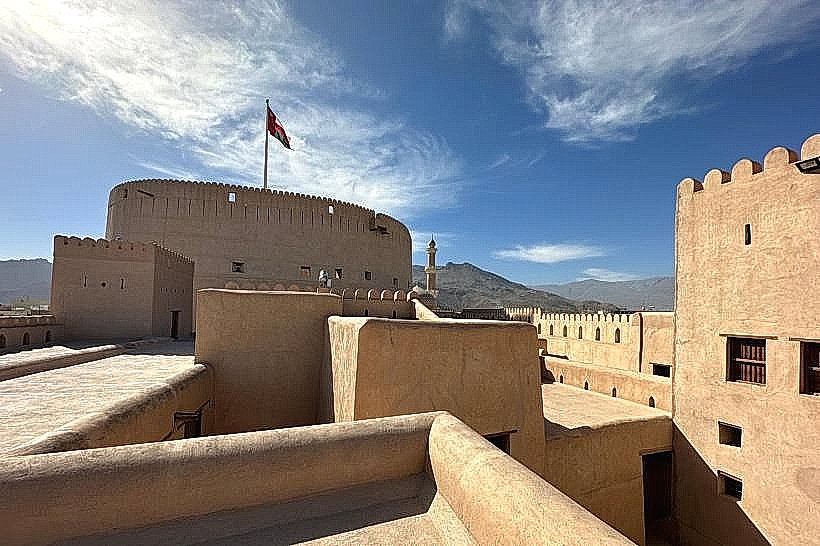
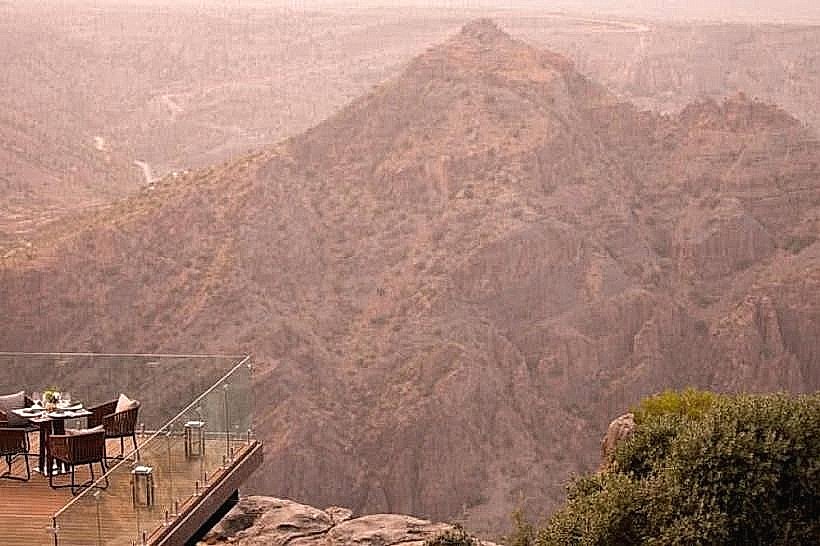
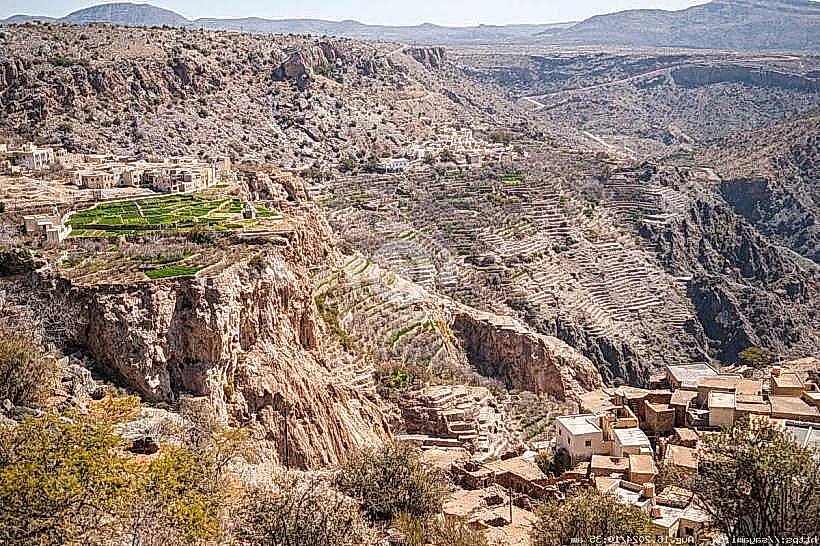
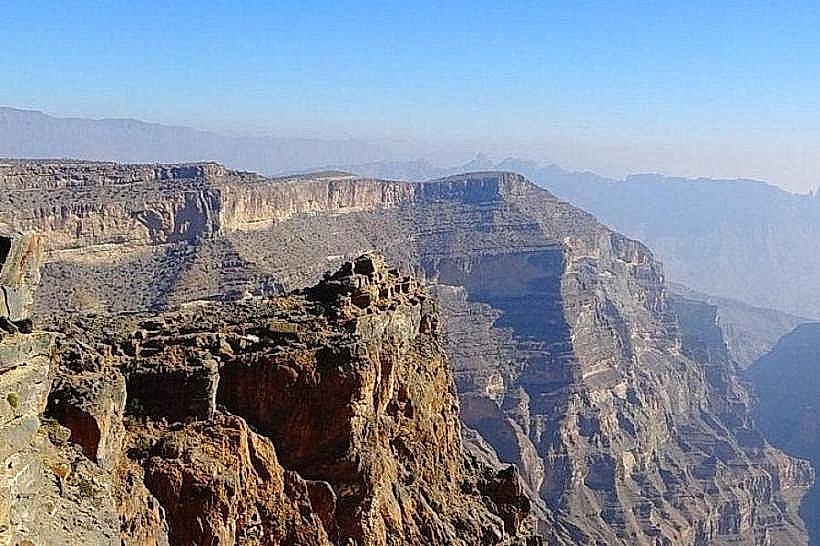
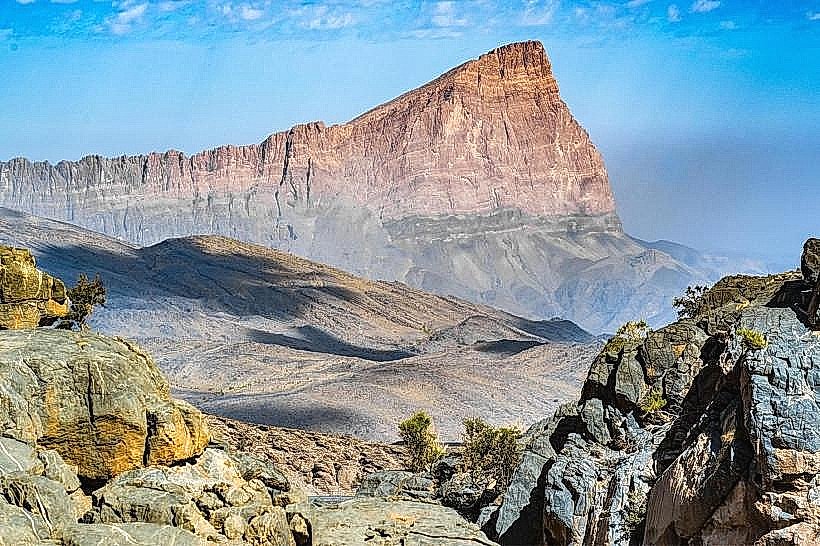
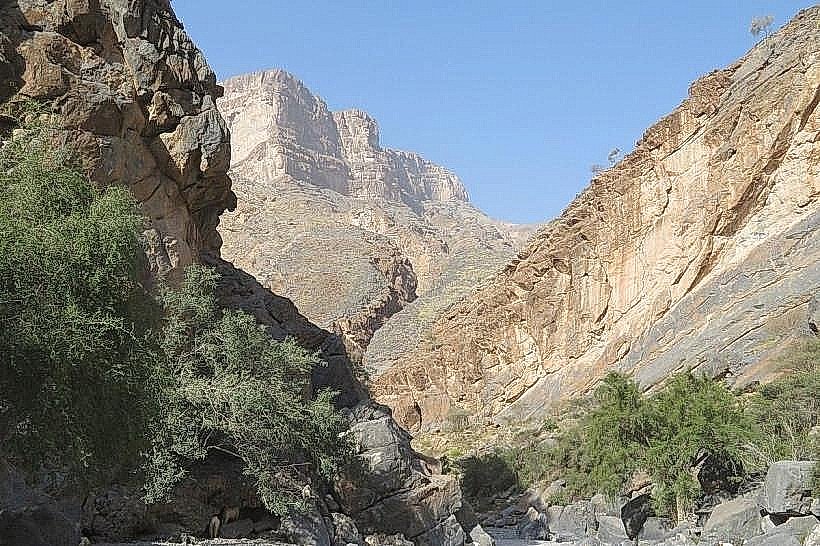
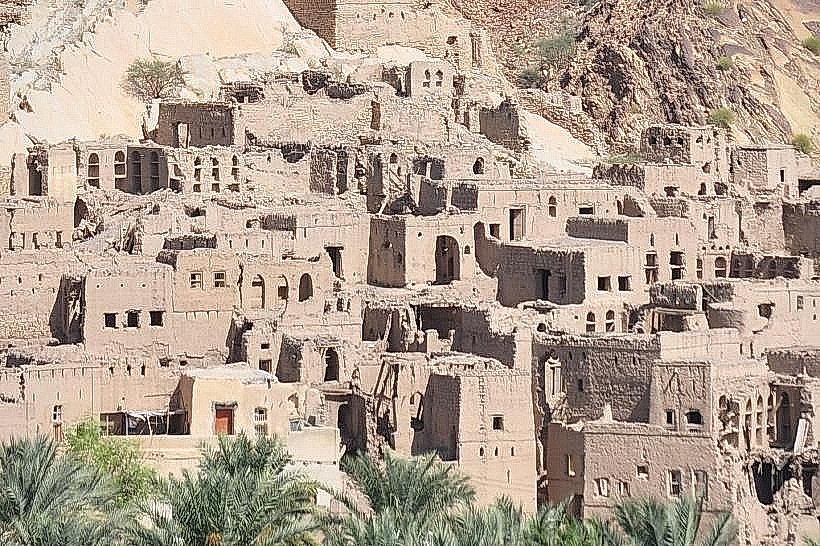
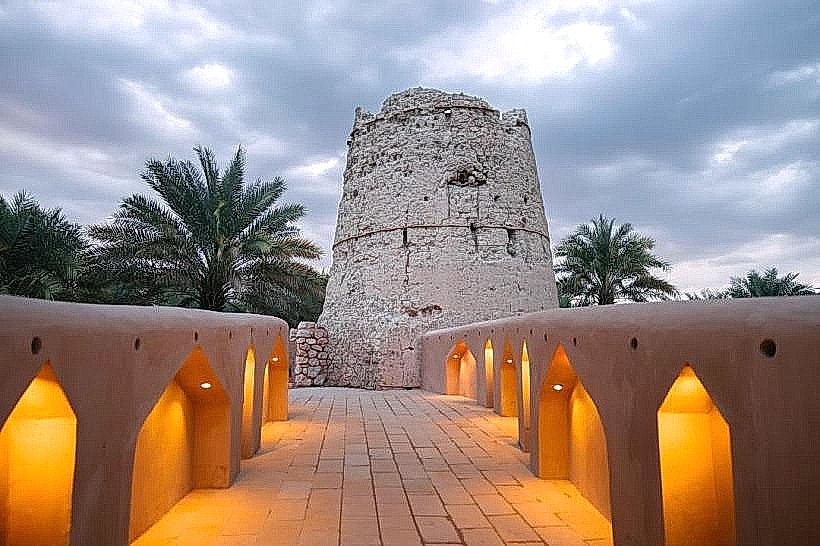
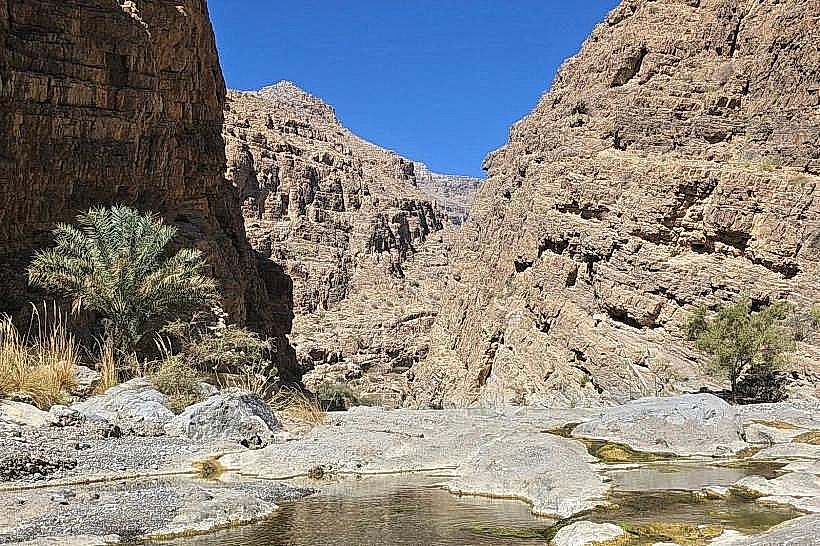
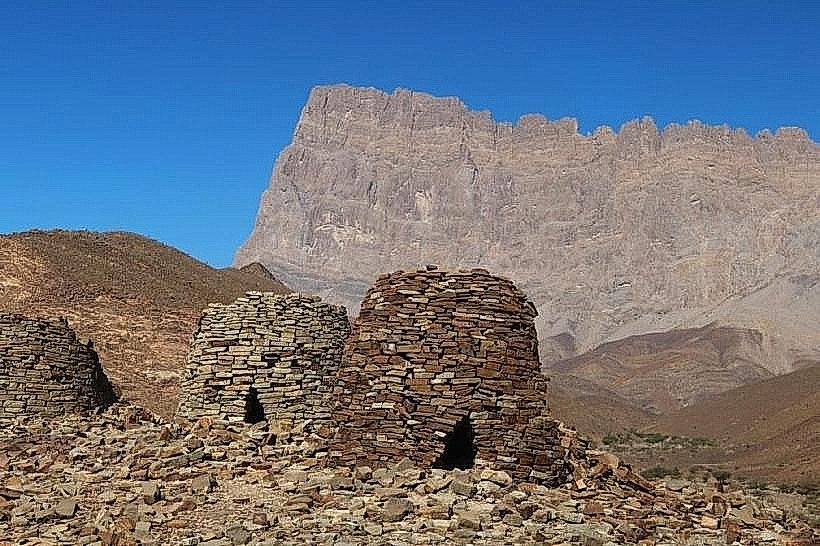
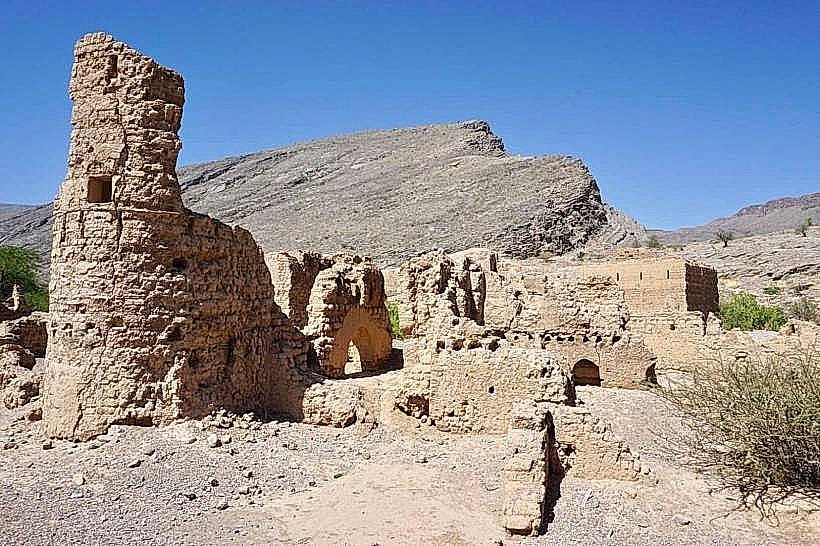
The ruins consist of multi-story structures built from sun-dried mud bricks and local limestone, now largely collapsed or roofless. The architecture features traditional Omani defensive elements, including thick walls and narrow window slits. The site is situated on a slightly elevated rocky plateau, with the stark, vertical grey cliffs of the Hajar Mountains forming the immediate backdrop and a dense date palm grove located directly to the south.
Location & Access Logistics
Access is via the Nizwa-Bahla road (Route 21), with a dedicated turn-off leading through the modern Tanuf village. The road is paved to the edge of the ruins. A small unpaved parking area is located adjacent to the abandoned structures. No public transport serves the site directly; private vehicles or taxis from Nizwa or Al Hamra are the standard transit methods.
Historical & Ecological Origin
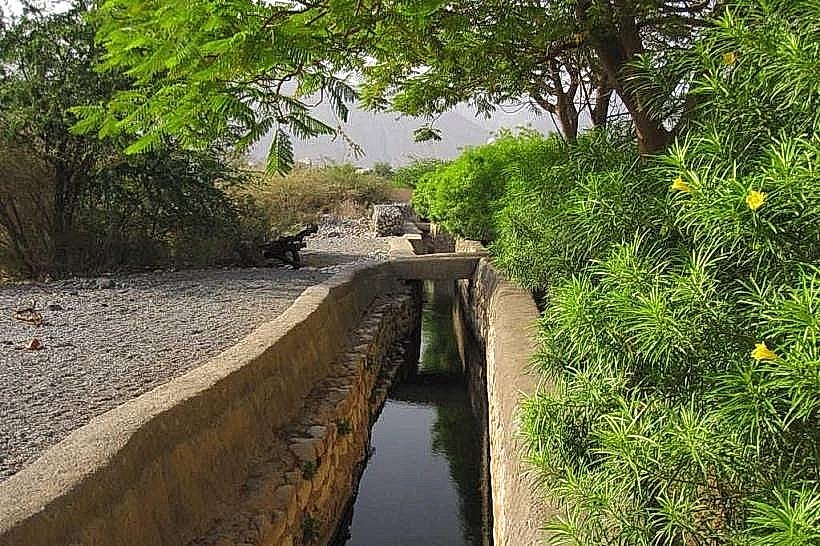
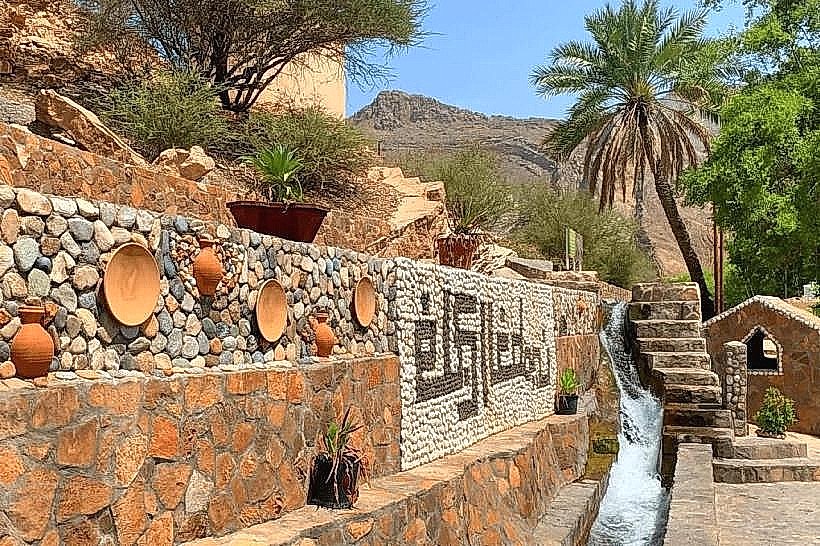
The village was the ancestral home of the Bani Riyam tribe and served as a strategic mountain stronghold. The settlement was heavily bombarded and destroyed during the Jebel Akhdar War in the mid-1950s. Ecologically, the ruins are adjacent to the natural springs of Wadi Tanuf, which continue to supply water for the nearby mineral water bottling plant and the local irrigation system.
Key Highlights & Activities
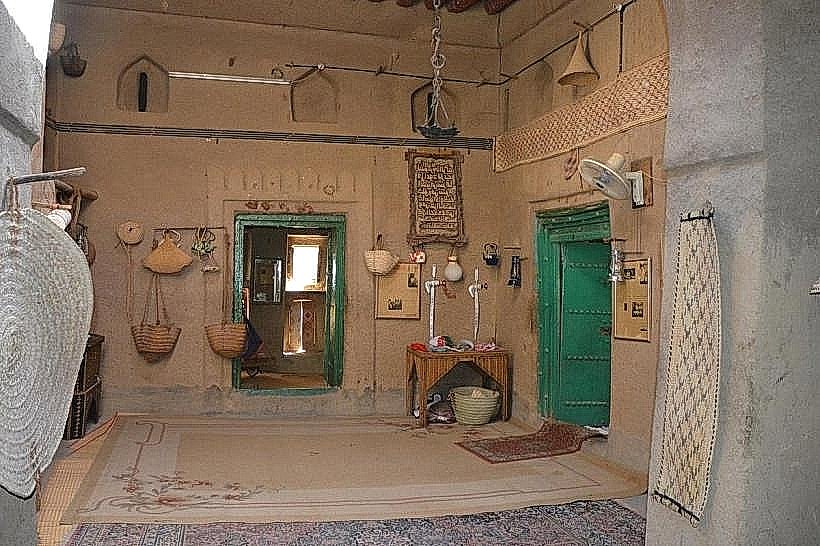
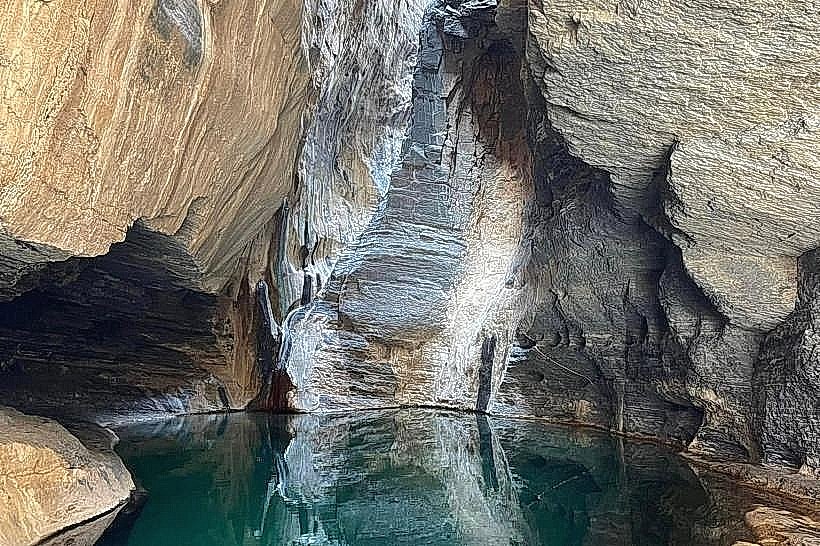
Walking through the abandoned alleys allows for the observation of traditional construction techniques, such as the use of palm-frond roofing supports and mud-plastered walls. Photography is a primary activity, focusing on the contrast between the crumbling masonry and the surrounding mountain landscape. The adjacent wadi floor provides opportunities for short walks and seasonal picnicking near freshwater pools.
Infrastructure & Amenities
There is no formal infrastructure at the ruins. No public restrooms, shaded pavilions, or visitor centers exist within the historical site. 4G cellular signal is stable due to the proximity of the modern Tanuf village. Basic grocery stores and small cafes are located within 1km of the ruins in the newer residential area.
Best Time to Visit
The winter months from November to March provide the most temperate climate for exploring the sun-exposed site. Photography is optimal during the late afternoon when the sun highlights the texture of the mud-brick walls and creates deep shadows against the mountain cliffs. Early morning visits avoid the midday heat common even in cooler months.
Facts & Legends
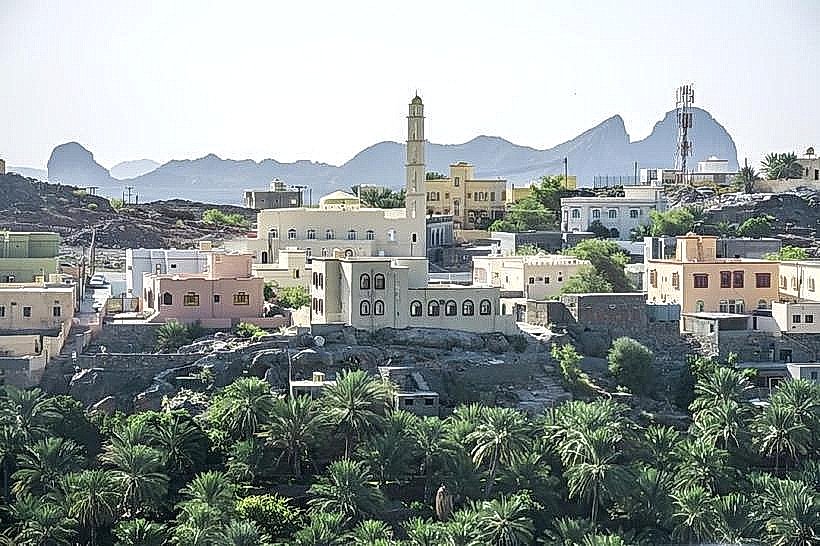
The ruins remain as a preserved monument to the Jebel Akhdar conflict; unlike other historic villages in Oman, Tanuf was never rebuilt, leaving the 1950s-era destruction visible. A local observation is the proximity of the ancient ruins to the modern Tanuf water factory, symbolizing the transition from traditional tribal life to contemporary industry.
Nearby Landmarks
Wadi Tanuf - 0.2km North
Nizwa Fort - 22km South-East
Bahla Fort - 20km South-West
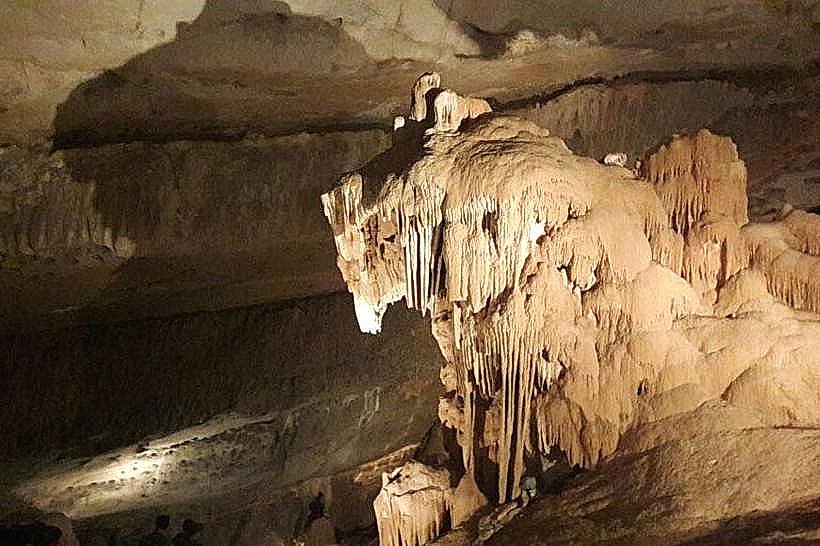
Al Hoota Cave - 18km West
Falaj Daris - 18km South-East