Landmark: Wadi Tanuf
City: Nizwa
Country: Oman
Continent: Asia
Wadi Tanuf, Nizwa, Oman, Asia
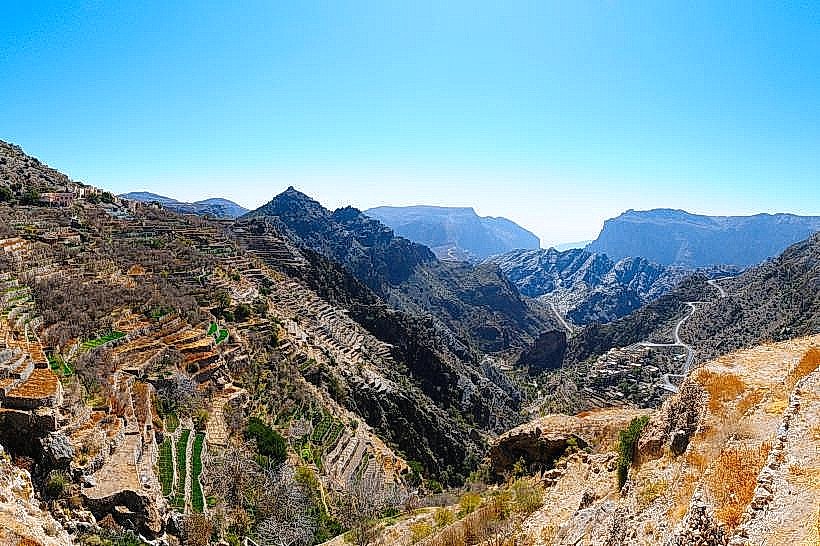
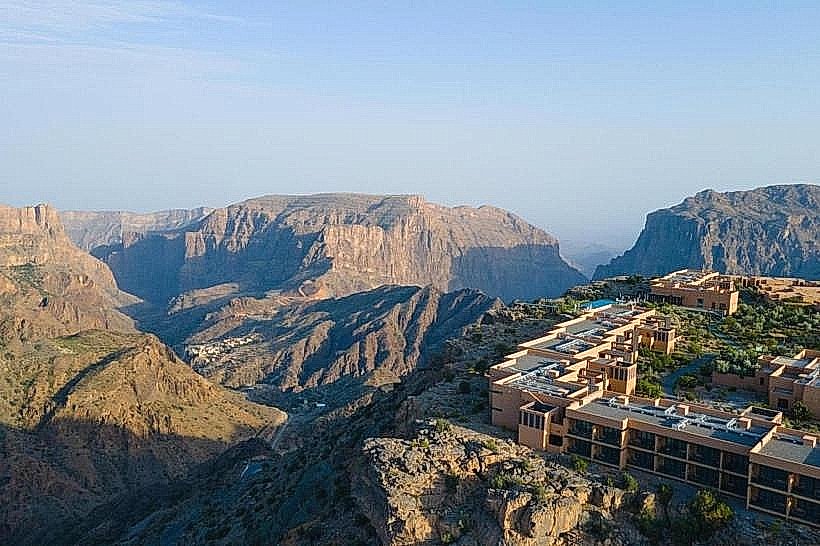
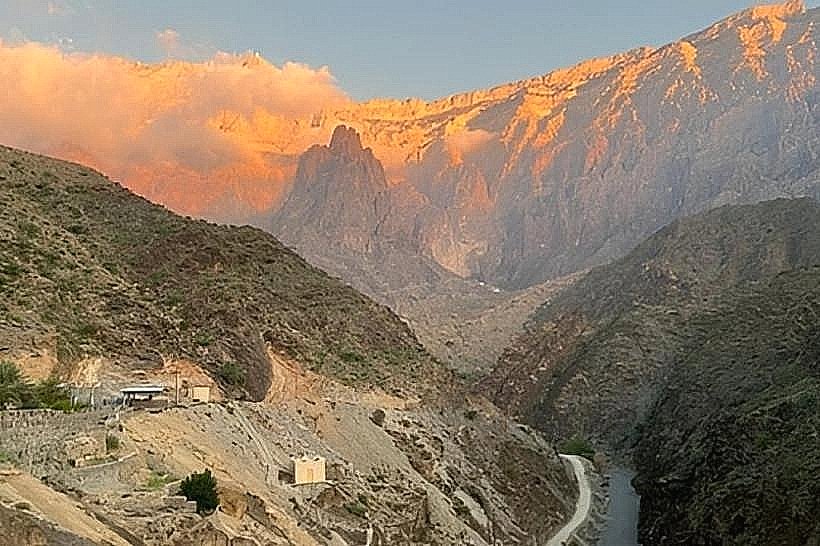
Wadi Tanuf is a seasonal riverbed and gorge located at the southern base of the Jabal Akhdar mountain range in the Ad Dakhiliyah Governorate. It is situated approximately 20km northwest of the Nizwa city center and is characterized by its proximity to the historical ruins of the old Tanuf village.
Visual Characteristics
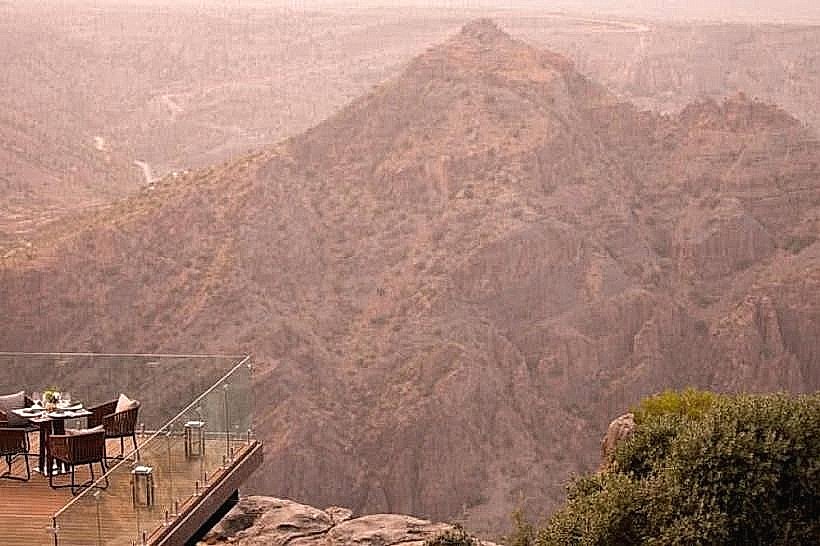
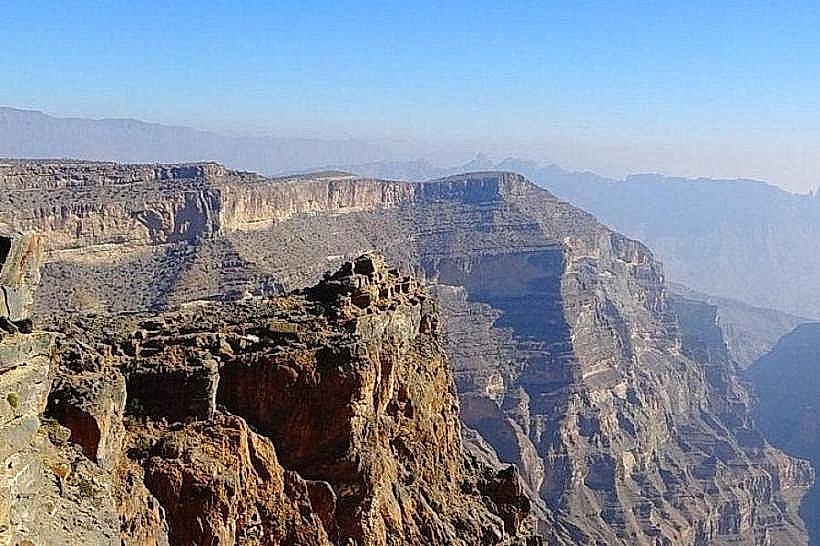
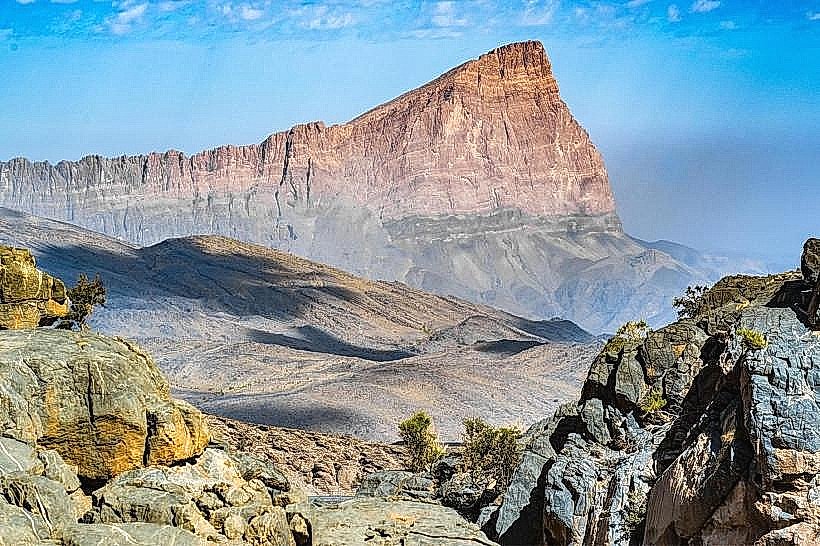
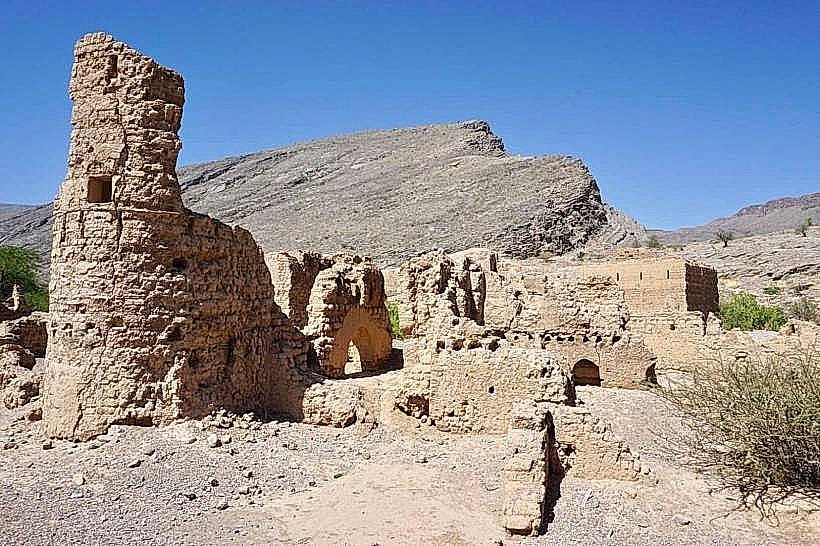
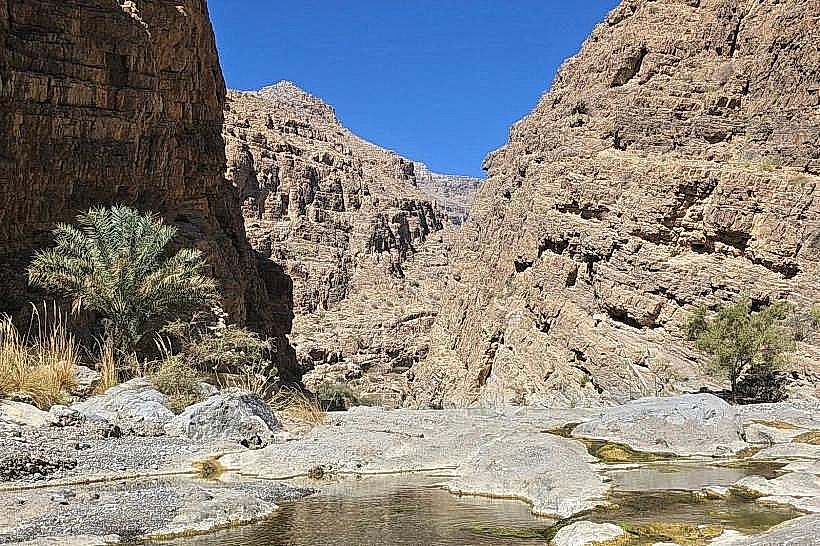
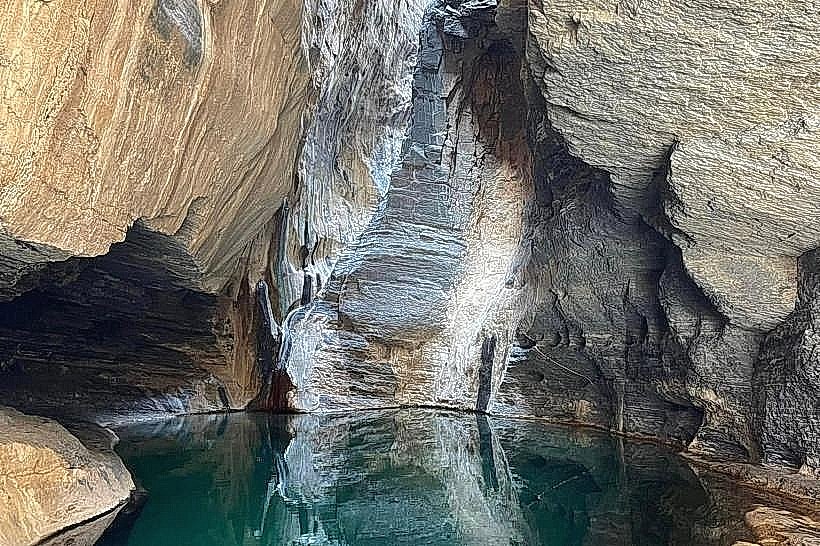
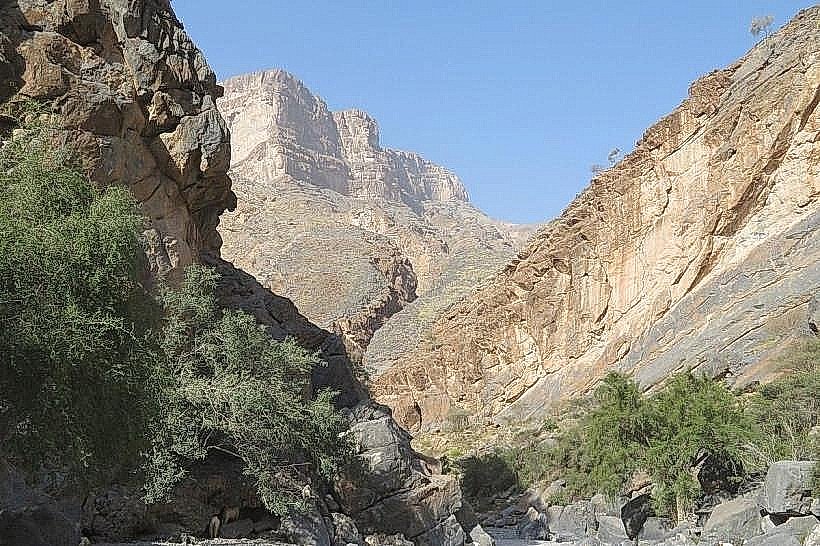
The wadi features a wide, gravel-strewn bed flanked by steep, vertical limestone cliffs and jagged rock formations. During periods of rainfall, the area contains clear freshwater pools and a flowing stream that navigates through large boulders. Vegetation is concentrated along the wadi floor, consisting of hardy acacia trees, wild grasses, and desert shrubs that contrast with the grey and tan hues of the surrounding Hajar Mountains.
Location & Access Logistics
Access is via Route 21 (Nizwa-Bahla Road), following signs for the village of Tanuf. A paved road leads to the entrance of the wadi and the ruins of the old village. To drive deeper into the wadi bed, a 4WD vehicle is required to navigate the loose gravel and rocky terrain. There is no public transport directly to the wadi; visitors must use private cars or taxis from Nizwa or Al Hamra.
Historical & Ecological Origin
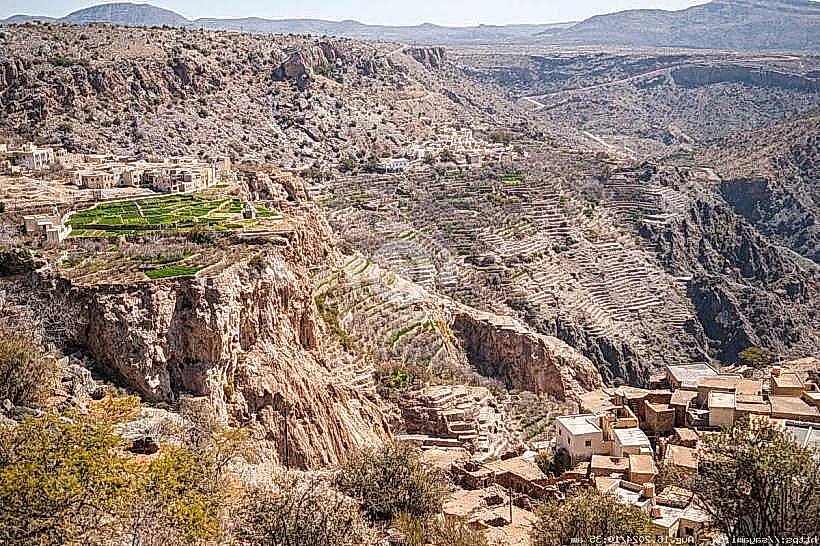
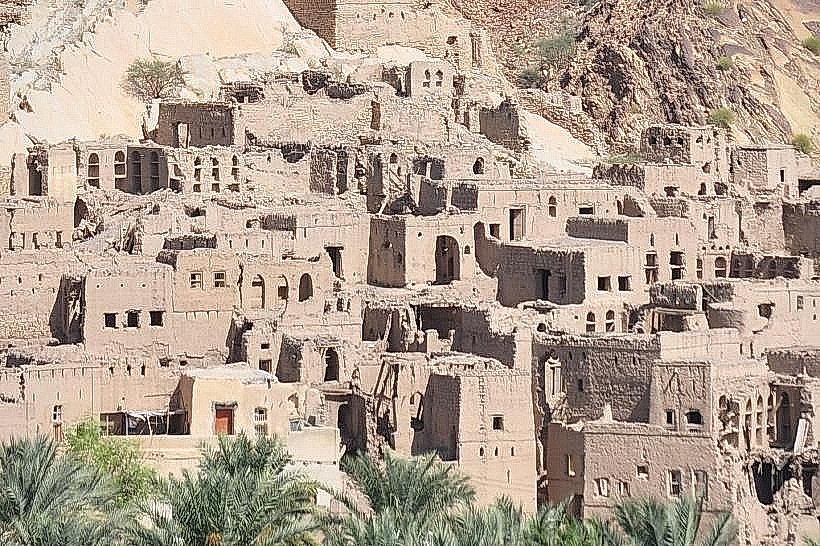
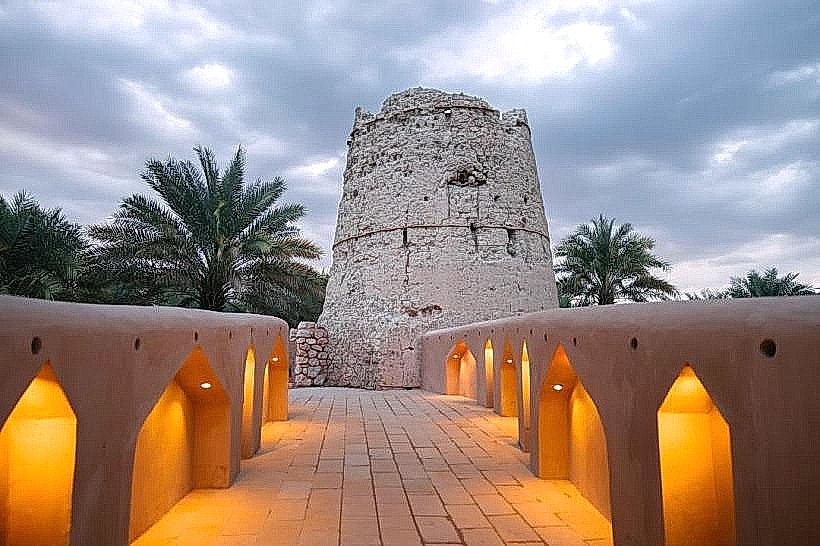
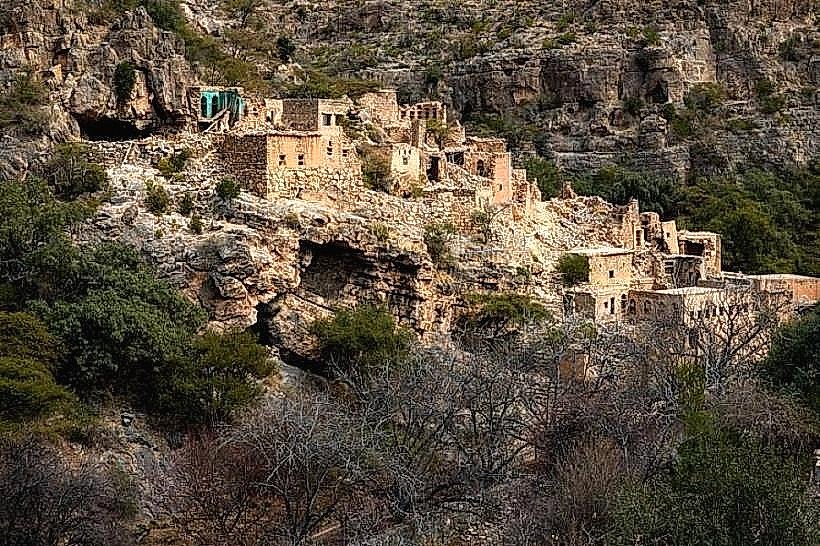
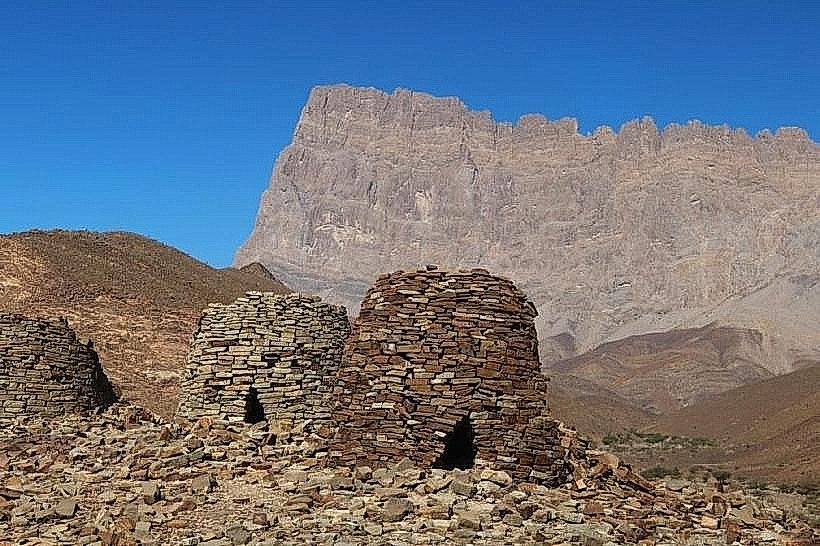
The site is historically significant as the location of the old Tanuf village, which was destroyed during the Jebel Akhdar War in the 1950s. The ruins of mud-brick and stone houses remain visible on the plateau at the wadi's entrance. Ecologically, the wadi is a primary source of mineral water, and a major bottling plant is situated near the entrance, utilizing the natural springs that descend from the mountain aquifers.
Key Highlights & Activities
Off-road driving is a primary activity for those with 4WD vehicles exploring the upper reaches of the gorge. Hiking is possible along the wadi floor, leading toward the higher mountain slopes. Exploration of the Tanuf Ruins provides an architectural perspective on traditional Omani mountain settlements. During the winter and rainy seasons, the freshwater pools are used for swimming and picnicking.
Infrastructure & Amenities
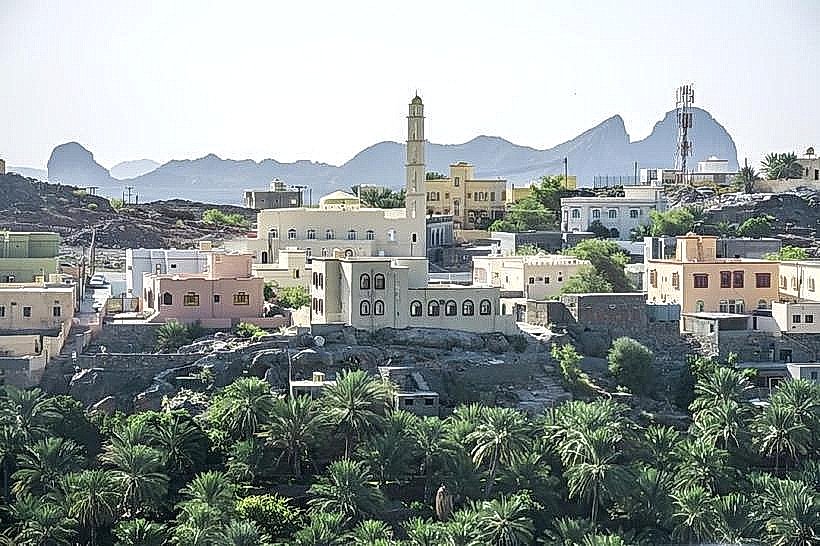
Infrastructure is minimal and primarily focused on the village entrance. There are no public restrooms or shaded pavilions within the wadi itself. A few small grocery stores and local cafes are located in the modern Tanuf village nearby. 4G cellular signal is reliable at the wadi entrance but becomes intermittent or non-existent as the canyon narrows.
Best Time to Visit
The winter months from November to March offer the most comfortable temperatures for hiking and exploration. For photography, the late afternoon light emphasizes the dramatic shadows and textures of the limestone cliffs. Visitors should monitor weather forecasts and avoid the wadi during rain due to the severe risk of rapid flash flooding.
Facts & Legends
Tanuf is a household name in Oman because it is the source of one of the country's most prominent mineral water brands. A historical oddity for visitors is the visible contrast between the completely abandoned mud-brick ruins and the modern water-bottling infrastructure located just a few hundred meters away, illustrating the region's rapid transition.
Nearby Landmarks
Tanuf Ruins - 0.2km North
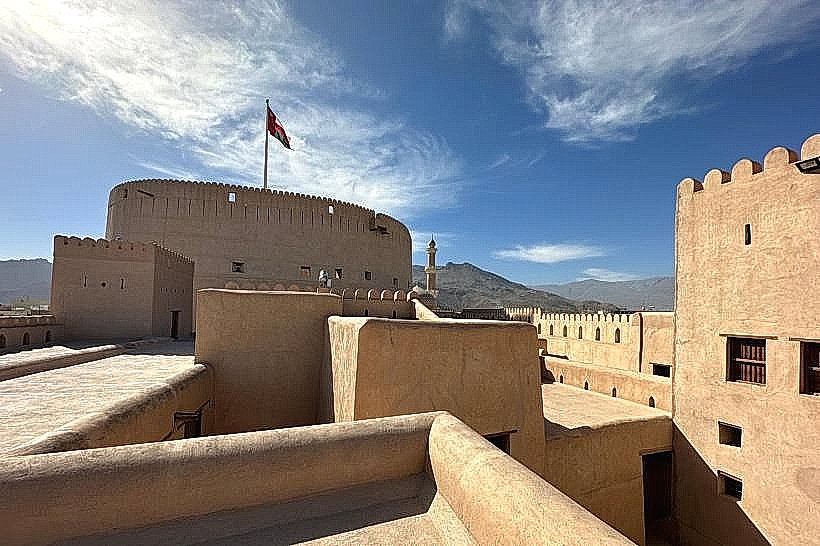
Nizwa Fort - 22km South-East
Bahla Fort - 20km South-West
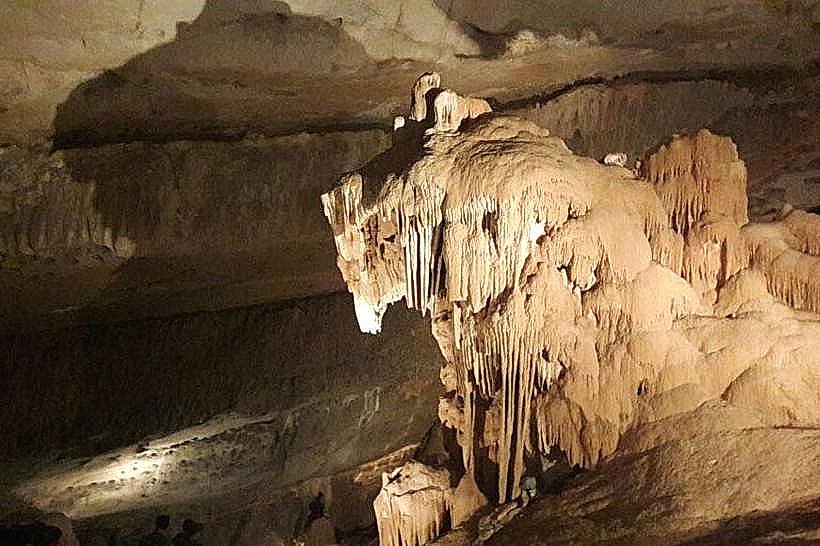
Al Hoota Cave - 18km West
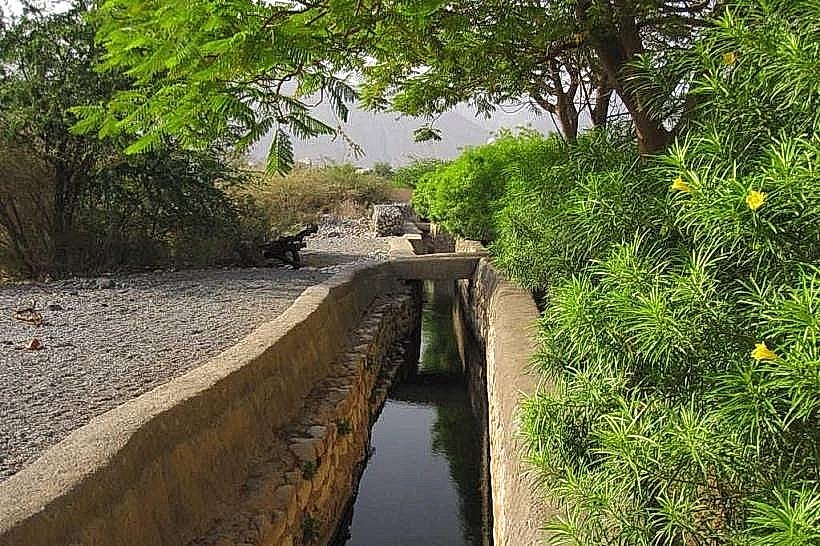
Falaj Daris - 18km South-East