Landmark: Cemetery of the Sea (Cimetière Marin)
City: Saint Louis
Country: Senegal
Continent: Africa
Cemetery of the Sea (Cimetière Marin), Saint Louis, Senegal, Africa
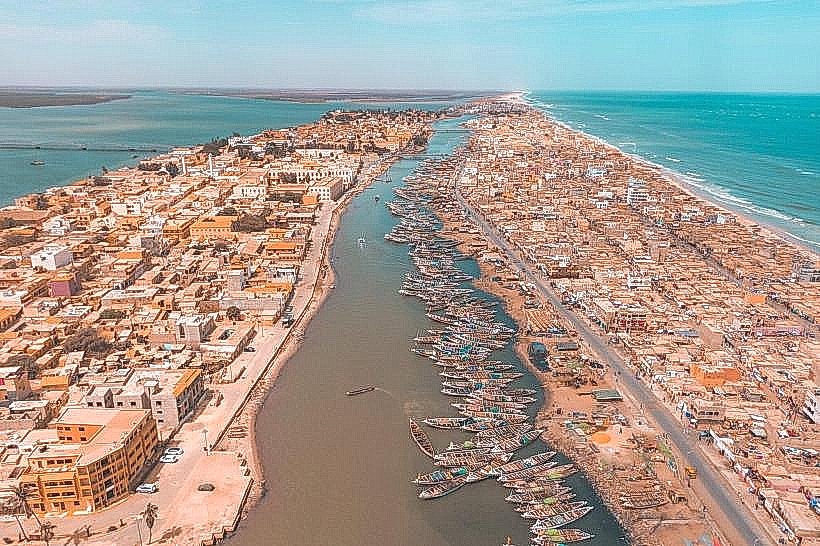
The Cemetery of the Sea (Cimetière Marin) is a historic and picturesque graveyard located in the southern part of the Île de Saint-Louis in Saint-Louis, Senegal. It serves as a final resting place for the city’s Christian community, situated on a narrow strip of land between the Senegal River and the Atlantic Ocean.
Visual Characteristics
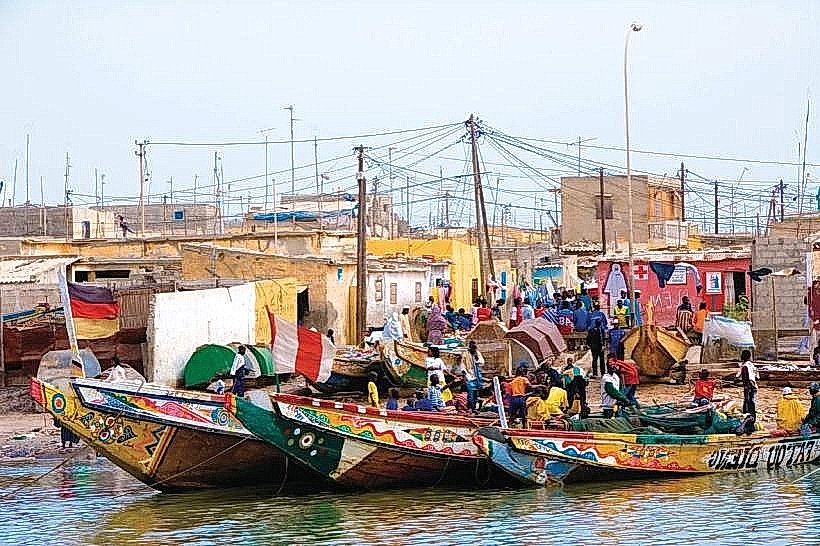
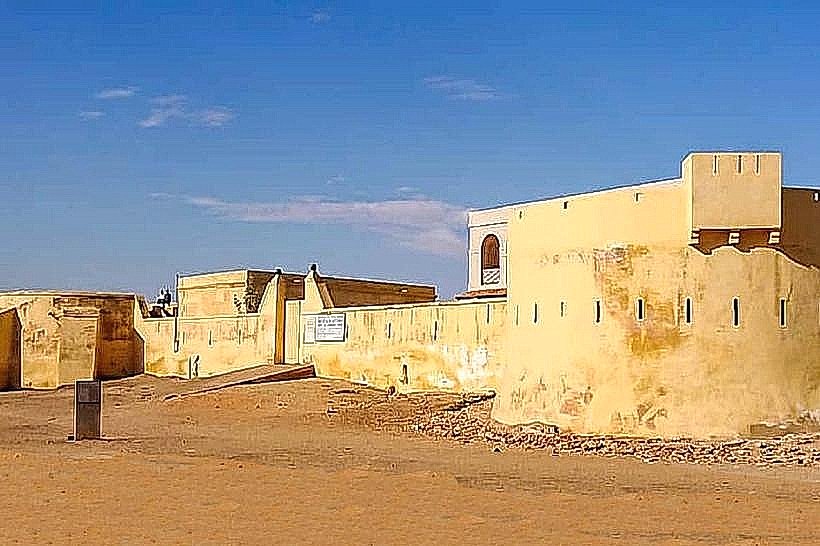
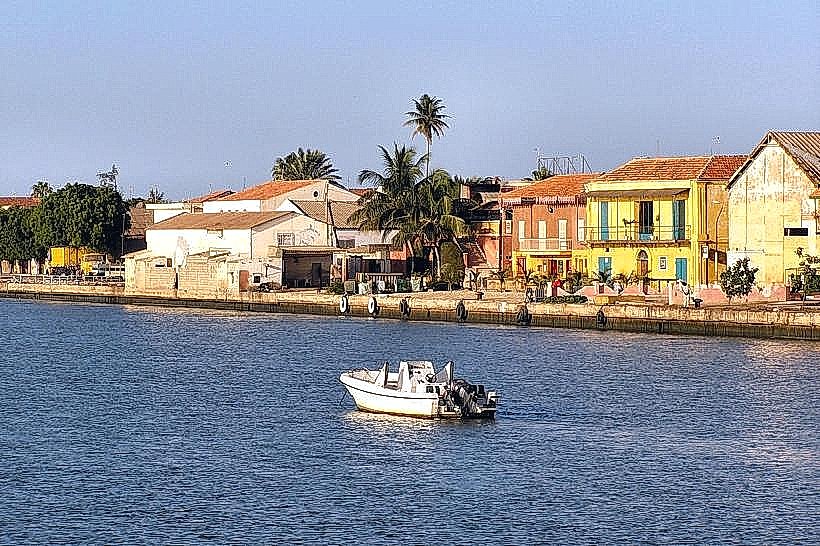
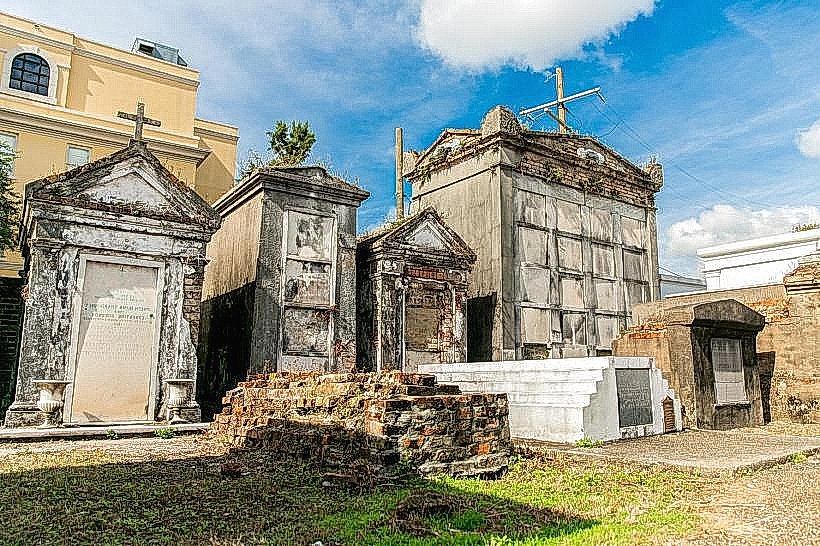
The cemetery is defined by its stark white masonry walls and a collection of weathered stone crosses and ornate marble tombstones. The aesthetic is one of serene decay, with many graves featuring French colonial-era designs, wrought-iron fences, and fading inscriptions. The ground is composed of fine river sand and sparse coastal grasses, often dusted by salt spray from the nearby Atlantic. The site offers an unobstructed view of the river's Petit Bras and the colorful fishing pirogues docked along the opposite shore.
Location & Access Logistics
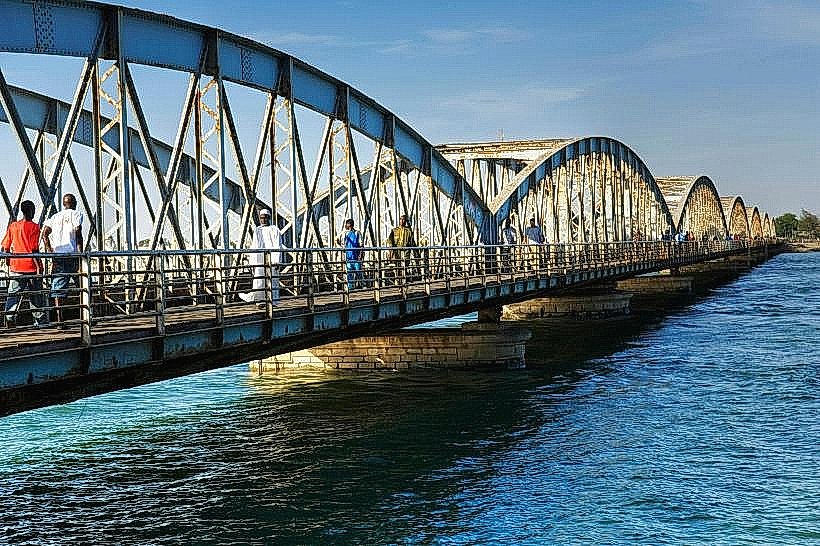
The site is located at the southern extremity of the island, specifically at the end of Quai Henry Jay in the Quartier Sud. It is approximately 1.2km south of the Faidherbe Bridge. Access is primarily by foot along the scenic riverfront promenade or via a horse-drawn carriage (calèche). Taxis can reach the entrance, though the road narrows significantly at the island's tip. There is no formal parking lot, but the area is quiet enough for brief vehicle stops on the sandy shoulder.
Historical & Ecological Origin
Established during the peak of the French colonial administration in the 19th century, the cemetery reflects the multicultural and multi-religious history of Saint-Louis. It was placed at the southern tip to be separate from the dense residential and commercial quarters of the north. Geologically, the site sits on an unstable sandy spit that is highly vulnerable to rising sea levels and coastal erosion, making the preservation of the graves a constant environmental challenge.
Key Highlights & Activities
Visitors can conduct respectful walks to observe the historical epitaphs of prominent colonial-era families, sailors, and administrators. The site is a primary location for quiet reflection and photography, particularly for those interested in colonial funerary art. The perimeter wall provides an excellent vantage point for viewing the convergence of the river and the sea.
Infrastructure & Amenities
The cemetery is a quiet, non-commercial site with minimal infrastructure. There are no public restrooms, visitor centers, or food vendors on the immediate grounds. 4G and 5G cellular signals are reliable. Shade is extremely limited as there are few trees within the walls, so headwear is recommended. Basic maintenance is handled by the local parish, and the gates are generally open during daylight hours.
Best Time to Visit
The late afternoon (16:00 to 18:30) is the optimal time for a visit, as the setting sun illuminates the white gravestones against the blue of the river. The Atlantic breeze is strongest at this time, providing relief from the Sahelian heat. It is best to visit during the dry season (November to June) to avoid the high humidity and potential flooding of the southern point during the rains.
Facts & Legends
A local historical note is that the cemetery contains the remains of many individuals involved in the early maritime and aviation history of the city, including those who served the Aéropostale line. A specific tip for visitors is to look for the oldest section near the river wall, where the salt air has smoothed the stones into abstract shapes, creating a "ghostly" visual effect unique to this coastal location.
Nearby Landmarks
CRDS Museum – 0.2km North
Pointe Sud (Southern Tip) – 0.1km South
Lycée Cheikh Omar Foutiyou Tall – 0.3km Northeast
Meissa Fall Sculptures – 0.6km North
Quai Henry Jay – 0.1km West