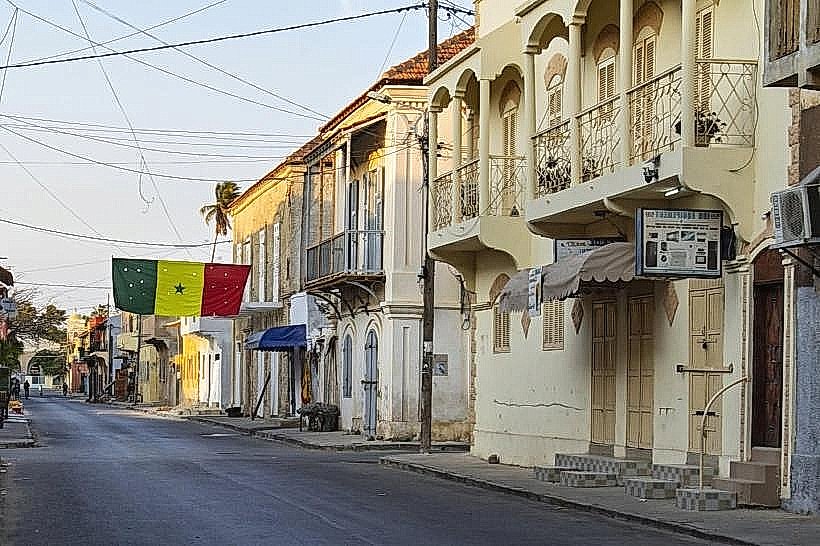
Landmark: Rue Khalifa Ababacar Sy
City: Saint Louis
Country: Senegal
Continent: Africa
Rue Khalifa Ababacar Sy, Saint Louis, Senegal, Africa
Rue Khalifa Ababacar Sy is a major urban artery and transit corridor located in the northern district of Dakar, Senegal. It serves as a critical East-West link connecting the residential and commercial zones of Fass, Gueule Tapée, and Amitié to the Atlantic coast.
Visual Characteristics
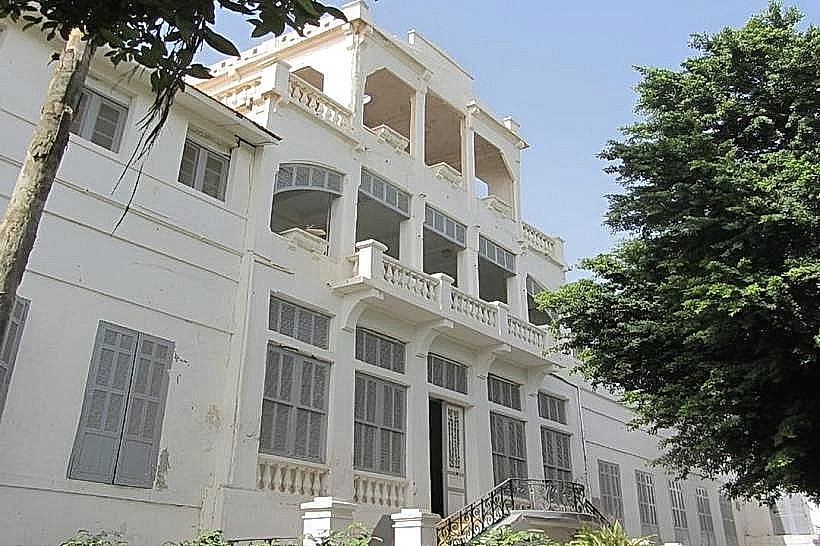
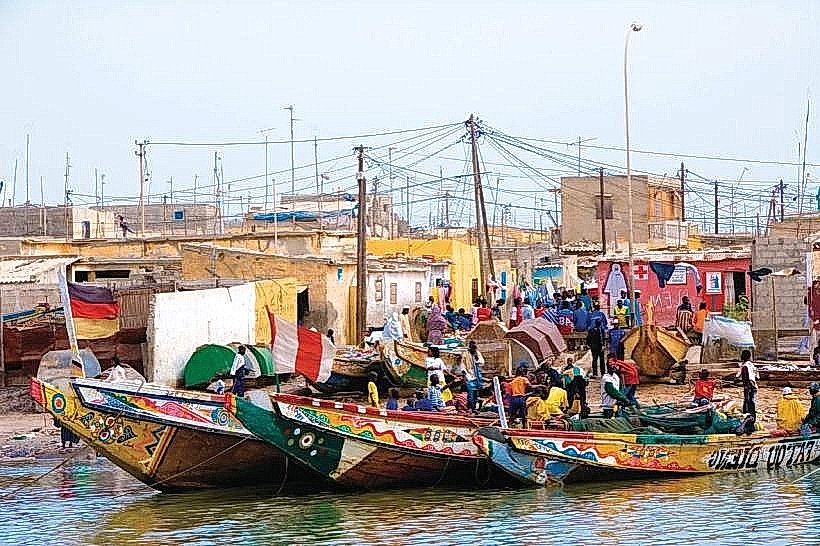
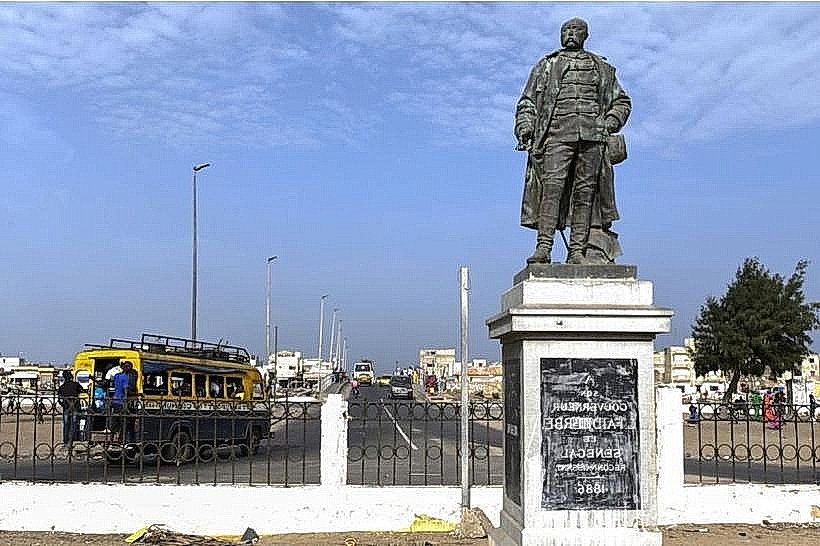
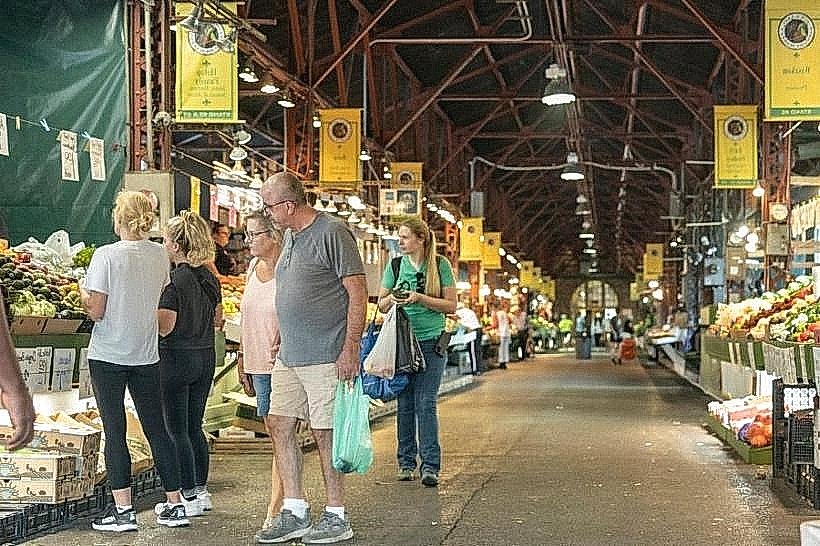
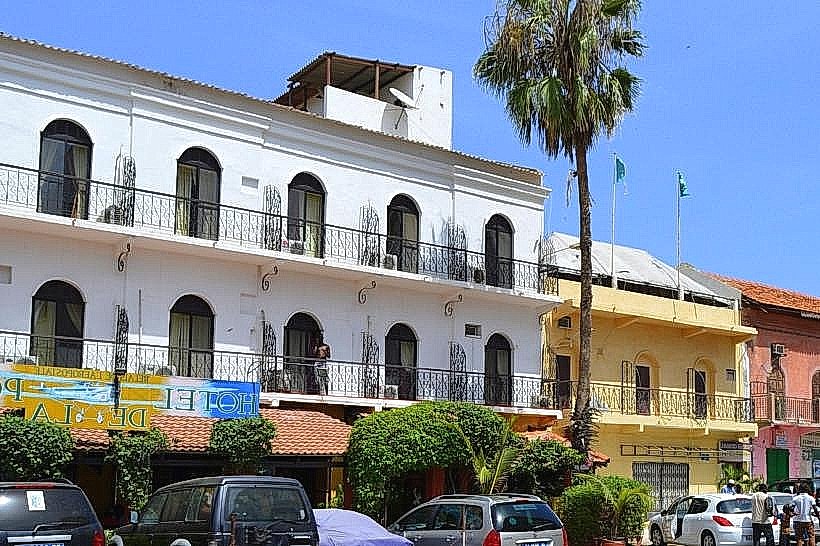
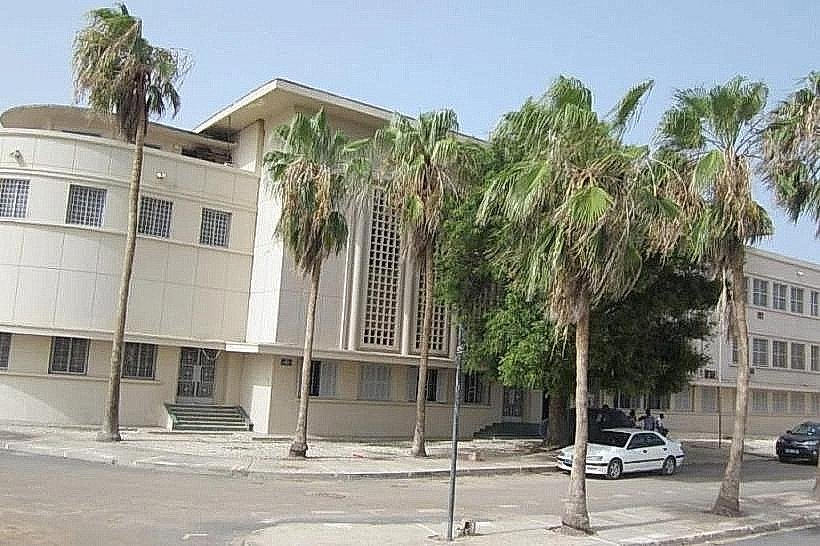
The thoroughfare is characterized by a wide, paved multi-lane road flanked by a mix of mid-rise concrete apartment buildings, commercial storefronts, and informal vendor kiosks. It features a high density of street-level activity, including colorful public transit vehicles (cars rapides), storefront awnings in various shades, and urban vegetation consisting primarily of hardy Neem trees. The architectural style along the route is predominantly modern Sahelian, utilizing reinforced concrete with occasional decorative tile work.
Location & Access Logistics
The road is situated in the Dakar Plateau and Médina administrative regions, extending from the Canal de la Gueule Tapée toward the Corniche Ouest. It is approximately 4km northwest of the Dakar city center (Place de l'Indépendance). Access is facilitated by numerous Dakar Dem Dikk bus lines and a constant flow of yellow-and-black taxis. The road intersects with major routes including Avenue Cheikh Anta Diop and the Route de la Corniche Ouest. Public parking is limited to informal street-side spaces and small private lots attached to commercial centers.
Historical & Ecological Origin
The street is named after Khalifa Ababacar Sy (1885–1957), the first General Caliph of the Tidjane brotherhood in Senegal, reflecting the deep religious and cultural heritage of the region. Historically, this area was part of the planned urban expansion of Dakar in the mid-20th century, designed to relieve congestion in the colonial plateau. The terrain is flat, sitting on the volcanic and sedimentary peninsula of Cap-Vert, with sandy soil typical of the coastal Sahel.
Key Highlights & Activities
Specific activities include visiting the various specialized textile shops and electronics retailers that line the boulevard. The road serves as a primary route for those accessing the Université Cheikh Anta Diop (UCAD) and the nearby Grand Mosque of Dakar. Observation of the "Taaxuran" (evening street life) offers insight into the local social dynamics of the Médina and Fass neighborhoods.
Infrastructure & Amenities
The infrastructure includes paved sidewalks, though their width varies due to vendor encroachment. There are no public restrooms directly on the street, but facilities are available within the numerous gas stations and pharmacies along the route. 4G and 5G cellular coverage is exceptionally strong. Numerous food options exist, from informal "dibiteries" (roasted meat stalls) to established Lebanese and Senegalese restaurants.
Best Time to Visit
The road is most vibrant during the late afternoon (17:00 to 19:00) when local residents gather and the heat of the day subsides. For transit efficiency, midday (10:00 to 14:00) is preferable to avoid the extreme congestion of the morning and evening rush hours. Photography is best suited to the morning hours when the sun illuminates the eastern-facing facades of the Médina buildings.
Facts & Legends
A local point of interest is the street's role during religious festivals, such as the Gamou, when the thoroughfare becomes a focal point for pilgrims and community gatherings. A "secret" tip for visitors is to explore the smaller intersecting "rues" which house some of the oldest traditional bakeries in Dakar, still using wood-fired ovens.
Nearby Landmarks
Université Cheikh Anta Diop (UCAD) – 0.8km West
Grand Mosque of Dakar – 1.2km South
Marché Tilène – 0.6km South
Canal de la Gueule Tapée – 0.3km East
Place du Souvenir Africain – 1.5km West