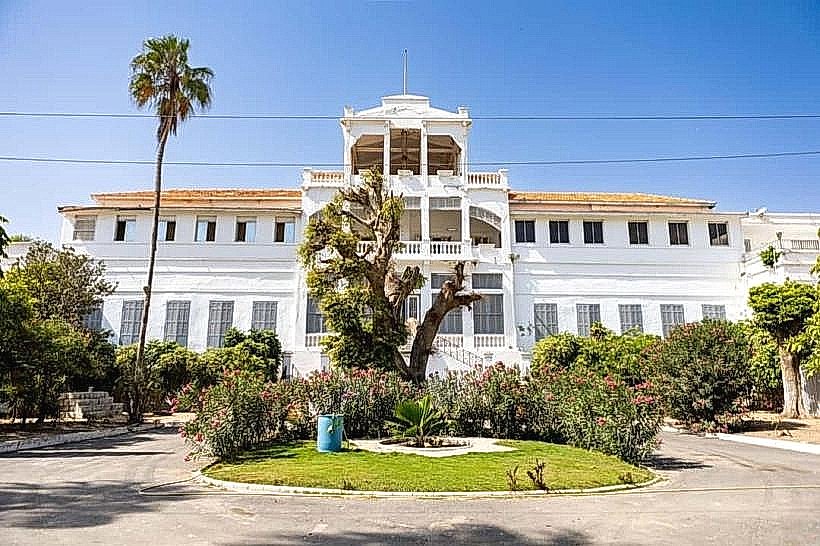
Landmark: Governor's Palace
City: Saint Louis
Country: Senegal
Continent: Africa
Governor's Palace, Saint Louis, Senegal, Africa
The Palais de la République, historically known as the Governor's Palace, serves as the official residence and workplace of the President of Senegal. Located in the Plateau district of Dakar, it is the preeminent architectural symbol of state authority.
Visual Characteristics
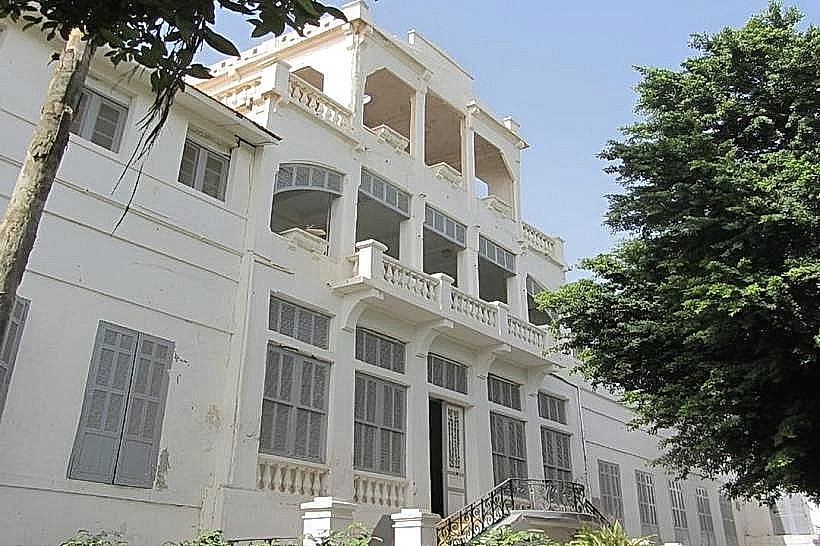
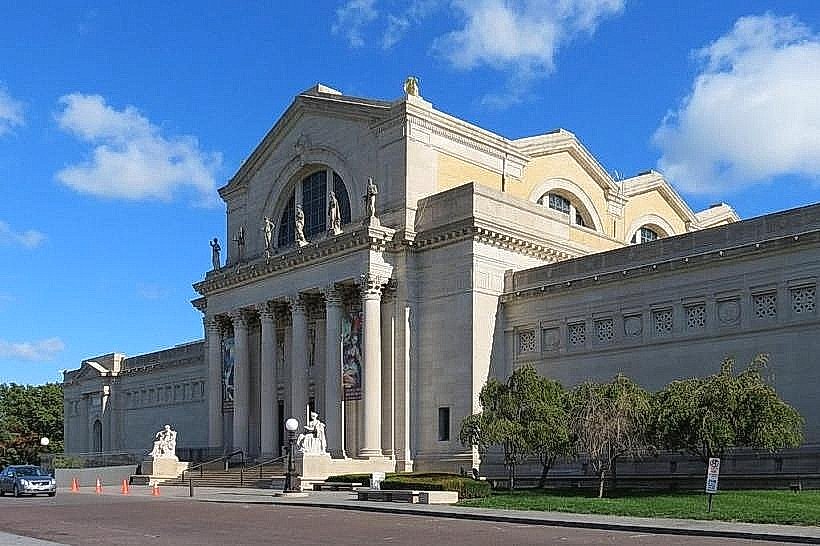
The palace is a grand neoclassical structure finished in a brilliant white, featuring expansive shaded verandas, symmetrical rows of arched windows, and a central pediment. It is set within a high-security park characterized by manicured lawns and mature tropical trees, including palms and flamboyants. The perimeter is guarded by the Red Guard of the Senegalese Gendarmerie, who wear distinctive ceremonial red tunics and blue trousers, often carrying traditional sabers.
Location & Access Logistics
The site is situated at the southern end of the Avenue Léopold Sédar Senghor, overlooking the Atlantic Ocean. While the interior is not open to the general public for security reasons, the exterior and main gates are prominent landmarks for those walking through the Plateau. Multiple Dakar Dem Dikk bus lines stop at the nearby "Palais" or "Place de l'Indépendance" stations. Taxis provide frequent service to the area, though stopping or parking is strictly prohibited directly in front of the gates.
Historical & Ecological Origin
The palace was completed in 1907 to serve as the residence of the Governor-General of French West Africa. It was designed to project colonial authority, positioned on a high basalt plateau to ensure visibility from the Dakar harbor. Since Senegal’s independence in 1960, it has functioned as the seat of the executive branch. Geologically, it sits on the stable volcanic rock that forms the southern tip of the Cap-Vert peninsula.
Key Highlights & Activities
Changing of the Guard: Visitors can observe the formal sentry rotation at the main gates, a disciplined display of military tradition.
Architectural Observation: The palace facade is a primary subject for photography, particularly when the Red Guard is stationed at the entrance.
Civic Context: The surrounding district offers a concentrated view of the intersection between 20th-century colonial history and modern Senegalese governance.
Infrastructure & Amenities
Connectivity: 4G and 5G cellular coverage is exceptionally strong and monitored throughout the administrative zone.
Shade: Significant natural shade is provided by the dense tree canopy bordering the sidewalks outside the palace walls.
Facilities: Public restrooms are not available on-site; visitors utilize facilities in nearby hotels or cafes on the Place de l'Indépendance.
Security: High-level security is present 24/7, and pedestrian movement is strictly regulated on the sidewalks immediately adjacent to the perimeter.
Best Time to Visit
The exterior is best photographed in the morning (08:30 to 10:30) when the rising sun highlights the white masonry. The dry season (December to May) provides the most temperate weather for exploring the administrative circuit of the Plateau. It is advisable to visit on weekdays to see the district in its full functional capacity.
Facts & Legends
A verified historical oddity is that the palace features a vast underground network originally designed for both natural cooling ventilation and emergency transit during the colonial period. Local legend suggests these tunnels connect to other key government buildings and the shoreline, though their full extent remains a state secret. A specific tip is that the Red Guard's uniform is directly inspired by the 19th-century "Spahis" cavalry units.
Nearby Landmarks
Place de l'Indépendance: 0.5km North
Dakar Cathedral: 0.5km West
IFAN Museum of African Arts: 0.6km Northwest
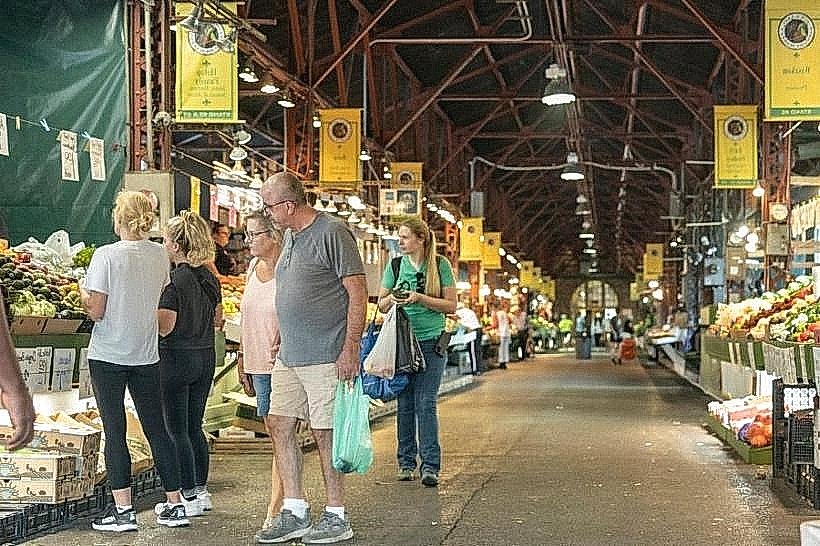
Marché Kermel: 0.7km Northeast
National Assembly of Senegal: 0.8km North