Landmark: Guet N'Dar Fishing Village
City: Saint Louis
Country: Senegal
Continent: Africa
Guet N'Dar Fishing Village, Saint Louis, Senegal, Africa
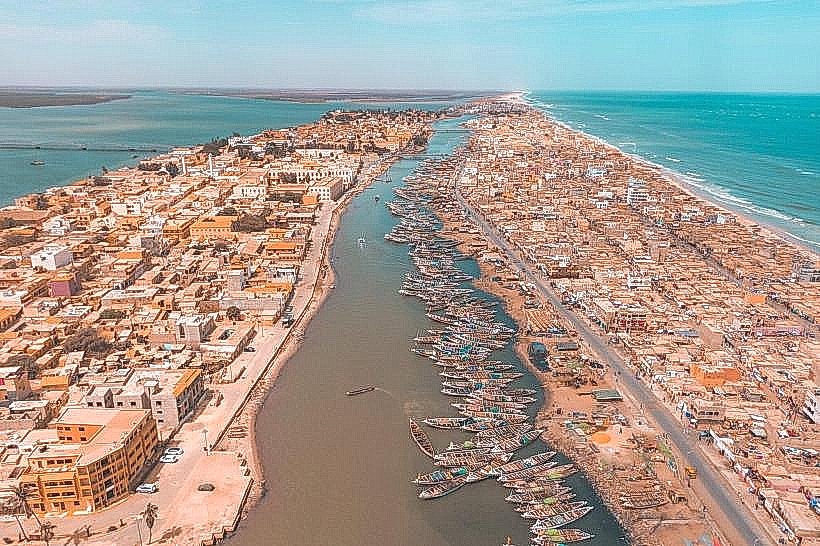
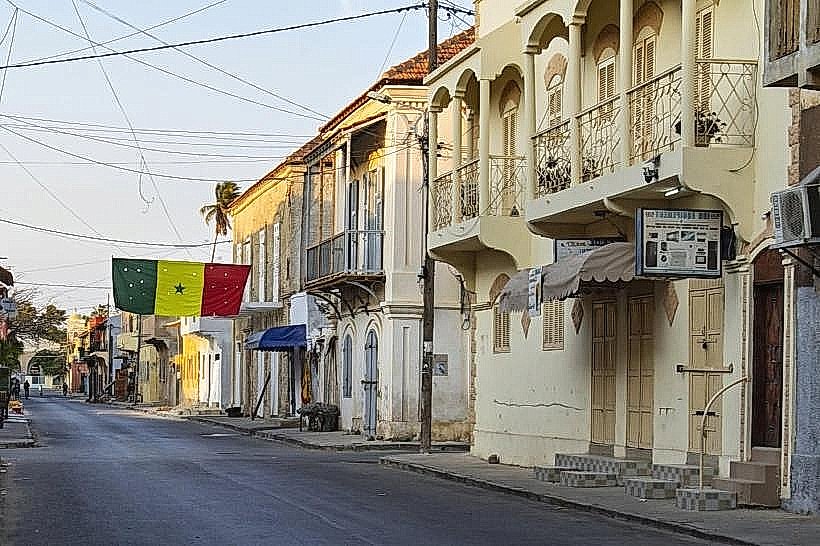
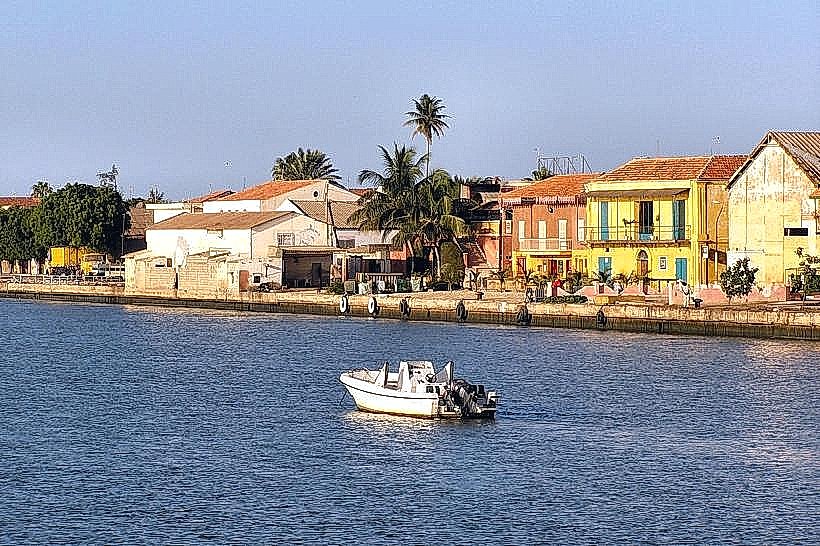
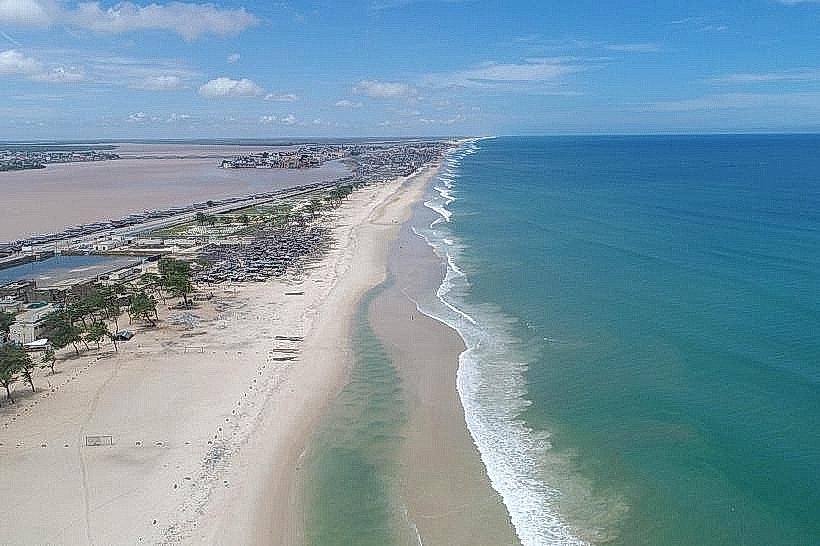
Guet Ndar is a densely populated fishing community located on the Langue de Barbarie, a narrow sandy peninsula between the Senegal River and the Atlantic Ocean in Saint-Louis. It is recognized as one of the most active artisanal fishing hubs in West Africa, defined by an intense maritime atmosphere and a deeply rooted Lebu cultural identity.
Visual Characteristics
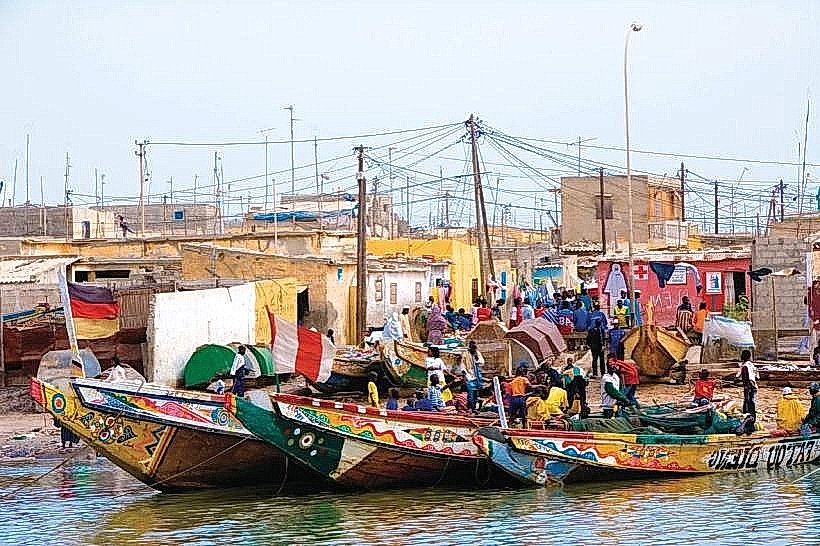
The landscape is dominated by hundreds of "pirogues"-large, traditional wooden boats painted in vibrant geometric patterns and bright primary colors-lined up along the riverbank and the ocean shore. The village consists of a tight grid of narrow, bustling sand alleys and small masonry dwellings. The air is characterized by the scent of the sea and smoke from traditional fish-drying and smoking yards.
Location & Access Logistics
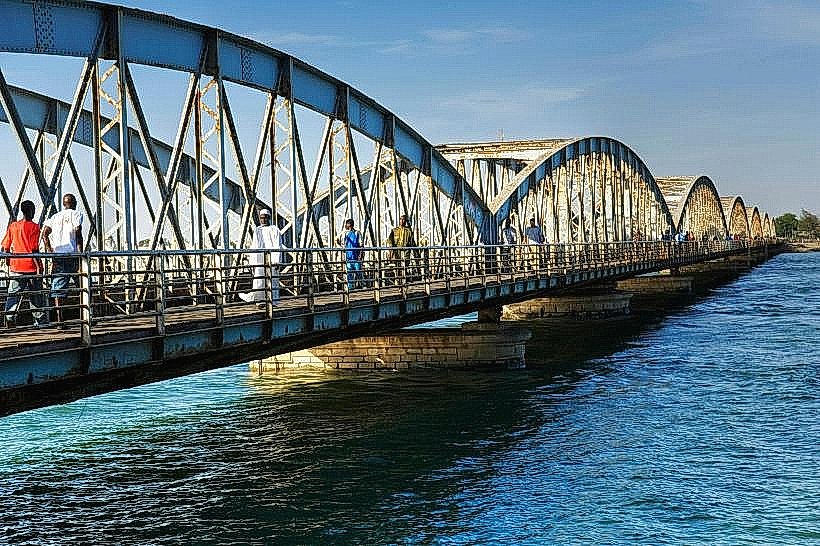
The village is situated directly west of Saint-Louis Island. It is reached by crossing the Pont Mustapha Malick Gaye, a small bridge that connects the island's northern district to the peninsula. Most visitors arrive on foot or by horse-drawn carriage ("caleche") from the island center. Motorized traffic within the village is extremely difficult due to the density of the population and the narrowness of the streets.
Historical & Ecological Origin
Guet Ndar has been the home of the Lebu fishing community for centuries, predating much of the colonial infrastructure on the adjacent island. The village sits on a fragile sand spit that is highly susceptible to coastal erosion and rising sea levels. The 2003 breach of the Langue de Barbarie significantly altered the local ecology, increasing the speed of the river current and changing the salinity of the waters where the fishers operate.
Key Highlights & Activities
The Return of the Pirogues: Observing the fleet return through the turbulent "Breach" (La Brèche) in the afternoon is a major spectacle of maritime skill.
Artisanal Processing: Visitors can see the traditional methods of preserving fish, including salting, drying, and smoking at the southern end of the village.
Boat Construction: Local craftsmen can often be seen repairing or painting the massive wooden hulls of the pirogues along the riverbank.
Market Activity: The beach serves as an open-air market where the catch is sold immediately upon landing, creating a high-energy environment of trade and labor.
Infrastructure & Amenities
Connectivity: 4G and 5G cellular coverage is strong throughout the peninsula.
Environment: The area is highly exposed to the sun and sea spray; there is almost no natural shade on the beach or in the main thoroughfares.
Facilities: There are no formal public restrooms or tourist facilities within the residential core of the village.
Dining: Several small, informal local eateries serve fresh grilled fish along the main road bordering the river.
Best Time to Visit
The most dynamic time to visit is between 16:00 and 18:00, when the majority of the fishing fleet returns to shore and the beach reaches its peak level of activity. For photography, the late afternoon light provides the best saturation for the colorful boats. The dry season (November to June) is the most comfortable period, as the village can become difficult to navigate during the heavy rains of the winternage.
Facts & Legends
A verified fact is that the fishers of Guet Ndar are known to travel as far as Mauritania and Guinea-Bissau in their pirogues, spending weeks at sea. Local lore suggests that the specific colors and patterns on each boat are not merely decorative but serve as protective talismans and unique identifiers that allow families to recognize their vessels from a great distance at sea.
Nearby Landmarks
Saint-Louis Island: 0.2km East (via bridge)
Saint-Louis Grand Mosque: 0.5km East
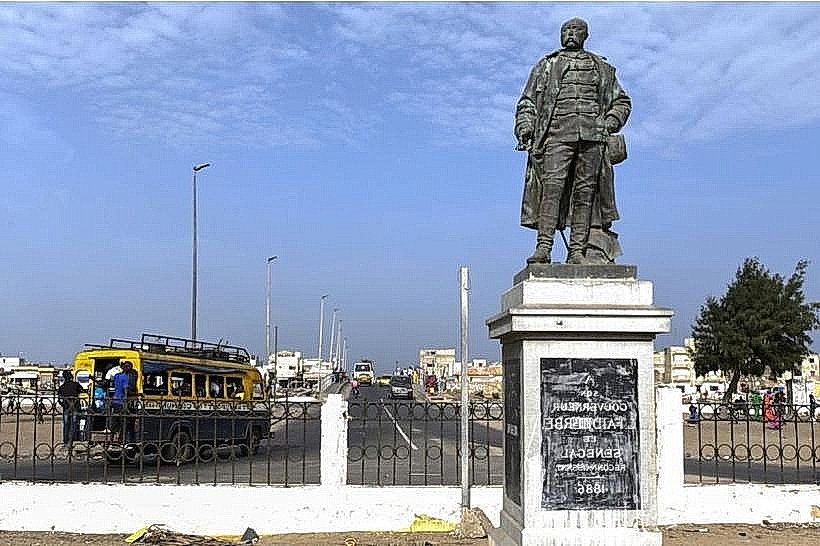
Faidherbe Bridge: 0.9km Southeast
Hydrobase Beach: 3.0km South
Langue de Barbarie National Park: 15km South