Landmark: Saint-Louis Cathedral
City: Saint Louis
Country: Senegal
Continent: Africa
Saint-Louis Cathedral, Saint Louis, Senegal, Africa
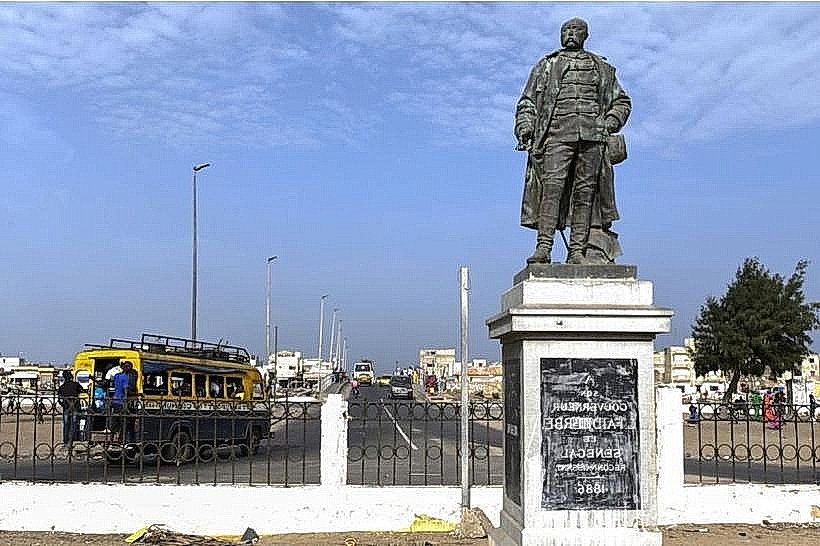
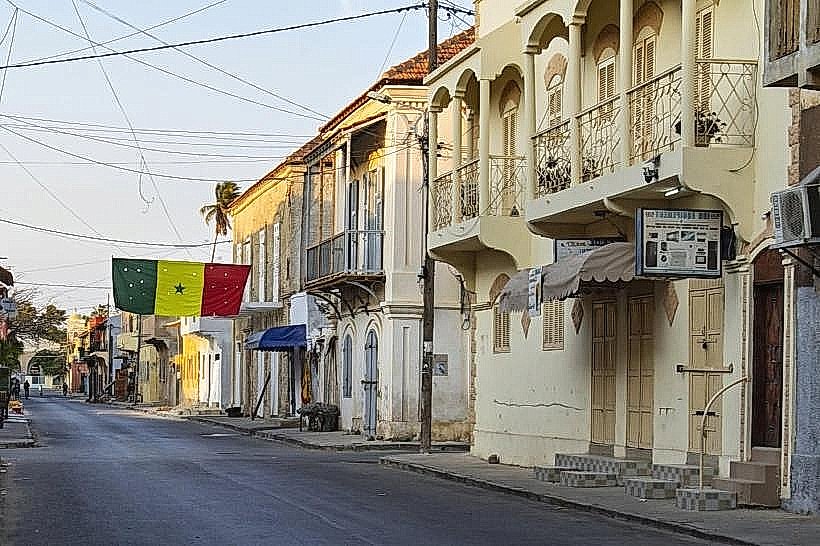
The Saint-Louis Cathedral (Cathédrale Saint-Louis de Saint-Louis) is the oldest church in Senegal and a centerpiece of the UNESCO World Heritage island. Located on the Place Faidherbe, it represents the early 19th-century French colonial presence in West Africa.
Visual Characteristics
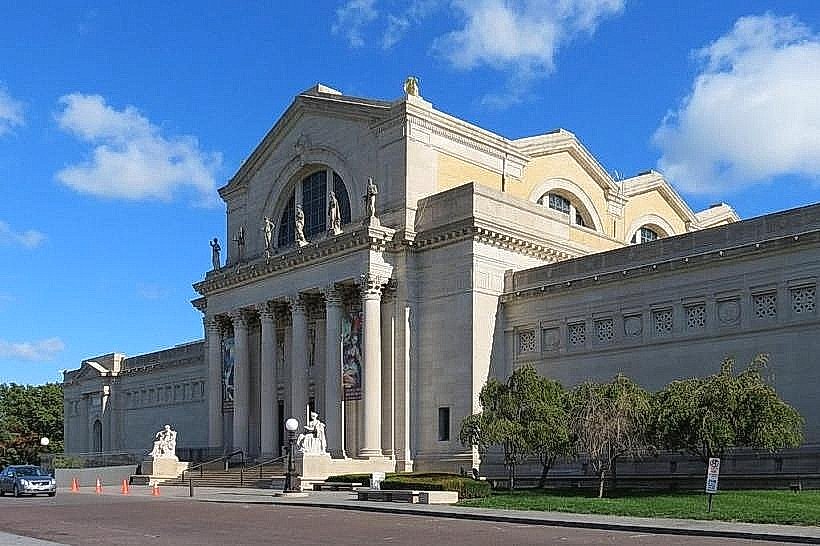
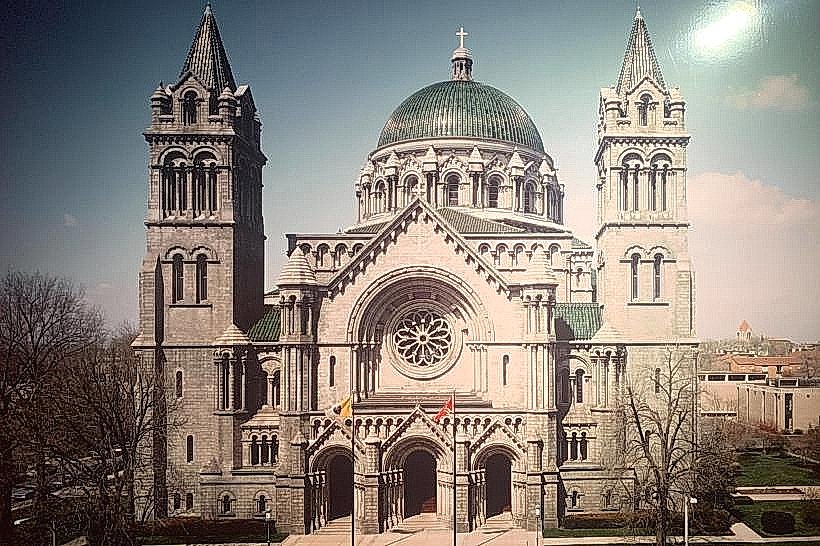
The cathedral is a neoclassical masonry structure with a symmetrical pale-yellow facade and white architectural accents. Its design is characterized by a central pediment and two square bell towers that frame the entrance. The interior features a high wooden barrel-vaulted ceiling, stained-glass windows that filter the coastal light, and a series of simple wooden pews. The altar area is decorated with religious statuary and plaques commemorating the city's historical figures.
Location & Access Logistics
The cathedral is situated on the southern side of Place Faidherbe, approximately 0.2km west of the Faidherbe Bridge. Access to the island is via the bridge from the mainland district of Sor. The site is in the most walkable part of the island, and most visitors reach it on foot from nearby hotels or the riverfront. Taxis can drop passengers at the edge of the square, though parking is limited to the narrow surrounding streets.
Historical & Ecological Origin
Construction began in 1827 and the cathedral was consecrated in 1828. It was built to serve the European population and the "Signares" (the wealthy mixed-race elite) of the colonial capital. The building was constructed using lime, sand, and local materials, reflecting the architectural transition of the French Restoration period. It sits on the stable limestone and sandy soil of the island's central administrative core.
Key Highlights & Activities
Architectural Observation: The building is a primary example of 19th-century colonial ecclesiastical design, featuring distinct Mediterranean influences.
Religious Services: Mass is held regularly, with Sunday services often featuring local choirs and a high level of community participation.
Historical Discovery: The interior walls contain funerary plaques and inscriptions that provide a genealogical record of the island's prominent 19th-century families.
Photography: The yellow facade and bell towers are best captured from the open expanse of Place Faidherbe.
Infrastructure & Amenities
Connectivity: 4G and 5G cellular signals are exceptionally strong throughout the central square area.
Shade: The thick masonry walls and high ceilings provide a naturally cool environment inside the sanctuary.
Facilities: There are no public restrooms inside the cathedral; visitors typically use facilities in the nearby Governance Building or local cafes.
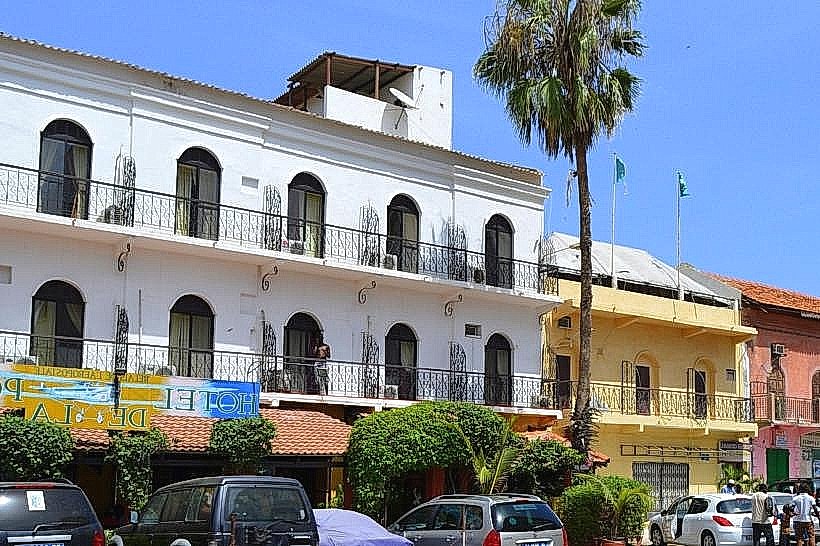
Dining: Numerous historic hotels and restaurants, such as the Hôtel de la Poste, are located within a 100-meter radius.
Best Time to Visit
The exterior is best viewed in the early morning (08:00 to 10:00) when the sun illuminates the front facade from the east. The cathedral is generally open to the public during daylight hours on weekdays, provided no private ceremonies are in progress. Sunday morning (around 09:00) is the most culturally vibrant time to visit during the weekly mass.
Facts & Legends
A verified historical fact is that the cathedral was built with significant financial contributions from the local "Signares," who viewed the church as a central pillar of their social status. A local legend suggests that the cathedral's bells were once used to signal the arrival of the "Aéropostale" mail planes, connecting the isolated island community to the news of the wider world.
Nearby Landmarks
Place Faidherbe: 0.1km North
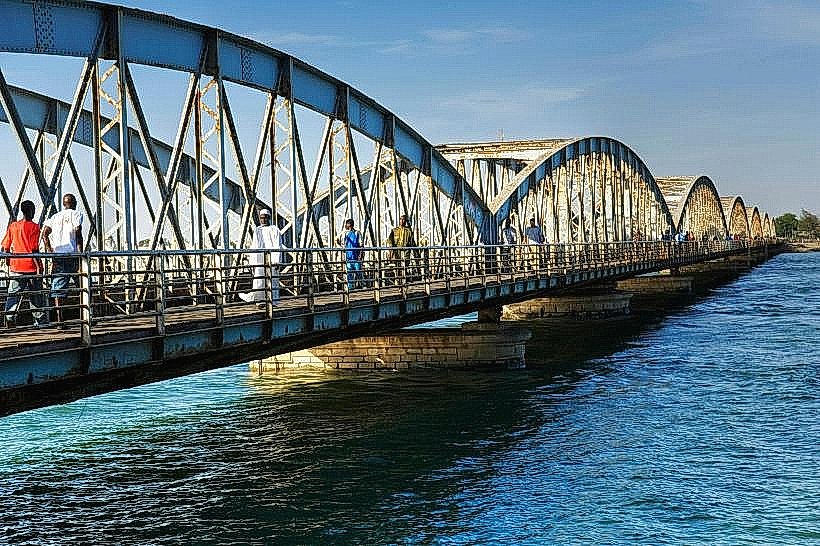
Faidherbe Bridge: 0.2km East
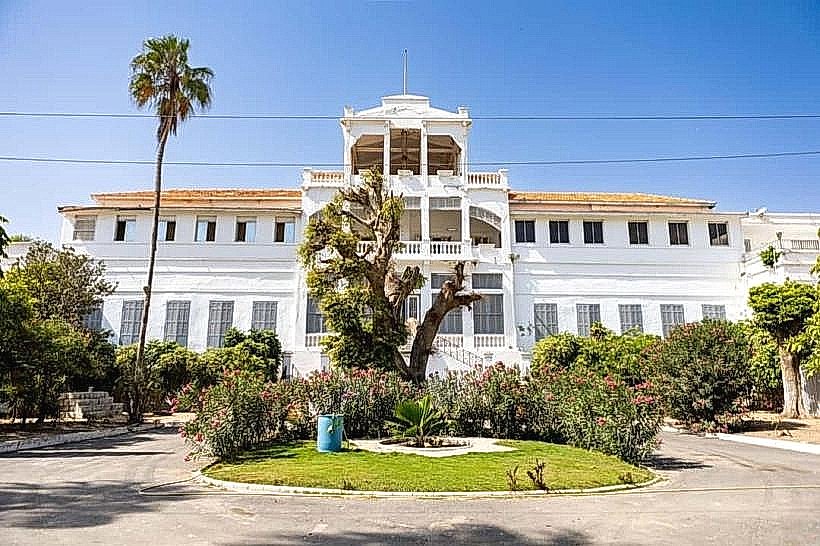
Governance Building: 0.1km West
Hôtel de la Poste: 0.1km North
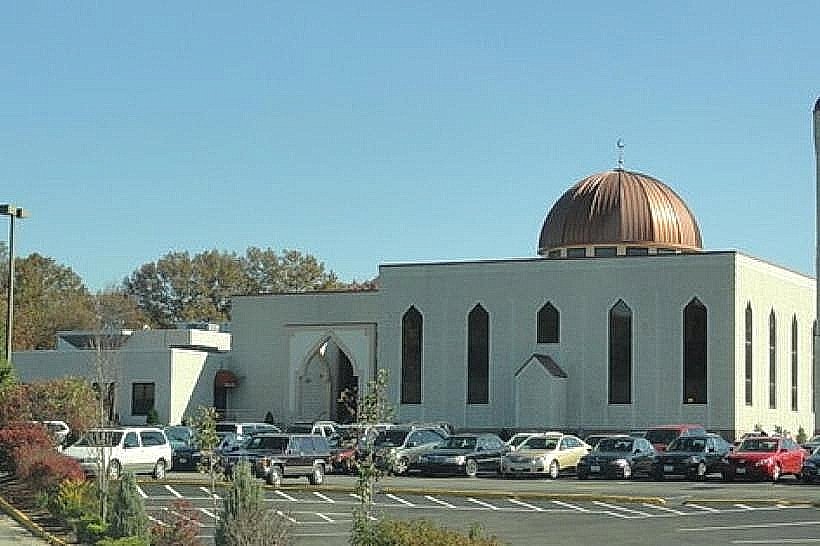
Saint-Louis Grand Mosque: 0.5km North