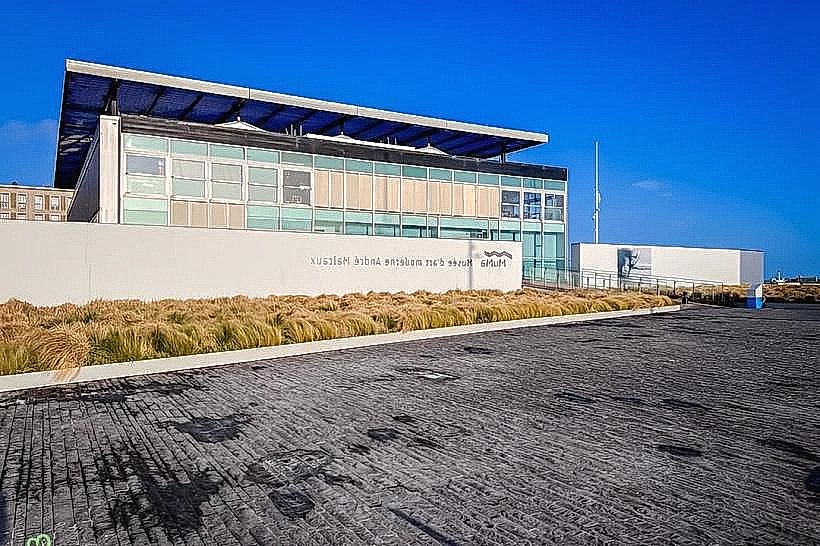
Landmark: MuMa (Museum of the Sea)
City: Saint Louis
Country: Senegal
Continent: Africa
MuMa (Museum of the Sea), Saint Louis, Senegal, Africa
The Musée de la Mer (Museum of the Sea) is a scientific and educational institution located on Gorée Island, Dakar. Founded in 1959 by the visionary explorer Théodore Monod and the Institut Fondamental d'Afrique Noire (IFAN), it was the first museum of its kind on the West African coast, dedicated to marine biodiversity and the relationship between humans and the ocean.
Current Status and Rehabilitation
The museum is currently closed to the public as it undergoes a major multi-year restoration project that began in late 2025.
Climate Impact: Decades of exposure to salt spray, high humidity, and coastal erosion significantly damaged the historic 18th-century structure.
Modernization Project: Supported by international organizations like ALIPH and La Guilde, the renovation aims to transform the site into a regional center for marine conservation, ecology, and climate change awareness.
Expected Future Features: Plans include updated museography covering themes like mangroves, manatees, sea turtles, and Monod’s historic bathyscaphe dives.
Visual Characteristics and Architecture
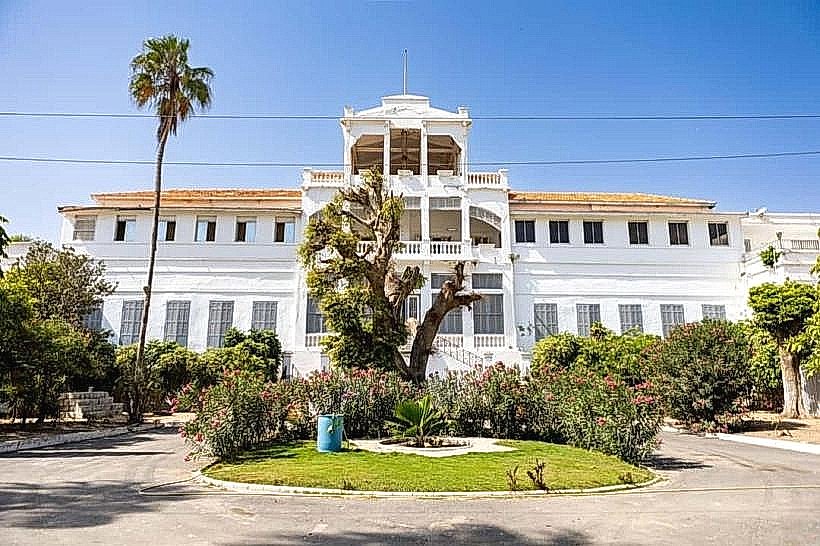
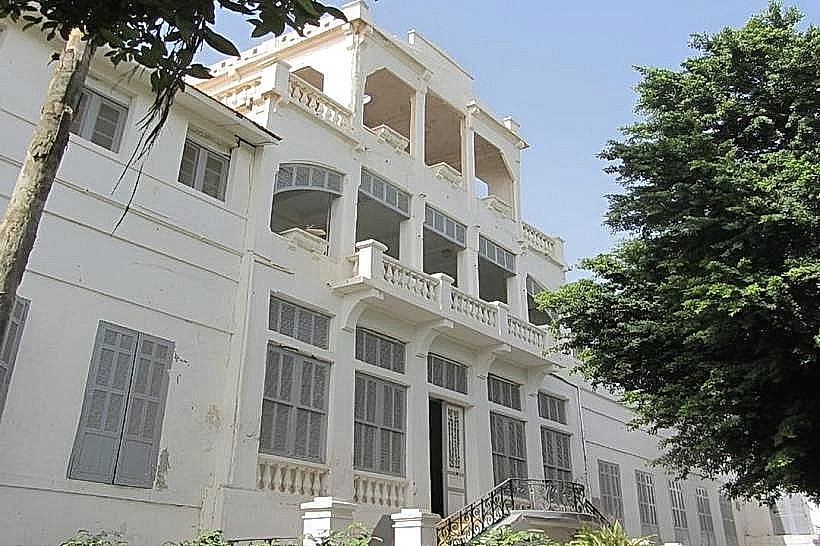
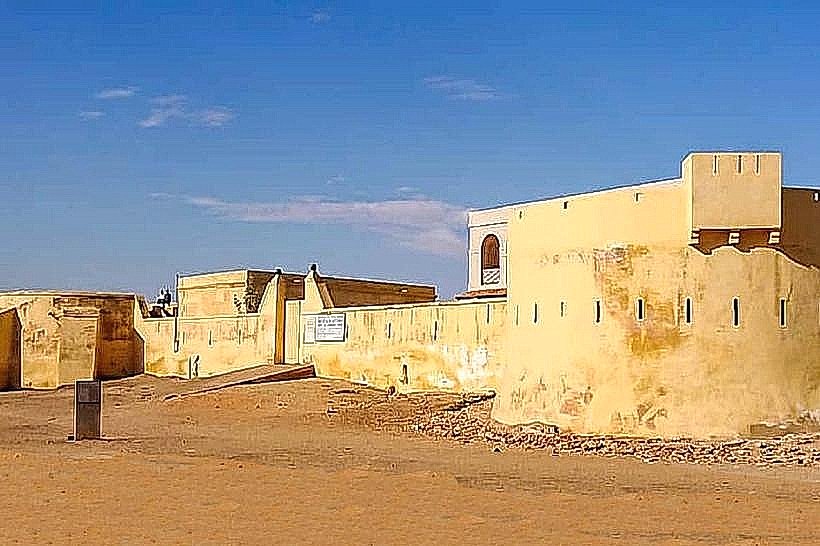
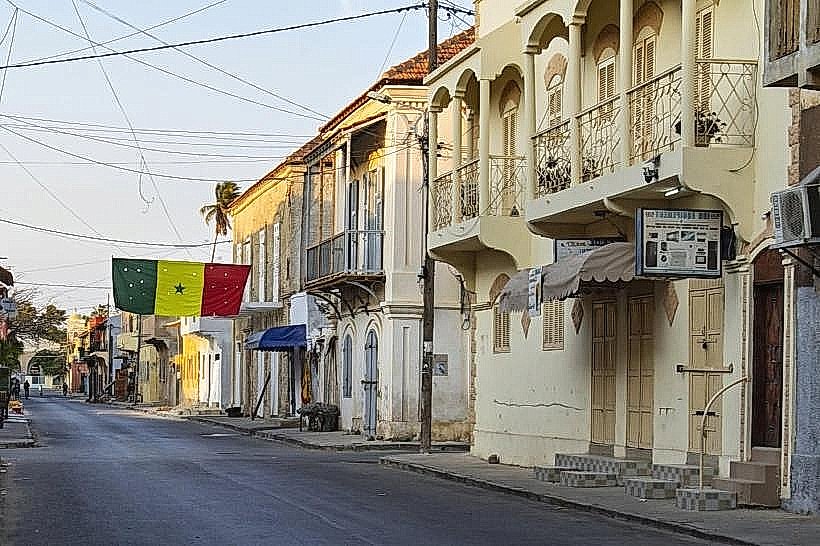
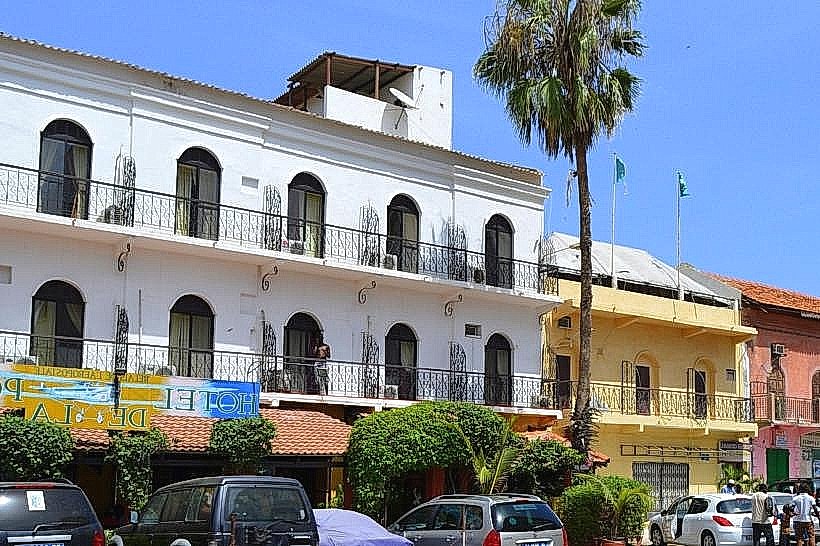
The museum is housed in the former "Hôtel de la Compagnie des Indes," a prominent 18th-century building that serves as a landmark for those arriving on the island.
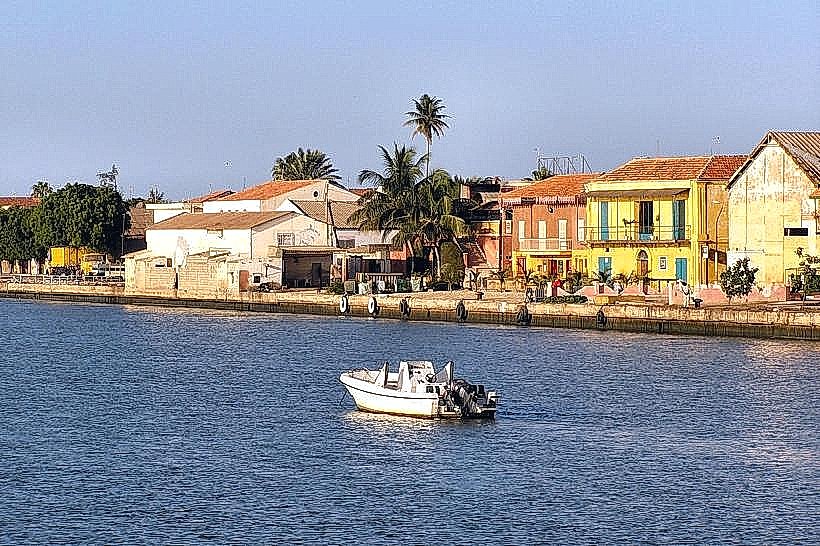
Island Aesthetics: It features an ochre-yellow facade, wooden balconies, and a sloping terracotta tile roof, characteristic of Gorée's architectural harmony.
Prime Location: It is situated directly to the right of the main jetty as visitors disembark from the Dakar ferry, often partially shaded by ancient baobab and mango trees.
Historical and Scientific Significance
Before its closure, the museum was a primary resource for West African marine science, housing over 10,000 specimens.
Biodiversity Collections: The galleries displayed hundreds of marine species preserved in formalin, alongside skeletons of large marine mammals and a collection of roughly 700 types of mollusks.
Archaeological Ties: The museum also showcased stone tools from the Cap Manuel sites and ancient currencies used in maritime trade.
Educational Mission: The original intent was to provide a comprehensive view of ocean life, from water composition to the intricacies of artisanal African fishing.
Visiting Logistics (Post-Reopening)
Access: Once reopened, the museum is reached via a short walk from the Gorée ferry terminal. No vehicles are allowed on the island.
Environment: The building's thick colonial walls and proximity to the sea provide a naturally cool atmosphere compared to the sun-exposed interior of the island.
Connectivity: 4G and 5G cellular signals remain exceptionally strong across Gorée Island.
Nearby Landmarks
House of Slaves: 0.3km South
IFAN Historical Museum (Fort d'Estrées): 0.4km North
Place de l'Europe: 0.1km South
Saint Charles Church: 0.2km Southeast