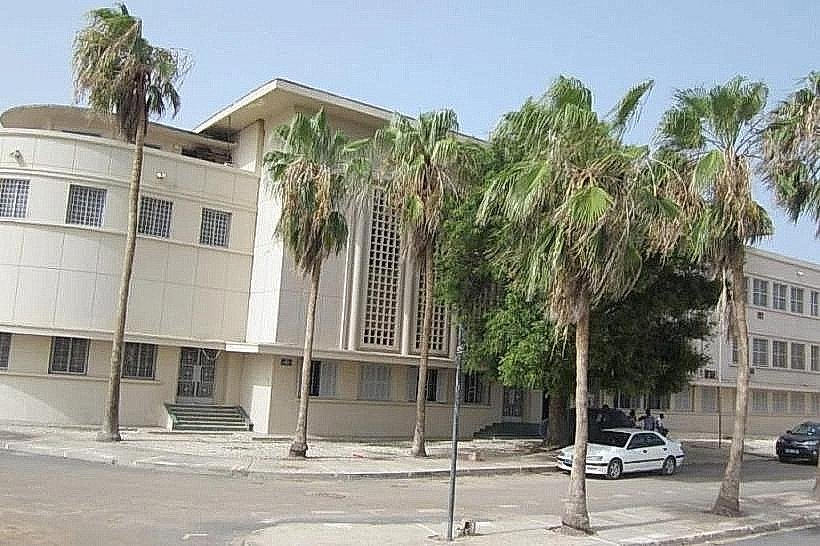
Landmark: CRDS Museum (Centre de Recherches et de Documentation)
City: Saint Louis
Country: Senegal
Continent: Africa
CRDS Museum (Centre de Recherches et de Documentation), Saint Louis, Senegal, Africa
The CRDS Museum (Centre de Recherches et de Documentation du Sénégal) is a historical and ethnographic institution situated at the southern tip of the Île de Saint-Louis, Senegal. It serves as a primary repository for the cultural, archaeological, and natural history of the Senegal River valley and the broader West African region.
Visual Characteristics
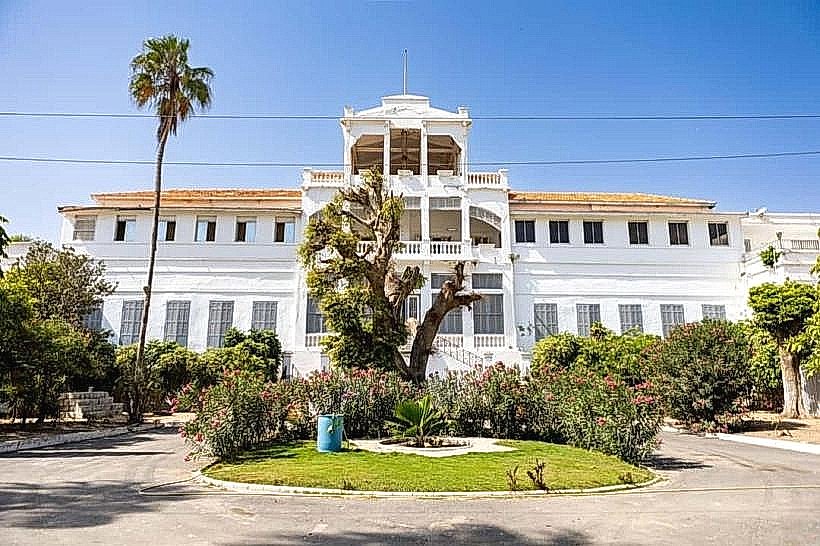
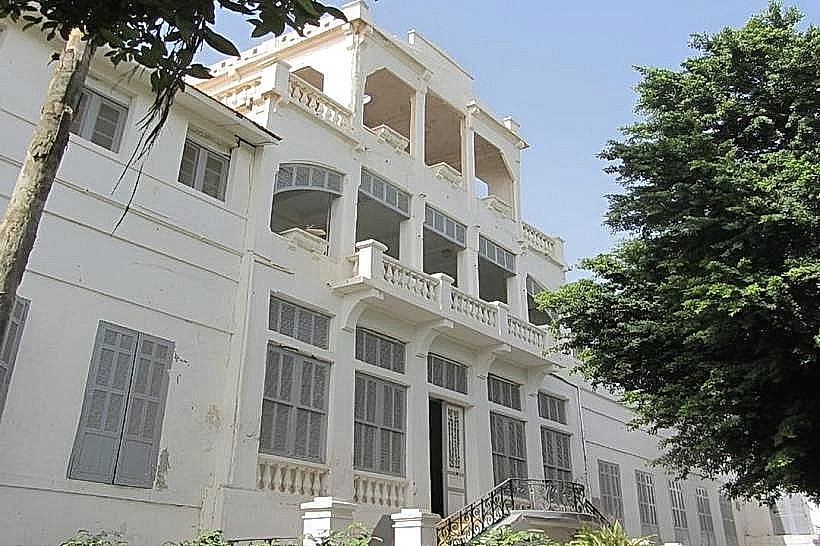
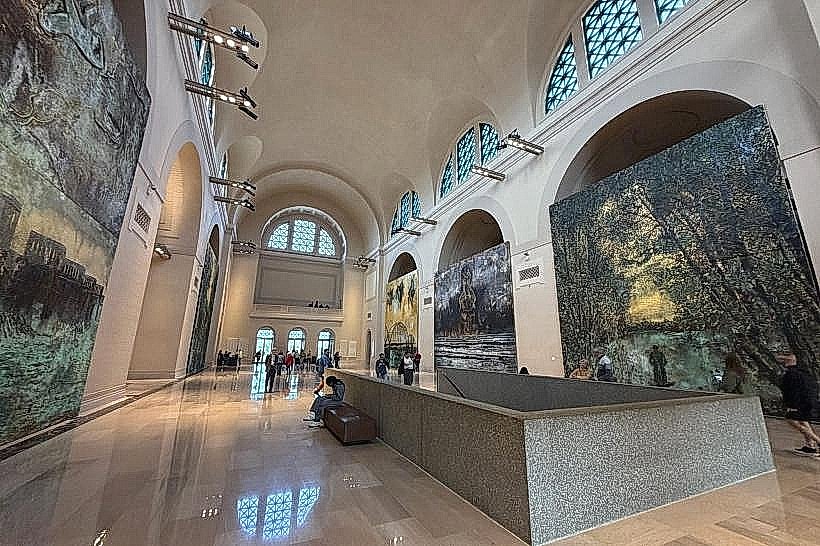
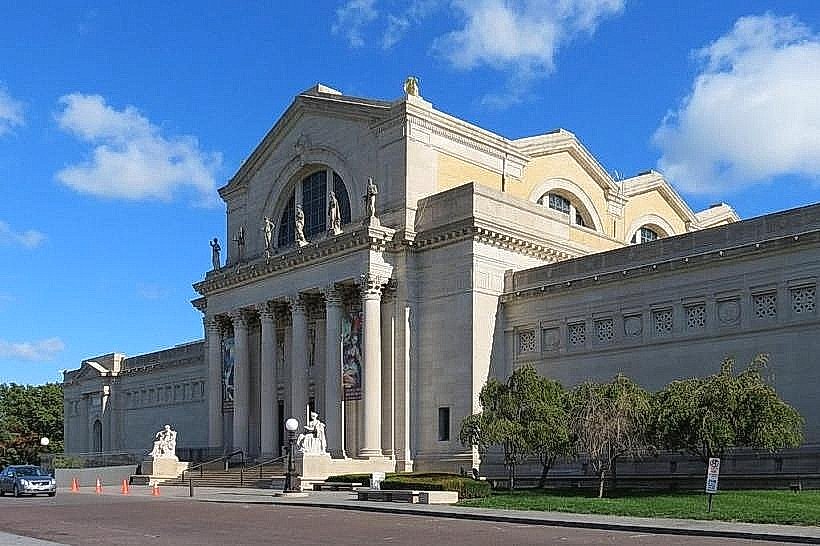
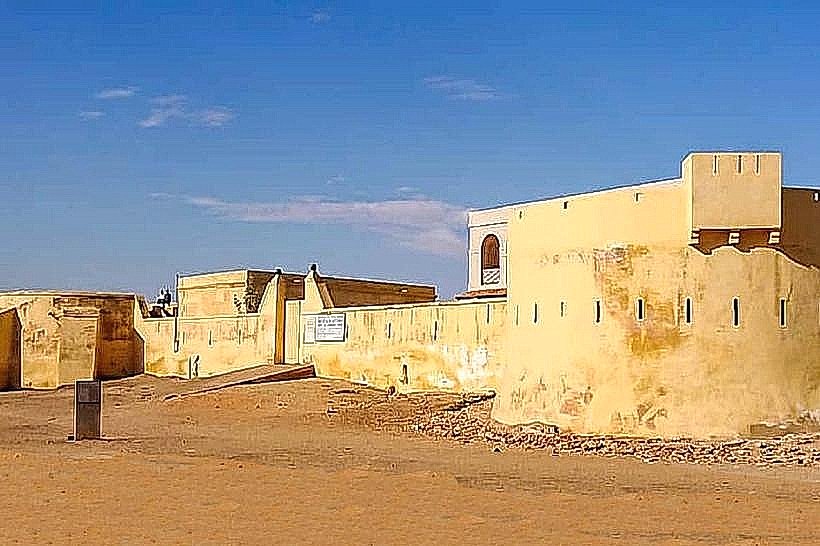
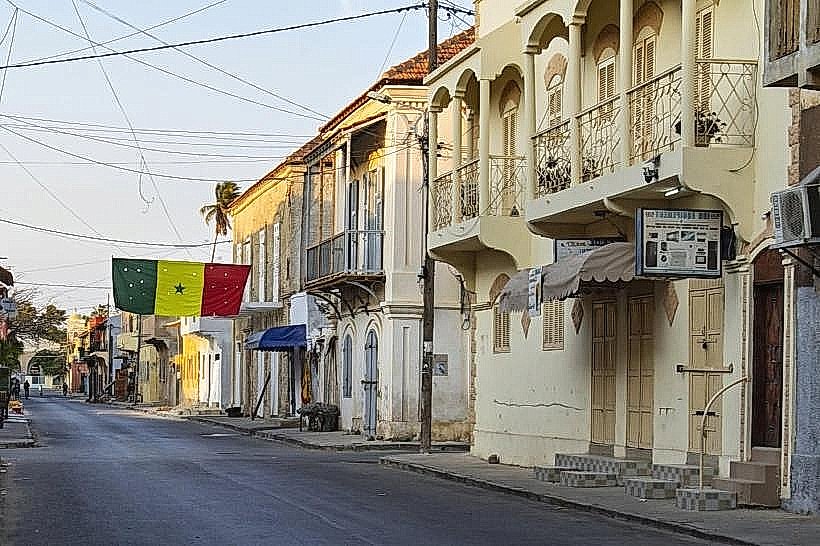
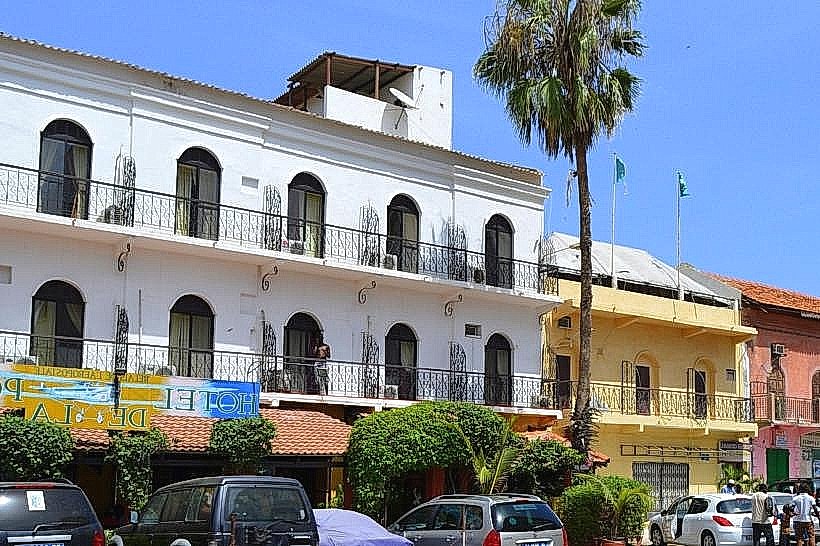
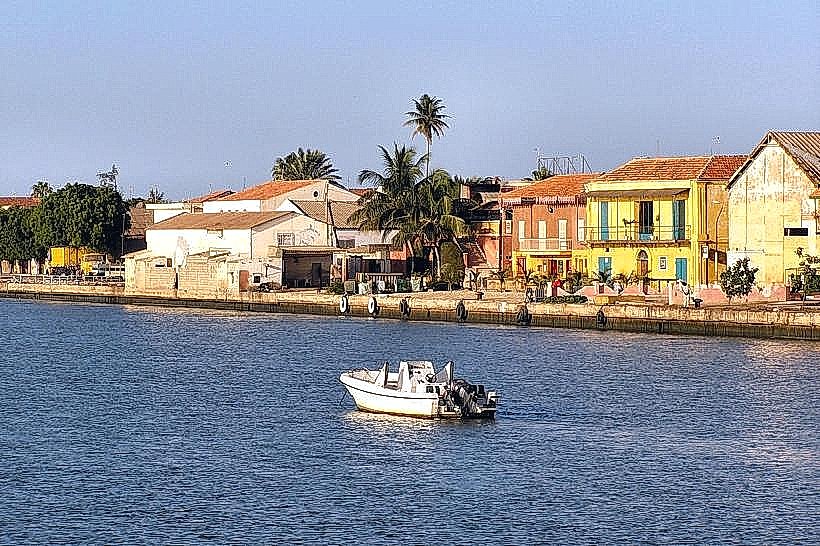
The museum is housed in a grand two-story colonial edifice featuring a symmetrical facade, high ceilings, and traditional wooden floorboards. The exterior is painted in a characteristic Saint-Louisian yellow with white trim and dark green shutters. Interior galleries consist of large halls with glass-topped wooden display cases, and the building includes a central courtyard that facilitates natural ventilation.
Location & Access Logistics
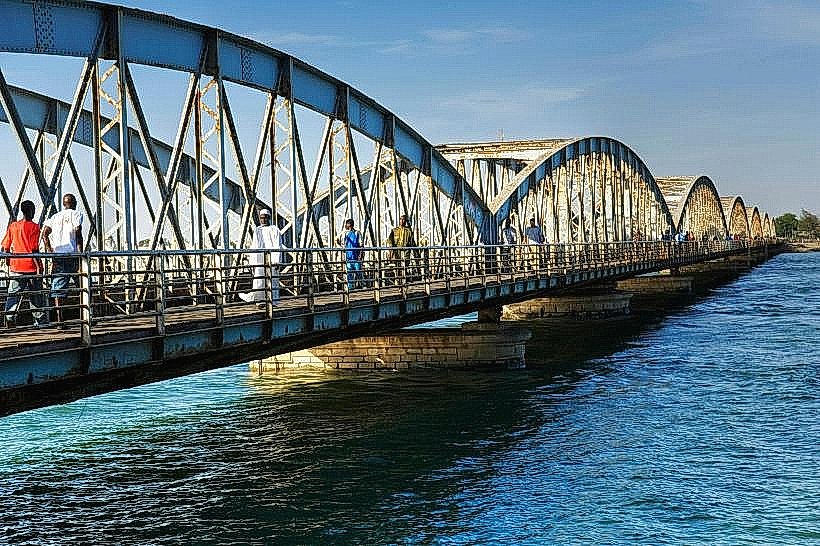
The museum is located at the intersection of Quai Henry Jay and Rue du Docteur d'Arboussier at the southern end of the island. It is approximately 1.2km south of the Faidherbe Bridge. Access is available via a 15-minute walk from the island's center or by horse-drawn carriage (calèche). Street parking is generally available on the wide quay in front of the building. No direct public bus lines serve the southern tip, so taxis are the primary motorized transport option.
Historical & Ecological Origin
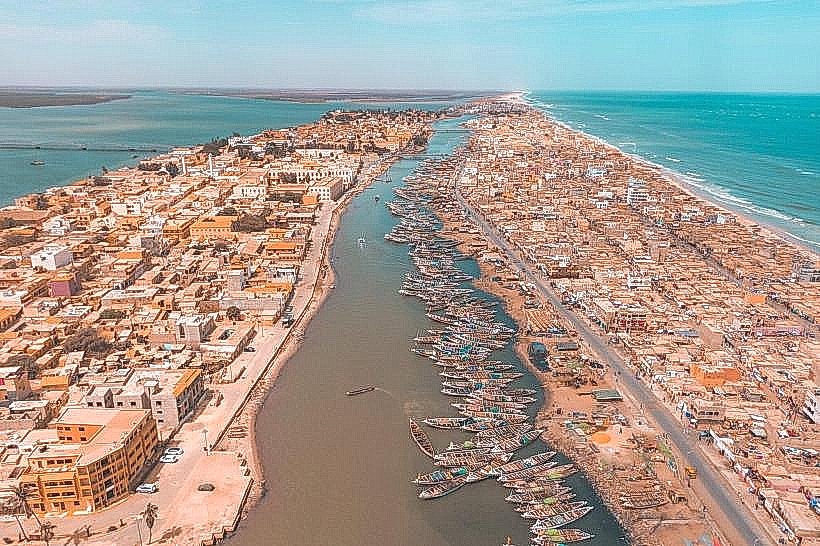
Founded in 1943 as an annex of the Institut Français d'Afrique Noire (IFAN), it is one of the oldest museums in West Africa. The building originally served as a colonial administrative center before its conversion into a research facility. Geologically, the site sits on the stable sandy deposits of the island's southern point, overlooking the convergence of the Senegal River and the Atlantic coastal estuary.
Key Highlights & Activities
Visitors can view extensive ethnographic collections, including traditional masks, tools, and clothing from the Wolof, Halpulaar, and Serer peoples. The museum features a significant archaeological section with Neolithic artifacts and a natural history wing displaying taxidermy of regional bird species. Research activities include access to a specialized library containing rare colonial-era documents and maps of the West African coast.
Infrastructure & Amenities
The facility includes a reception desk, a small bookstore, and several exhibition halls. Restrooms are available for visitors on the ground floor. The building maintains strong 4G/5G cellular signal throughout. There is no on-site cafeteria, but several local restaurants are located within a 300-meter radius in the southern residential district. Shade is provided by the building's deep verandas and the trees in the interior courtyard.
Best Time to Visit
The optimal time for a visit is between 09:00 and 12:00 when the building remains naturally cool. For photography, the western facade is best captured in the late afternoon (after 16:00) when the sun illuminates the yellow masonry against the river backdrop. The museum is typically closed on Mondays and during mid-day break hours (13:00 to 15:00).
Facts & Legends
A unique feature of the museum is its collection of "Signare" artifacts, documenting the powerful mixed-race merchant women of the 18th century. A specific tip for visitors is to look for the "prehistoric" section, which contains ancient stone tools found during the construction of the city’s early infrastructure, proving the area was inhabited long before colonial settlement.
Nearby Landmarks
Meissa Fall Sculptures – 0.4km North
Musée de la Photographie (Mupho) – 0.5km North
Lycée Cheikh Omar Foutiyou Tall – 0.2km East
Ancien Palais de Justice – 0.3km North
Pointe Sud (Southern Tip) – 0.1km South