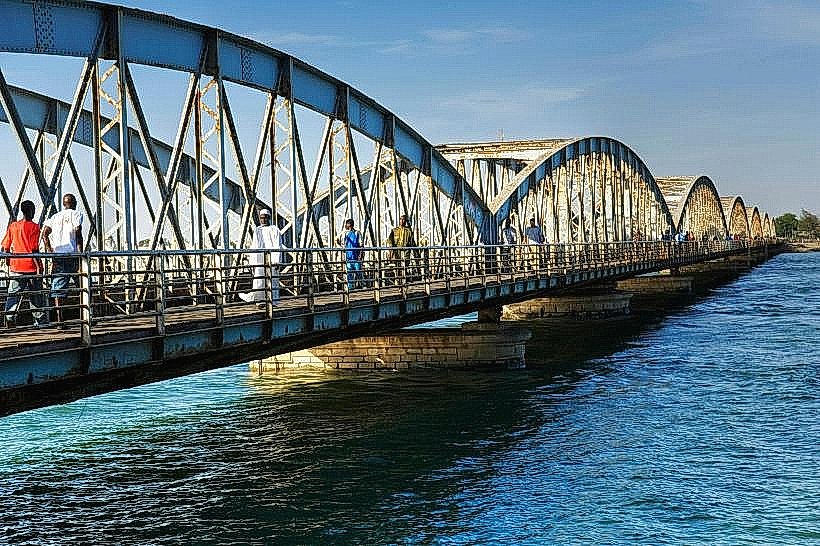
Landmark: Faidherbe Bridge
City: Saint Louis
Country: Senegal
Continent: Africa
Faidherbe Bridge, Saint Louis, Senegal, Africa
The Faidherbe Bridge is a historic metallic road bridge spanning the Senegal River, connecting the island city of Saint-Louis to the mainland district of Sor. It stands as the primary architectural symbol of Saint-Louis and is a central component of its status as a UNESCO World Heritage site.
Visual Characteristics
The bridge is a massive riveted steel structure measuring 507 meters in length. It consists of seven fixed arched spans and one mobile span designed to pivot 90 degrees to allow maritime traffic. The metalwork features a dense lattice of gray industrial girders. The deck supports a two-lane roadway flanked by wooden pedestrian sidewalks. Its silhouette is characterized by the rhythmic rising and falling of the steel arches across the river's expanse.
Location & Access Logistics
The bridge is the sole vehicular entry point to the Island of Saint-Louis, located approximately 260km north of Dakar. It serves as the continuation of the N2 national highway. From the mainland (Sor), the bridge is reached via the Avenue du Général de Gaulle. Pedestrian traffic is heavy throughout the day. While there is no parking on the bridge itself, several sandy lots are available at the Sor entrance, and limited street parking exists on the island side near Place Faidherbe.
Historical & Ecological Origin
The current metallic bridge was inaugurated on July 14, 1897, replacing a series of wooden pontoon bridges dating back to 1865. It was engineered by the French firm Nouguier, Kessler et Cie. The structure was necessitated by the 19th-century expansion of Saint-Louis as a colonial capital and the opening of the Dakar-Saint-Louis railway. Geologically, it spans the "Grand Bras" of the Senegal River, a tidal estuary where the freshwater of the river meets the Atlantic influence.
Key Highlights & Activities
The Swing Span: The second span from the island side is a rare engineering feature that can pivot on a central pillar to clear the river channel for large vessels.
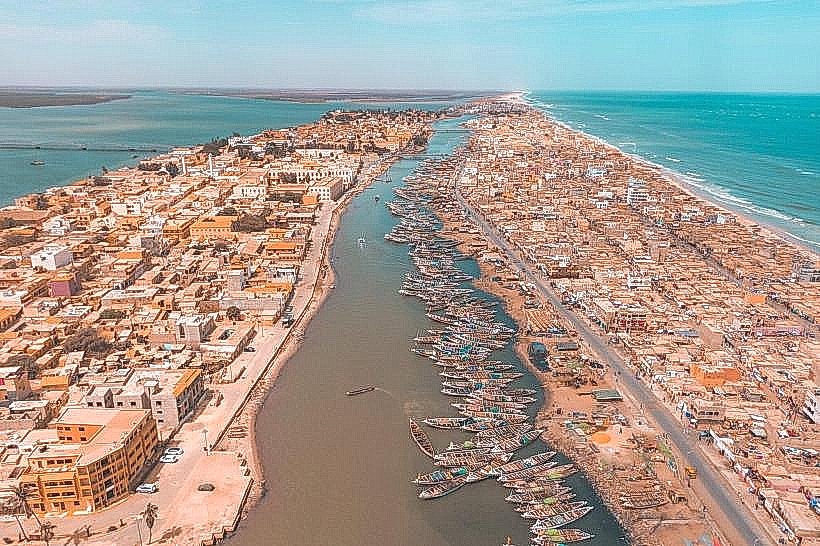
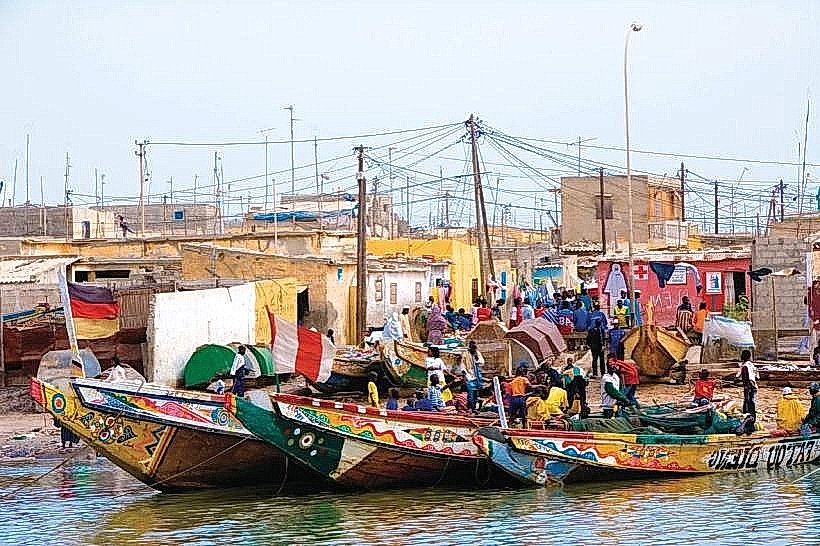
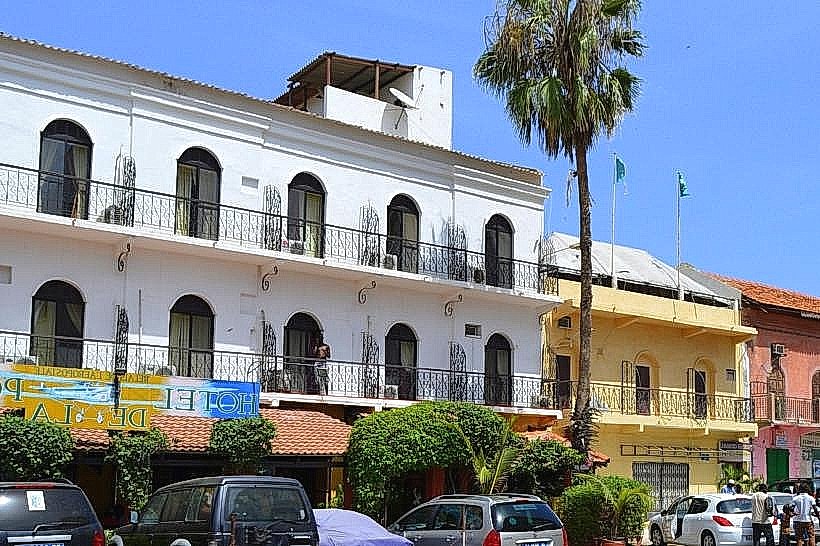
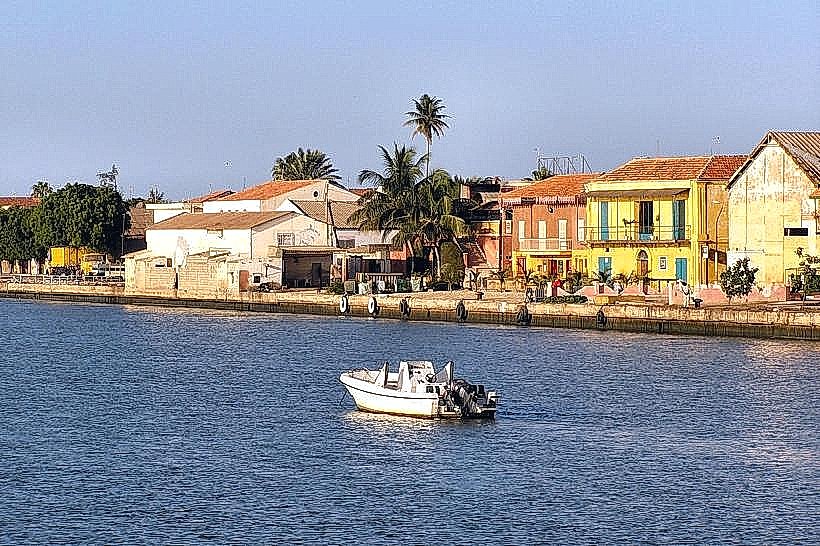
Panoramic Observation: The bridge provides the best vantage point for viewing the colorful "pirogues" (fishing boats) of the Guet Ndar district and the colonial riverfront.
Photography: The industrial geometry of the steel arches makes it a primary subject for architectural and landscape photography.
Civic Transit: Walking across the bridge offers an immersive view of the daily commute between the administrative island and the commercial mainland.
Infrastructure & Amenities
The bridge underwent a complete 27-million-euro structural rehabilitation finished in 2011 to combat corrosion from the salty maritime air.
Connectivity: 4G and 5G cellular signals are exceptionally strong across the entire span.
Lighting: The arches are equipped with modern LED lighting that illuminates the structure at night.
Services: No amenities exist on the bridge; however, the island terminus leads directly to Place Faidherbe, which contains banks, hotels, and cafes.
Best Time to Visit
The bridge is open 24 hours a day for both vehicles and pedestrians. For photography, the "golden hour" (17:45 to 18:45) is optimal as the sun sets over the Langue de Barbarie, reflecting off the metal girders. The dry season (November to June) is the most comfortable time for walking, as the bridge is highly exposed to the wind and the harmattan dust during other periods.
Facts & Legends
A widely cited but historically inaccurate legend claims the bridge was designed by Gustave Eiffel and was originally intended for a crossing in Romania before being redirected to Senegal. Official records confirm it was a custom design specifically for Saint-Louis. A verified historical fact is that the bridge's 2011 restoration was so precise that each of the thousands of new rivets was installed using the same traditional hot-riveting techniques employed in 1897.
Nearby Landmarks
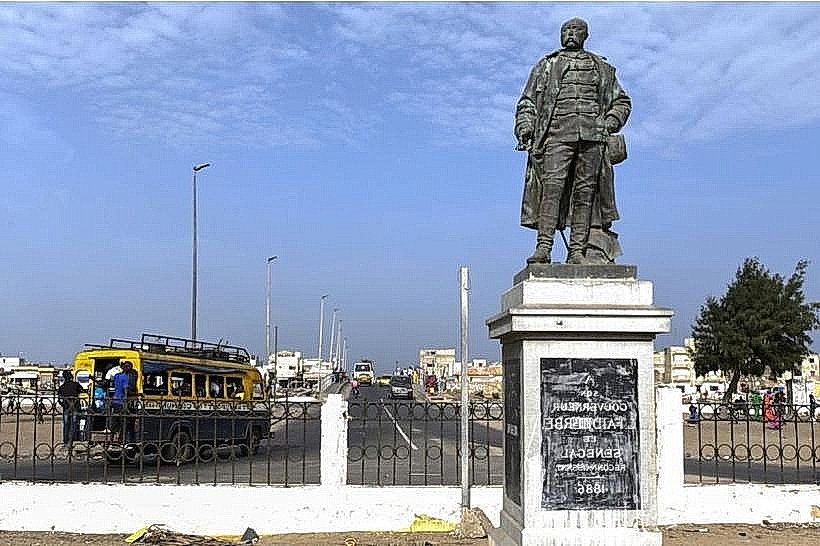
Place Faidherbe: 0.1km West (Island side)
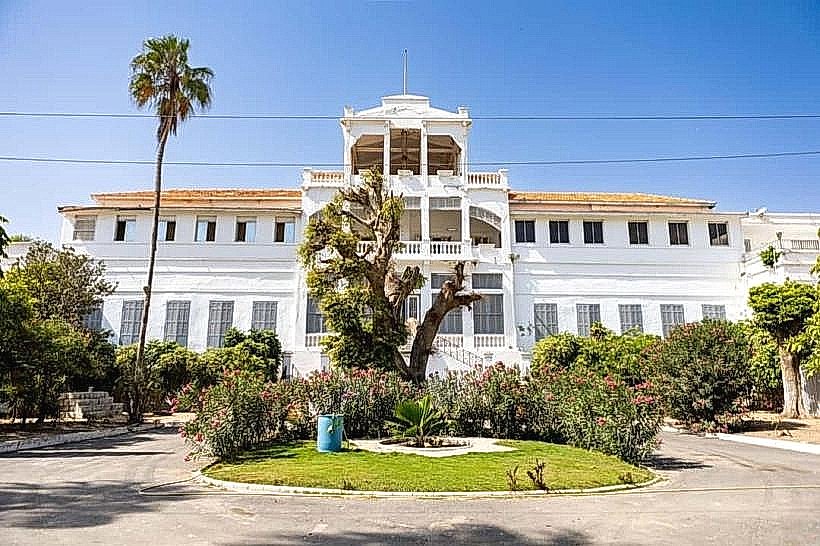
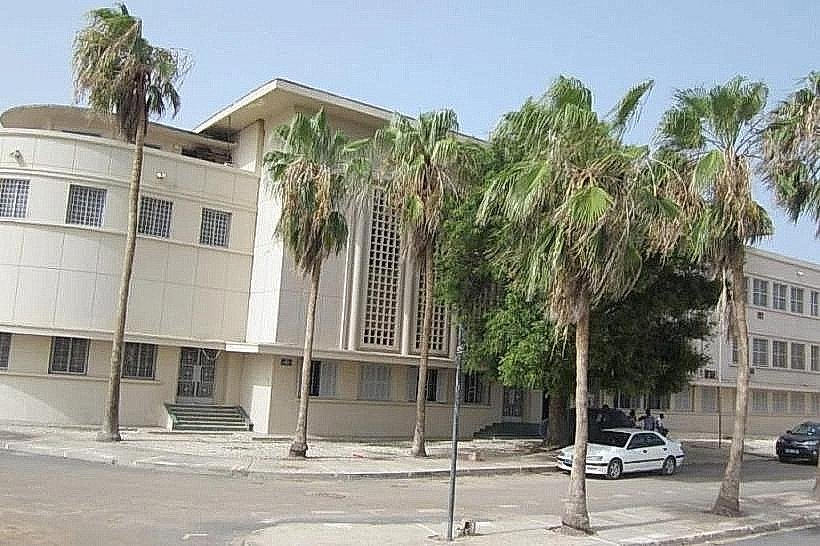
Saint-Louis Governance Building: 0.2km West
Saint-Louis Railway Station (Sor): 0.8km East
Marché de Sor: 0.7km East
Guet Ndar Fishing Village: 0.9km West