Landmark: Langue de Barbarie National Park
City: Saint Louis
Country: Senegal
Continent: Africa
Langue de Barbarie National Park, Saint Louis, Senegal, Africa
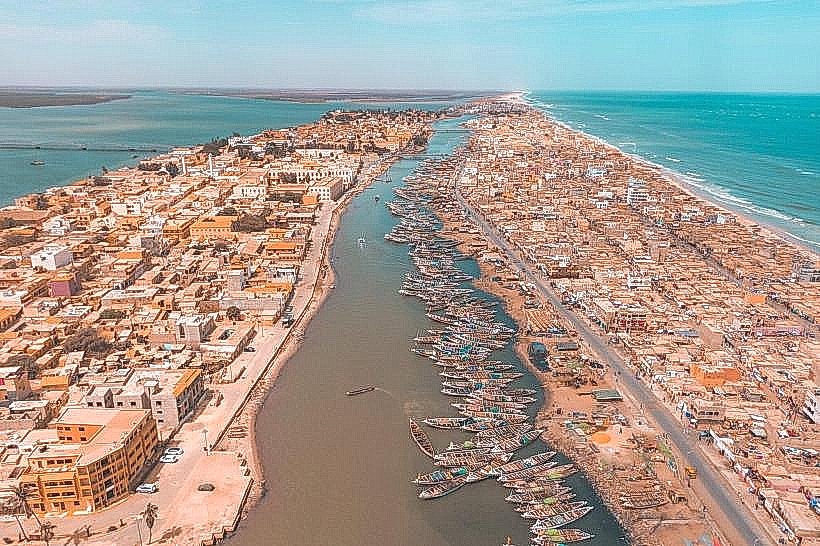
The Langue de Barbarie National Park is a 2,000-hectare coastal sanctuary located approximately 18km south of Saint-Louis. Established in 1976, it encompasses a unique ecosystem where the Senegal River estuary meets the Atlantic Ocean, creating a shifting landscape of sand dunes, mangroves, and tidal wetlands.
Visual Characteristics
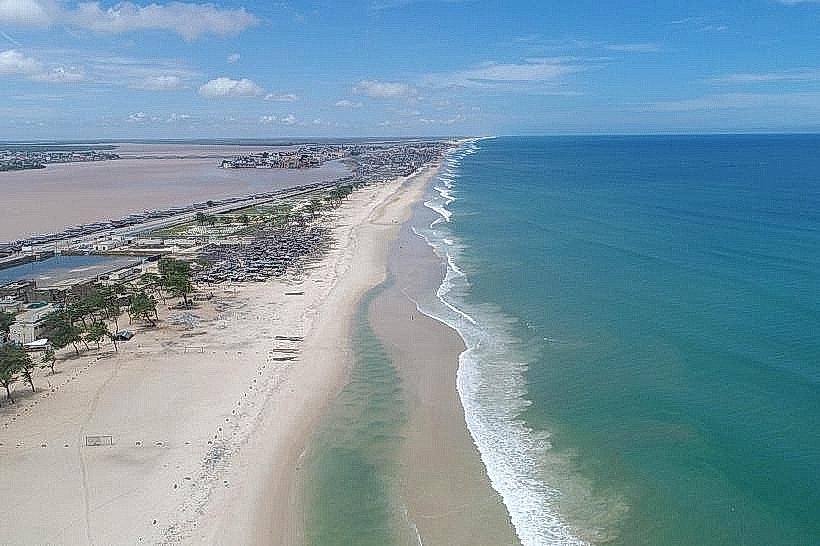
The park is defined by the "Langue" itself-a narrow, fragile peninsula of white sand and salt-resistant vegetation. The scenery is stark and horizontal, characterized by wind-sculpted dunes, groves of casuarina trees, and vast, deserted beaches. The interior lagoon is typically calm and turquoise, contrasting with the dark blue, turbulent Atlantic surf on the western side of the spit.
Location & Access Logistics
The main entrance is located in the Gandiol region, reached via a 30-to-40-minute drive from Saint-Louis.
Transit: Visitors typically hire a taxi from Saint-Louis or arrive via private 4x4 vehicles. The road transitioned from paved to sandy tracks as you approach the park headquarters in the village of Mouit.
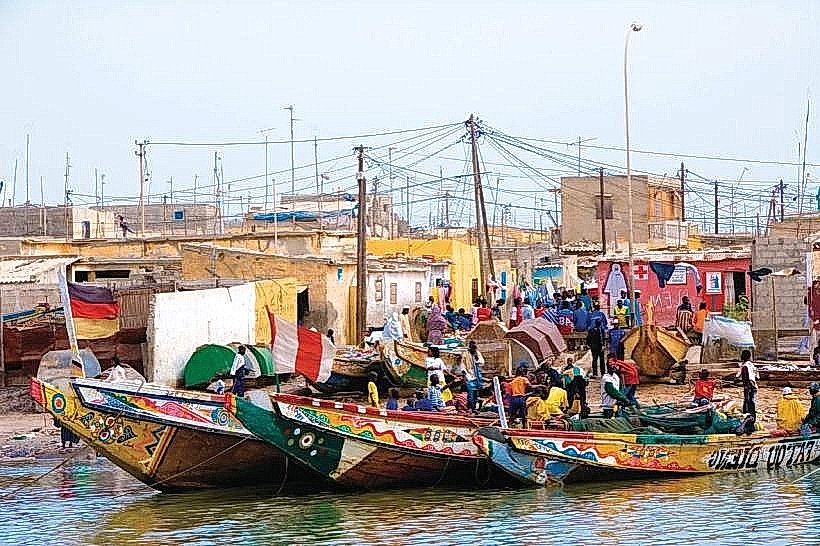
Water Access: Many visitors access the core bird-nesting areas via motorized pirogues departing from eco-lodges situated along the riverbank across from the park.
Internal Movement: Exploration within the park is conducted on foot along the beaches or via boat through the river channels.
Historical & Ecological Origin
The park was created to protect the nesting sites of migratory birds and sea turtles. Geologically, the area is highly volatile; in 2003, a 4-meter breach was cut into the Langue to prevent flooding in Saint-Louis. This breach has since expanded to several kilometers wide, fundamentally altering the park's ecology by increasing salinity and changing water currents, which led to the disappearance of some mangrove stands while creating new sandbanks.
Key Highlights & Activities
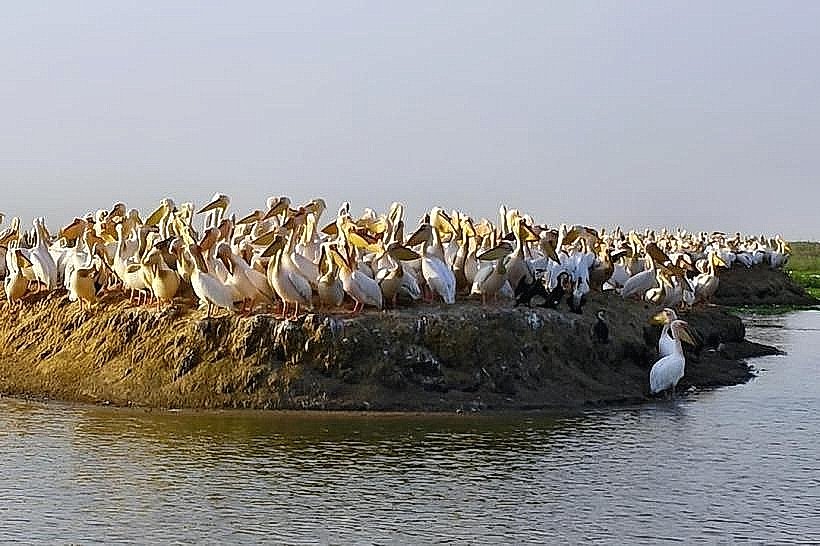
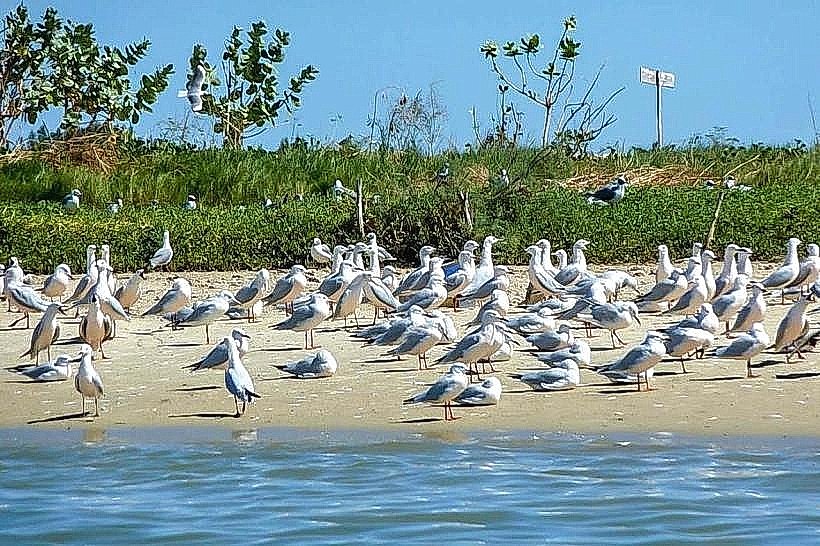
Bird Island (Île aux Oiseaux): A major nesting ground for thousands of royal terns, Caspian terns, and various species of gulls.
Pirogue Excursions: Guided boat tours through the mangroves and along the shoreline are the primary way to observe wildlife without disturbing the habitat.
Sea Turtle Monitoring: Between July and October, the park is a critical nesting site for Green, Loggerhead, and Olive Ridley turtles.
Birdwatching: Over 160 species have been recorded, including flamingos, pelicans, and various herons.
Infrastructure & Amenities
Park Headquarters: A modest administrative office provides ticketing and basic information.
Connectivity: 4G cellular coverage is generally available but can be intermittent in the deeper sections of the dunes.
Facilities: There are no public restrooms or shops inside the park boundaries; visitors rely on the amenities provided by the nearby eco-lodges in Gandiol.
Shade: Natural shade is extremely limited outside of the casuarina groves; high-SPF sunscreen and wide-brimmed hats are essential.
Best Time to Visit
The peak season for birdwatching is from November to April, when migratory species from Europe are present.
Nesting Peak: February and March offer the highest density of birds on the reproduction islands.
Time of Day: Early morning (07:00 to 09:00) is optimal for bird activity and comfortable temperatures.
Climate: The dry season provides clear skies, though the coastal "Alizé" winds can be strong and cool in the shade.
Facts & Legends
A verified ecological fact is that the 2003 man-made breach, originally intended as a temporary measure, resulted in the permanent submergence of several former campsites and the rapid erosion of the southern tip of the peninsula. Local legend among the Gandiolais people suggests that the spirits of the river and the sea battle for dominance at the park’s southern point, explaining why the landscape changes so drastically after every major storm.
Nearby Landmarks
Village of Mouit: 1km East (Gateway village)
Saint-Louis Island: 18km North
Hydrobase Beach: 12km North
Gandiol Lighthouse: 5km Northeast
Potou Beach: 35km South