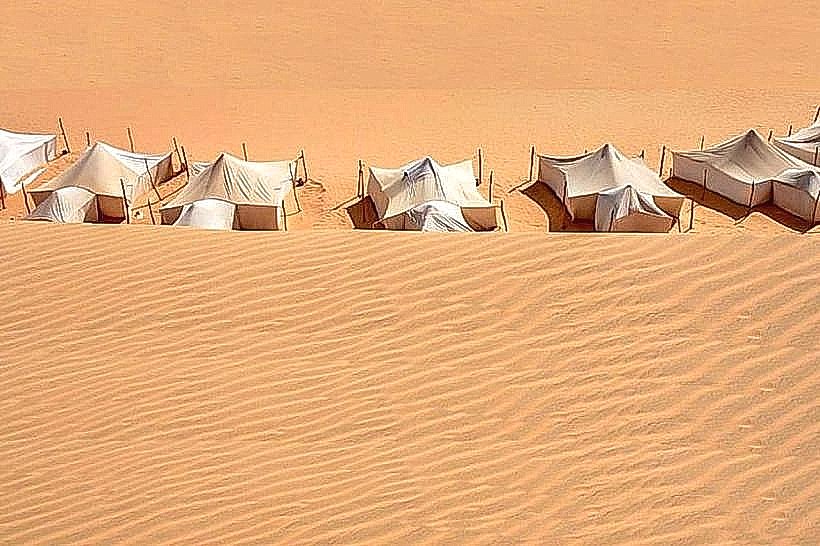
Landmark: Lompoul Desert
City: Saint Louis
Country: Senegal
Continent: Africa
Lompoul Desert, Saint Louis, Senegal, Africa
The Lompoul Desert is a small, coastal desert area located in northwestern Senegal, approximately 145km north of Dakar and halfway to Saint-Louis. It is widely recognized as the most accessible desert landscape in the country, characterized by its distinctive orange-hued sand dunes.
Visual Characteristics
The landscape is defined by massive, shifting dunes of fine, ocher-colored sand that can reach heights of up to 40 to 50 meters. The desert covers a relatively small surface area of approximately 18 square kilometers, creating a stark contrast with the surrounding green Sahelian brush and the nearby Atlantic coastline. At sunset, the high iron oxide content in the sand causes the dunes to appear deep orange or red. Vegetation is nearly non-existent within the dune field, limited to a few hardy shrubs and acacia trees on the perimeter.
Location & Access Logistics
The site is situated in the Louga Region, near the village of Lompoul.
Transit: Visitors typically drive to the village of Lompoul via the N2 highway. Since standard vehicles cannot navigate the deep sand, travelers must leave their cars at a designated "base camp" in the village and transfer to 4x4 shuttles provided by the desert lodges.
Travel Time: The drive from Dakar takes approximately 3 to 3.5 hours, while the trip from Saint-Louis takes about 1.5 to 2 hours.
Navigation: There are no paved roads within the desert itself; all movement is via 4x4 vehicles or on foot.
Historical & Ecological Origin
Geologically, the Lompoul Desert is a localized formation of "ogolian" dunes, remnants of a much larger arid period thousands of years ago. Unlike the Sahara, which is a continental desert, Lompoul is influenced by maritime winds that keep the sand localized in a specific coastal pocket. The area has transitioned from a remote pastoral zone for nomadic herders into a primary eco-tourism destination over the last two decades.
Key Highlights & Activities
Desert Camping: The primary draw is staying in "Moorish" or "Bedouin" style tents equipped with basic modern comforts.
Camel Trekking: Guided camel rides across the crests of the dunes are the standard way to explore the interior of the desert.
Sandboarding: The steep inclines of the dunes provide opportunities for sandboarding and trekking.
Stargazing: Due to the lack of light pollution from nearby cities, the desert offers exceptionally clear views of the night sky.
Cultural Evenings: Many camps host traditional djembe drumming and dance performances around a central campfire.
Infrastructure & Amenities
Infrastructure is focused on sustainable "glamping" (glamorous camping).
Lodging: Several permanent eco-lodges (e.g., Ecolodge de Lompoul) offer canvas tents with private bathrooms and solar-powered lighting.
Dining: Centralized dining tents serve traditional Senegalese dishes like Thieboudienne and Yassa, along with Moroccan-style tea.
Connectivity: 4G cellular signals are generally available on the higher dunes but can be intermittent within the troughs between them.
Water: Water is typically trucked in or sourced from deep wells; visitors are encouraged to conserve usage.
Best Time to Visit
The best time to visit is during the dry season from November to May, when the weather is cooler and the skies are clear.
Temperature: Daytime temperatures are hot (30°C to 35°C), but they drop significantly at night (15°C to 18°C), necessitating warm clothing for the evenings.
Photography: The "golden hour" (17:30 to 18:45) is essential for capturing the dramatic shadows and saturated orange colors of the dunes.
Avoidance: The rainy season (July to September) can make the sand heavy and the access tracks through the village muddy and difficult to traverse.
Facts & Legends
A verified ecological fact is that the Lompoul Desert is slowly shifting eastward due to the prevailing trade winds (Harmattan), though the rate of movement is monitored to prevent the burial of nearby agricultural land. Local lore suggests that the dunes were formed by a giant who emptied his shoes of sand after walking across the continent-a story often told to visitors during campfire sessions.
Nearby Landmarks
Village of Lompoul: 5km West
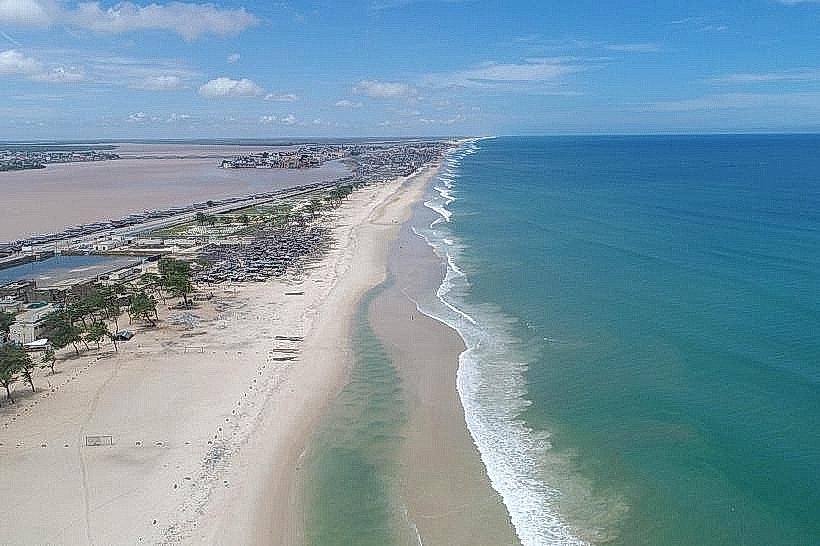
Grande Côte (Atlantic Beach): 10km West
Saint-Louis: 100km North
Mboro (Fishing & Mining Town): 45km South
Kébémer: 30km East