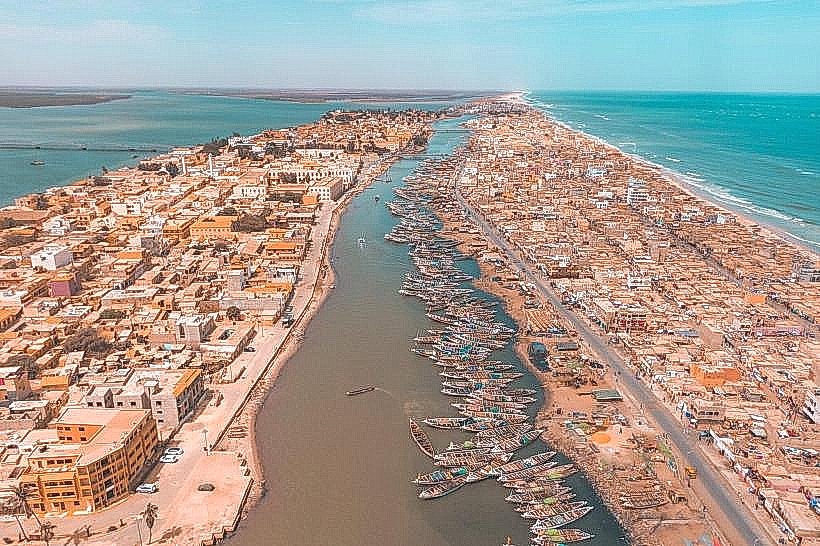
Landmark: Saint-Louis Island
City: Saint Louis
Country: Senegal
Continent: Africa
Saint-Louis Island, Saint Louis, Senegal, Africa
Saint-Louis Island (L'Île de Saint-Louis) is a historic urban center located at the mouth of the Senegal River in northern Senegal. Established by French traders in 1659, it served as the capital of the colony and later French West Africa until 1902, and remained the capital of Senegal and Mauritania until 1957. It was designated a UNESCO World Heritage site in 2000.
Visual Characteristics
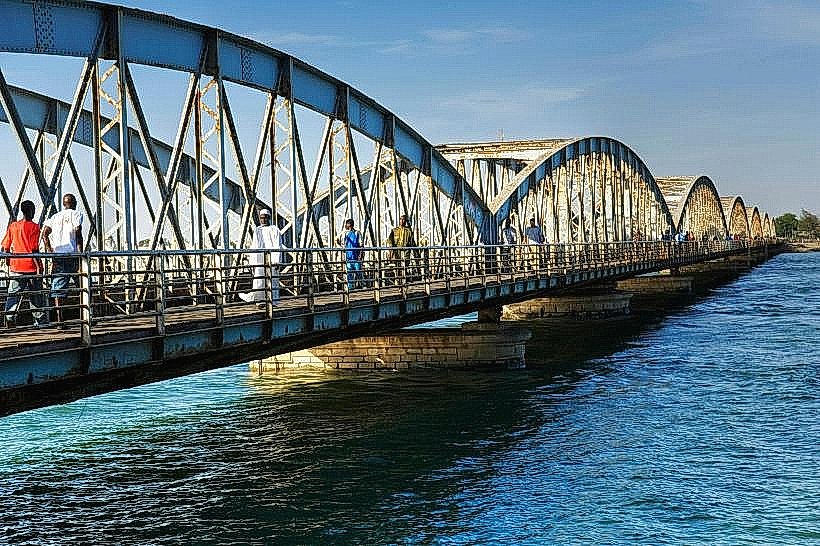
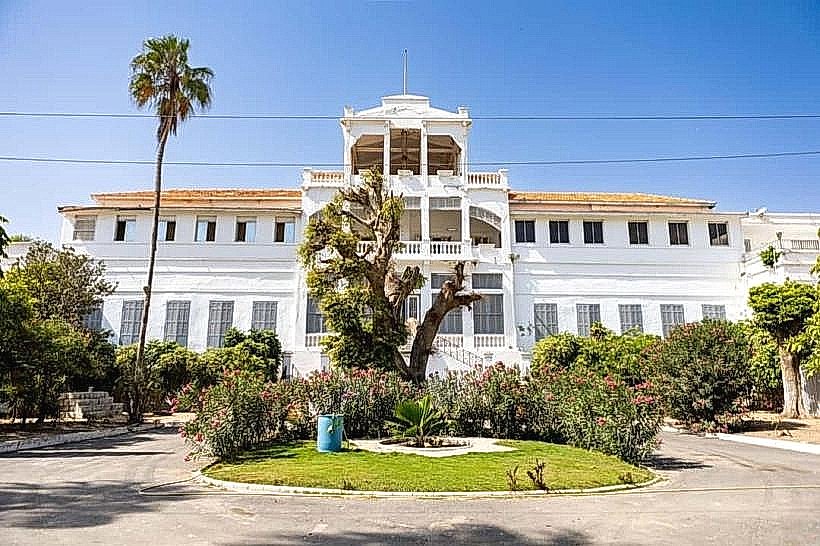
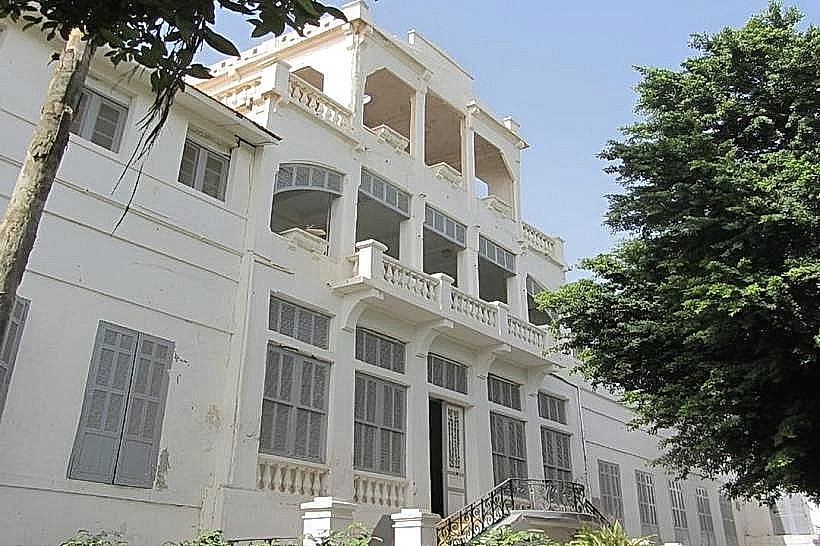
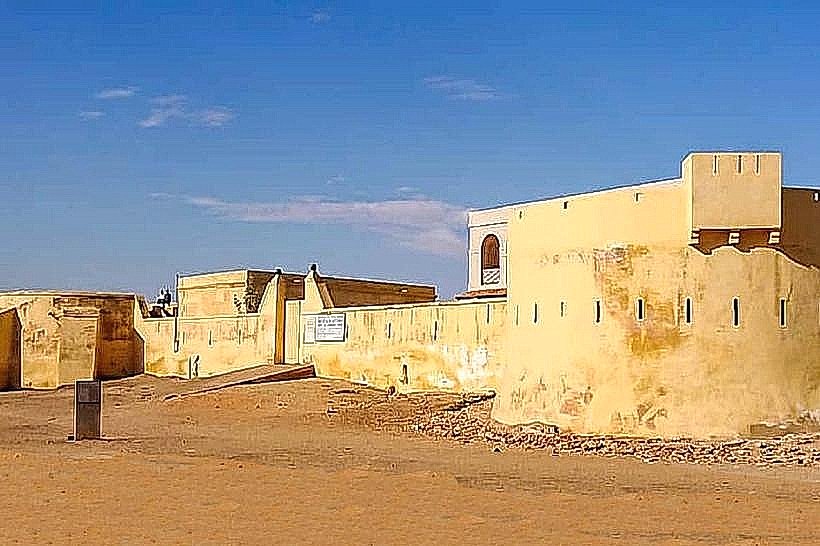
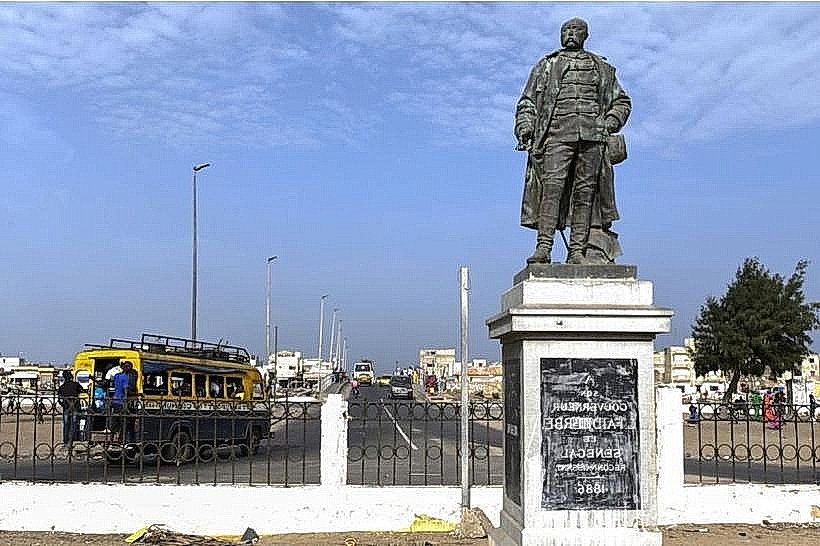
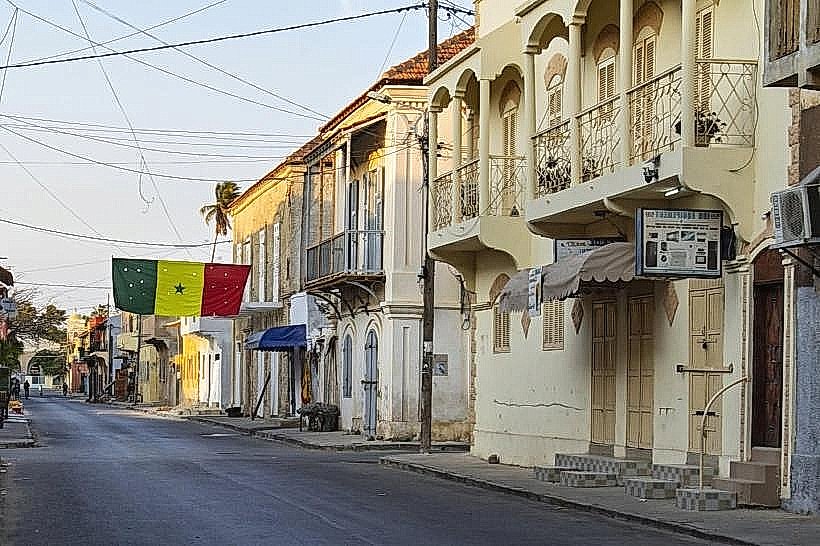
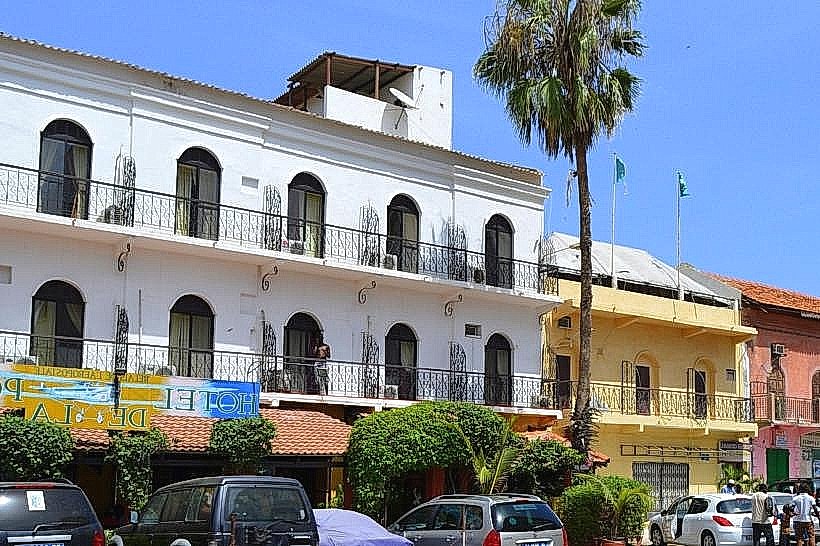
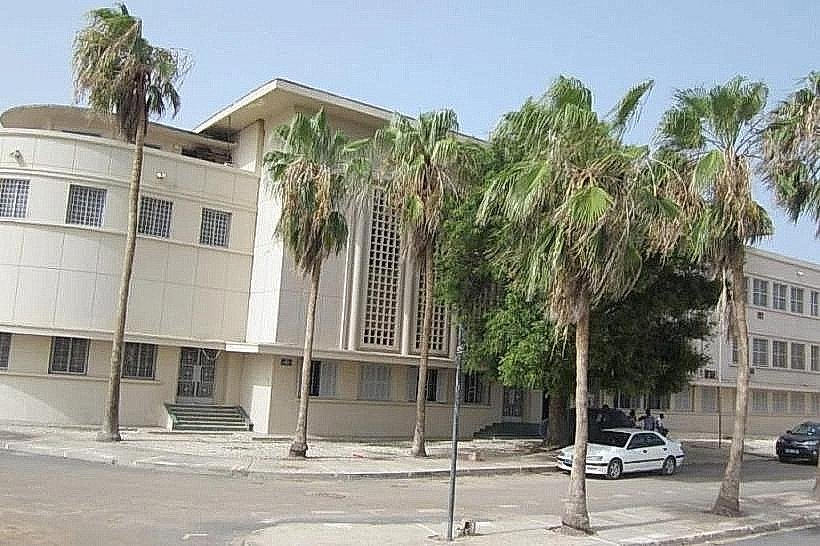
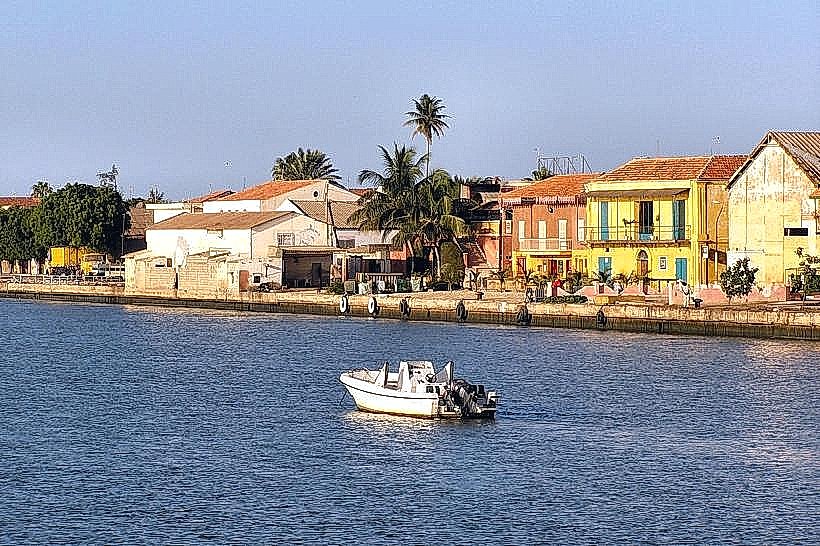
The island is a narrow limestone and sand strip, approximately 2km long and 400m wide, characterized by its remarkably preserved 19th-century colonial architecture. The urban fabric consists of a strict grid of streets lined with two-story brick and masonry houses featuring ochre, rose, and yellow lime-wash facades. Most buildings possess tiled roofs, wrought-iron balconies, and heavy wooden shutters. The riverfront is dominated by the massive Faidherbe Bridge and the "quais" (docks) where traditional wooden pirogues are moored.
Location & Access Logistics
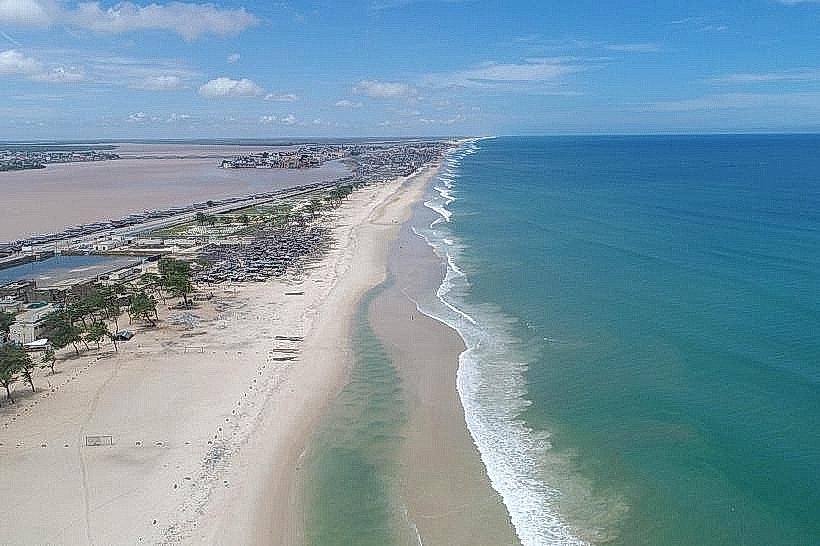
Saint-Louis is located 264km north of Dakar via the N2 highway. The island is separated from the mainland (Sor) by the "Grand Bras" of the Senegal River and from the Atlantic Ocean by a narrow sandy peninsula known as the Langue de Barbarie.
Primary Access: The metallic Faidherbe Bridge is the only vehicular and pedestrian link from the mainland.
Transport: From Dakar, the journey takes 4–5 hours by private car or "sept-place" taxi.
Internal Transit: The island is highly walkable; motorized traffic is discouraged in the narrow residential streets of the northern and southern tips.
Historical & Ecological Origin
Saint-Louis was the first French permanent settlement in sub-Saharan Africa. Its location was strategically chosen for its defensive position and its role as a terminus for the river trade in gum arabic, gold, and slaves. Geologically, it is an alluvial island formed by the accumulation of river sediment. It faces significant modern ecological threats from rising sea levels and the 2003 breach of the Langue de Barbarie, which altered the river's tidal dynamics and increased salinity.
Key Highlights & Activities
Colonial Architecture Tour: Walking the North and South districts to view the "Maisons à Galeries" (gallery houses).
Place Faidherbe: The central square hosting the Governance Building and the Saint-Louis Cathedral (the oldest church in Senegal, built in 1828).
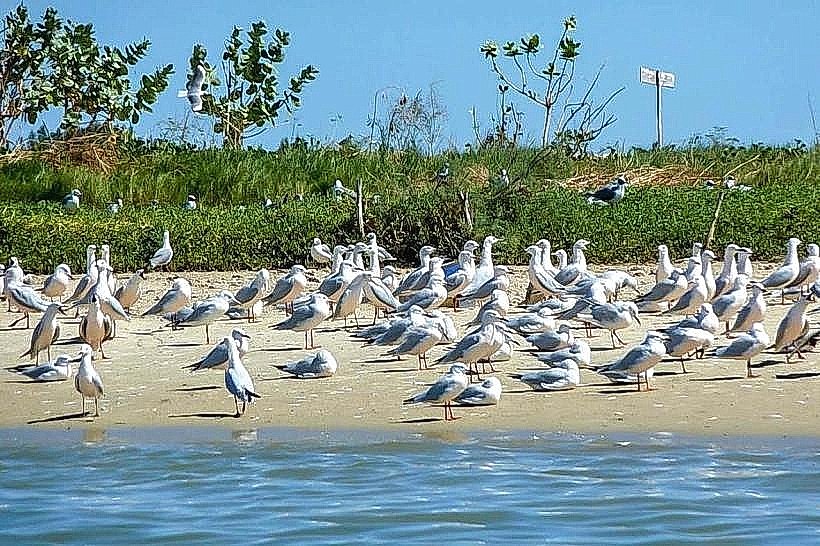
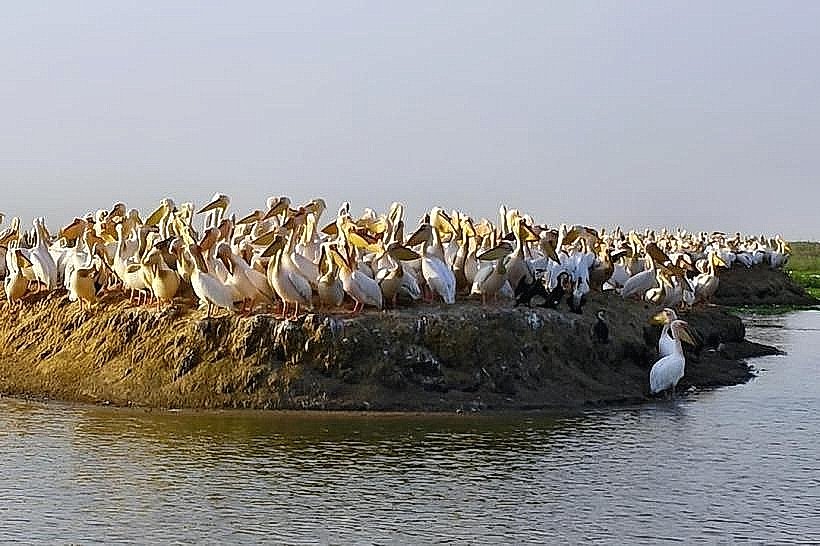
River Excursions: Boat trips on the Senegal River to observe the birdlife and the historic riverfront.
Saint-Louis Jazz Festival: An internationally renowned annual music event held in the central squares and hotels.
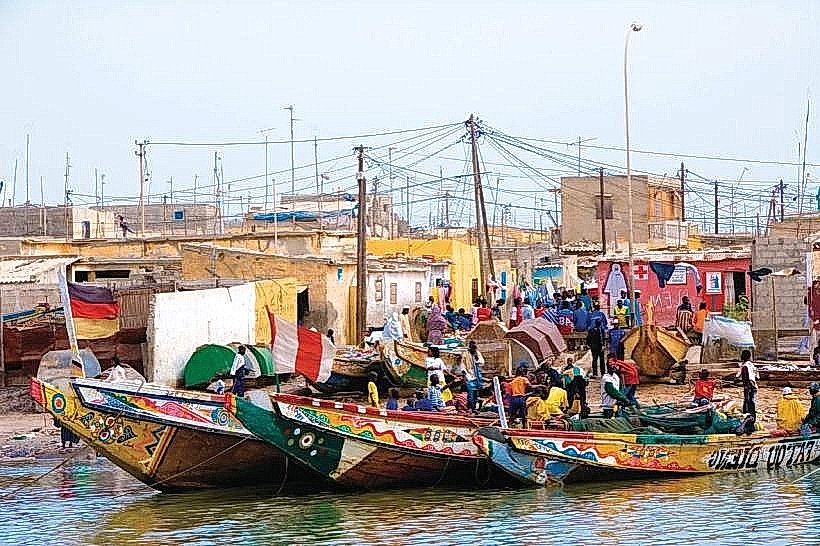
Fishing Quarter (Guet Ndar): While technically on the Langue de Barbarie, it is accessed via the smaller Malick Gaye bridge from the island and offers a view of thousands of colorful fishing boats.
Infrastructure & Amenities
Connectivity: 4G and 5G cellular coverage is excellent throughout the island.
Shade: Natural shade is provided by the narrow street layout and the interior courtyards of colonial houses.
Dining/Lodging: The island has the highest concentration of boutique hotels and French-Senegalese fusion restaurants in the region.
Utilities: Electricity and water systems are stable, though the historic drainage system is under constant renovation.
Best Time to Visit
Season: November to June (dry season) is optimal, with cool breezes from the Atlantic.
Time of Day: Early morning (07:30 to 09:30) for architectural photography or late afternoon (17:30 to 18:45) for the sunset over the river.
Events: May is typically the month of the Jazz Festival, attracting global crowds.
Facts & Legends
A verified historical fact is that Saint-Louis was the headquarters of Aéropostale; the famous pilot Antoine de Saint-Exupéry frequently stayed at the Hôtel de la Poste. A local legend concerns the "Signares"-wealthy, high-status women of mixed African and European descent who dominated the island's social and economic life for centuries. Their ghost-like elegance is said to still haunt the courtyards of the southern district during the misty harmattan mornings.
Nearby Landmarks
Faidherbe Bridge: 0.1km East
Saint-Louis Grand Mosque: 0.4km North (features a unique clock tower)
CRDS Museum: 0.2km South (historical and ethnographic exhibits)
Langue de Barbarie National Park: 18km South
Djoudj National Bird Sanctuary: 60km North