Landmark: Podor Fort
City: Saint Louis
Country: Senegal
Continent: Africa
Podor Fort, Saint Louis, Senegal, Africa
Podor Fort is a historical colonial military installation located in the town of Podor, situated on the banks of the Senegal River in northern Senegal. It represents one of the most inland points of French colonial military architecture and served as a critical node for controlling trade and movement along the river during the 18th and 19th centuries.
Visual Characteristics
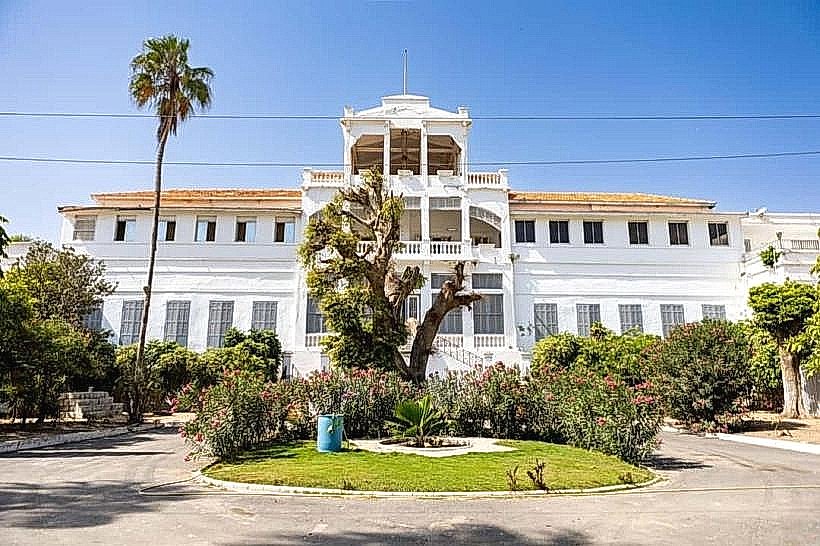
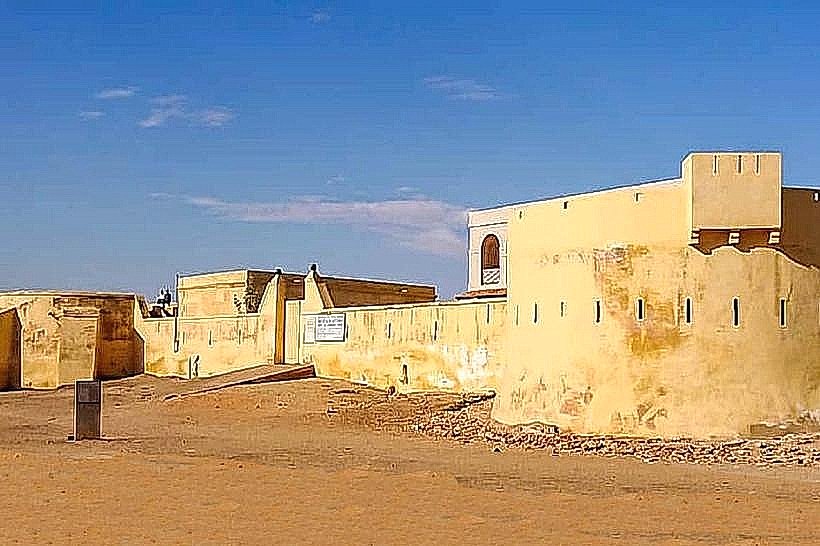
The fort is a massive rectangular masonry structure characterized by its thick, ochre-colored walls and prominent corner bastions. The architecture follows a classic French "Vauban" inspired military layout, featuring a central interior courtyard surrounded by two-story barracks and administrative buildings. The exterior is punctuated by narrow arrow slits and gun ports. Its position directly overlooks the Senegal River, providing a clear line of sight across to the Mauritanian shore.
Location & Access Logistics
The site is located in the heart of Podor, approximately 215km east of Saint-Louis.
Transit: Reaching Podor typically requires a 3.5 to 4-hour drive from Saint-Louis via the N2 highway. Public "sept-place" taxis and private 4x4 vehicles are the primary modes of transport.
River Access: Historically, the fort was accessed via river steamboats; today, it is a primary stop for the luxury cruise ship Bou el Mogdad, which navigates the Senegal River.
Entry: The fort is generally open to the public during daylight hours, often managed by a local caretaker who provides guided access to the ramparts.
Historical & Ecological Origin
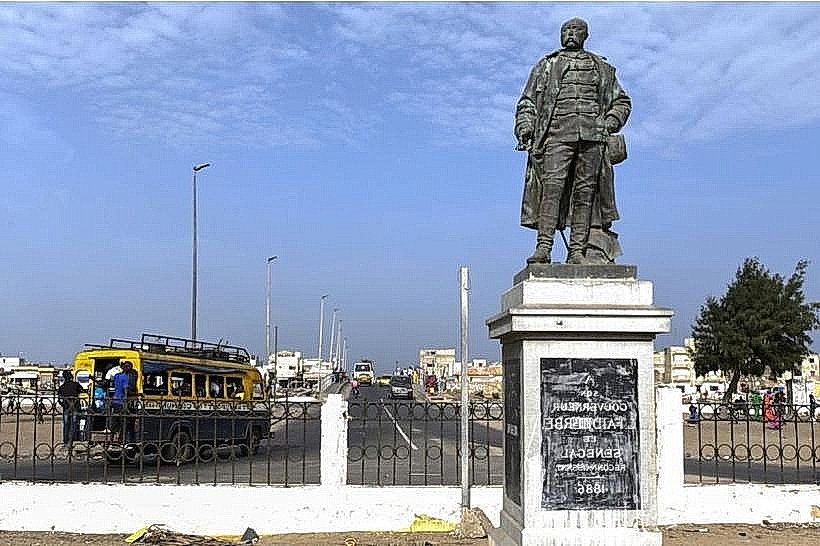
The original fort was established by the French in 1744 to protect their monopoly on the gum arabic trade. It was later rebuilt and reinforced in 1854 by Louis Faidherbe, the Governor of Senegal, to serve as a base for military campaigns against the Toucouleur Empire led by El Hadj Umar Tall. Geologically, the site occupies a stable alluvial levee composed of clay and silt, elevated slightly above the seasonal floodplains of the Senegal River.
Key Highlights & Activities
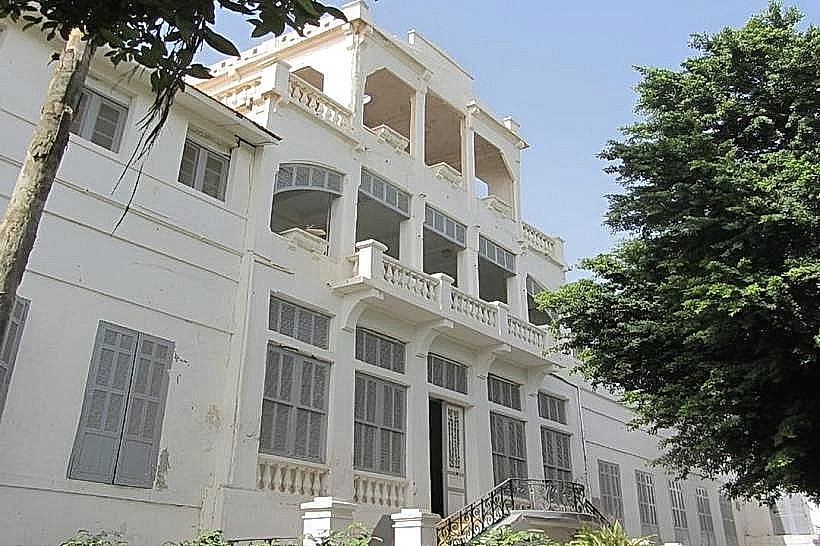
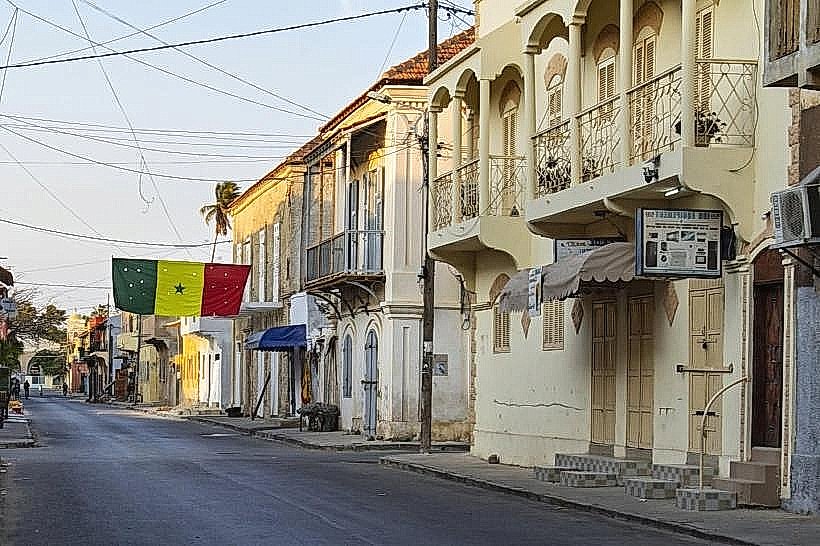
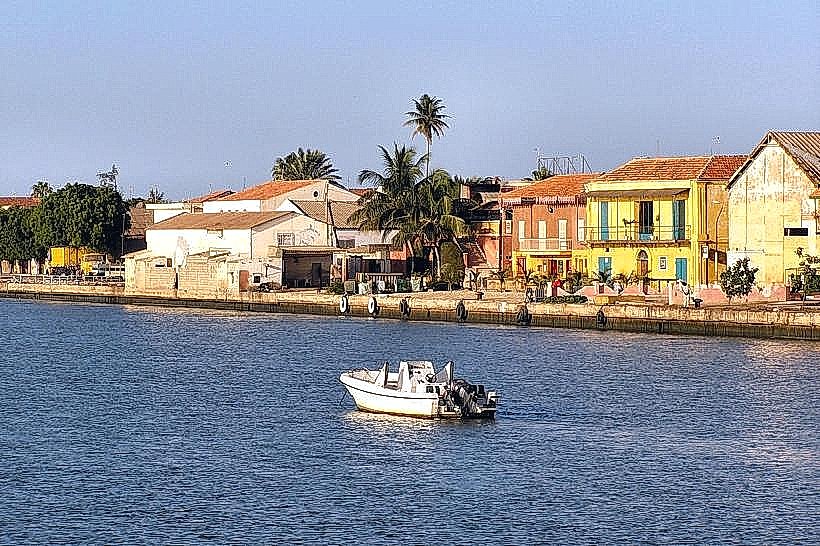
Rampart Walks: Visitors can walk along the elevated stone walls to gain a panoramic view of the river and the traditional clay-brick architecture of the Podor "Quartier Fondé."
Museum Exhibits: Small rooms within the fort contain photographic archives and artifacts detailing the colonial history of the Fouta Toro region and the life of the local populations.
Cultural Photography: The deep orange and yellow tones of the fort’s walls against the blue of the river provide a high-contrast setting for photography.
Historical Reflection: The site offers insight into the "Guerre des Plaines" (War of the Plains) and the resistance movements of the 19th century.
Infrastructure & Amenities
Infrastructure within the fort is limited but preserved.
Facilities: Basic restrooms are occasionally available, but visitors are advised to use facilities in the nearby town center.
Dining: Several small "gargotes" (local eateries) and the historic Maison Guillaume Foy are located within a 5-minute walk of the fort entrance.
Connectivity: 4G cellular coverage is reliable within Podor town, though signal strength can fluctuate inside the thick masonry walls of the fort.
Shade: The interior galleries and the courtyard's mature trees provide significant relief from the intense Sahelian sun.
Best Time to Visit
The best time to visit is during the cooler dry season from November to March.
Daily Timing: Early morning (08:00–10:00) or late afternoon (16:30–18:00) is recommended to avoid the peak heat, which frequently exceeds 40°C in this region.
Golden Hour: The setting sun reflects intensely off the ochre walls, making 17:45–18:30 the optimal time for exterior views.
Facts & Legends
A verified historical fact is that the fort's reconstruction in 1854 utilized bricks fired locally using river clay, a technique that helped the structure withstand the humid river microclimate. Local lore suggests that the underground tunnels once connected the fort to nearby colonial trading houses to allow for the discreet movement of valuable goods, though most of these passages have since collapsed or been filled by river silt.
Nearby Landmarks
Maison Guillaume Foy: 0.2km South
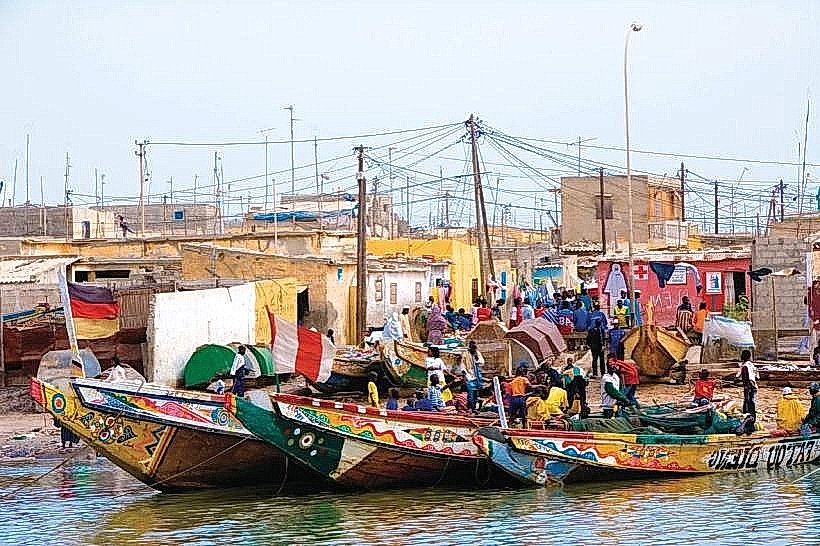
Podor Quay (River Port): 0.1km West
Saint-Louis: 215km West
Mauritanian Border (Across River): 0.3km North
Quartier Fondé (Historic District): Adjacent to the South