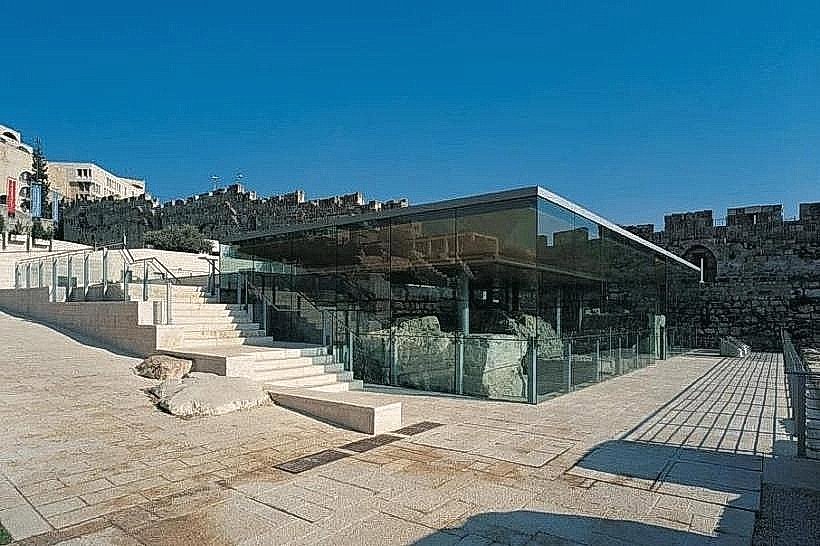
Landmark: Davidson Center
City: Jerusalem
Country: Israel
Continent: Asia
Davidson Center, Jerusalem, Israel, Asia
The Davidson Center is an archaeological park and museum located at the southern foot of the Temple Mount. It serves as the primary gateway to the Southern Wall excavations, showcasing the history of Jerusalem through architectural remains and digital reconstructions.
Visual Characteristics
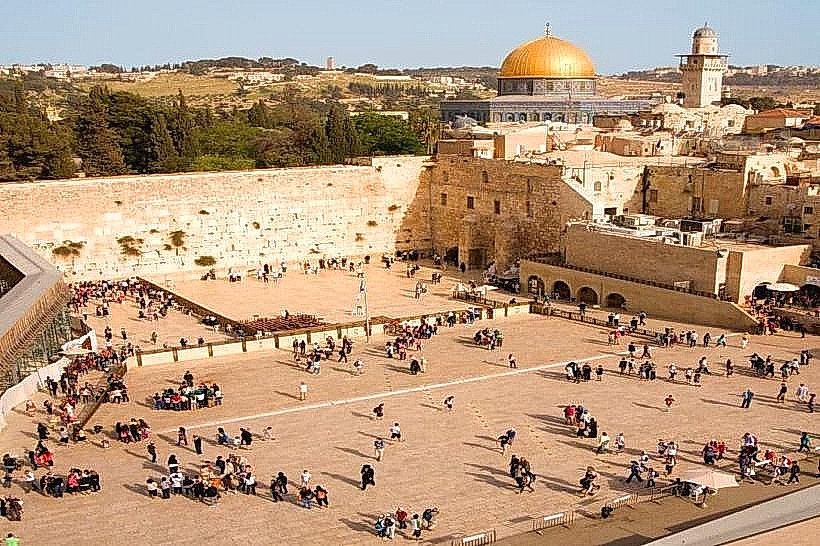
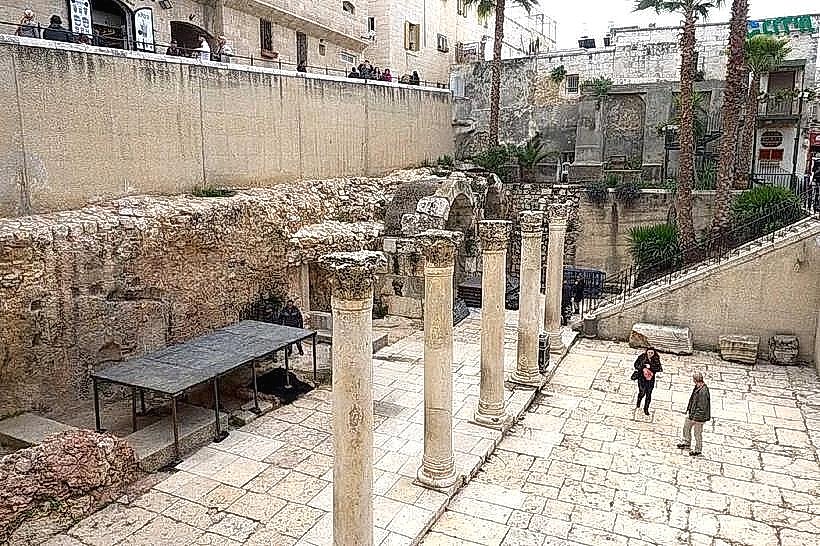
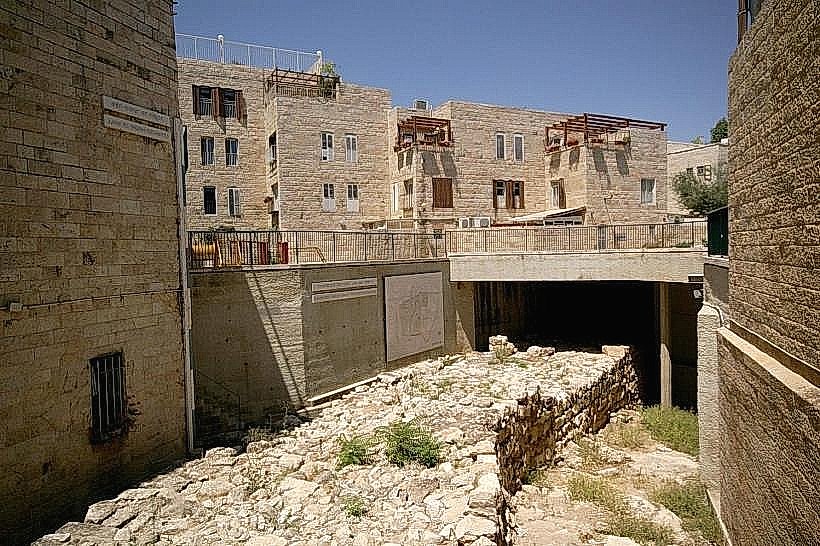
The center is partially housed in a modern subterranean structure integrated into the basement of an 8th-century Umayyad palace. Above ground, the site features massive Herodian ashlar stones, monumental staircases, and the remains of a wide paved street from the Second Temple period. The architectural contrast between the sleek glass-and-steel museum interior and the ancient weathered limestone ruins is a defining feature.
Location & Access Logistics
The site is situated near the Dung Gate at the southern entrance to the Old City. Access is via the Ma'ale HaShalom road, with the entrance located just east of the Western Wall plaza. It is serviced by bus lines 1, 3, and 38, which stop at the nearby Givati Parking Lot. Visitors arriving from the Western Wall can reach the center via a designated pedestrian walkway within the archaeological park.
Historical & Ecological Origin
Opened in 2001, the museum occupies a site that has undergone continuous excavation since 1968. The archaeological layers span from the First Temple period through the Byzantine and Early Islamic eras. Geologically, the site sits on the Tyropoeon Valley floor, where centuries of debris and sediment accumulated against the massive retaining walls of the Temple Mount, preserving the artifacts beneath.
Key Highlights & Activities
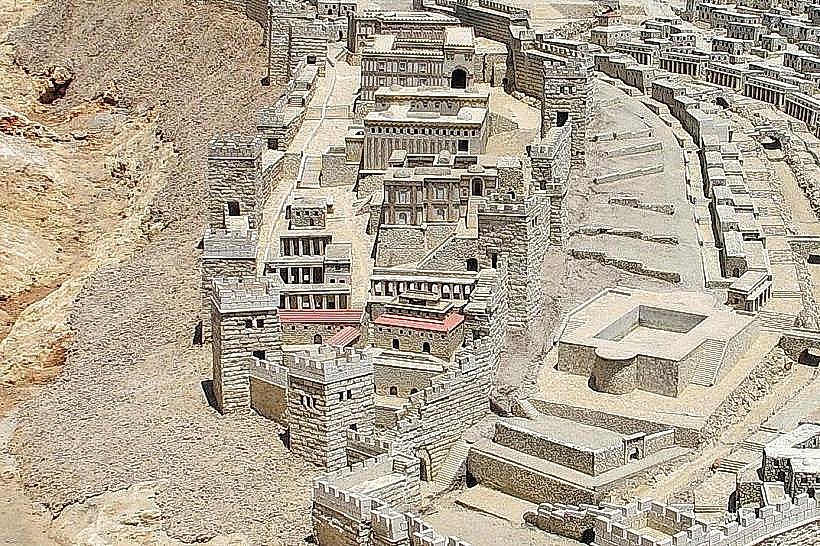
Visitors can walk along the Herodian street and view the "Robinson's Arch" stones that collapsed during the Roman destruction in 70 CE. The museum features a high-definition virtual reality model of the Second Temple and displays significant finds, including ancient coins, pottery, and stone inscriptions. Guided tours often include a walk through the remains of the Umayyad administrative buildings.
Infrastructure & Amenities
The facility is equipped with air-conditioned gallery spaces, a gift shop, and an auditorium for educational films. Modern public restrooms are available within the museum complex. 5G cellular coverage is consistent throughout the outdoor park and the museum. The site features paved ramps and elevators, making a significant portion of the archaeological park accessible to visitors with limited mobility.
Best Time to Visit
The site is best visited in the early morning (08:00–10:00) to avoid the intense midday sun in the exposed archaeological pits. For photography, the late afternoon light highlights the texture of the Southern Wall and the monumental steps of the Hulda Gates. The museum follows standard daytime hours and is closed on Saturdays and Jewish holidays.
Facts & Legends
A unique historical oddity at the site is the "Trumpeting Place" stone, which features a Hebrew inscription indicating where a priest would stand to announce the start of the Sabbath. Another notable feature is the series of ritual baths (mikva'ot) discovered near the monumental entrance, which were used by thousands of ancient pilgrims to purify themselves before entering the Temple complex.
Nearby Landmarks
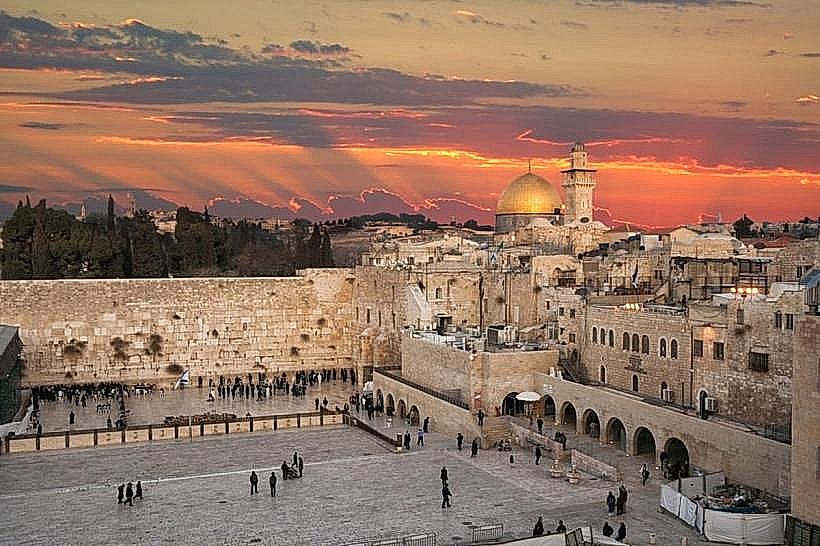
Western Wall – 0.2km North
Dung Gate – 0.1km South
City of David – 0.3km South
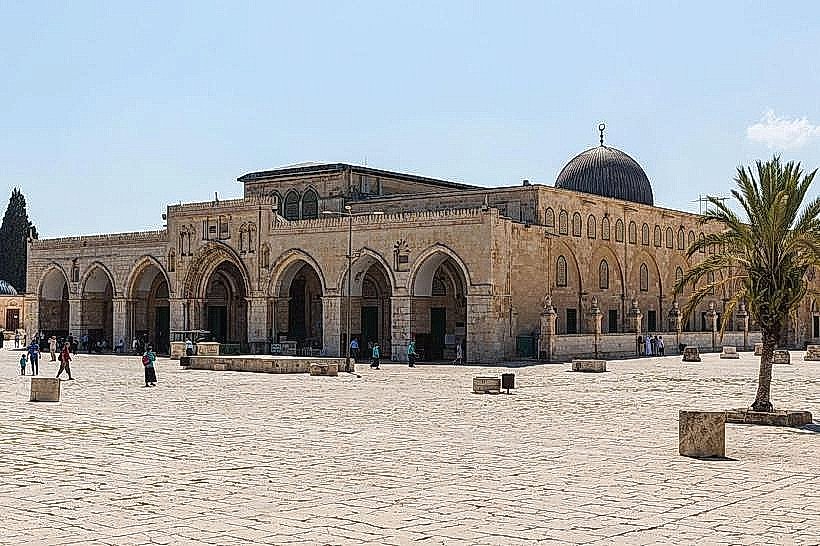
Al-Aqsa Mosque – 0.1km North
Robinson's Arch – 0.05km North