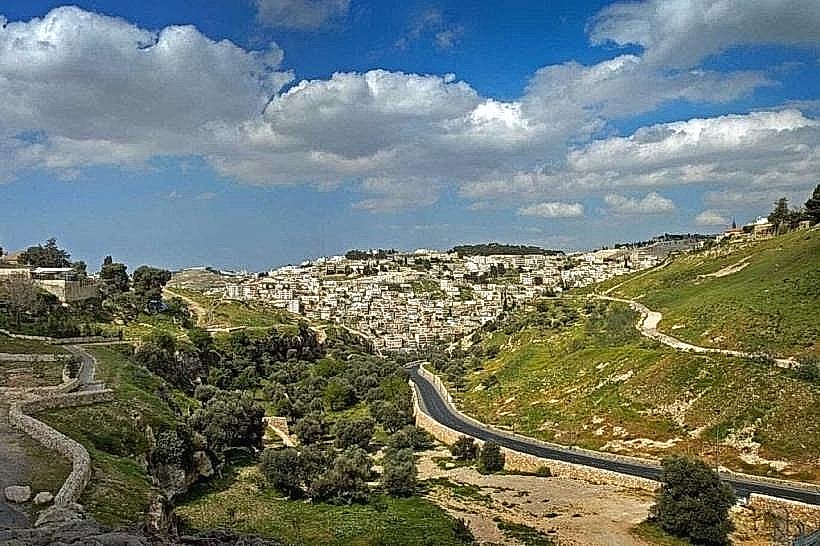
Landmark: Hinnom Valley (Gehenna)
City: Jerusalem
Country: Israel
Continent: Asia
Hinnom Valley (Gehenna), Jerusalem, Israel, Asia
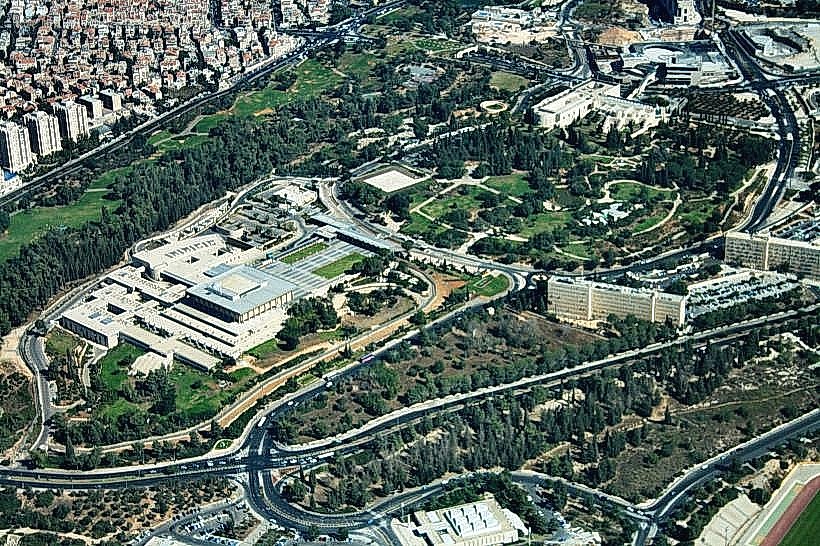
The Hinnom Valley, also known as Gehenna, is a historic ravine surrounding the Old City of Jerusalem from the west and south. It serves as a significant geographical boundary between the ancient city and modern neighborhoods such as the German Colony and Abu Tor.
Visual Characteristics
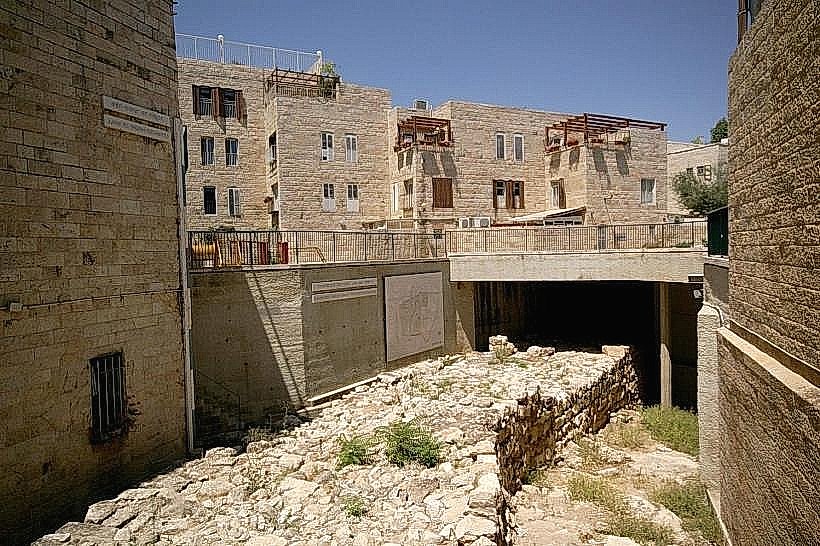
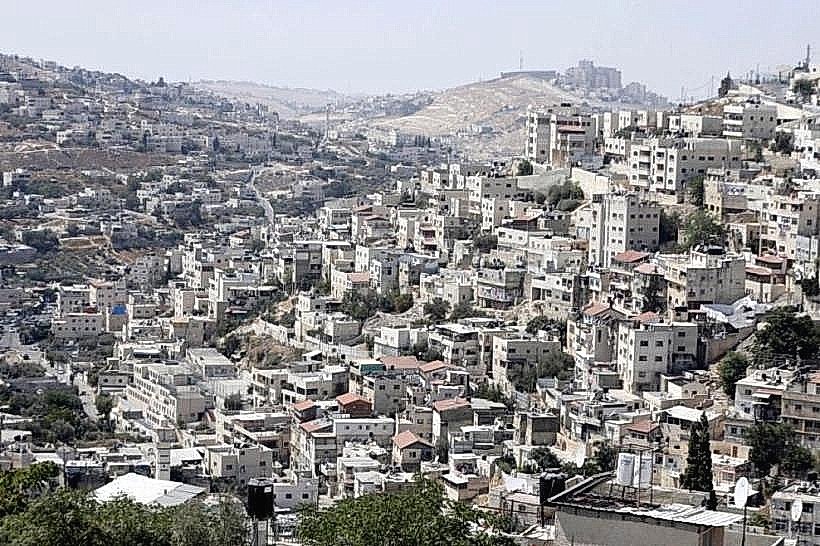
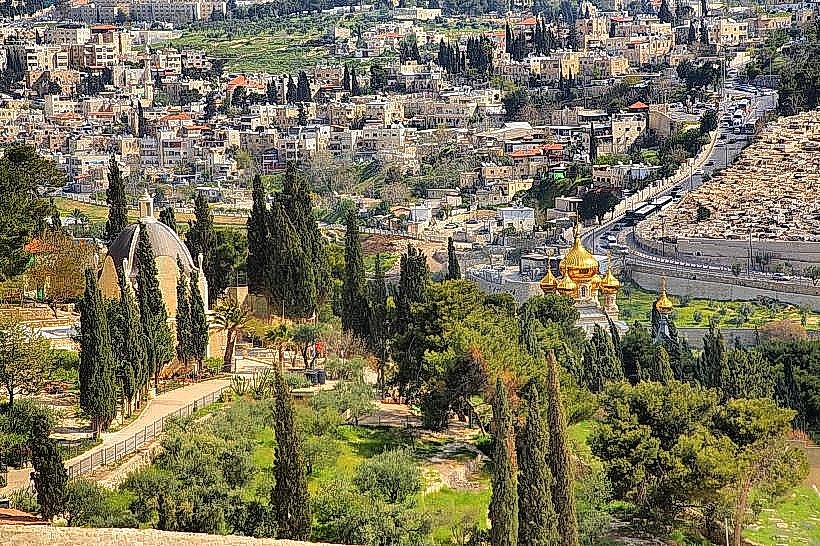
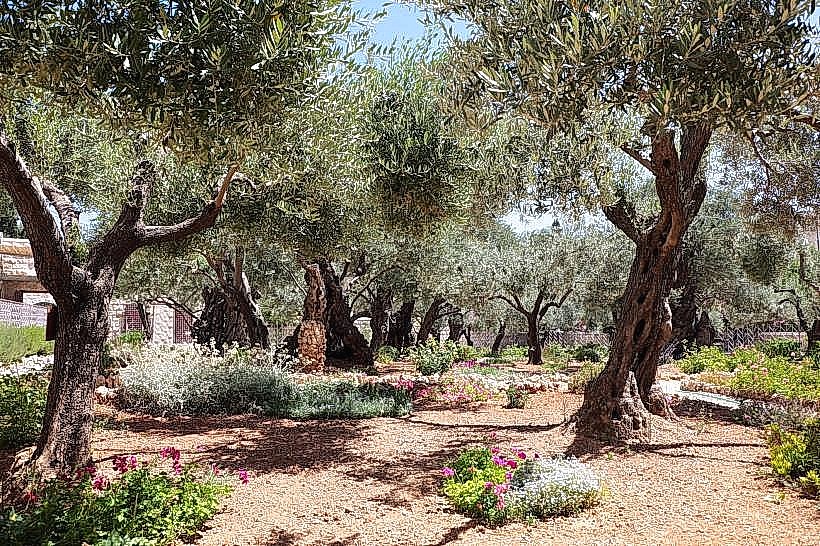
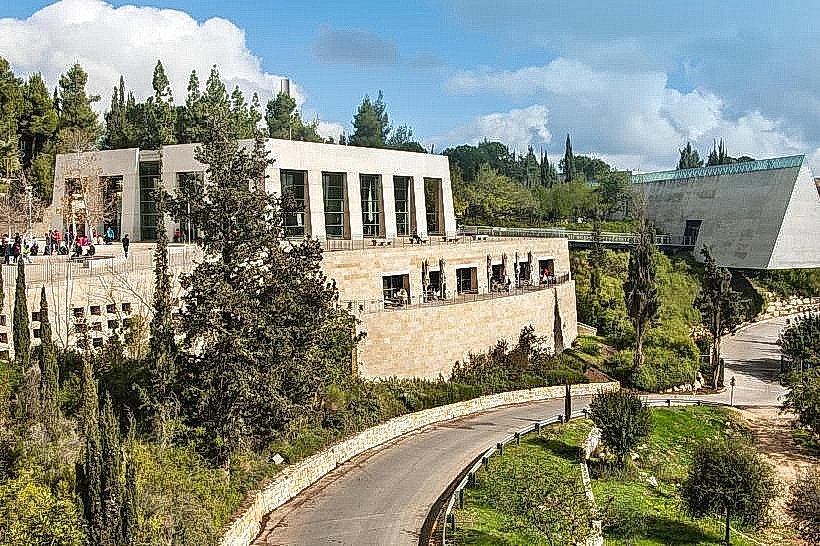
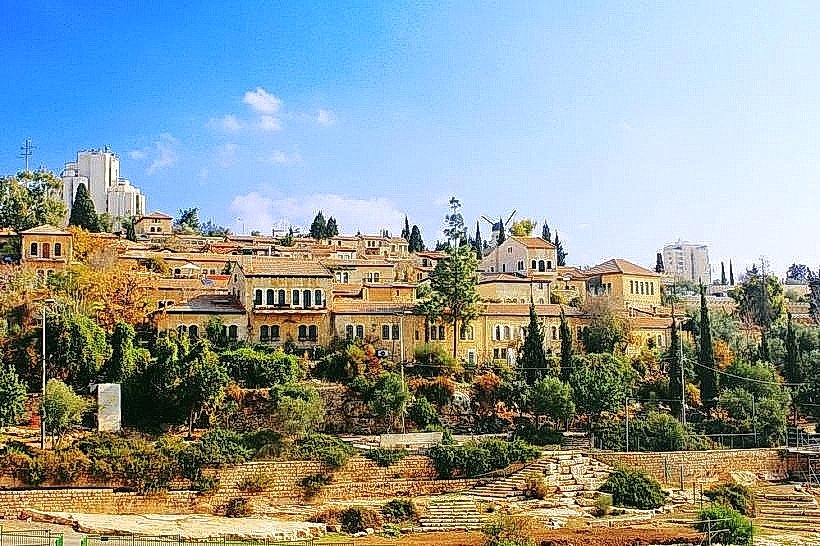
The valley features steep, rocky slopes and limestone cliffs, with much of the area preserved as a green belt. The central floor contains terraced gardens, ancient olive trees, and grassy clearings interspersed with rock-cut tombs from the First and Second Temple periods. Modern cultural centers and a suspended pedestrian bridge are integrated into the hillsides, contrasting with the weathered medieval masonry.
Location & Access Logistics
The valley is situated directly south of the Mamilla district and west of Mount Zion. It is accessible via Hebron Road or the Sultan's Pool area, with pedestrian paths connecting it to the Jaffa and Zion Gates. Public transport options include numerous buses stopping at King David Street or Remez Street. Paid parking is available at the Menachem Begin Heritage Center or near the First Station complex.
Historical & Ecological Origin
Geologically, the valley was formed by the erosion of the Judean Mountains' limestone bedrock. Historically, it is associated with ancient cultic practices mentioned in the Hebrew Bible, later becoming a theological metaphor for "Gehenna" in Judaism, Christianity, and Islam. During the mid-20th century, the valley served as part of the "No Man's Land" border between Israel and Jordan.
Key Highlights & Activities
The Jerusalem Cinematheque sits on the northern slope, hosting international film screenings. Visitors can traverse the Hinnom Valley bridge, a 200-meter suspended walkway offering views of the Old City walls. The Sultan's Pool, an ancient reservoir at the valley's head, functions as a large-scale outdoor concert venue and festival site.
Infrastructure & Amenities
The valley floor is equipped with paved walking and cycling trails, picnic areas, and stone benches. Public restrooms are available at the Cinematheque and the Menachem Begin Heritage Center. 5G cellular coverage is reliable throughout the area. While the valley floor is relatively flat, the connecting paths to the surrounding ridges are steep and require significant physical effort.
Best Time to Visit
Spring (March–May) is the optimal time for visiting, as the valley floor is lush and wildflowers are in bloom. For photography, the late afternoon provides dramatic backlighting of Mount Zion and the southern walls of the Old City. The valley is a popular location for organized night walks during the late summer and autumn months.
Facts & Legends
A unique historical feature is the Aceldama (Field of Blood) located at the southern junction, traditionally identified as the site purchased with the "thirty pieces of silver" given to Judas Iscariot. The valley's deep association with fire and judgment in biblical texts led to its name becoming the linguistic root for the concept of Hell in several languages.
Nearby Landmarks
Mount Zion – 0.2km East
St. Andrew's Church – 0.3km Southwest
Menachem Begin Heritage Center – 0.1km West
Jerusalem Cinematheque – 0.1km North
The First Station – 0.4km South