Landmark: Kasungu National Park
City: Lilongwe
Country: Malawi
Continent: Africa
Kasungu National Park, Lilongwe, Malawi, Africa
Kasungu National Park is a vast protected conservation area that stands as the second-largest national park in Malawi. The reserve encompasses 2,316 square kilometers of wilderness along the western border plateau separating Malawi from Zambia, situated within the central region of the country.
Visual Characteristics
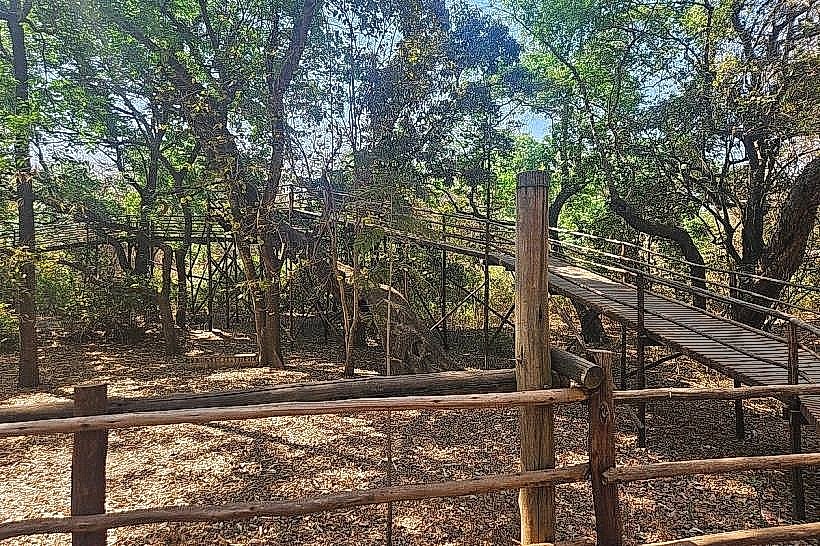
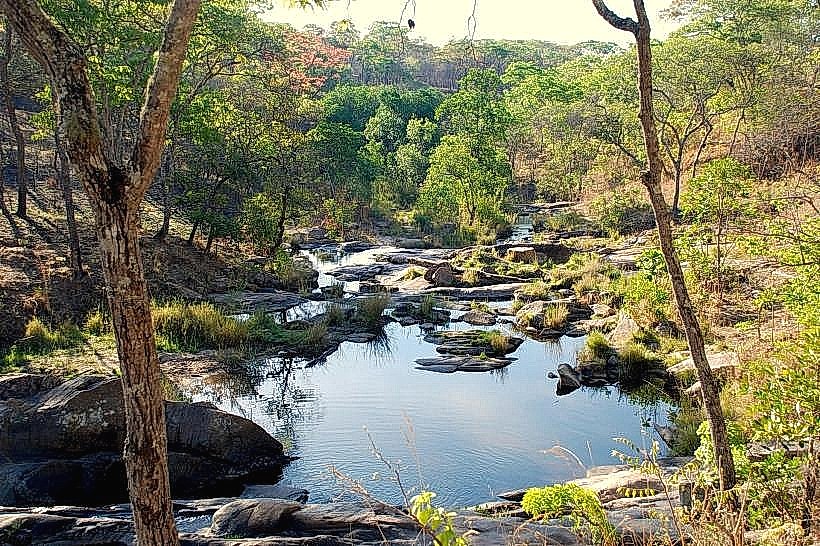
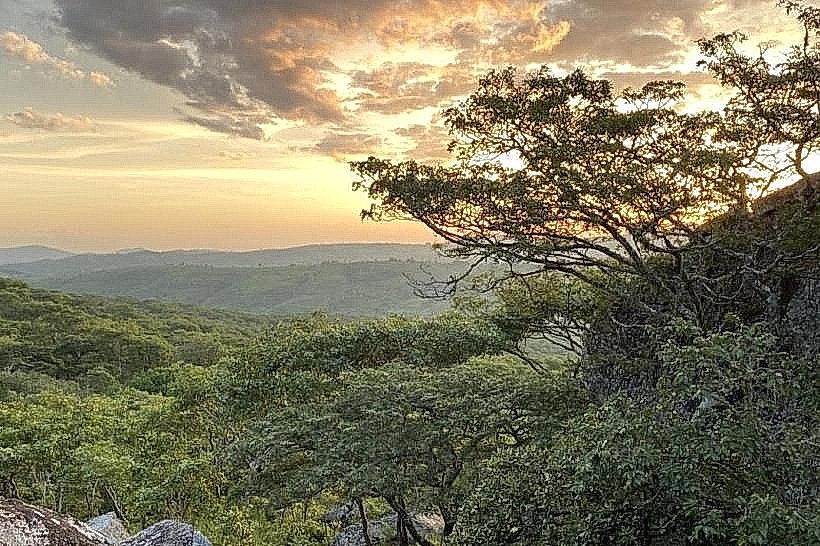
The topography consists of a gently rolling plateau surface averaging 1,000 meters above sea level, interspersed with isolated granite inselbergs that sharply break the horizontal profile. The landscape is dominated by closed-canopy miombo woodland consisting primarily of semi-deciduous Brachystegia, Julbernardia, and Isoberlinia tree genera. This forest cover transitions abruptly into dambos, which are broad, low-lying, seasonally flooded open grass wetlands characterized by light sandy soils. Multiple drainage systems cut across the terrain, highlighted by the wide alluvial channels of the Dwangwa, Lingadzi, and Lifupa rivers, alongside the prominent artificial water body of the Lifupa Dam.
Location & Access Logistics
The park infrastructure is situated approximately 175 kilometers north of Lilongwe and 30 kilometers west of Kasungu township. Vehicles travel north from Lilongwe via the paved M1 highway to Kasungu, turning west onto an unpaved 60-kilometer gravel access road that leads directly to the main park entry gate. Navigating the interior track networks requires a high-clearance four-wheel-drive vehicle due to sandy stretches and unbridged stream crossings. No scheduled public minibus transit routes operate within the park perimeter; passengers must take public transport from Lilongwe to the central terminal at Kasungu town and arrange a private 4x4 taxi or charter vehicle to complete the western transit.
Historical & Ecological Origin
The territory was originally established as a protected state game reserve under colonial administration in 1922 and was formally gazetted as a national park under Malawian state authority in 1970. The park was designed to preserve the extensive central African plateau miombo woodland ecosystem and its historically dense populations of large savanna mammals. Geologically, the area occupies part of the ancient basement complex of the Central African Plateau, featuring nutrient-poor sandveld soils and deep alluvial clay deposits along the primary river beds.
Key Highlights & Activities
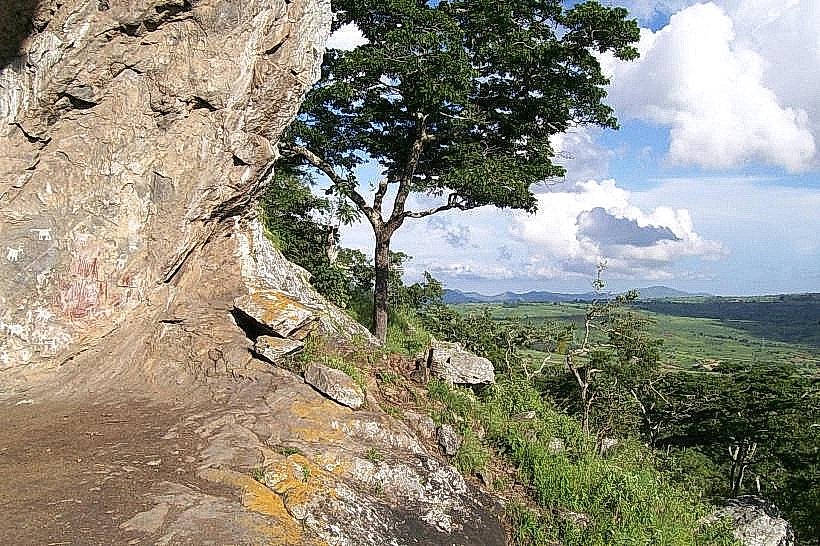
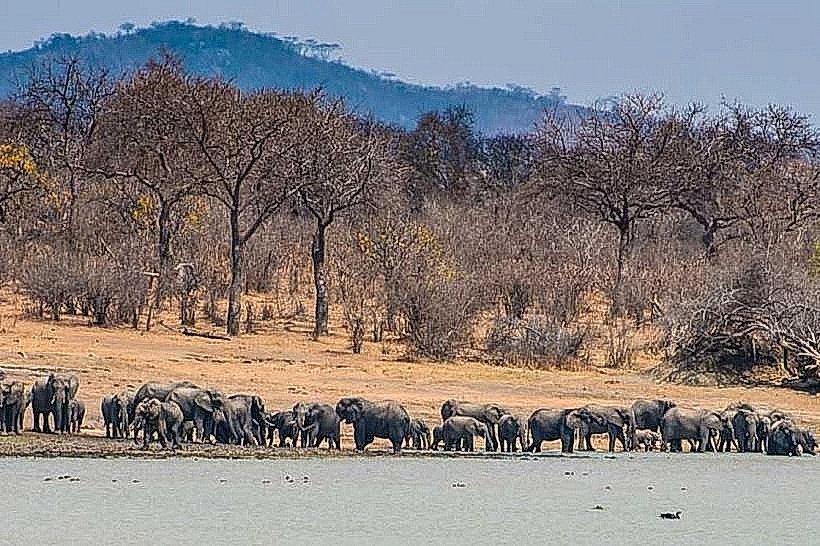
Game drives along the dirt track networks form the primary activity, enabling the observation of large mammal populations including African elephants, Cape buffaloes, hippopotamuses, zebras, and rare roan and sable antelopes. Birdwatching is highly active across the riverine zones and the Lifupa Dam, which support over 400 resident and migratory avian species such as the southern ground hornbill, martial eagle, and African fish eagle. Guided wilderness walking safaris are conducted by armed park rangers, and visitors can access designated historical and archaeological iron-age rock art sites situated on the slopes of the granite inselbergs.
Infrastructure & Amenities
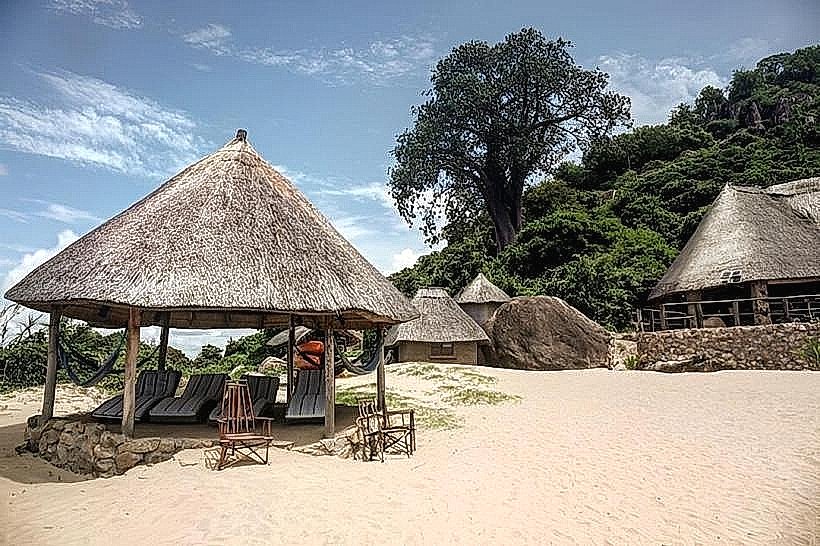
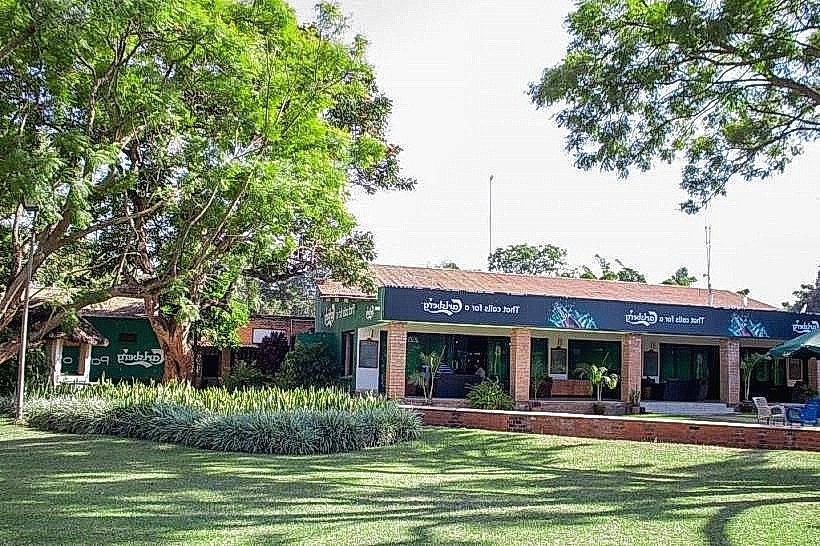
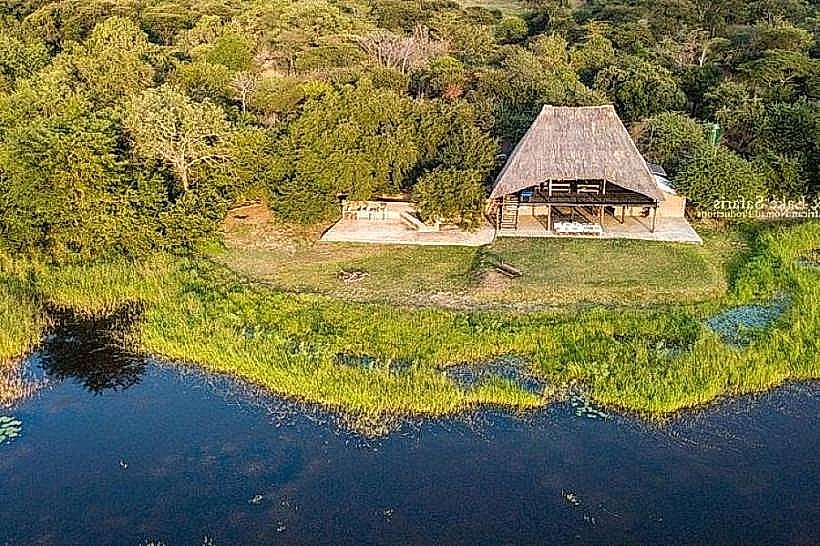
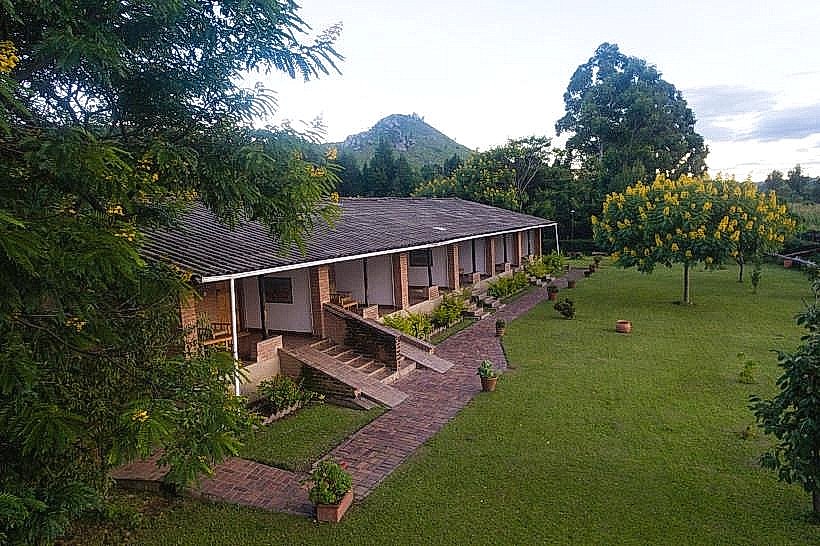
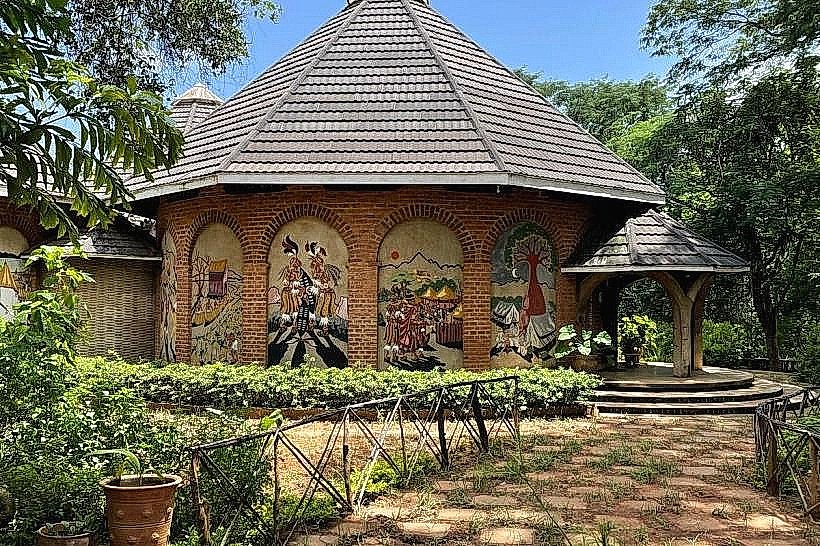
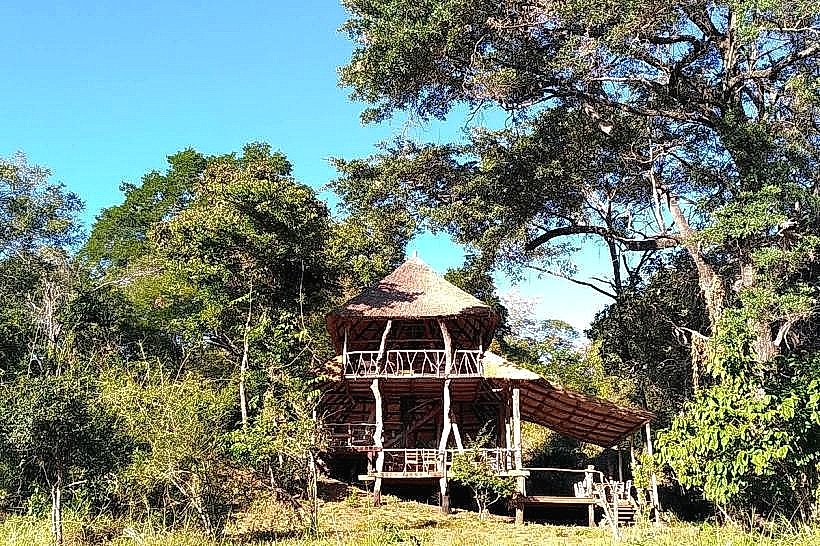
Visitor amenities are concentrated near the Lifupa Dam at the Lifupa Conservation Lodge, which provides permanent restroom blocks, a central dining facility, and structured campground clearings. The dense miombo forest canopy offers consistent natural shade along the peripheral tracks, though the open dambo grasslands and dam banks are entirely exposed to solar radiation. Mobile communication signal is weak and highly localized, with basic 4G network coverage limited to the main administrative camp and elevated ridges, while 5G infrastructure is absent. There are no independent commercial shops or fuel stations within the 2,316-square-kilometer perimeter, requiring visitors to enter fully self-sufficient with all necessary vehicle fuel, mechanical equipment, and food supplies purchased in Kasungu town.
Best Time to Visit
The ideal window for wildlife viewing and structural landscape photography occurs during the dry season from May to October, when the miombo canopy thins out and animals consistently aggregate around permanent water sources like the Lifupa Dam. Morning tracking hours between 06:00 and 09:00 offer optimal light conditions and peak predator activity before daytime temperatures rise to an average of 26 degrees Celsius. The park is typically closed to all visitors during the peak of the wet season in March, as heavy tropical downpours inundate the low-lying dambos and render the unpaved dirt track system impassable.
Facts & Legends
The park has been the focus of one of the largest transnational conservation interventions in central Africa, highlighted by a major elephant relocation project that introduced hundreds of elephants from southern reserves to rebuild a population that had been depleted by historical poaching. Local historical accounts document that the park was the favored wilderness retreat of Malawi's first president, Dr. Hastings Kamuzu Banda, who established a private lodge complex near the Lifupa River to explicitly demonstrate the state's early commitment to international wildlife conservation.
Nearby Landmarks
Lifupa Dam Reservoir – 0.1km East
Zambian Border Line – 12.5km West
Kasungu Boma Township – 30.0km East
Bunda National Monument Site – 34.5km Southeast
Nkhotakota Wildlife Reserve Border – 72.0km East