Landmark: Kuti Wildlife Reserve
City: Lilongwe
Country: Malawi
Continent: Africa
Kuti Wildlife Reserve, Lilongwe, Malawi, Africa
The Kuti Wildlife Reserve is a specialized eco-tourism sanctuary and biodiversity conservation area that protects a unique matrix of habitats in central Malawi. The reserve encompasses 2,000 hectares of pristine low-altitude wilderness situated in the Salima district, positioned approximately 10 kilometers west of Salima town and 90 kilometers east of Lilongwe.
Visual Characteristics
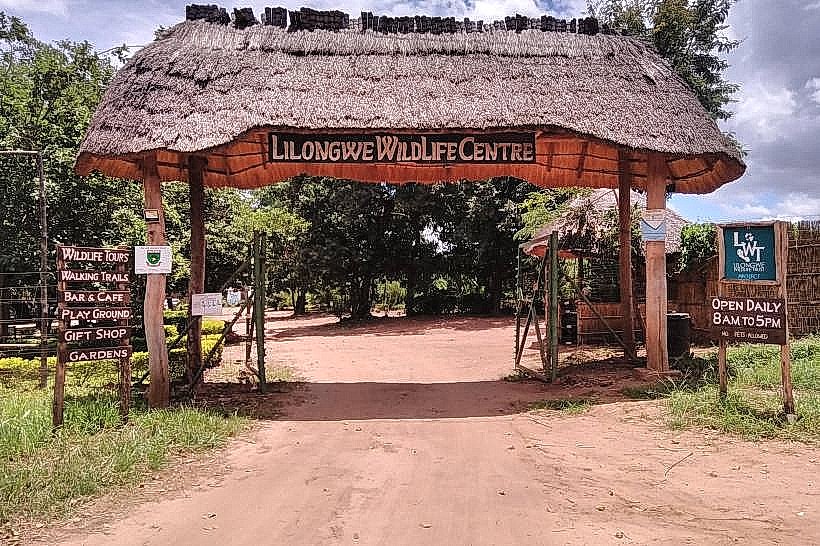
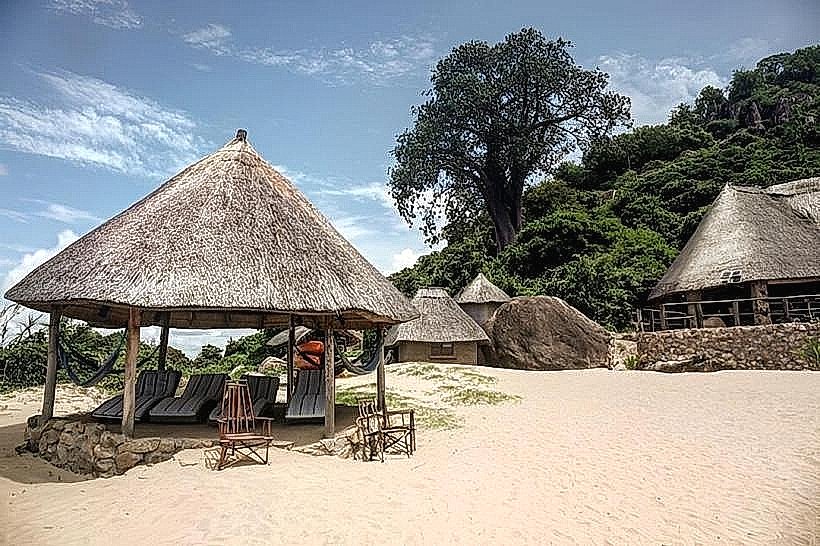
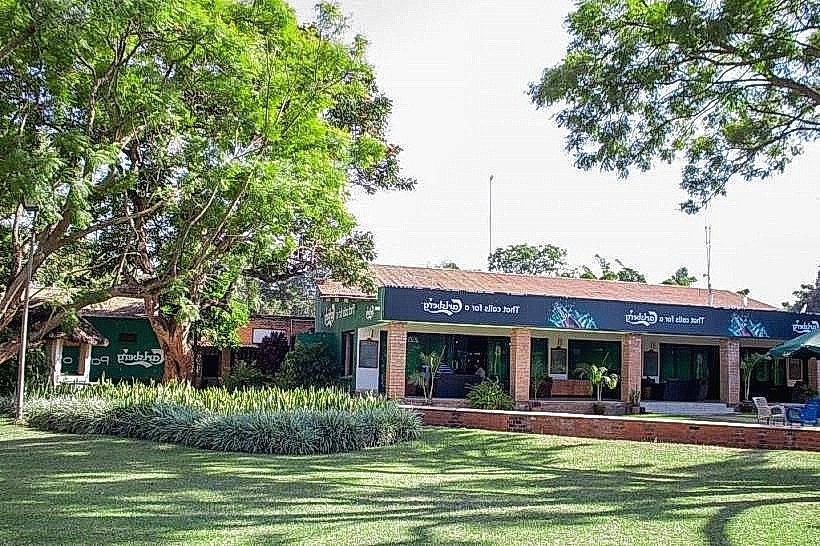
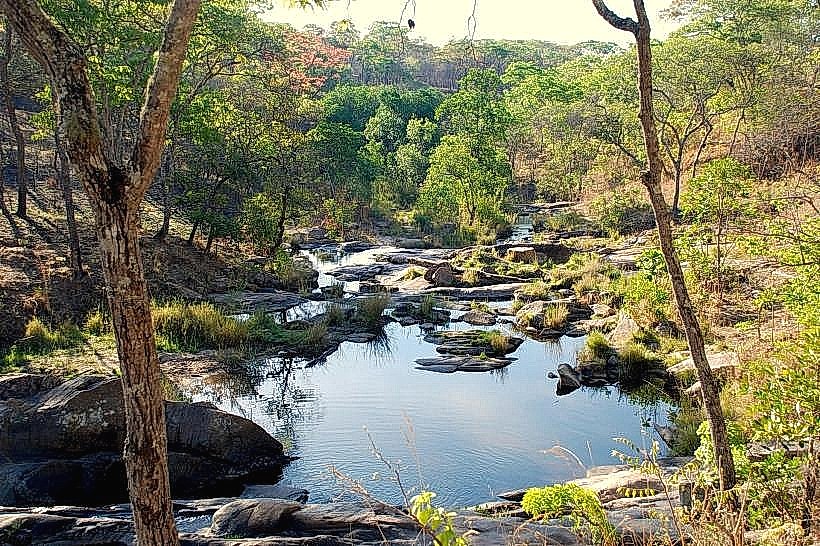
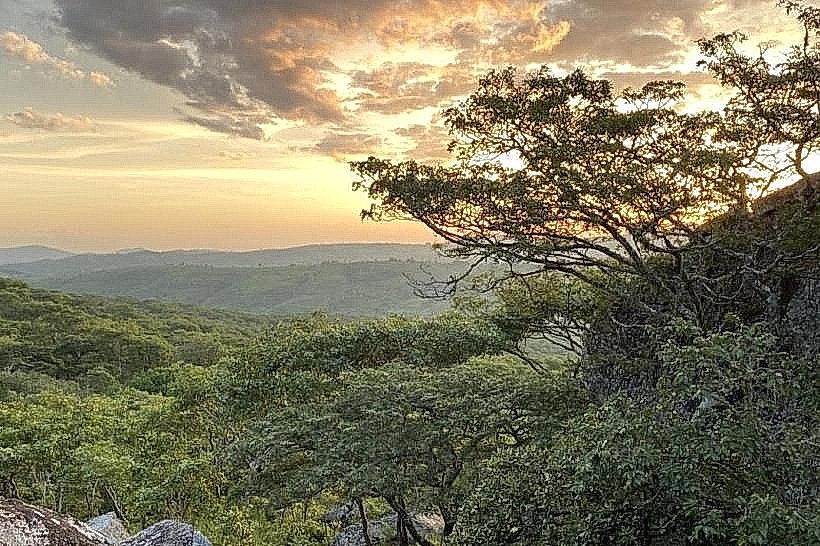
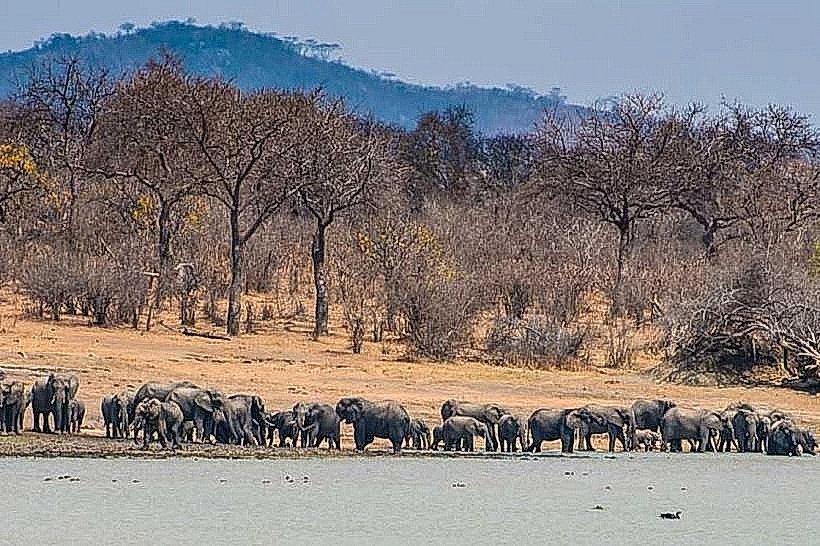
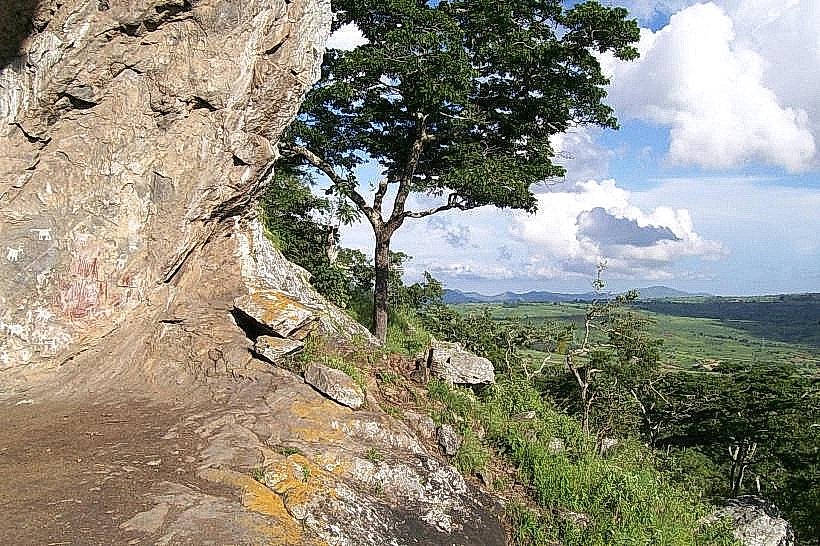
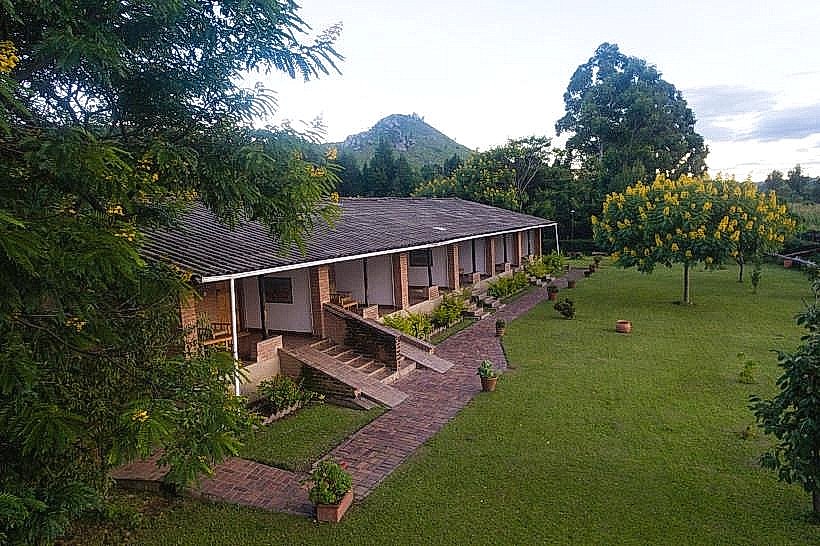
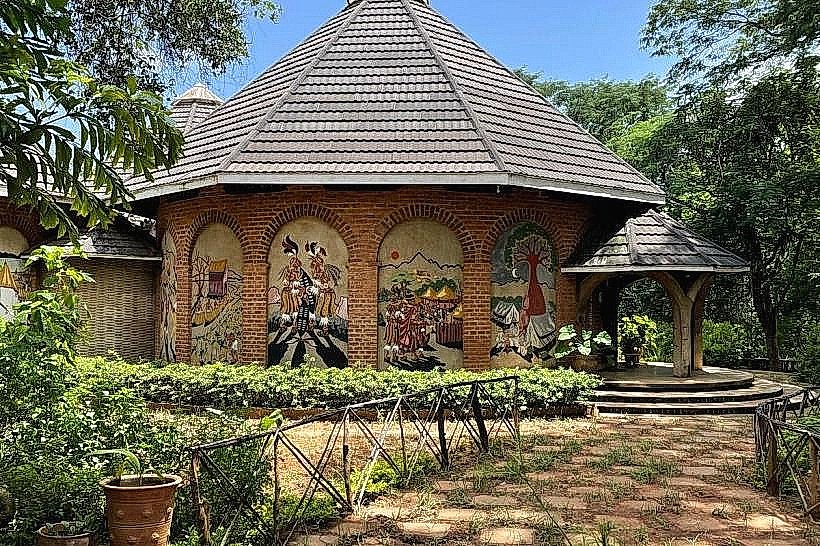
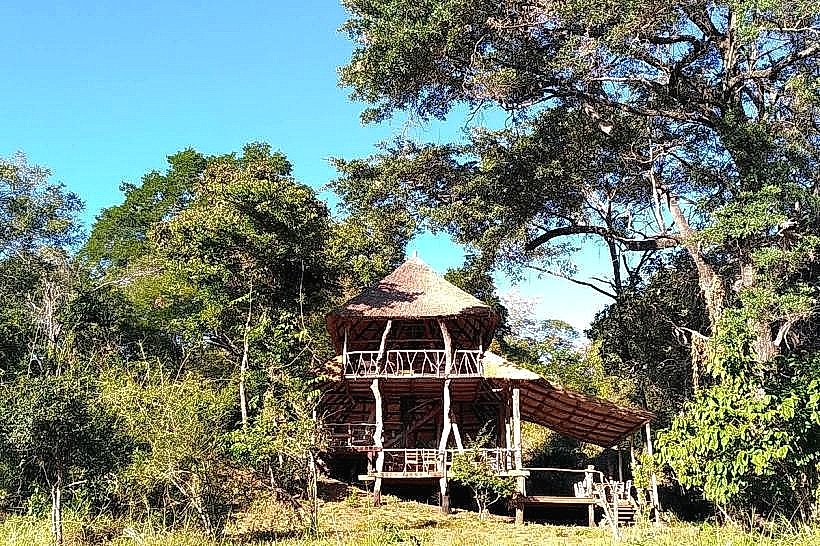
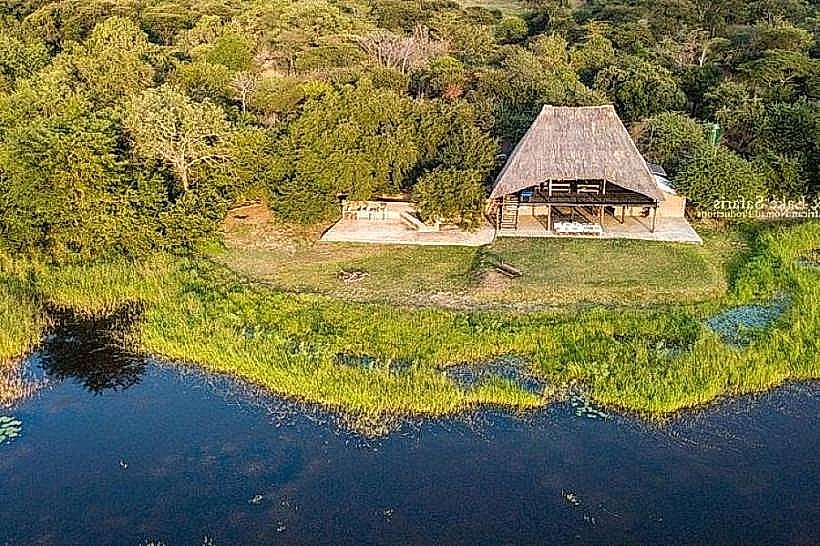
The landscape comprises a diverse ecological mosaic that transitions rapidly from flat, open savanna grasslands and seasonal sandy dambo wetlands to dense miombo and acacia woodlands. The central sector features a expansive permanent wetland body that supports aquatic flora, with the overall structural color palette shifting from earthy straw-yellows in the dry months to uniform deep greens during the rain cycles. The single-story visitor bungalows and central reception infrastructures are integrated directly into the woodland fringe, utilizing rustic facing brickwork, unpainted timber supporting structures, and low, overhanging grass thatch roofs. The reserve boundaries are secured by a 25-kilometer perimeter electric exclusion fence designed to prevent regional human-wildlife encroachment.
Location & Access Logistics
The main entrance gate is located off the main M14 paved highway connecting Lilongwe to Salima, roughly 90 kilometers east of the capital city and 10 kilometers west of the primary Salima commercial junction. Private vehicles access the facility by turning off the M14 highway at the clearly marked Kuti junction onto an unpaved gravel and sand access road that runs for 5 kilometers north directly to the ticketing barrier, where an unpaved sand parking plaza is situated. Public transport commuters can board any inter-city minibus or coach departing from the central Lilongwe terminal destination to Salima, disembark at the M14 Kuti turnoff point, and secure a local motorcycle taxi to traverse the final 5-kilometer unpaved track infrastructure.
Historical & Ecological Origin
The territory originally operated throughout the late twentieth century as a large-scale commercial cattle ranch managed under a bilateral development partnership between the governments of Malawi and Germany to improve regional livestock genetics through selective breeding. Following changes in state policy, the breeding operation was disbanded in 1998, and the property was transferred to the Wildlife Producers and Hunters Association of Malawi before being officially gazetted as an official state wildlife reserve in 2005 under the oversight of the Department of National Parks and Wildlife. The site is currently leased and operated by the Kuti Experience foundation as a non-profit conservation project and community wildlife trust, functioning ecologically as a predator-free refuge for central plateau fauna.
Key Highlights & Activities
The complete absence of dangerous large predators (such as lions, leopards, or hyenas) enables visitors to conduct self-guided bushwalking, trail running, and mountain biking along the extensive network of marked earthen track loops. Guided or self-drive safaris allow for close-range observation of large herbivore populations, including herds of zebra, sable antelope, wildebeest, eland, and a famous rescued resident giraffe. Birdwatching is highly active across the central wetland and miombo corridors, which host over 250 verified avian species including the Verreaux's eagle owl, saddle-billed stork, and the rare pygmy goose.
Infrastructure & Amenities
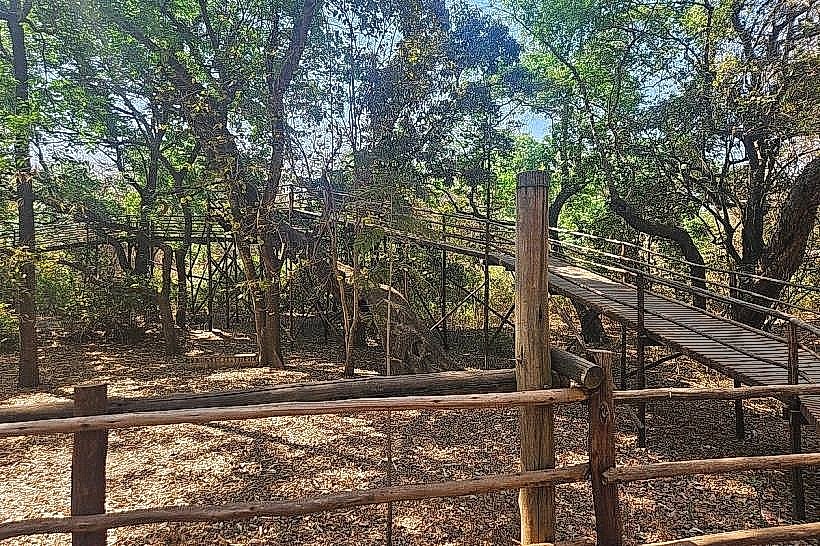
The central reception hub features permanent brick restroom installations and a basic shower block for overnight and day visitors. Abundant natural shade is distributed across the woodland trails and camping clearings under large acacia tree canopies, though the open savanna loops and wetland boardwalks are entirely exposed to solar radiation. Mobile communication networks operate on stable 4G frequencies across the flat topography, while 5G reception remains limited and localized near the main entrance gates. Food and beverage amenities are supplied by an on-site independent restaurant and bar deck that utilizes solar power, rainwater harvesting infrastructure, and local produce to support the reserve's zero-waste operational policy.
Best Time to Visit
The ideal period for animal tracking and landscape photography corresponds with the dry winter season spanning from July to September, when seasonal waterholes dry up, causing the large herbivore herds to concentrate predictably around the central permanent wetland. Morning tracking windows between 06:30 and 09:00 offer optimal ambient temperatures and maximum avian movement before midday heat limits animal activity. The heavy tropical rainy season from December to April increases foliage density significantly and can convert select unpaved internal tracks into deep sand or mud, requiring high-clearance four-wheel-drive vehicles for full interior navigation.
Facts & Legends
The reserve features a unique local recycling initiative where community members collect discarded illegal wire snares removed from the surrounding forests by anti-poaching scouts and transform the metal into structured artisan jewelry pieces at an on-site workshop, directly funding local conservation education. Local field guides frequently highlight the unusual behavioral dynamics of the resident ungulates, which have adapted to the complete structural absence of carnivores by demonstrating significantly reduced flight distances, allowing human observers on foot or bicycle to approach within exceptionally close proximity without scattering the herds.
Nearby Landmarks
M14 Salima-Lilongwe Highway Junction – 5.0km South
Salima Boma Administrative District – 10.0km East
Senga Bay Lakeshore Resorts – 30.0km East
Marelli Islands Protected Group – 34.5km East
Chongoni Rock Art Area Boundary – 46.0km Southwest