Landmark: Lilongwe Wildlife Centre
City: Lilongwe
Country: Malawi
Continent: Africa
Lilongwe Wildlife Centre, Lilongwe, Malawi, Africa
The Lilongwe Wildlife Centre is an urban nature reserve and wildlife rescue facility dedicated to the rehabilitation of injured and orphaned animals. The landmark covers 70 hectares of protected wilderness area located along the Lingadzi River between the Old Town and City Centre sectors of Lilongwe.
Visual Characteristics
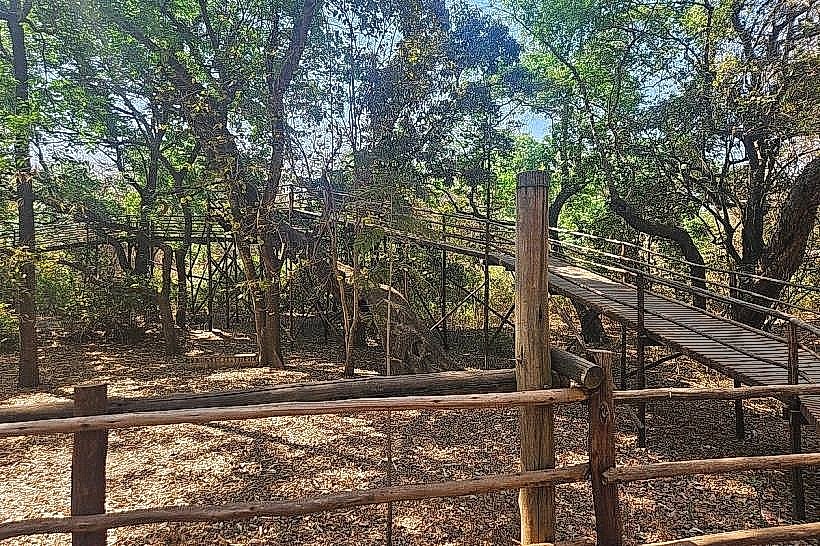
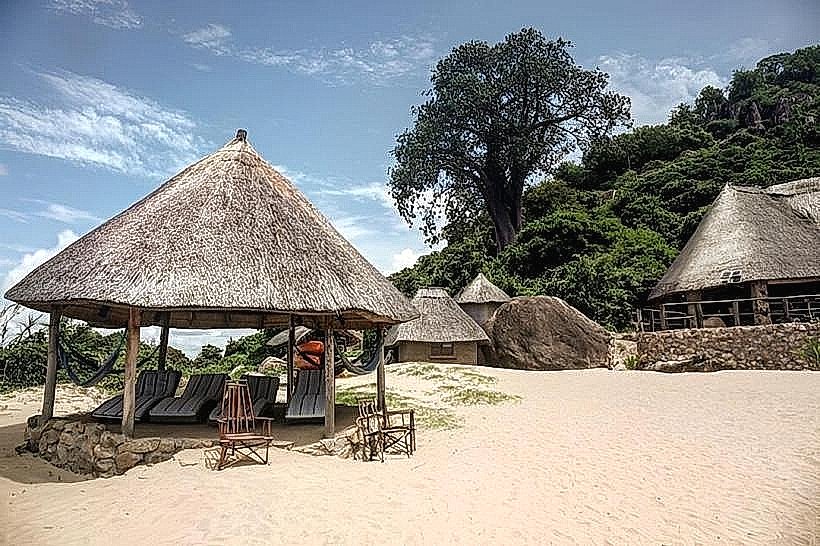
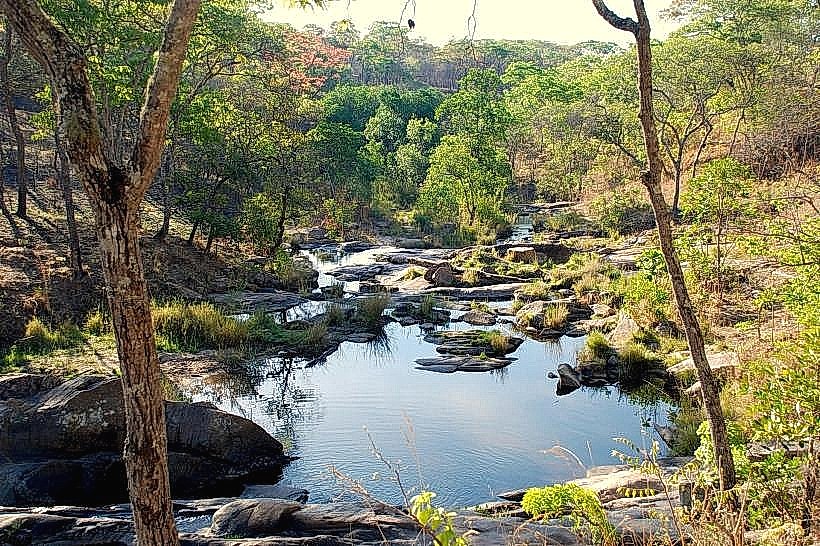
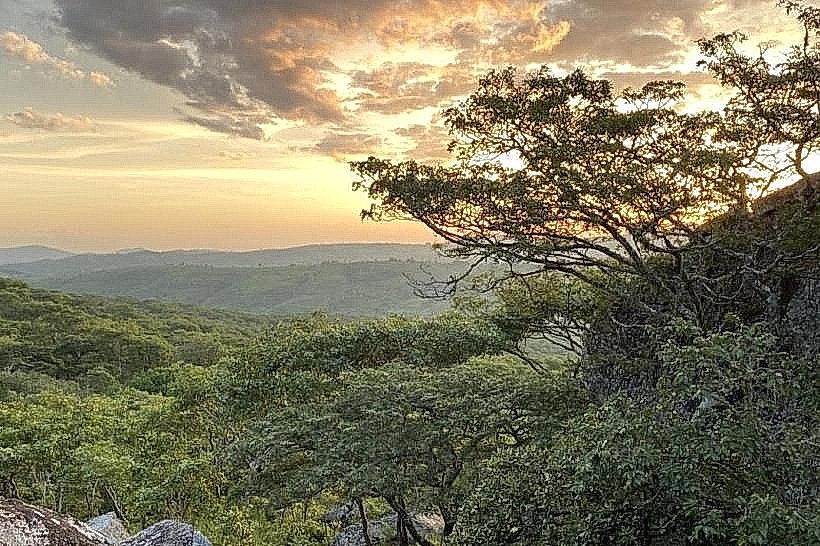
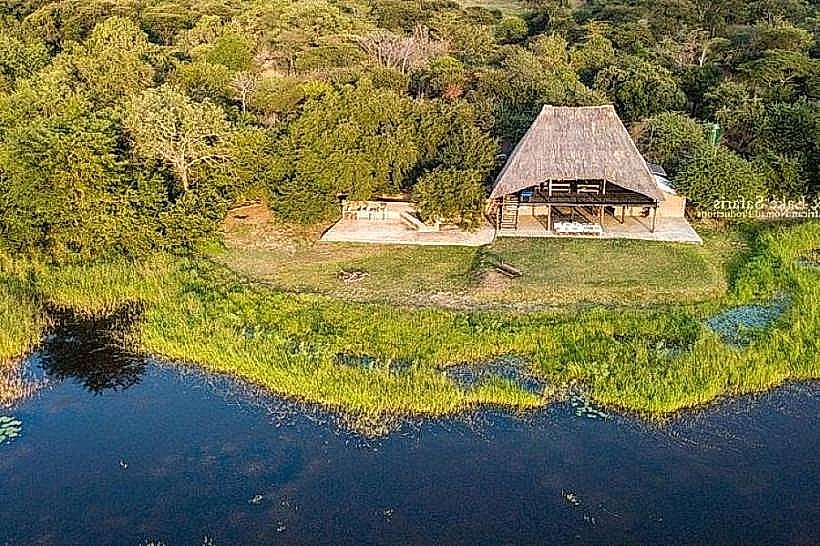
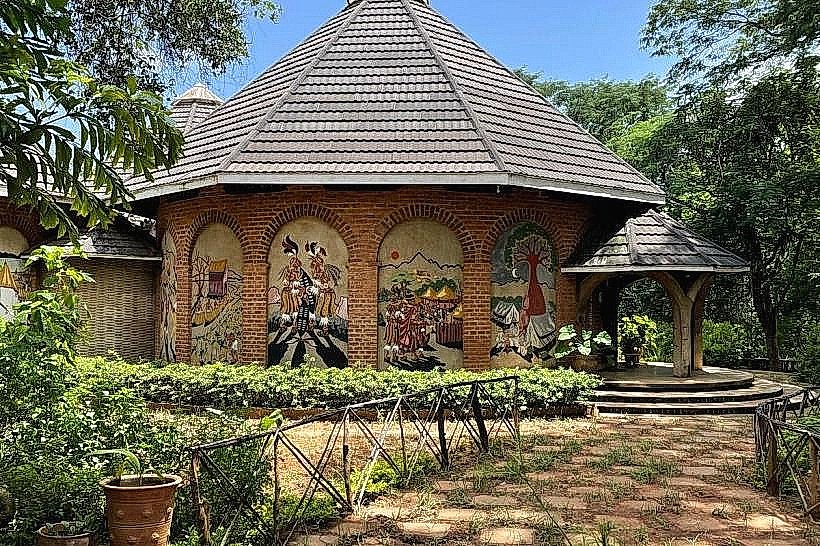
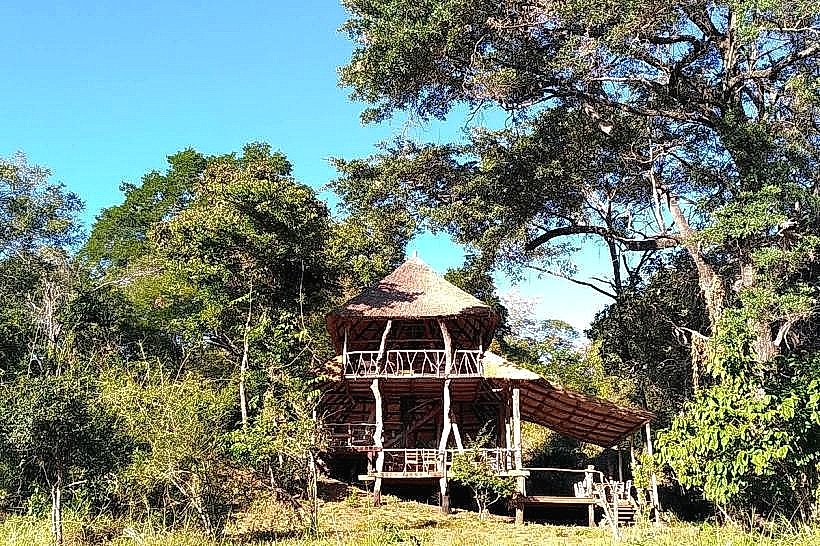
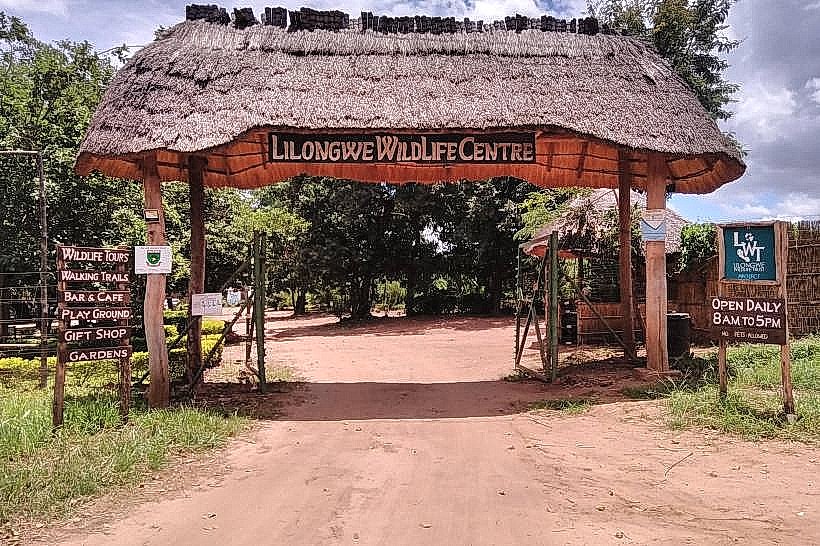
The reserve protects a dense canopy of native Acacia and Combretum woodland, transitioning to riparian vegetation along the banks of the Lingadzi River. The terrain consists of packed earth and clay soil traversed by an interconnected network of footpaths and a wooden elevated boardwalk structure. The visitor infrastructure-including the reception center, education facility, and gift shop-utilizes eco-friendly building materials such as locally sourced stone, timber columns, thatch roofing, and unburnt brick. Wire mesh enclosures and naturalistic wooden fencing are integrated into the forest layout to separate the restricted veterinary rehabilitation zones from the public trail system.
Location & Access Logistics
The facility is located on Kenyatta Road, positioned approximately 1.5 kilometers south of the Capital City administrative area and 2 kilometers north of Old Town Lilongwe. Private vehicles access the site directly via the main entrance on Kenyatta Road, which connects to an on-site unpaved dirt parking lot. There is no direct public minibus service to the main gate; visitors utilizing public transit must take a minibus along the main route connecting Old Town and City Centre, disembark at the Kenyatta Road intersection, and complete a 600-meter walk heading east to the reception facility.
Historical & Ecological Origin
The reserve area was originally designated as the Lilongwe Nature Sanctuary in the mid-twentieth century to preserve a remnant pocket of indigenous central-plateau forest amid urban development. In 2007, the Malawian government partnered with the Lilongwe Wildlife Trust to establish the wildlife rescue and rehabilitation center within the sanctuary boundaries. The facility functions as Malawi's sole accredited wildlife sanctuary, serving an ecological role in wildlife rescue, environmental education, and the combatting of illegal wildlife trafficking.
Key Highlights & Activities
Visitors can access 6 kilometers of color-coded wilderness footpaths categorized into distinct routes: the yellow trail (2 kilometers), the blue trail (3.5 kilometers), and the red trail (4.8 kilometers). The primary permissible activity is self-guided or guide-led birdwatching along the riverbank, where species such as Livingstone's turaco and the giant kingfisher reside. The on-site education pavilion offers interactive displays focused on environmental conservation, and local Malawian art sculptures fabricated entirely from recycled scrap metals are positioned along the lower walking paths.
Infrastructure & Amenities
The visitor hub includes a brick restroom facility situated adjacent to the reception entrance. Natural shade is dense across the property due to the thick forest canopy, though the open parking lot lacks overhead protection. Mobile network reception remains stable with 4G and 5G cellular signals accessible throughout the visitor center and along the majority of the trail loops. Food and beverages are supplied by an on-site independent cafe operating from Monday to Saturday, and a dedicated gift shop sells local crafts near the exit.
Best Time to Visit
The ideal window for wildlife viewing and photography occurs from 08:00 to 10:00 when avian and primate activity levels peak and morning light filters through the tree canopy. The optimal months for trail navigation correspond with the dry season spanning from May to October, when temperatures remain mild and paths are dry. The rainy season between December and April increases forest foliage density but causes the unpaved dirt tracks along the Lingadzi River to become muddy and difficult to traverse.
Facts & Legends
A distinct management policy dictates that the primary animal enclosure zones remain strictly closed to casual public viewing to ensure successful rehabilitation and eventual reintroduction into national parks. A unique local feature involves the collection of recycled wildlife sculptures positioned along the trails, which were commissioned by local artisans to explicitly demonstrate how discarded urban waste can be transformed into structural representations of native fauna.
Nearby Landmarks
Woodlands Lilongwe – 0.4km Northeast
Lilongwe Nature Sanctuary – 0.6km North
Riverside Hotel & Conference Centre – 1.1km West
Kamuzu Mausoleum – 2.1km Northeast
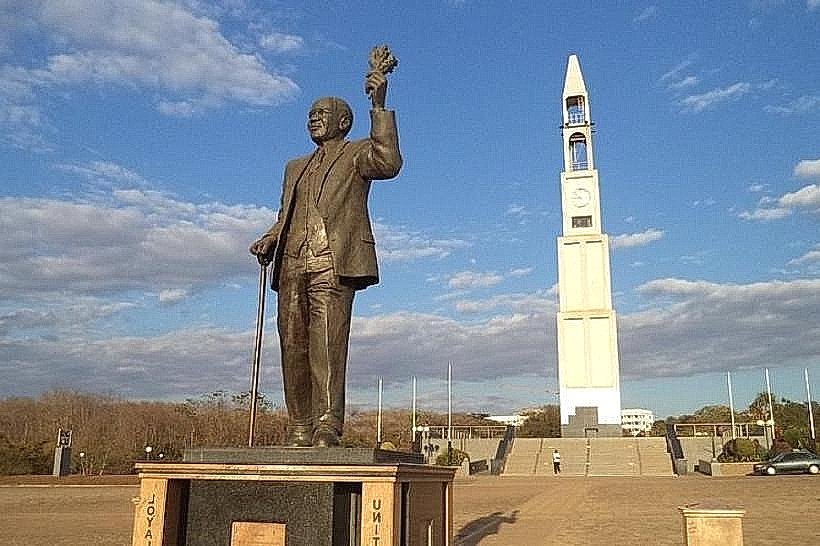
National War Memorial Tower – 2.2km Northeast