Landmark: Kumbali Cultural Village
City: Lilongwe
Country: Malawi
Continent: Africa
Kumbali Cultural Village, Lilongwe, Malawi, Africa
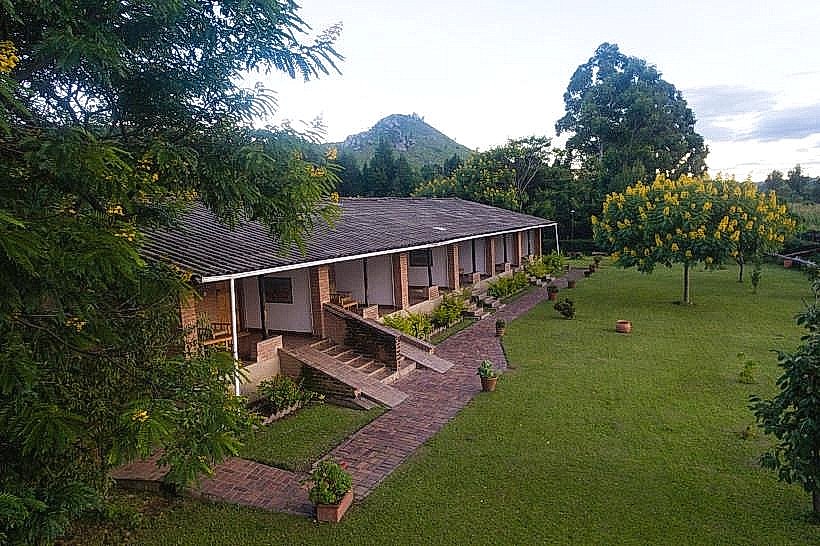
Kumbali Cultural Village is a dedicated cultural preservation center and living history museum designed to showcase the ethnic traditions of Malawi. The site is situated on a private 650-hectare forest reserve and working dairy farm complex located along the eastern rural-urban fringe of Lilongwe.
Visual Characteristics
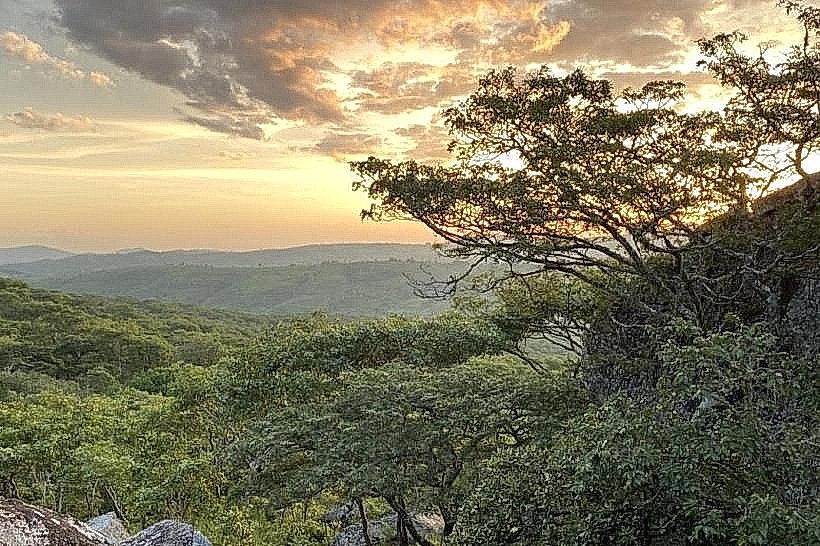
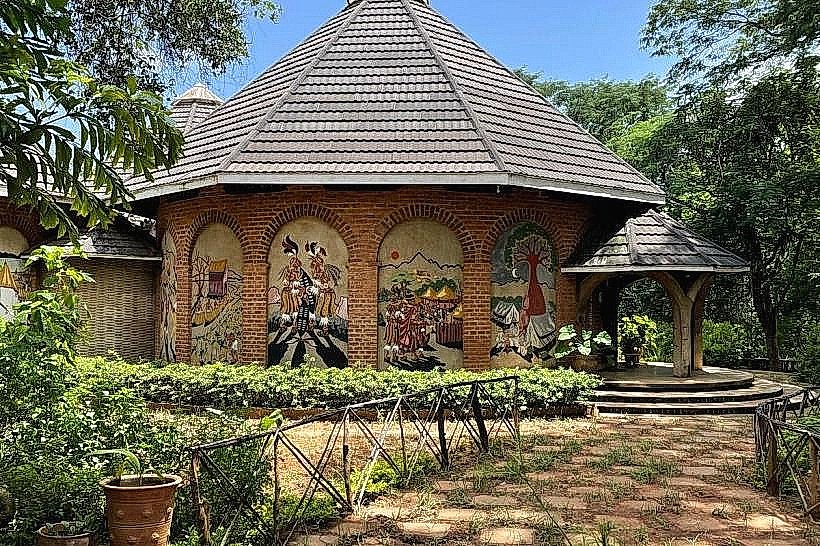
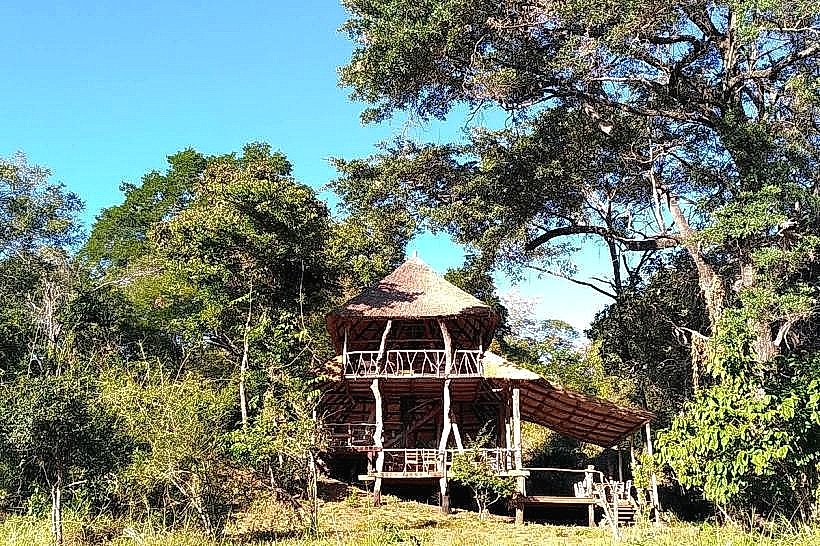
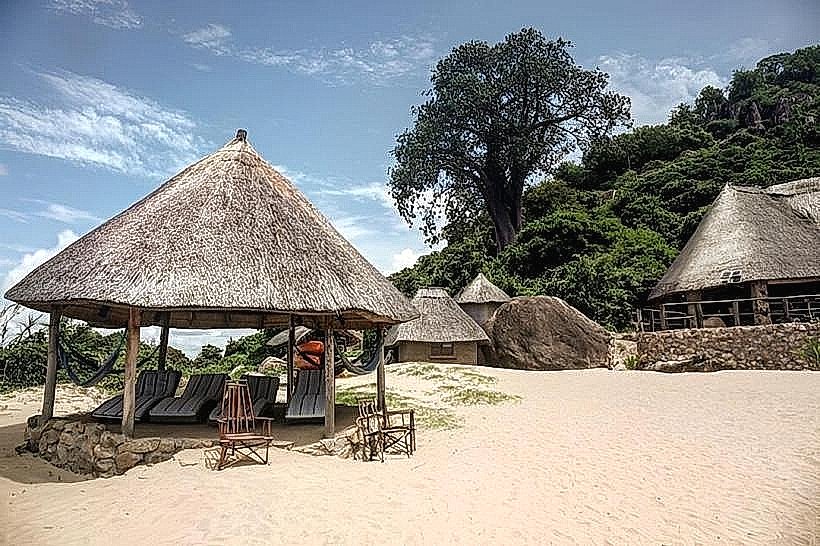
The village layout features a clustered arrangement of 12 traditional huts constructed strictly with natural, locally sourced materials. The structural walls are built from sun-dried mud bricks and poles plastered with red clay earth, supporting cone-shaped roofs thatched with thick wild grass. The central plaza is an open area of swept red clay containing a stone-lined communal fire pit and a raised wooden performance platform. Surrounding vegetation consists of dense, secondary miombo woodland and cultivated banana groves that isolate the clearing visually from the modern city landscape.
Location & Access Logistics
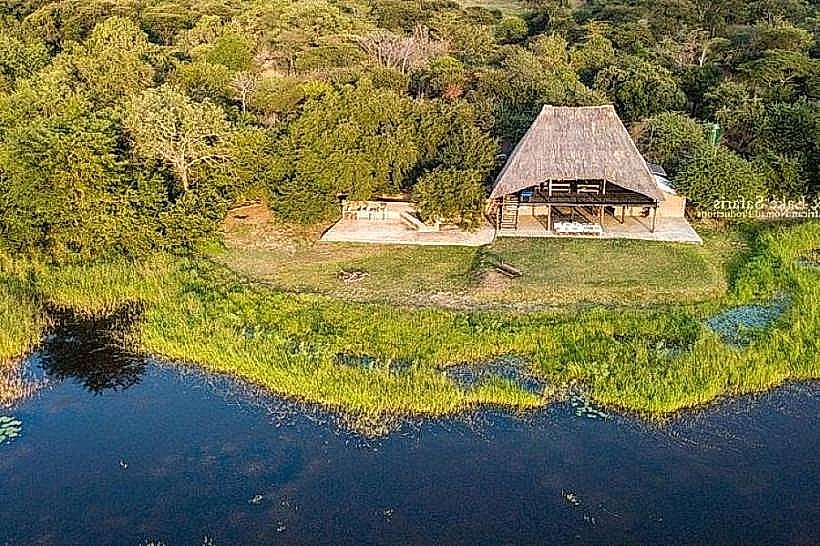
The landmark is located approximately 8 kilometers east of the Lilongwe city center (City Centre area), positioned past the State House estate. Vehicles access the facility by taking the main paved road eastward out of City Centre toward the Capital Hill area, turning onto the unpaved dirt access road leading into the Kumbali Country Lodge property. A large unpaved dirt parking zone is available outside the reception entrance. There is no direct public transport to the village; visitors must hire a private taxi from Old Town or arrange a scheduled shuttle transfer through local tour operators.
Historical & Ecological Origin
The cultural village was developed in the early 2000s by the Pickering family as an extension of the Kumbali estate to preserve and present the vanishing architectural and social traditions of Malawi's diverse ethnic groups, particularly the Chewa, Ngoni, and Yao peoples. The facility functions as a simulated rural village environment integrated within a larger 650-hectare private reserve and permaculture farming operation. It operates as a privately managed cultural repository and sustainable community development initiative.
Key Highlights & Activities
The primary activities center on structured, interactive cultural demonstrations, including live drumming workshops and traditional Malawian dance performances performed by resident artists. Visitors can observe and participate in artisan workshops focusing on traditional pottery fabrication, woodcarving, and fabric weaving. Guided walking tours detail the functional architectural design of the various huts, and the site allows for the sampling of traditional Malawian culinary dishes prepared over open firewood pits.
Infrastructure & Amenities
The facility offers basic, modern eco-restrooms constructed from local materials behind the main cluster of huts. Natural shade is abundant beneath the surrounding forest canopy and deep overhanging thatched eaves, while the main performance circle is open to the sun. Cellular network connectivity is functional with a stable 4G signal available across the clearing, though 5G reception is limited due to the valley topography. Traditional food and non-alcoholic beverages are served during scheduled group excursions, and an on-site craft kiosk sells handmade village products.
Best Time to Visit
The optimal period for photography and cultural tours occurs during the dry winter months from May to August, when daytime temperatures remain comfortable at around 22 degrees Celsius and low humidity levels prevent rain disruptions. Afternoon sessions between 14:00 and 16:30 offer the best natural lighting for capturing the textures of the thatched roofs and earth walls without harsh midday glare. Advanced booking is typically required for full performance displays, which operate independently of season.
Facts & Legends
A unique operational aspect of the village is its dual function as an authentic eco-lodging site, where each of the 12 traditional huts is outfitted internally with basic canvas bedding to allow guests to experience rural Malawian overnight conditions. Local guides emphasize that the orientation and construction techniques of the huts mirror old tribal guidelines, where entrance doorways are deliberately angled away from prevailing dry-season winds to minimize dust infiltration.
Nearby Landmarks
Kumbali Country Lodge – 0.3km West
Nature's Gift Permaculture Centre – 0.5km Southwest
State House (Sanju Palace) – 3.2km West
Malawi Parliament Building – 5.1km West
Kamuzu Mausoleum – 5.4km West