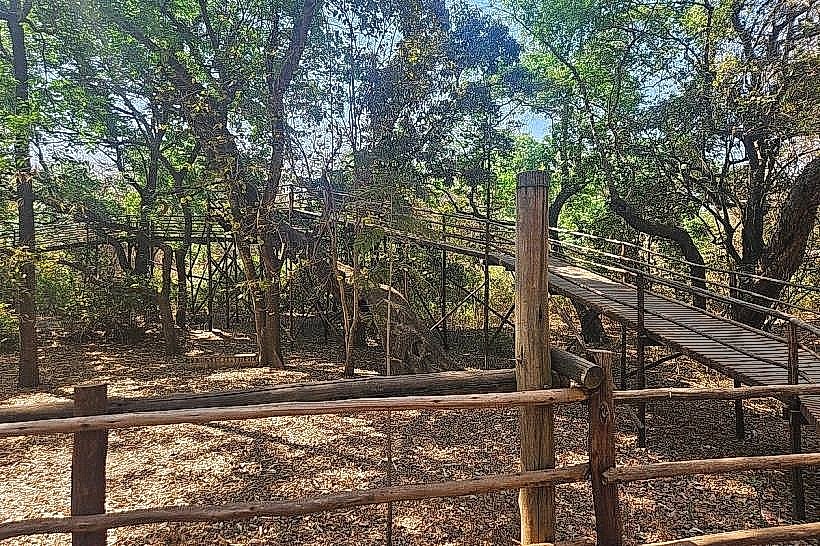
Landmark: Lilongwe Nature Sanctuary
City: Lilongwe
Country: Malawi
Continent: Africa
Lilongwe Nature Sanctuary, Lilongwe, Malawi, Africa
The Lilongwe Nature Sanctuary is a protected wilderness area designed to preserve the indigenous mid-plateau riverine forest within the expanding urban environment. The sanctuary encompasses a significant tract of land situated between the Old Town and Capital Hill sectors of Lilongwe, running along the banks of the Lingadzi River.
Visual Characteristics
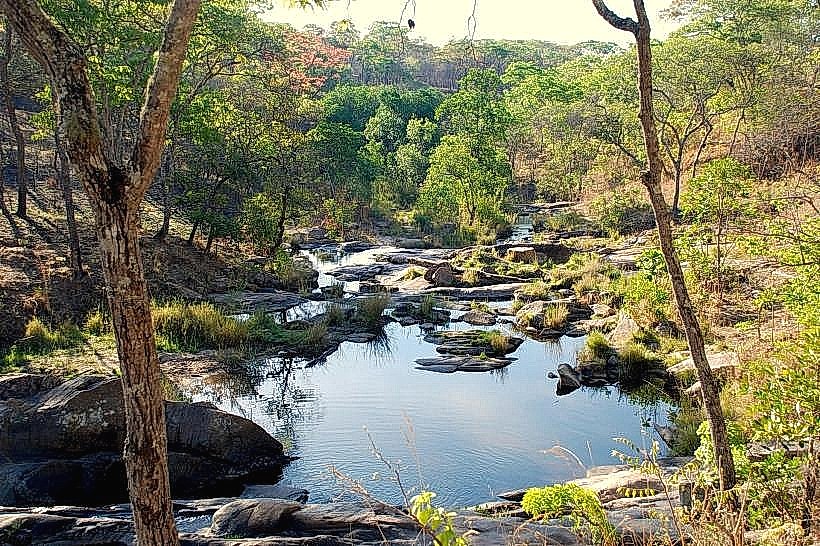
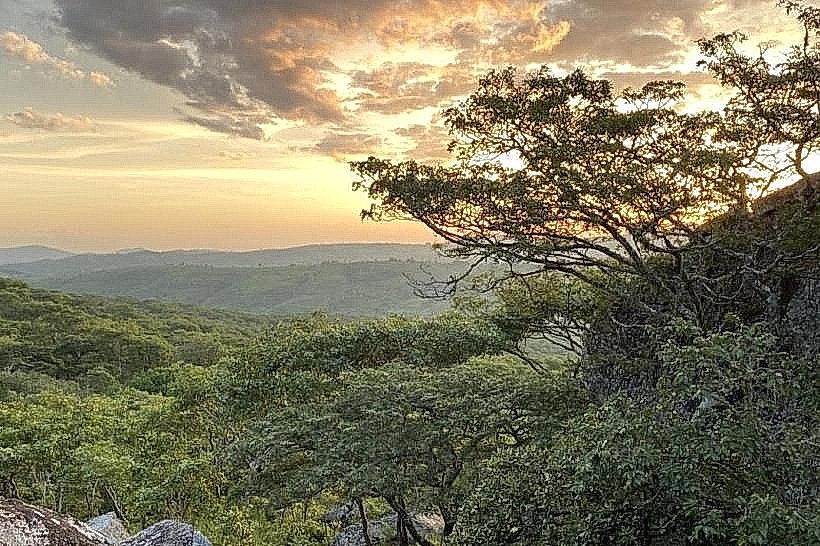
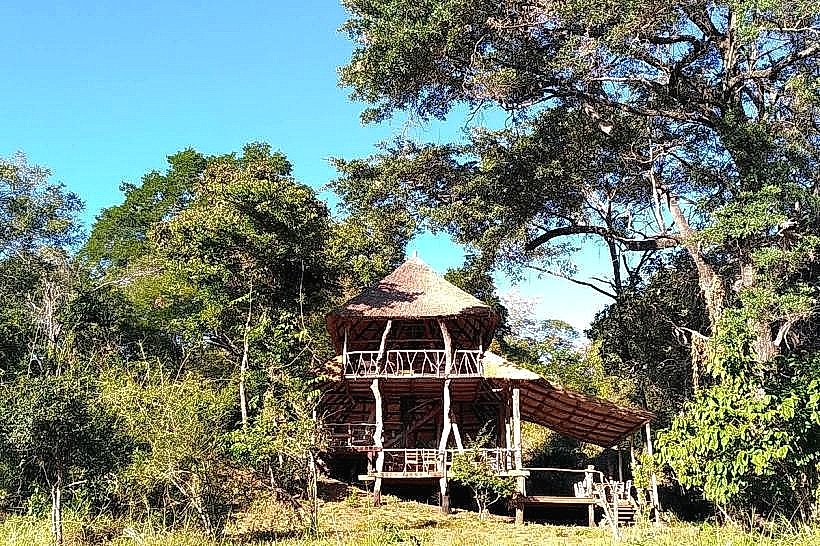
The sanctuary features a dense, multi-layered forest canopy dominated by native tree species such as African mahogany, acacia, and Combretum. The undergrowth consists of thick shrubs and wild vines that line a system of narrow, unpaved dirt footpaths and wooden footbridges. The terrain is relatively flat but slopes downward toward the muddy banks and rocky channels of the Lingadzi River. No major stone or concrete buildings exist within the interior, ensuring the landscape retains an unaltered, wild appearance characterized by earthy brown tones, deep green foliage, and natural leaf-litter ground cover.
Location & Access Logistics
The site is positioned approximately 1.4 kilometers south of the City Centre district and can be accessed via Youth Drive or Kenyatta Road. Private vehicles can reach the sanctuary by turning off Youth Drive onto the access road leading toward the reserve entrance, where a small dirt clearing provides basic parking. Public transport commuters can catch any minibus operating on the main route between Old Town and City Centre, disembarking at the Kenyatta Road or Youth Drive junctions. From either intersection, the walk to the sanctuary boundary measures roughly 500 meters.
Historical & Ecological Origin
The sanctuary was officially gazetted by the Malawian government in the mid-twentieth century to safeguard a pristine pocket of the region's original ecology from encroaching municipal infrastructure. It represents the only remaining undisturbed urban forest of its size in Malawi and holds an ecological classification as a protected riverine woodland ecosystem. The sanctuary serves as a critical biological corridor for indigenous bird species, small mammals, and reptiles migrating through the urban center.
Key Highlights & Activities
Hiking and wilderness walking are the primary activities along the network of unmapped forest trails. The sanctuary is a prominent location for birdwatching, providing habitats for rare species such as the white-backed night heron and various kingfishers. Self-guided nature study and wilderness photography are permitted throughout the public trail loops, provided visitors remain on the established footpaths to protect the surrounding flora.
Infrastructure & Amenities
The sanctuary functions as a low-intervention wilderness reserve and lacks developed public restrooms or service buildings within its interior. Shade is abundant and continuous across the entire property due to the thick, overlapping forest canopy. Cellular phone reception is variable, with 4G and 5G network signals operating strongly near the road perimeters but dropping in strength within the deep river valleys. There are no food or beverage vendors on the property, requiring visitors to bring their own supplies or visit the commercial districts in nearby Old Town.
Best Time to Visit
The most favorable time of day for visiting and wildlife photography is early morning between 06:30 and 08:30, when bird activity is highest and the low angle of the morning sun creates soft lighting through the tree branches. The ideal months to visit are during the dry season from May to October. During the rainy season from November to April, heavy downpours frequently cause the Lingadzi River to swell, making the dirt trails muddy, slippery, and occasionally impassable.
Facts & Legends
Local conservationists note that the sanctuary remains so ecologically intact that wild hyenas and crocodiles tracking the Lingadzi River corridor are occasionally recorded within the boundaries at night. A long-standing local caution advises visitors to maintain a quiet demeanor, as the dense brush is known to harbor small populations of duikers and monkeys that will immediately retreat into the interior if startled by loud noises.
Nearby Landmarks
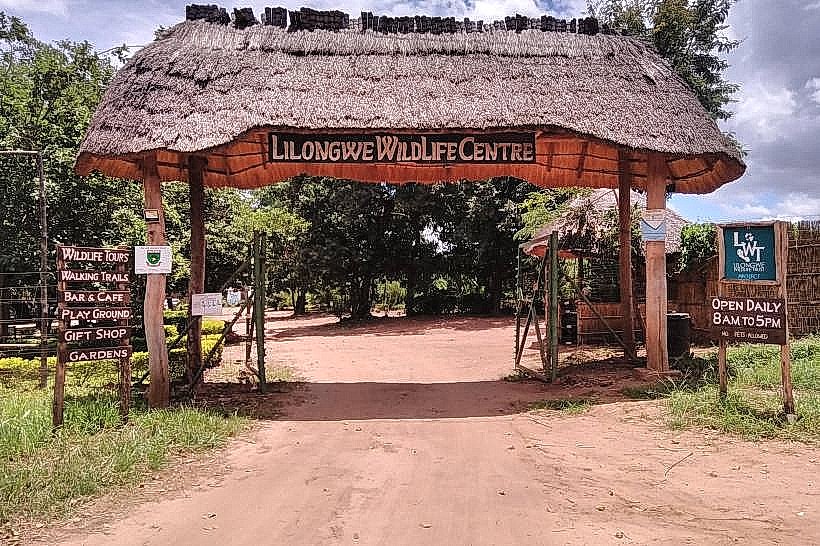
Lilongwe Wildlife Centre – 0.6km South
Woodlands Lilongwe – 0.8km East
Kamuzu Mausoleum – 1.4km Northeast
Riverside Hotel & Conference Centre – 1.5km West
Malawi Parliament Building – 1.6km Northeast