Landmark: Kidron Valley
City: Jerusalem
Country: Israel
Continent: Asia
Kidron Valley, Jerusalem, Israel, Asia
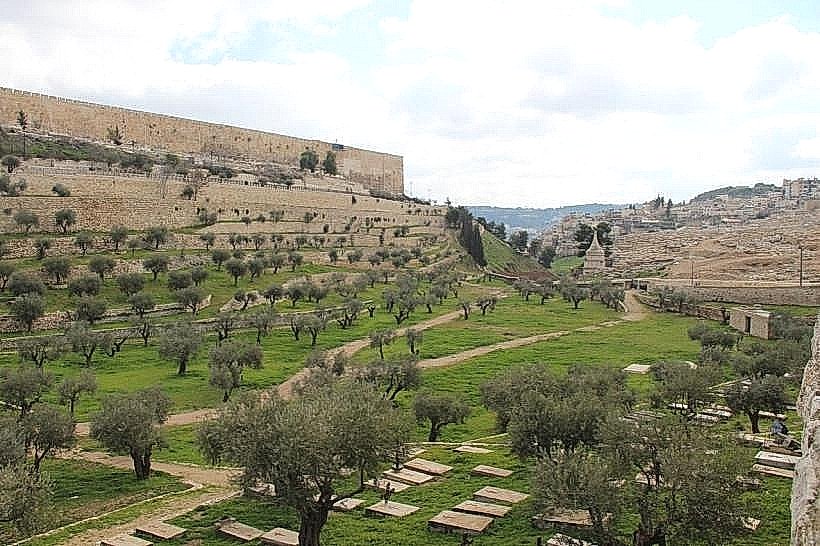
The Kidron Valley is a deep seasonal watercourse and ravine located between the eastern walls of Jerusalem's Old City and the Mount of Olives. It serves as a historic drainage basin for the city and contains some of the most prominent ancient funerary monuments in the region.
Visual Characteristics
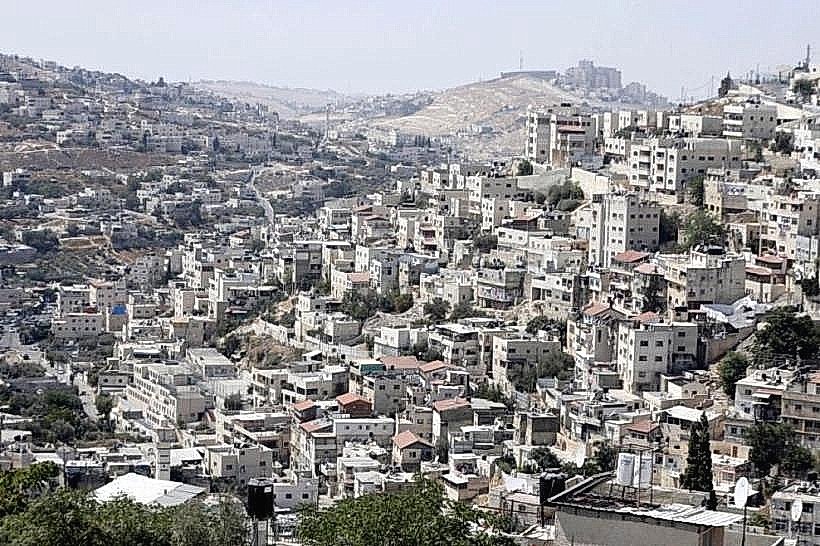
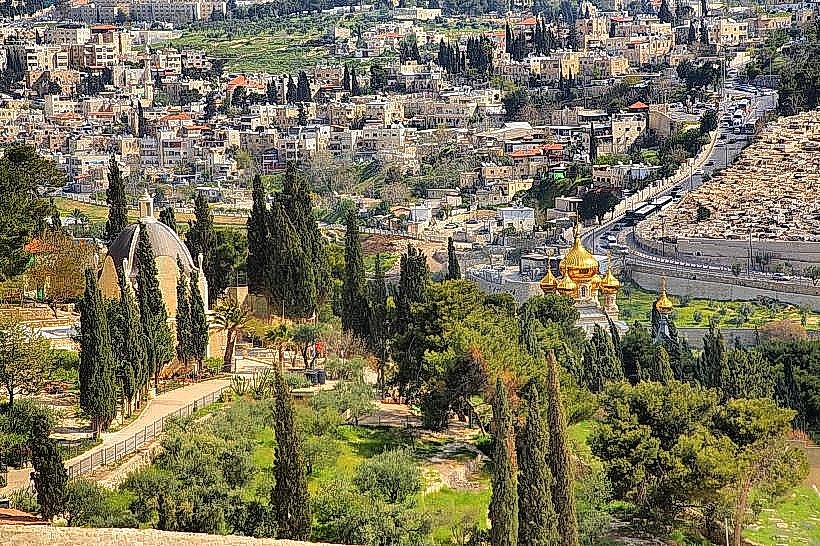
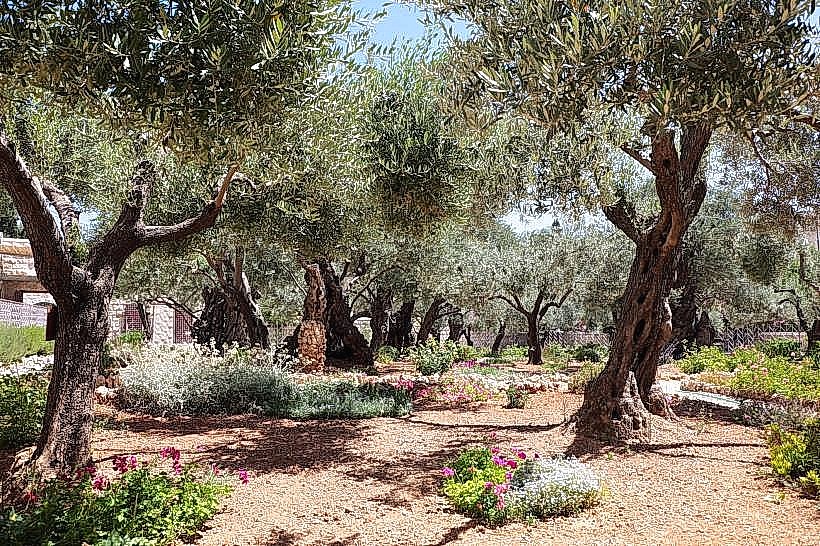
The valley is characterized by steep limestone cliffs and a series of terraced slopes. The landscape is dominated by monolithic rock-cut tombs featuring Hellenistic and Egyptian architectural influences, including conical and pyramidal roofs. Vegetation consists of sparse olive groves, hardy desert scrub, and seasonal grasses that turn green during the winter months.
Location & Access Logistics
The valley is positioned directly east of the Temple Mount and is accessible via the Jericho Road or by descending the stairs from the Dung Gate or Lions' Gate. Public transport options include bus lines 1, 3, or 51 to the City of David stop. Pedestrian access is via a paved but steep walking path that connects the Old City to the Silwan neighborhood.
Historical & Ecological Origin
Geologically, the Kidron is an ephemeral stream (wadi) that carves through the Judean Mountains toward the Dead Sea. Historically, it has functioned as Jerusalem's main eastern boundary and primary necropolis since the Bronze Age. The monumental tombs located in the valley, such as the Pillar of Absalom and the Tomb of Zechariah, date primarily to the Second Temple period (1st century BCE to 1st century CE).
Key Highlights & Activities
Visitors can walk the length of the valley to inspect the monumental stone carvings from the exterior. Hiking the trail from the Gihon Spring toward the southern end of the valley allows for viewing the ancient cave systems and rock-cut dwellings of Silwan. Guided tours often combine the valley floor with a visit to the adjacent City of David archaeological site.
Infrastructure & Amenities
The valley floor has limited infrastructure, consisting of a paved walking path and informative stone plaques. There are no public restrooms, food vendors, or indoor facilities within the valley itself; these are located at the nearby City of David visitor center or the Lions' Gate area. 5G cellular signal remains stable throughout the ravine.
Best Time to Visit
The best time for photography is the early morning, as the rising sun illuminates the eastern-facing facades of the monumental tombs. Late afternoon visits are cooler but the valley floor falls into deep shadow early. The months of February and March offer the most greenery and manageable temperatures for the steep climb back to the city gates.
Facts & Legends
The Kidron Valley is identified in religious tradition as the "Valley of Jehoshaphat," the purported site of the Final Judgment. A local historical oddity is the "Pillar of Absalom," which features a large hole in the stone caused by centuries of local residents throwing stones at the monument to express their disdain for the biblical Absalom’s rebellion against his father.
Nearby Landmarks
City of David – 0.3km West
Pillar of Absalom – 0.05km East
Gihon Spring – 0.2km West
Temple Mount (Southeast Corner) – 0.2km Northwest
Mount of Olives Jewish Cemetery – 0.1km East