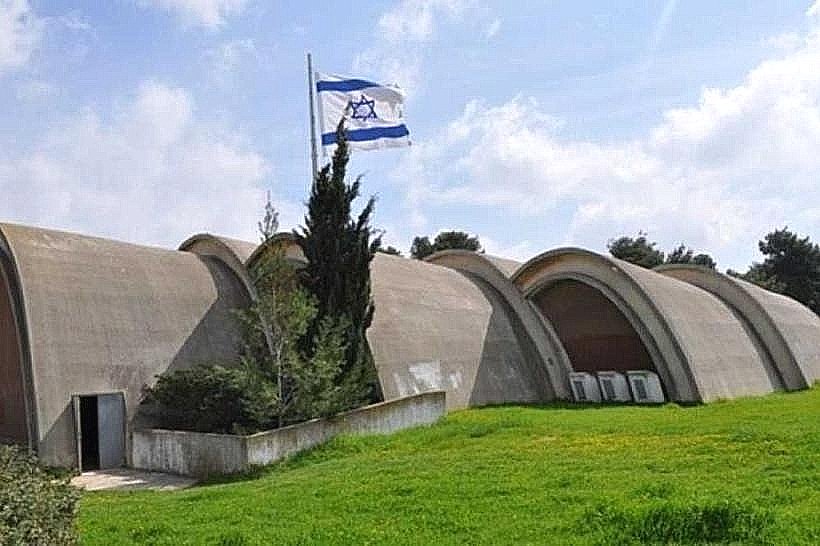
Landmark: Ammunition Hill
City: Jerusalem
Country: Israel
Continent: Asia
Ammunition Hill, Jerusalem, Israel, Asia
Ammunition Hill is a national memorial and heritage site located on a strategic limestone ridge in northern Jerusalem. It preserves the site of one of the most significant battles of the 1967 Six-Day War, fought between the Israeli paratroopers and the Jordanian Arab Legion.
Visual Characteristics
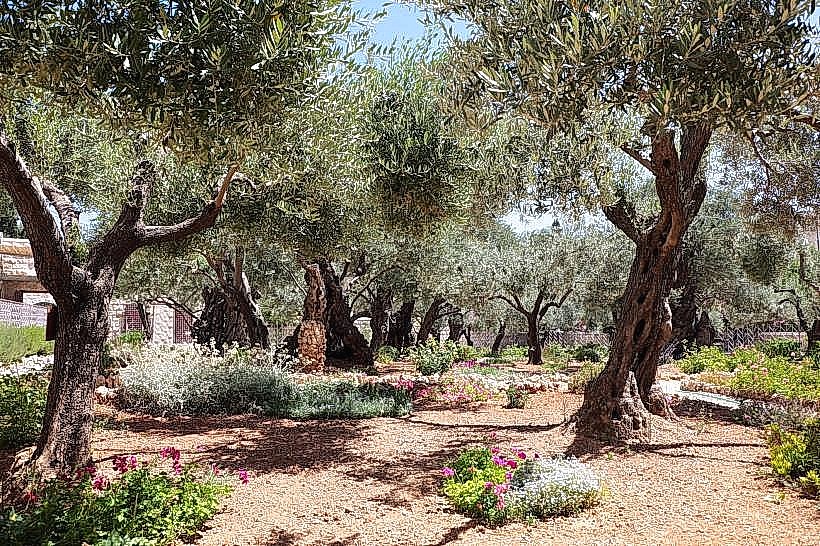
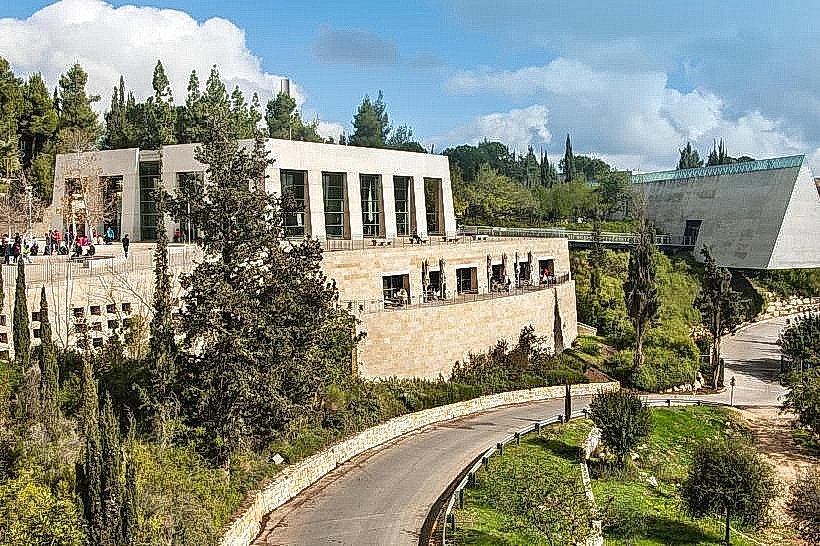
The site is defined by an extensive network of preserved trenches, stone bunkers, and reinforced concrete fortifications. The original military topography remains intact, featuring narrow communication lanes and underground command posts. A central museum building, constructed from Jerusalem stone, is integrated into the hillside, while the surrounding grounds are landscaped with olive trees and commemorative monuments.
Location & Access Logistics
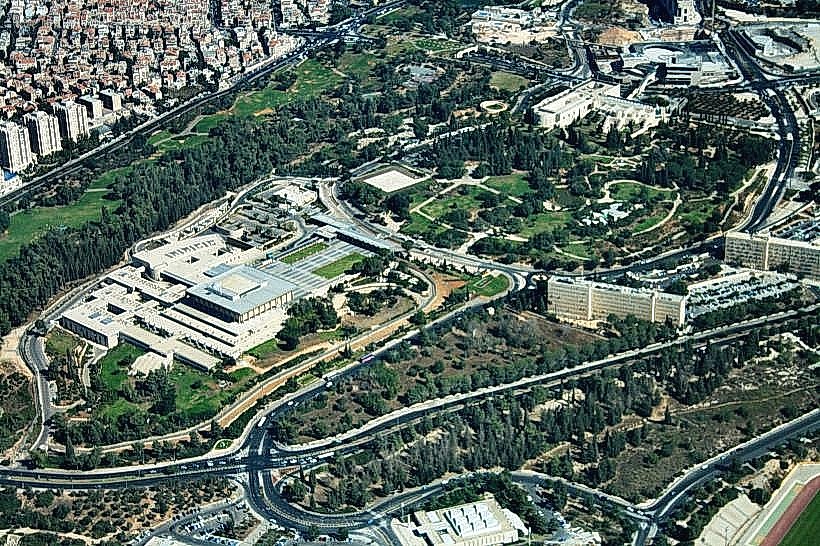
The hill is situated on Shragai Street, positioned between the Ramat Eshkol and Givat HaMivtar neighborhoods. It is highly accessible via the Jerusalem Light Rail (Ammunition Hill station) and numerous bus lines including the 68, 77, and 143. A large paved parking lot is available on-site for private vehicles and tour buses. The site is approximately 3 kilometers north of the Old City.
Historical & Ecological Origin
Originally built by the British during the Mandate period to store ammunition for the nearby police academy, the hill became a fortified Jordanian military post between 1948 and 1967. The battle for the hill took place on June 6, 1967, resulting in high casualties on both sides. Geologically, the ridge is composed of Turonian limestone and serves as a natural vantage point overlooking the road to Mount Scopus.
Key Highlights & Activities
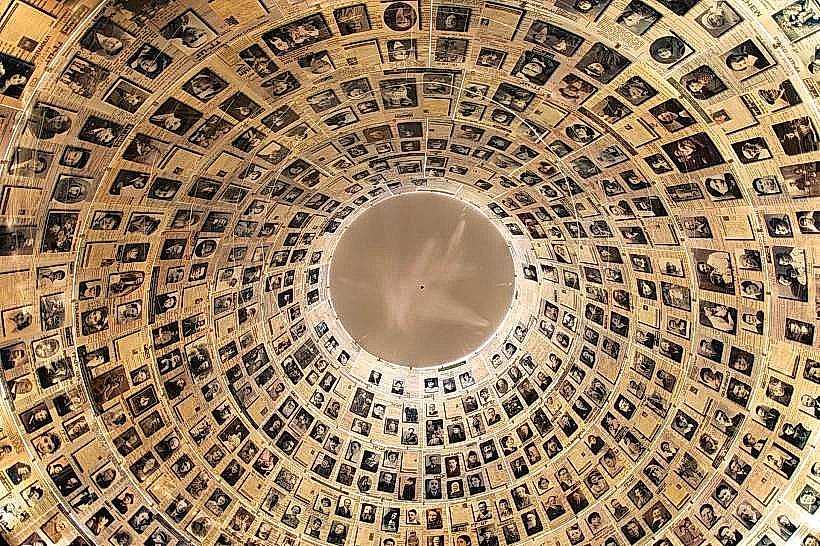
Visitors can walk through the original battle trenches and enter the fortified bunkers to view historical reconstructions. The on-site museum features a high-definition 3D model of the battle, personal artifacts of the soldiers, and a commemorative hall listing the names of the 182 paratroopers who died in the campaign for Jerusalem. The main plaza often hosts official military induction ceremonies.
Infrastructure & Amenities
The site includes a modern visitor center with an auditorium, a cafeteria, and a specialized gift shop. Public restrooms and shaded seating areas are distributed throughout the park. The museum and primary pathways are wheelchair accessible, though some sections of the narrow historical trenches may be difficult to navigate for those with limited mobility. 5G cellular coverage is universal across the site.
Best Time to Visit
The site is best visited during the morning hours (09:00–11:00) to avoid midday heat while exploring the outdoor fortifications. For photography, the late afternoon light provides dramatic shadows within the trenches and highlights the texture of the stone bunkers. The memorial is open Sunday through Thursday, with limited hours on Fridays; it is closed on Saturdays and major Jewish holidays.
Facts & Legends
A unique feature of the site is the "Lone Pine," a tree that survived the intense shelling during the 1967 battle and has since become a symbol of resilience. Local history emphasizes the ferocity of the close-quarters combat that occurred within the trenches, which led to the awarding of numerous Citations of Merit to the soldiers involved.
Nearby Landmarks
Ramat Eshkol – 0.4km West
Givat HaMivtar – 0.3km North
Hebrew University (Mount Scopus) – 1.4km East
Sheikh Jarrah – 0.8km South
Sanhedria Tombs – 1.2km West