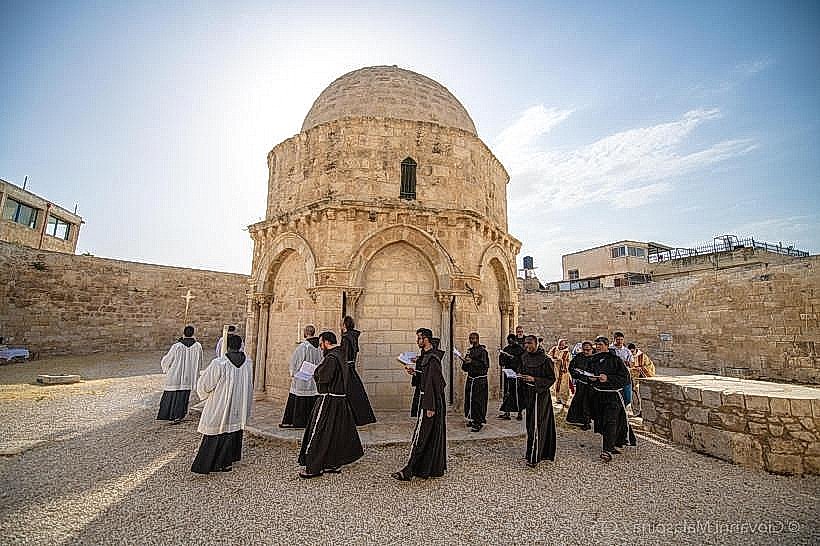
Landmark: Chapel of the Ascension
City: Jerusalem
Country: Israel
Continent: Asia
Chapel of the Ascension, Jerusalem, Israel, Asia
The Chapel of the Ascension is a small, octagonal stone rotunda located on the highest peak of the Mount of Olives. It marks the site traditionally identified as the location where Jesus ascended into heaven forty days after his resurrection.
Visual Characteristics
The chapel is a modest structure built from local cream-colored limestone, featuring a conical dome and an exterior decorated with blind arches and Romanesque columns. The interior is sparse, centered on a section of bedrock enclosed in a stone frame that is said to contain a footprint. The building is situated within a circular walled courtyard that contains remnants of Byzantine and Crusader-era masonry.
Location & Access Logistics
The site is located on Mount of Olives Road, approximately 1.5 kilometers east of the Old City's Lions' Gate. It is accessible via bus lines 255 or 275 from the East Jerusalem central bus station. Pedestrian access involves a steep uphill climb from the Kidron Valley. There is no formal parking lot, though limited street parking exists in the surrounding residential area of At-Tur.
Historical & Ecological Origin
The original open-roofed church was built in the late 4th century but was destroyed in 614 CE. Crusaders rebuilt the current octagonal chapel in the 12th century. Following the Siege of Jerusalem in 1187, the site was converted into a mosque, which included the addition of the stone dome and a prayer niche. The site sits on a ridge of Senonian chalk and Turonian limestone overlooking the Judean Desert.
Key Highlights & Activities
Visitors can observe the "Ascension Rock" inside the chapel and explore the surrounding courtyard. The site is an active mosque but permits Christian pilgrimage and prayer. An entry fee is typically collected by a local caretaker at the gate. The courtyard provides a vantage point for viewing the adjacent minaret and the eastern slopes of the ridge.
Infrastructure & Amenities
The site has minimal infrastructure, consisting primarily of the historical structures and a small ticket kiosk. There are no public restrooms or food services within the courtyard; these are available in the adjacent At-Tur neighborhood. Cellular coverage (5G) is consistent. Shade is limited to the interior of the chapel and the shadow cast by the courtyard walls.
Best Time to Visit
Morning visits between 08:00 and 10:00 are recommended to avoid midday heat and large tour groups. The site is best photographed in the early morning light when the sun illuminates the western-facing arches. Operational hours may fluctuate during religious holidays or the month of Ramadan.
Facts & Legends
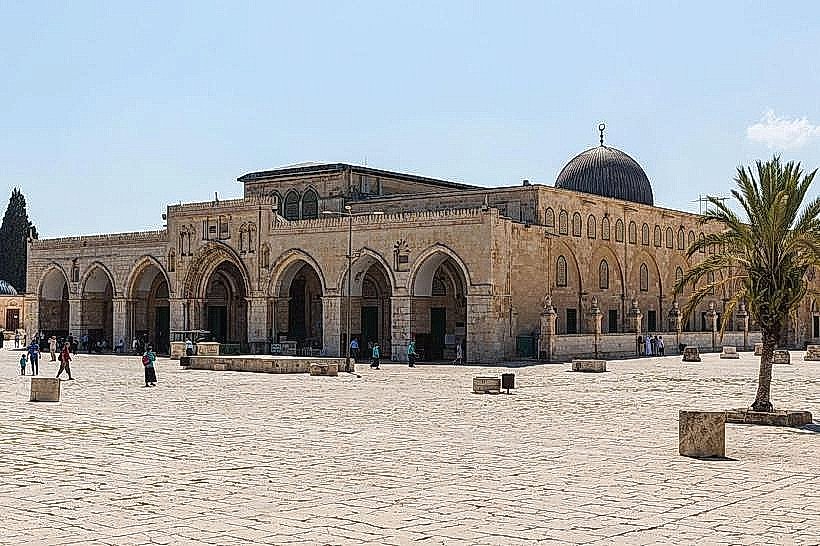
The chapel is unique as a holy site shared by Christians and Muslims; it functions as a mosque, yet Christian denominations are permitted to hold annual services there on the Feast of the Ascension. A local historical oddity is the "missing footprint," which tradition claims was moved to the Al-Aqsa Mosque during the medieval period.
Nearby Landmarks
Church of the Pater Noster – 0.1km South
Seven Arches Hotel (Lookout) – 0.3km South
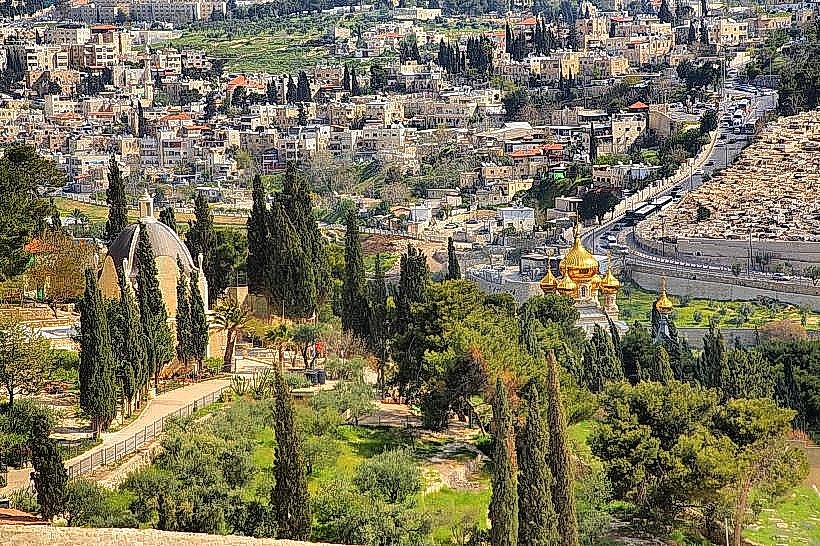
Dominus Flevit Church – 0.5km Southwest
Mount of Olives Jewish Cemetery – 0.4km South
Church of Mary Magdalene – 0.7km Southwest