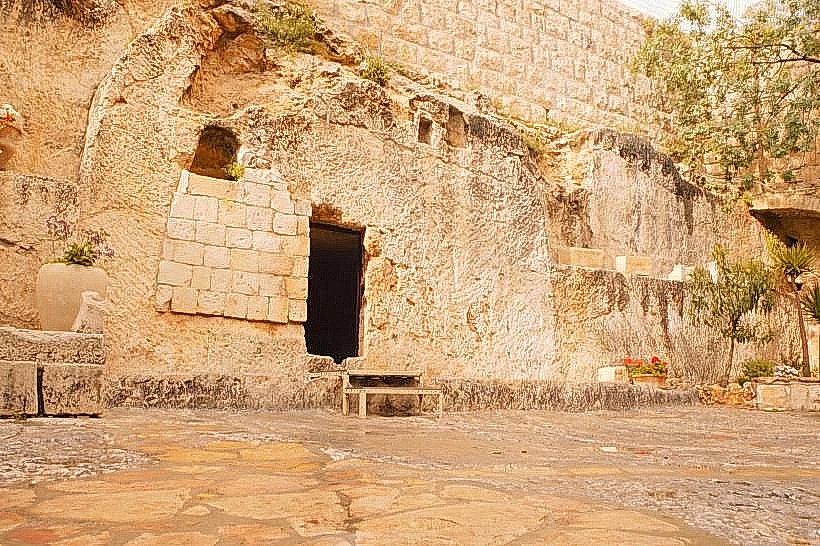
Landmark: Garden Tomb
City: Jerusalem
Country: Israel
Continent: Asia
Garden Tomb, Jerusalem, Israel, Asia
The Garden Tomb Jerusalem is an ancient rock-cut sepulcher and landscaped garden located outside the walls of the Old City. It is maintained as a site of Christian worship and reflection, identified by some as the site of the burial and resurrection of Jesus.
Visual Characteristics
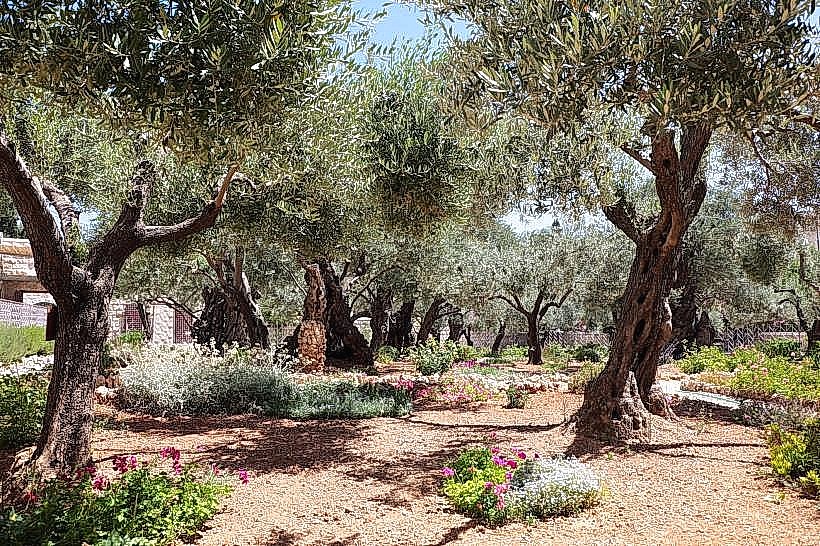
The site features a multi-chambered tomb hewn into a limestone cliff face, characterized by a low entrance and a groove in the bedrock designed for a rolling stone. The surrounding garden is densely planted with Mediterranean flora, including olive trees and bougainvillea, and features stone pathways and wooden benches. A prominent rock formation nearby, often called "Skull Hill," displays natural erosional hollows resembling a human cranium.
Location & Access Logistics
The garden is situated on Conrad Schick Street, approximately 200 meters north of Damascus Gate. It is accessible by foot from the Old City or via the Central Bus Station on Sultan Suleiman Street, which serves numerous local bus lines. The nearest Light Rail stop is Damascus Gate on the L1 Red Line. Street parking is extremely limited; the closest commercial lot is the Golden Walls Hotel parking area.
Historical & Ecological Origin
The tomb was rediscovered in 1867 and gained prominence in 1883 when British General Charles Gordon promoted it as the true site of Golgotha. Archaeological analysis suggests the tomb complex originally dates to the Iron Age (8th–7th centuries BCE), with subsequent modifications during the Byzantine period. The site is currently owned and operated by a non-denominational charitable trust based in the United Kingdom.
Key Highlights & Activities
The primary activity is a self-guided or communal walk through the garden to view the empty tomb. The site includes a designated area for quiet reflection and a large outdoor meeting space for group services. A small gift shop provides literature and historical resources. Photography is permitted throughout the grounds, provided it does not disrupt ongoing services.
Infrastructure & Amenities
The facility includes modern public restrooms and a drinking water station. The terrain is largely accessible, featuring ramps and paved surfaces to accommodate wheelchairs. There is reliable 5G cellular coverage throughout the garden. Shade is abundant due to mature tree cover and covered pavilions. No food vendors are permitted inside the garden, though numerous options exist in the immediate Damascus Gate area.
Best Time to Visit
The site is best visited during early morning hours (09:00–10:30) to avoid the high volume of group tours. The spring months (March–May) provide optimal floral conditions and moderate temperatures. The garden is closed on Sundays and specific Christian holidays; check current operational hours for seasonal variations. Late afternoon light is ideal for capturing the textures of the limestone cliff.
Facts & Legends
A distinctive feature is the presence of a massive ancient cistern, one of the largest discovered in Jerusalem, which indicates the site was once part of a significant agricultural vineyard or garden. A local historical oddity is the "rolling stone" track; while the original stone is missing, the presence of the channel remains a key architectural detail used to support the site’s identification with the biblical narrative.
Nearby Landmarks
Damascus Gate – 0.2km South
Rockefeller Archaeological Museum – 0.5km Southeast
St. George's Cathedral – 0.3km North
Zedekiah's Cave – 0.4km South
Via Dolorosa – 0.7km Southeast