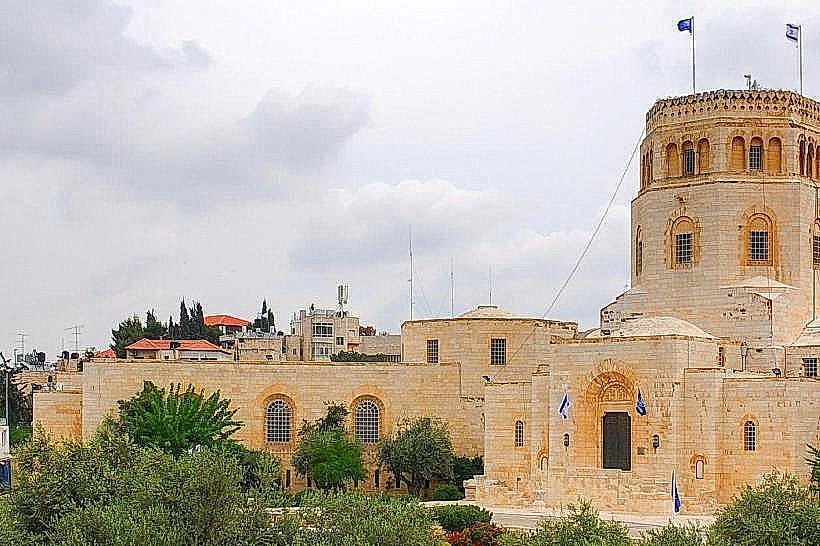
Landmark: Rockefeller Archaeological Museum
City: Jerusalem
Country: Israel
Continent: Asia
Rockefeller Archaeological Museum, Jerusalem, Israel, Asia
The Rockefeller Archaeological Museum is a historic research institution and museum situated in East Jerusalem. It houses a vast collection of artifacts unearthed during the British Mandate period, documenting the archaeological history of the region from prehistory to the Ottoman era.
Visual Characteristics
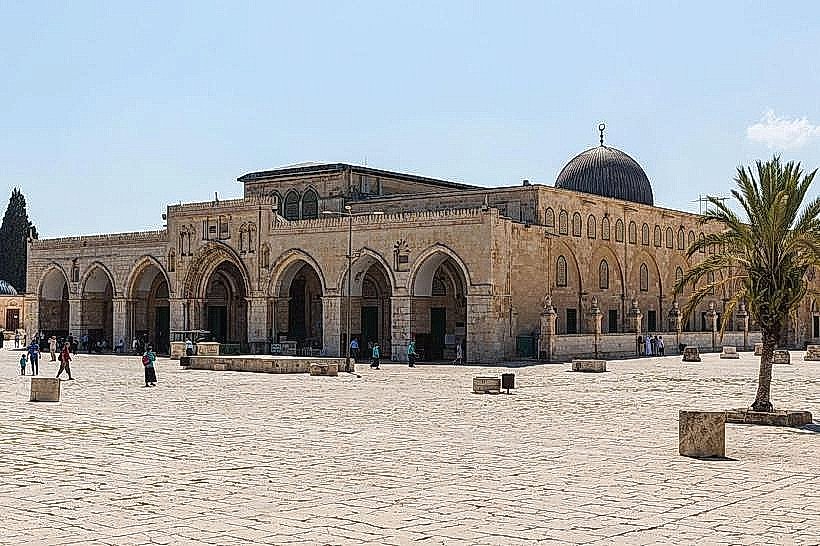
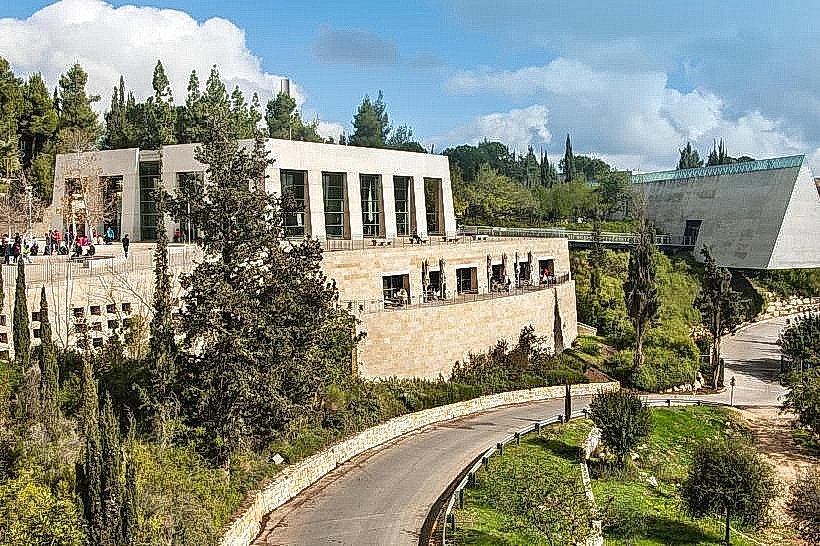
The museum is a massive, white limestone complex designed in a blend of Byzantine, Romanesque, and Islamic architectural styles. It features a central courtyard with a reflecting pool, arched cloisters, and a distinctive hexagonal tower. The interior is characterized by high-vaulted ceilings, tall windows, and intricate stone carvings.
Location & Access Logistics
The museum is located at 27 Sultan Suleiman Street, positioned directly across from the northeast corner of the Old City walls. It is accessible via the L1 Red Line light rail (Damascus Gate stop) or local bus lines stopping along Sultan Suleiman Street. On-site parking is not available; visitors typically utilize the paid lots near Herod's Gate or the Old City.
Historical & Ecological Origin
Constructed between 1930 and 1938, the museum was funded by a donation from John D. Rockefeller Jr. and designed by British architect Austen Harrison. It was originally established as the Palestine Archaeological Museum to serve as the headquarters for the Department of Antiquities of the British Mandate. The building sits on a site traditionally known as Kerem el-Sheik, situated on a limestone ridge.
Key Highlights & Activities
Visitors can view the 8th-century wooden panels from the Al-Aqsa Mosque and the ornate lintels from the Church of the Holy Sepulchre. The museum maintains its original 1930s-style wooden display cabinets and labeling. The central courtyard is open for quiet reflection, and the library serves as a specialized archive for archaeological research.
Infrastructure & Amenities
The museum provides public restrooms and a specialized reference library. Cellular signal (5G/4G) is reliable throughout the facility. There is no cafeteria on-site, but food vendors are located within a 5-minute walk toward Herod's Gate. The building has partial accessibility for individuals with limited mobility via specific ramps.
Best Time to Visit
The museum is best visited during weekday mornings (Sunday–Thursday) when research activity is highest and crowds are minimal. Photography is optimal in the central courtyard during the midday hours when the sun is directly overhead, minimizing shadows in the reflecting pool. Note that the museum has specific, limited operating hours compared to the Israel Museum.
Facts & Legends
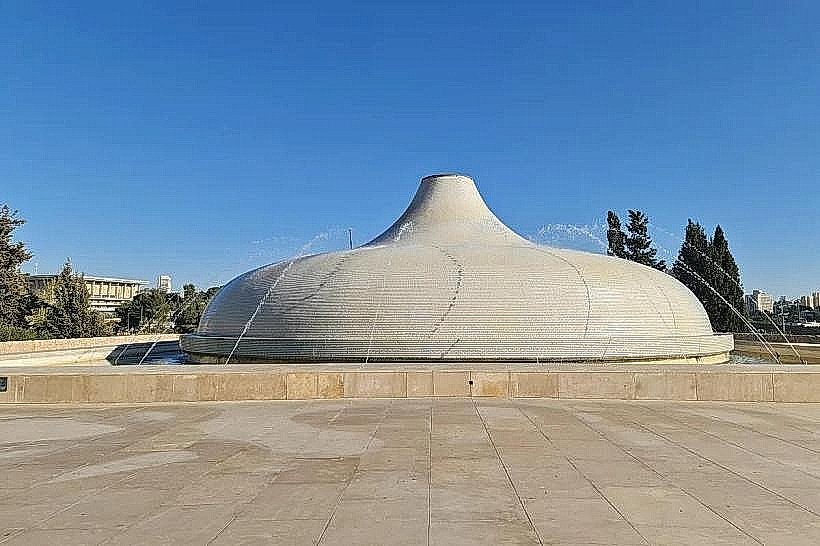
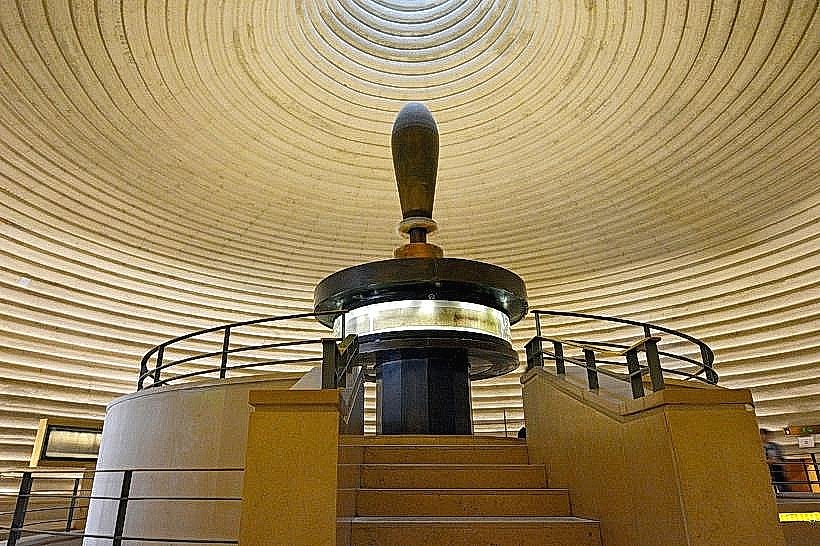
The museum was the original home of the Dead Sea Scrolls after their discovery in the 1940s before they were moved to the Shrine of the Book. A unique architectural detail is the series of ten stone bas-reliefs in the courtyard, sculpted by Eric Gill, depicting the different civilizations that have inhabited the region throughout history.
Nearby Landmarks
Herod's Gate – 0.3km West
The Garden Tomb – 0.5km Northwest
Lions' Gate – 0.4km South
Old City Walls – 0.1km South
Western Wall – 0.9km Southwest