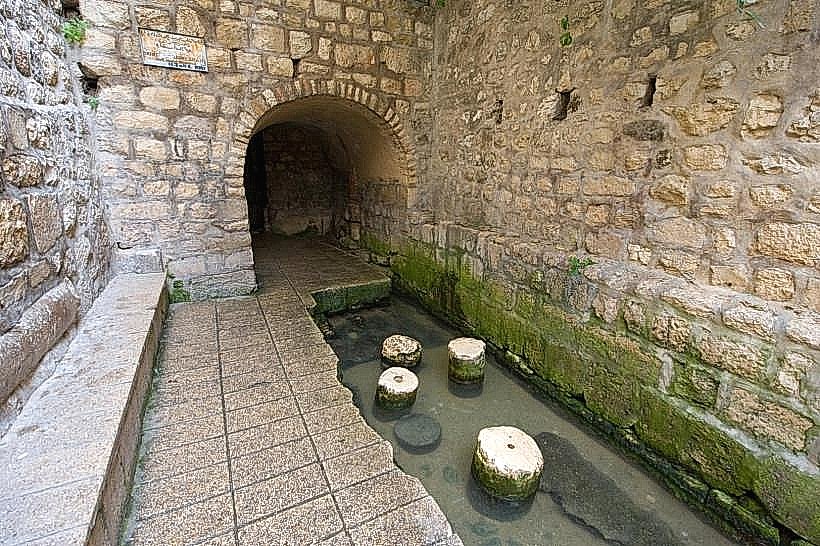
Landmark: Pool of Siloam
City: Jerusalem
Country: Israel
Continent: Asia
Pool of Siloam, Jerusalem, Israel, Asia
The Pool of Siloam is an ancient rock-cut freshwater reservoir located on the southern slope of the City of David in Jerusalem. It historically served as a primary water source for the city's inhabitants and a ritual bathing site for pilgrims ascending to the Temple Mount.
Visual Characteristics
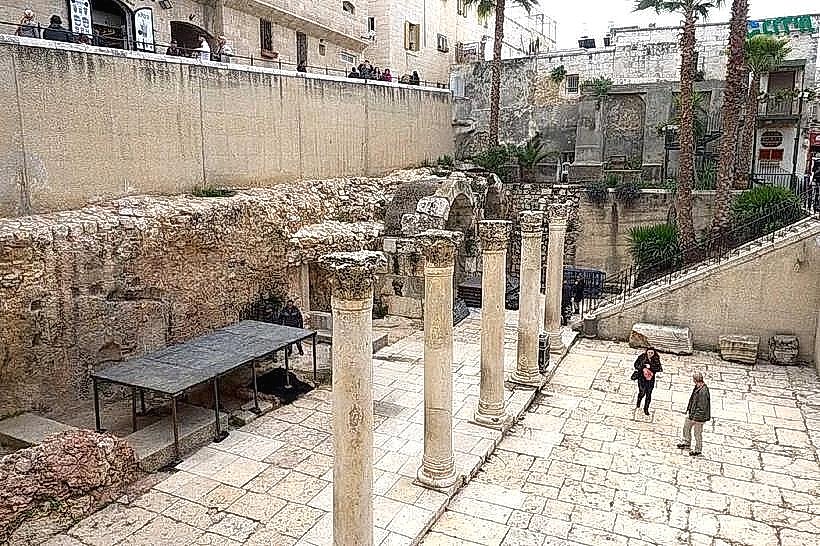
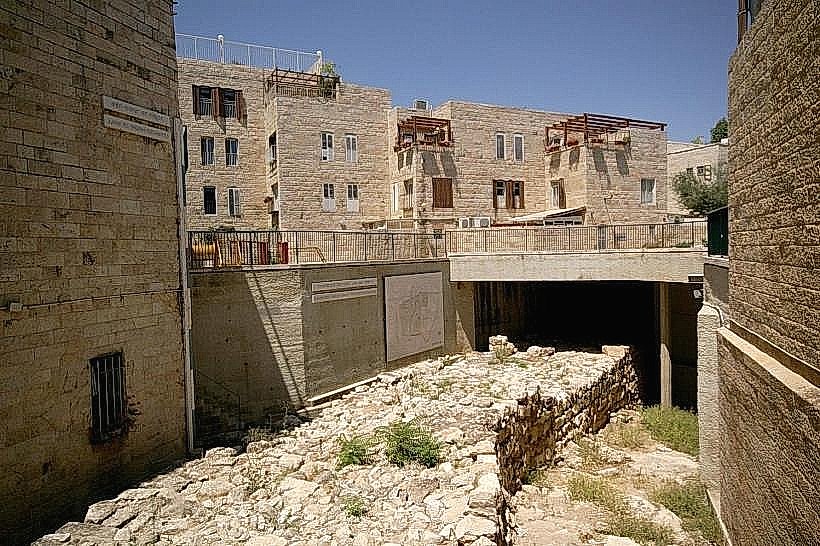
The site consists of a large rectangular basin approximately 70 meters long, featuring multiple tiers of wide stone steps leading down to the water level. The masonry is constructed from large, precisely carved limestone blocks characteristic of the late Second Temple period. Surrounding the pool are the remains of a paved plaza and stone columns that once supported a covered portico.
Location & Access Logistics
The pool is situated at the southern tip of the City of David archaeological park, approximately 1 kilometer south of the Dung Gate. Access is via the City of David visitor center on Ma'ale HaShalom Street, followed by a walk through the excavated "Herodian Road" or the "Jeremiah’s Tunnel" water system. Bus lines 1 and 3 stop at the nearby Givati Parking Lot station.
Historical & Ecological Origin
The original pool was constructed during the reign of King Hezekiah in the 8th century BCE to collect water from the Gihon Spring via the Siloam Tunnel. The larger, stepped pool currently visible dates to the 1st century BCE (Hasmonean/Herodian era). Geologically, the pool is carved into the limestone bedrock of the Tyropoeon Valley, designed to utilize gravity for water collection from the higher springs to the north.
Key Highlights & Activities
Visitors can walk along the excavated stone steps and traverse the ancient pilgrim road that leads from the pool up toward the Southern Wall. Exploration of the connected drainage tunnels and the Siloam Tunnel (Hezekiah's Tunnel) is a primary activity. Guided tours explain the archaeological layers and the site's role in biblical narratives, including the healing of the blind man.
Infrastructure & Amenities
The site features a small shaded observation deck and informative plaques. Modern public restrooms and a cafeteria are located at the main City of David visitor center, a 15-minute uphill walk or a short shuttle ride away. 5G cellular signal is available at the pool level. The terrain is uneven and involves significant stairs, making full access difficult for those with limited mobility.
Best Time to Visit
The best time for visit is the early morning (08:00–10:00) before the valley traps heat. For photography, midday provides the most light into the deep excavation trench, while late afternoon creates dramatic shadows across the ancient steps. The winter months are ideal for trekking through the water-filled sections of the tunnel system.
Facts & Legends
The pool was accidentally rediscovered in 2004 during infrastructure repairs for a sewage pipe. A unique historical detail is that the pool's water was used in the "Water Libation Ceremony" during the holiday of Sukkot, where water was carried in a golden flask from Siloam to the Temple altar.
Nearby Landmarks
City of David – 0.1km North
Gihon Spring – 0.4km North
Dung Gate – 0.8km North
Kidron Valley – 0.3km East
Hinnom Valley – 0.2km West